+86 13638632902
 Jason@cleanroomequips.com


 MENU
Sala limpia Clase 10000
Una sala limpia Clase 10000, también conocida como sala limpia ISO Clase 7 según la norma ISO 14644-1, es un entorno controlado diseñado para mantener bajos niveles de partículas en suspensión. Específicamente, permite no más de 10,000 partículas por pie cúbico de aire para partículas ≥0.5 micras, lo que equivale a no más de 352,000 partículas por metro cúbico.
Límites de concentración de partículas
Partículas ≥ 0.5 micras: 10,000 partículas por pie cúbico (352,000 partículas por metro cúbico)
Partículas ≥ 5.0 micras: 2,930 partículas por metro cúbico
Flujo de aire y filtración
Filtros HEPA (filtros de aire de partículas de alta eficiencia): Estos filtros deben eliminar al menos el 99.97% de las partículas en suspensión de 0.3 micras de diámetro.
Flujo turbulento: A menudo se utiliza para mezclar el aire de la sala, asegurando que los contaminantes se diluyan y sean eliminados por el sistema de filtración.
Tasas de renovación de aire moderadas: Típicamente alrededor de 60-90 renovaciones de aire por hora para mantener la limpieza requerida.

Class 10000 Cleanroom Air Changes Per Hour
| Class 10000 Cleanroom (ISO Class 7 Cleanroom)
|

Clean room grade table
| ||||||||||||||||||||||||||||||||||||||||||||||||||||||||||||||||||||||||||||||||||||||||||||||
| ||||||||||||||||
| ||||||||||||||||||||||||||||||||||||||||||||||||||||||||||||||||||||||||||||||||||||||||||||||||||
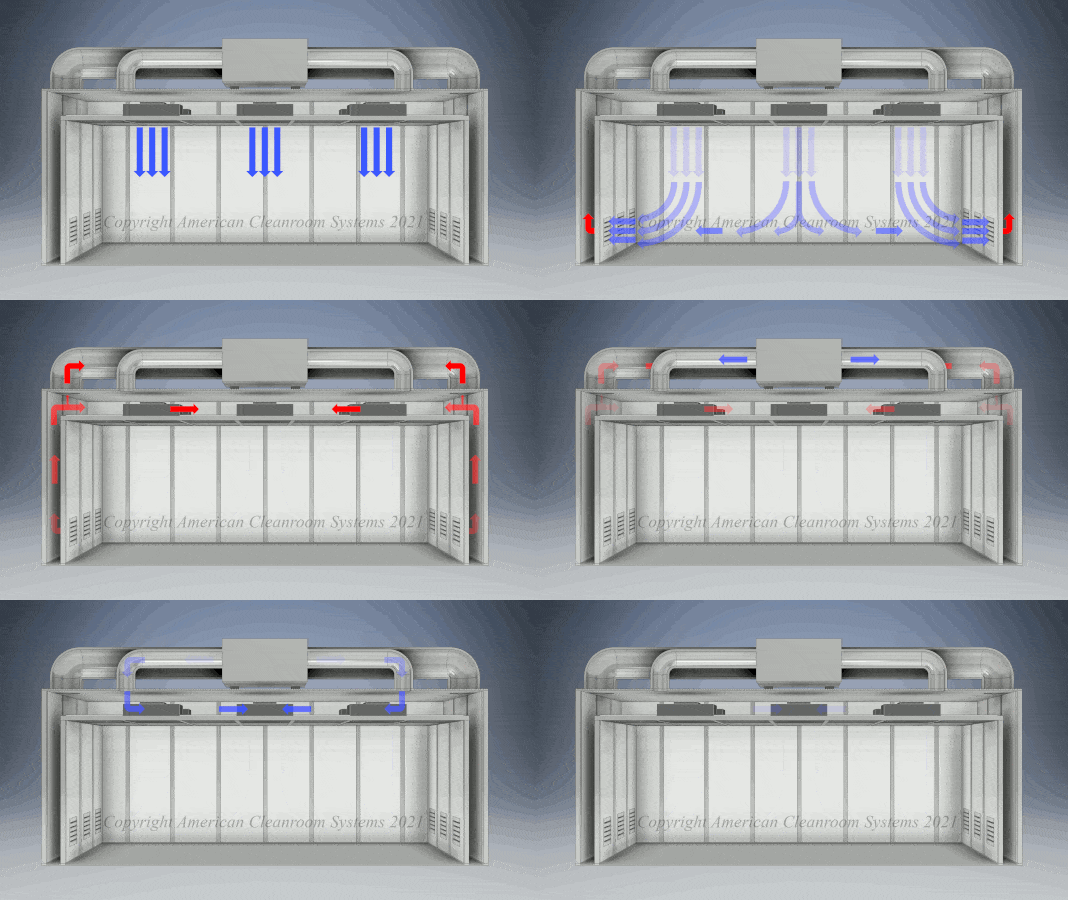
Class 10000 Clean Room Airflow
|
|
|
|

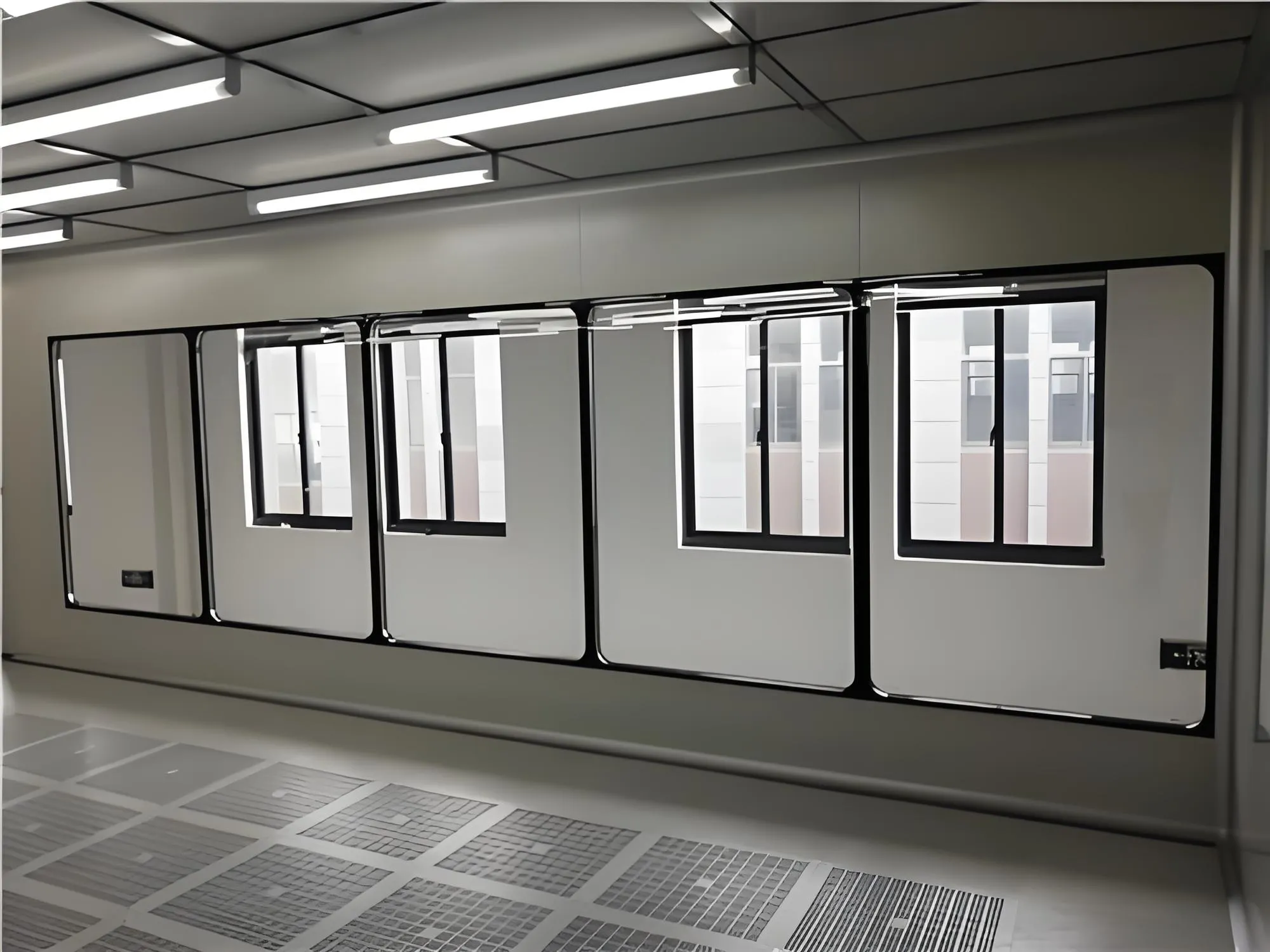
Class 10000 Clean Room wall
|
|
|
|
|
|


Class 10000 Clean Room Celling
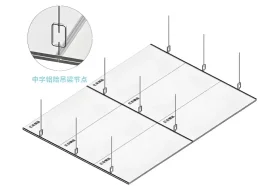 | 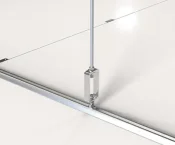 | 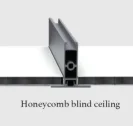 | 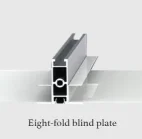 |
|
| ||

U2TDG58TZXg
FAQ
-
Q:What does class 10,000 clean room mean?
A:A Class 10,000 cleanroom, also known as an ISO Class 7 cleanroom, is an environment where the concentration of airborne particles is controlled to specific limits. It allows no more than 10,000 particles of 0.5 microns or larger per cubic foot of air.
-
Q:What are the requirements for a 10k clean room?
A:Requirements include HEPA filtration to remove 99.97% of particles ≥0.3 microns, maintaining around 60-90 air changes per hour, smooth and non-shedding surfaces, airlocks and gowning areas for personnel, and rigorous cleaning and gowning protocols.
-
Q:What is a 100000 class clean area?
A:A Class 100,000 clean area, or ISO Class 8, is an environment where the concentration of airborne particles is limited to 100,000 particles of 0.5 microns or larger per cubic foot of air. It is used in less critical production areas.
-
Q:What is a Class 1000 cleanroom?
A:A Class 1000 cleanroom (ISO Class 6) maintains a maximum of 1,000 particles of 0.5 microns or larger per cubic foot of air. It requires advanced filtration, laminar airflow, and strict operational protocols to ensure cleanliness.
-
Q:What is a class 10000 clean room?
A:A Class 10,000 cleanroom (ISO Class 7) is a controlled environment that limits airborne particles to 10,000 particles of 0.5 microns or larger per cubic foot of air. It is used in industries where controlled contamination levels are critical.
-
Q:What is a class 10000 clean room?
A:A Class 10,000 cleanroom (ISO Class 7) is designed to maintain low levels of airborne particles, specifically allowing no more than 10,000 particles of 0.5 microns or larger per cubic foot of air, to protect sensitive processes and products.
-
Q:How to build class 10000 clean room?
A:To build a Class 10,000 cleanroom, incorporate HEPA filtration systems, ensure proper airflow design, use non-shedding materials, install airlocks and gowning areas, and implement strict construction and operational protocols to control contamination.
-
Q:How to clean a class 10000 clean room?
A:Cleaning a Class 10,000 cleanroom involves using specialized, lint-free cleaning tools and solutions, following a top-to-bottom cleaning process, regularly disinfecting surfaces, and adhering to strict cleaning schedules to maintain particle levels within required limits.
-
Q:What is the difference between a 10k and a 1k clean room?
A:The primary difference is the allowable particle concentration. A Class 10,000 cleanroom allows up to 10,000 particles of 0.5 microns per cubic foot, while a Class 1,000 cleanroom allows only 1,000 particles, necessitating stricter controls and more frequent air changes.
-
Q:What is 100000 level clean room?
A:A Class 100,000 cleanroom (ISO Class 8) allows up to 100,000 particles of 0.5 microns or larger per cubic foot of air. It is suitable for less stringent manufacturing processes where some level of contamination is acceptable.
-
Q:What are the key points of 10000 class clean room design?
Key points include efficient HEPA filtration, maintaining 60-90 air changes per hour, using smooth, non-shedding materials, proper sealing and airlock systems, ergonomic design for ease of cleaning, and strict contamination control protocols.
-
Q:What are the installation standards of 10000 class clean room?
A:Installation standards involve ensuring proper HEPA filter integrity and placement, achieving specified airflow patterns, sealing all joints and entrances properly, installing appropriate lighting and environmental controls, and verifying the room meets ISO Class 7 particle limits.
-
Q:How to do 10000 class clean room certification?
A:Certification involves particle count testing with a calibrated particle counter, verifying airflow rates and patterns, ensuring filter integrity, conducting surface cleanliness tests, and maintaining detailed documentation to demonstrate compliance with ISO Class 7 standards.
-
Q:What are the equipment of 10000 class clean room?
A:Essential equipment includes HEPA filtration systems, air handling units, laminar flow benches, cleanroom-compatible furniture and fixtures, particle counters, and specialized cleaning tools and materials. Monitoring and alarm systems for environmental conditions are also crucial.
-
Q:How much does 10000 class clean room cost?
A:The cost of a Class 10,000 cleanroom can vary widely based on size, complexity, and specific requirements, typically ranging from $100 to $200 per square foot. Total costs can range from tens of thousands to several million dollars, depending on the project scope.