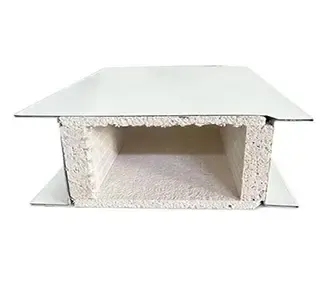
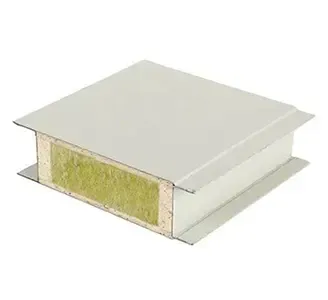
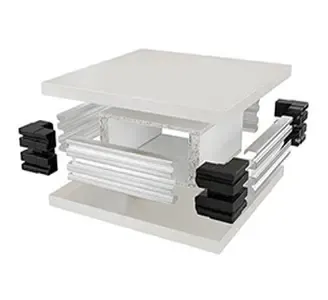
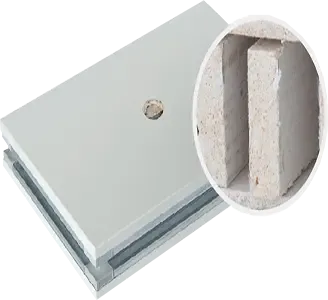
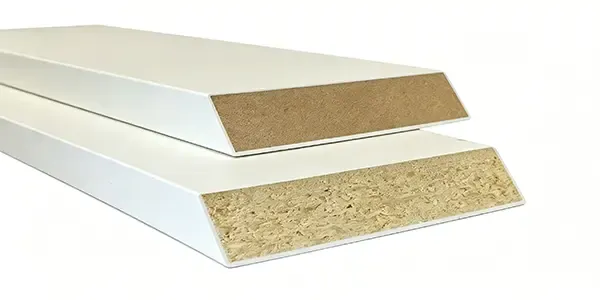
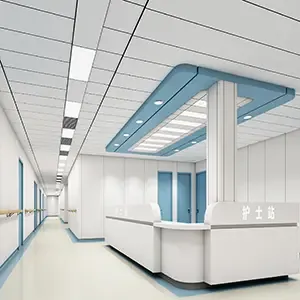
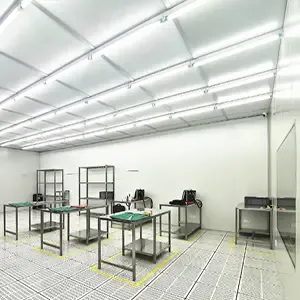
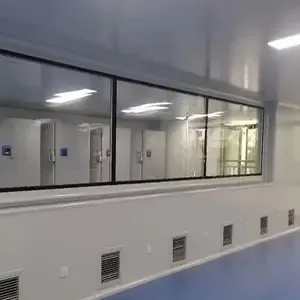
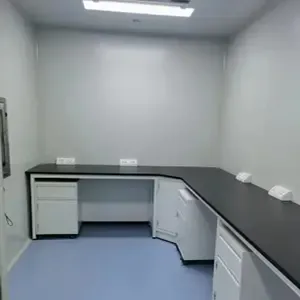
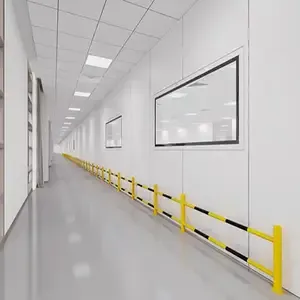
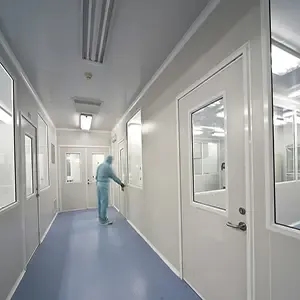
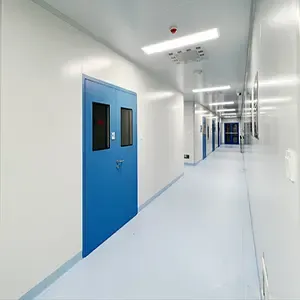
Cleanroom wall panels stand as key building components for all clean zones. These enclosing structures boast flat surfaces, low dust accumulation and stable heat retention.
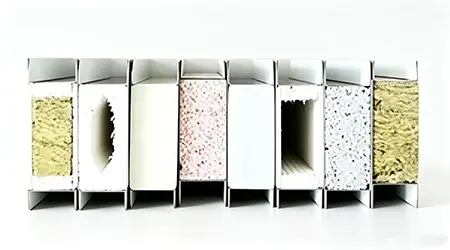
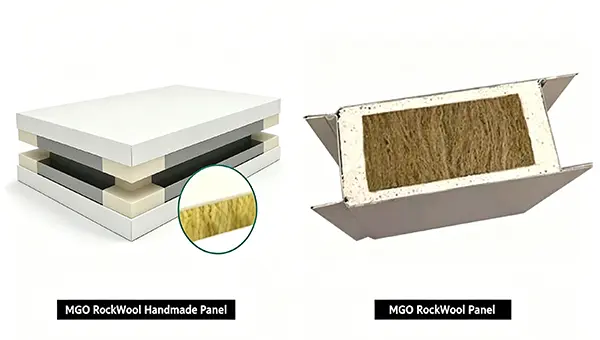
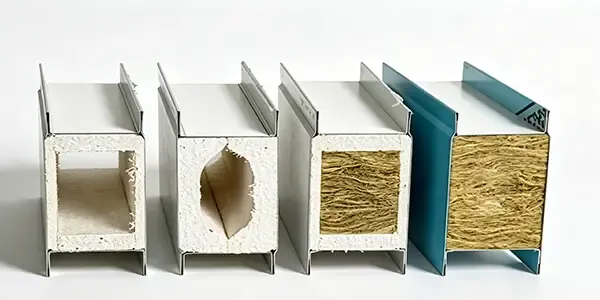
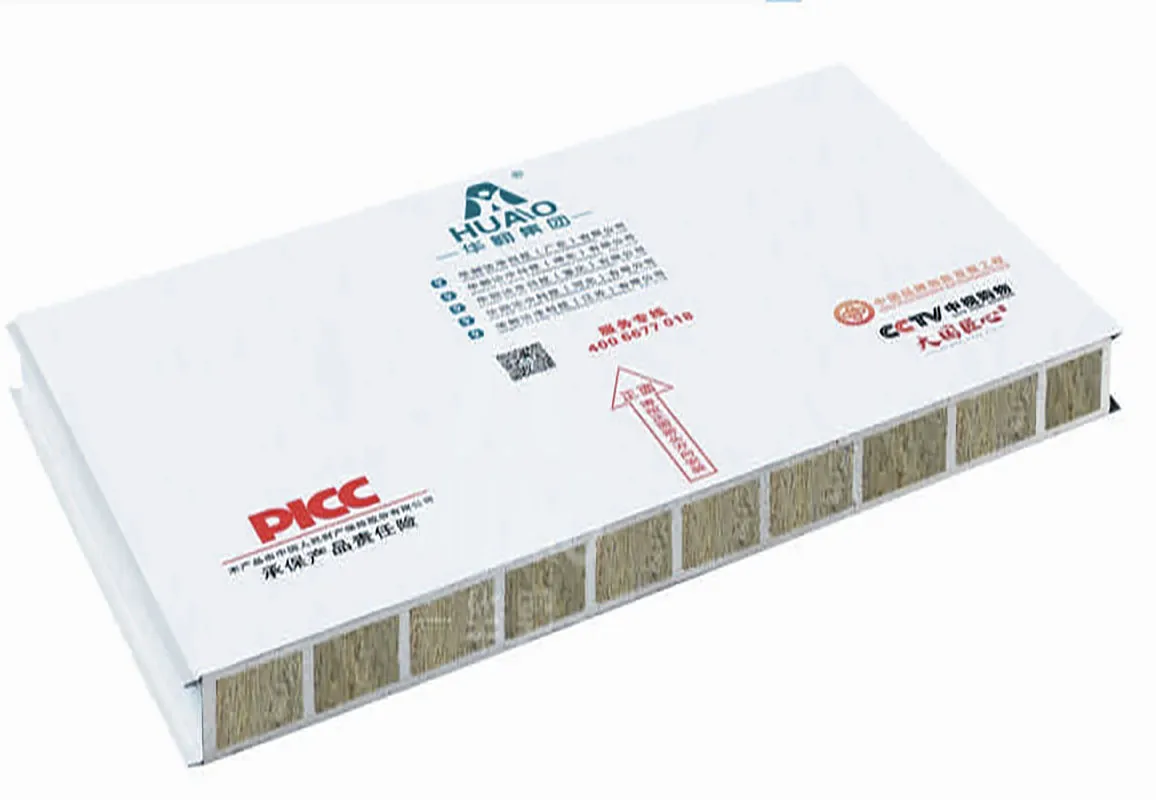
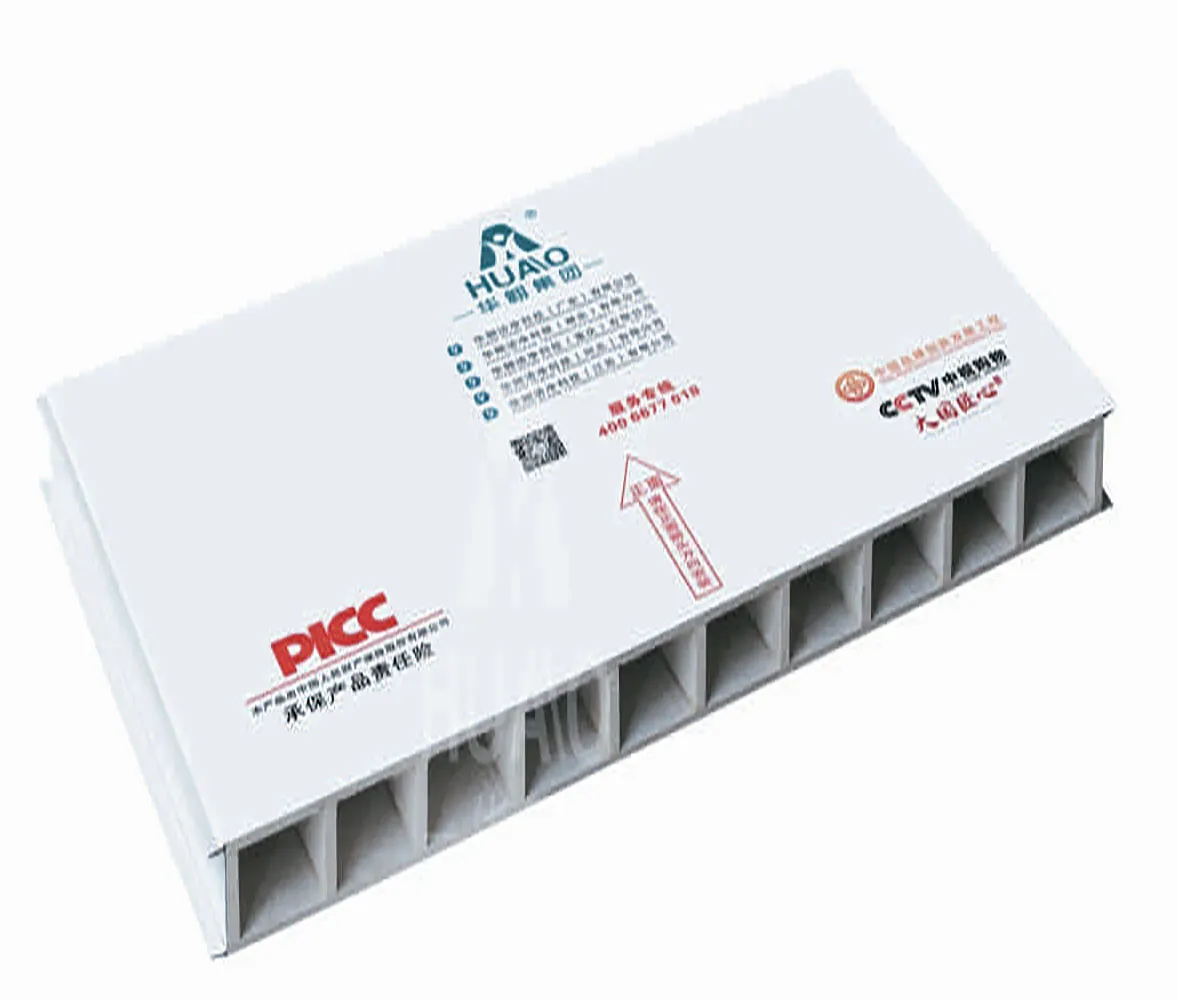
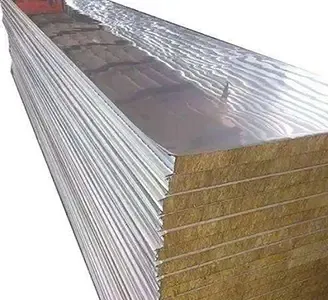
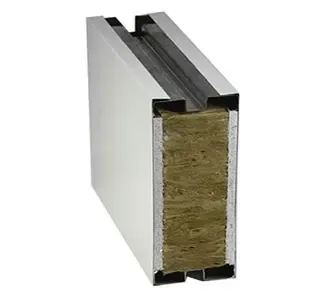
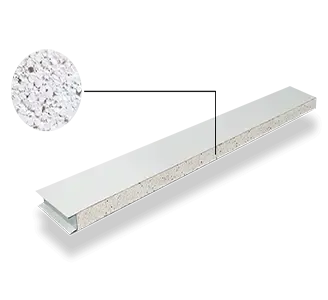
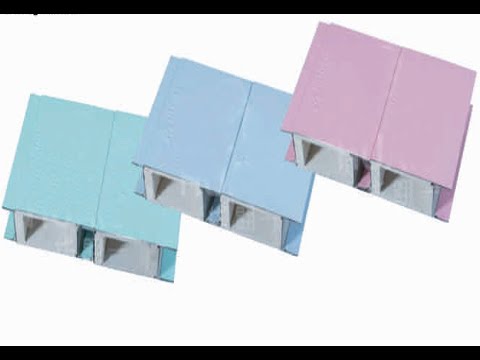
There are multiple core filler choices to choose from: MGO sheets, MGO-rock wool composite, pure rock wool, magnesium oxysulfate as well as siliceous boards. Deiiang stocks two distinct panel types — hand-built and machine-produced, so we can match varying cleanroom standards and different spending plans.
If you run large-size projects and hope to finish installation quickly, machine-produced panels are your go-to option. They keep steady uniform quality, adjustable fire resistance levels and great heat insulation performance. Our staff will walk you through panel selection. We take ISO 14644, GMP rules, fire codes and long-run running costs fully into account before giving our recommendation.
Our professional team will provide you with customized Cleanroom Panels system solutions to meet your specific needs.


Deiiang aims to design and create cleanbooths products that offer high cleanliness, superior quality, intelligent operation, low energy consumption, and low noise.

Panels use coated steel or SS304 stainless steel outer sheets, with fully locked seams that cut down dust buildup. The surface holds up well to regular sanitization with standard cleanroom disinfectants.

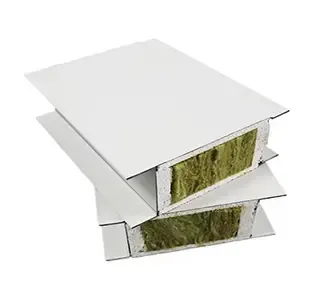
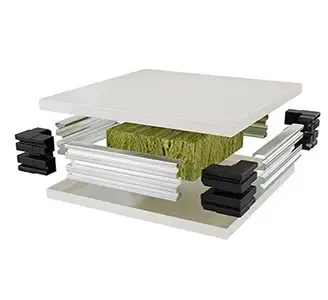
Deiiang cleanroom panels use tongue‑and‑groove or hidden‑lock connections plus sealants and trim strips. This tight structure blocks air leakage and removes hard‑to‑clean hidden gaps.

Available cores include MGO, RockWool, MGO RockWool and Silica cleanroom cores. They satisfy EN/GB fire standards for corridors and high‑risk zones, while supporting ISO 14644 and GMP requirements.

Optimized cleanroom panel thickness and core density deliver stable thermal insulation and sound reduction, keeping critical production areas quiet and at consistent temperature.

SS304 and MGO‑based cleanroom panels perform reliably in humid, wash‑down or mildly corrosive environments such as rinsing rooms and filling lines.

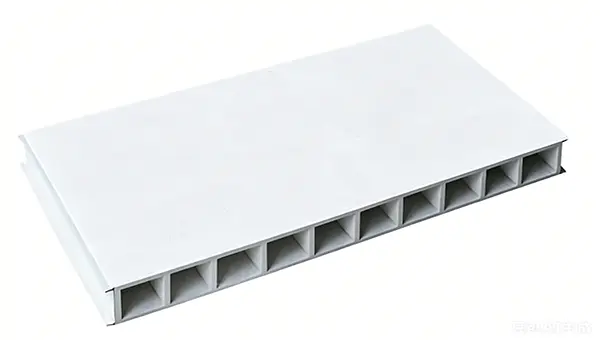
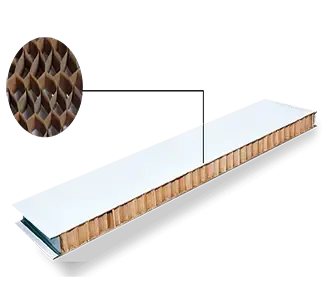
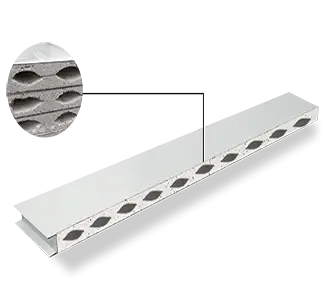
Factory‑produced cleanroom sandwich and aluminum honeycomb panels follow tight tolerances, enabling smooth alignment with doors, windows, ceilings and mounted equipment.

Pre‑engineered cleanroom panel modules, pre‑cut openings and matched accessories reduce on‑site work and re‑adjustment, helping you complete upgrades within limited shutdown windows.

Deiiang cleanroom panels interface precisely with Deiiang cleanroom doors, flush cleanroom windows, coves and skirtings. Flush, sealed joints simplify routine GMP inspection and sanitization.


Cleanroom sandwich panels
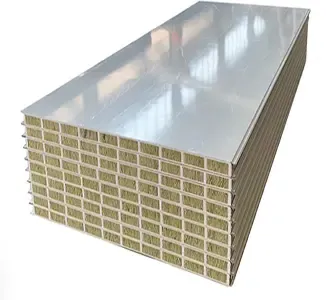
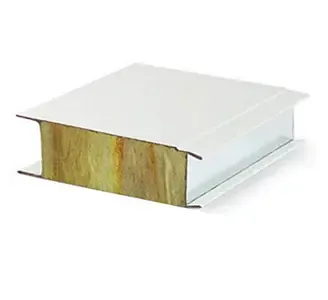
Built with metal outer layers (coated steel / 304 stainless steel) paired with inner core fillers such as MGO, rock wool and MGO‑rock wool composite.
Tight flatness control lets them connect smoothly with ceilings, doors, windows and curved transition corners.
Full‑set matching design: panels, aluminum trims, sealing tapes and supporting parts combine into a full cleanroom enclosure solution.
Ordinary wall panels
Common options cover gypsum, wooden and decorative boards for ordinary construction use.
No full sealing structure, leaving exposed gaps and visible seams across the wall surface.
They rarely fit special high‑standard cleanroom supporting hardware like dedicated doors, windows and curved corners.
Cleanroom sandwich panels deliver sealed, sanitary high‑performance walls tailored for controlled clean zones. Ordinary wall panels only suit regular indoor spaces and cannot pass cleanroom hygiene & regulatory standards.

Production teams opt for stainless steel sandwich panels to block cross-contamination, clear official inspections and get GMP approval. These panels hold up to repeated chemical sanitizing, repel grime and rust, and deliver steady performance year after year.

ICUs and surgical suites count on sealed MGO rock wool cleanroom panels. They lock steady room pressure, slow bacterial spread, and let medical teams wipe down surfaces rapidly between procedures.

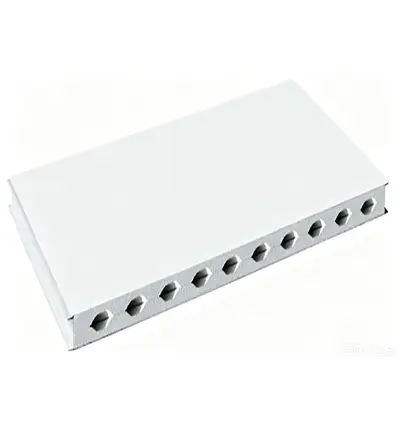
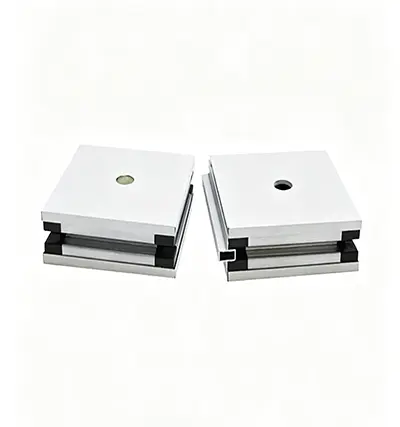
Fab lines go for steel or aluminum honeycomb panels thanks to ultra-flat surfaces that barely shed micro-particles. The hexagonal core spreads load evenly, and our factory pre-cuts large cutouts for pass boxes and air shower connections ahead of shipment.

Stainless steel and MGO panels stand against regular power washing, grease buildup and corrosive cleaners on production floors. They retain solid thermal insulation and simplify full sanitization shifts.

General test rooms work well with standard cleanroom wall boards. BSL labs and hazardous testing zones need rock wool or magnesium oxysulfide panels to boost fire protection and site safety standards.

Pair insulated sandwich panels with transparent glass inserts to build bright, low-particle assembly spaces. This setup supports strict quality checks without slowing staff or automated production machinery.

Our wall panels come with smooth, non-porous faces. They cut hazards from fine dust, aromatic raw materials and microbes inside blending and filling production rooms.

We recommend fire-rated rock wool sandwich panels for sterile zones. These options meet strict standards for zero pollution, flame resistance and precise indoor pressure regulation.
To start, simply select a manufacturing process and upload a 3D CAD file.
Within a few hours we'll send you design for manufacturability (DFM) analysis and real-time pricing.
Once you review your quote and place your order, we'll start the manufacturing process. We also offer finishing options.
Our digital manufacturing process allows us to produce parts in as fast as 1 day.
Deiiang is a professional supplier and manufacturer of cleanroom building materials, providing you with one-stop integrated solutions for cleanroom building materials.
| Panel Type | Width | Thickness | Core Material | Installation Structure |
| MGO Cleanroom Panel | 1200 mm | 50-100 mm | Magnesium Oxide (MGO) | Tongue & groove, sandwich |
| MGO Rock Wool Cleanroom Panel | 1200 mm | 50-100 mm | Rock Wool | Tongue & groove, sandwich |
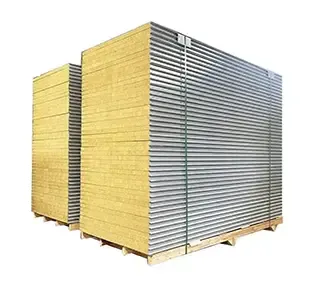
| Rock Wool Cleanroom Panel | 1200 mm | 50-100 mm | Rock Wool | Tongue & groove, sandwich |
| Magnesium Oxysulfide Purification Panel | 1200 mm | 50-100 mm | Magnesium Oxysulfide | Tongue & groove, sandwich |
| Silica Cleanroom Panel | 1200 mm | 50-100 mm | Silica-based materials | Tongue & groove, sandwich |
| Polyurethane (PU) Cleanroom Panel | 1200 mm | 50-100 mm | Polyurethane (PU) | Tongue & groove, sandwich |
| Propor Cleanroom Panel | 1200 mm | 50-100 mm | Polyurethane & Mineral | Tongue & groove, sandwich |
| Paper Honeycomb Cleanroom Panel | 1200 mm | 50-100 mm | Paper Honeycomb | Tongue & groove, sandwich |
| Handmade Cleanroom Panel Standard | 1200 mm | 50-100 mm | Wood-based core | Custom-made, frame structure |
Note: Length can be customized
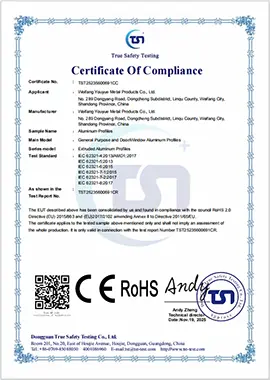
Aluminum Profiles CE Certification
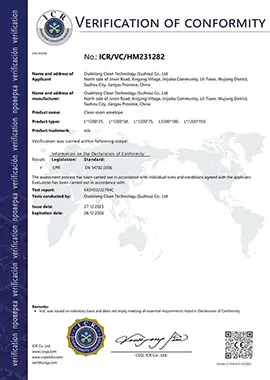
Clean room envelope CE Certification
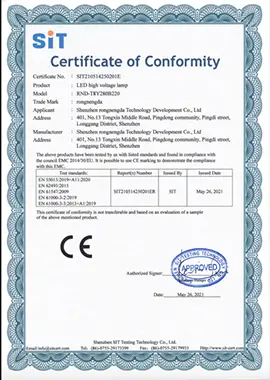
LED high voltage lamp CE Certification
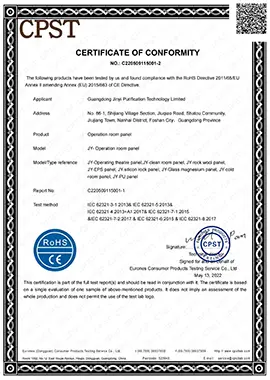
Operation room panel CE Certification
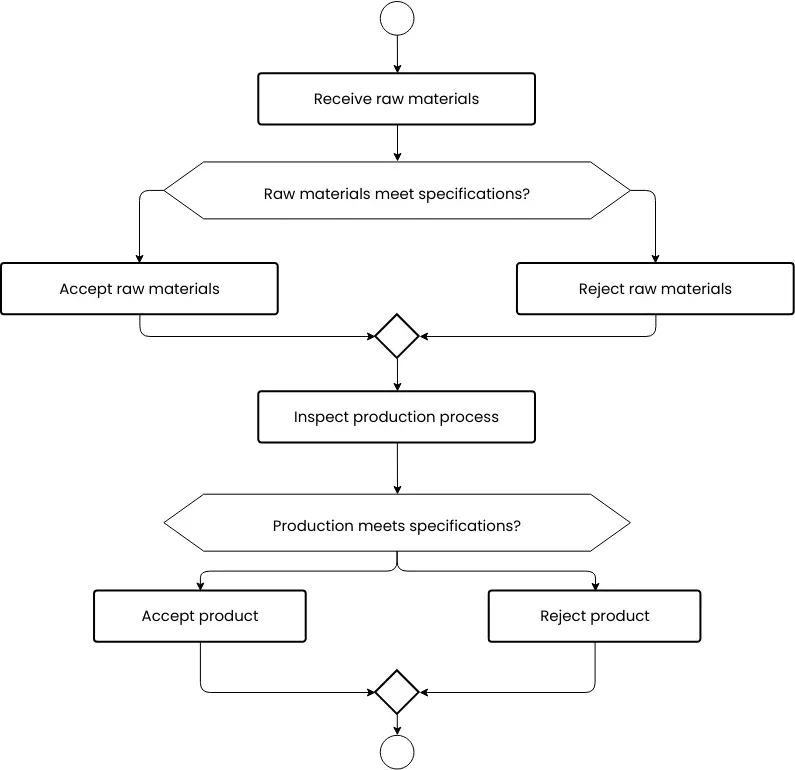
Deiiang Cleanroom Panels Quality Control Flowchart


Cleanroom panels are custom modular wall and ceiling materials for controlled clean spaces.
Built with painted steel or stainless steel surfaces and tight sealed joints, they resist dust buildup and simplify daily cleaning.
They fully comply with ISO 14644 and GMP cleanroom guidelines. These panels serve most high-standard clean industries, including pharmaceuticals, biotech, semiconductors, food processing, labs and medical device manufacturing.
Standard sandwich panels only offer basic insulation and structure, with no cleanroom-specific optimization.
Deiiang’s cleanroom panels go far beyond that. They retain stable thermal and structural strength, and come with professional clean-grade upgrades.
Our tight sealed joints and stain-resistant surfaces fully meet ISO 14644, GMP and FDA cleanroom standards.
The simplest approach is to consider three aspects: cleanliness level, fire resistance rating, and cleaning method. For high-level pharmaceutical and biotechnology cleanrooms, sealed-seam steel or high-pressure laminate (HPL) cleanroom panels are typically the first choice. For the electronics industry, aluminum honeycomb or ultra-thin steel sheets are ideal for use around tools and conveyors.
If you can share your layout, ISO rating, and cleaning chemical information with us, our engineers can quickly recommend a cleanroom panel configuration that matches your risk level, avoiding over- or under-design.
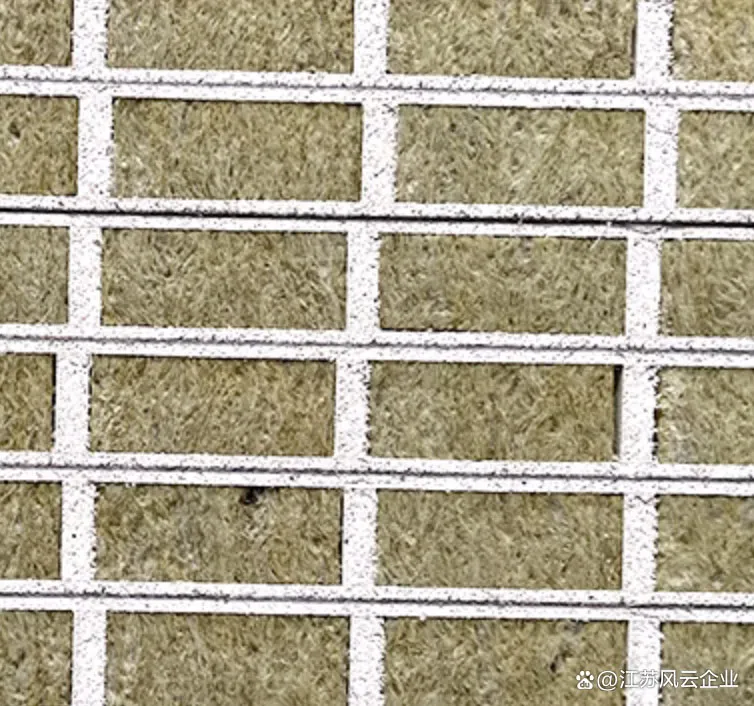
Rock wool is our go-to for strict fire safety projects. MGO and magnesium oxysulfate cores won’t warp, plus they provide solid fire protection.
Need light, perfectly smooth walls? Choose aluminum honeycomb.
We adjust core options around local fire codes, insulation targets and your budget. Most clients opt for rock wool when constructing fire corridors.
Absolutely they match perfectly. All our panels belong to a full cleanroom supporting system, pairing well with dedicated doors, embedded windows, skirting boards and seamless floor layers.
We unify panel thickness, joint style and frame specs during design, so every door and window frame sits flat against wall surfaces.
Panels alone won’t pass audits, yet they are essential wall and ceiling components.
Our non-porous panels with sealed joints and matching trims cut dust buildup, ease cleaning and hold stable room pressure.
We design out hidden dust gaps, use disinfectant-resistant surfaces and keep all areas visible for inspection, fully aligning with ISO and GMP rules.
Don’t judge cleanroom panels only by thickness or cost. Your production workflow, hazard grade and compliance rules should come first. Here’s a straightforward guide for picking suitable panels:
1. Match panels to your industry, standards and cleanroom grade
Start by matching panels to your sector and mandatory norms including ISO 14644, GMP and FDA.
304 stainless steel panels with sealed joints work best for ISO 5–7 pharma and API workshops. They survive constant disinfection and pass GMP inspections smoothly.
Electronics and medical assembly lines usually pair metal wall panels with ESD floors and earthing, cutting both dust and static risks at once.
New energy battery plants demand tight dust and humidity control. Insulated MGO or rock wool sandwich panels stabilize indoor temperature for ultra-dry production environments.
2. Tailor panel structure, core and surface to your needs
We tailor panel thickness and core materials around your actual fireproof, thermal and sound insulation needs.
PU cores excel at heat preservation. For strict fire rating standards, rock wool or MGO-rock wool composite panels are the best fit. If you need lightweight walls with flawless flatness, go for aluminum honeycomb panels.
As for surface facings, coated steel panels offer cost-effective performance for most standard GMP clean areas. SS304 stainless steel is the better option for damp, corrosive spaces that require frequent deep cleaning. HPL panels work perfectly for offices, common labs and medium-risk clean zones.
For tall partition walls or walkable ceiling systems, share your wall height and load-bearing demands. This lets us customize panel specs and supporting reinforcements to fit your project perfectly.
3. Match panels to site environment, cleaning methods and hidden hazards
First sort out your HVAC layout, required temperature & humidity, plus all sanitizing chemicals you plan to use.
MGO or rock wool insulated panels hold stable temperatures well and stand up to regular water rinsing on site.
Strong disinfectants, solvent vapors and fine manufacturing powders will wear down common wall surfaces. We suggest SS304 or premium coated steel outer sheets, fully sealed seams and matched anti-corrosion sealants for these harsh conditions.
Fire escape walkways, sterile storage rooms and fire corridors demand fire-safe wall materials. Fire-rated MGO and rock wool panels satisfy construction fire codes while keeping cleanroom sanitary standards intact.
4. Project schedule, budget & integration
A typical Deiiang project includes 3–10 days for panel layout and shop drawing confirmation, about 1–2 weeks for cleanroom panel production, plus sea or air freight time.
Share your industry, cleanroom class, room sizes, fire requirements, and timeline with us. Our engineering team will propose a balanced cleanroom panel solution—avoiding over‑design, controlling cost, and making sure doors, windows, and floors integrate smoothly.