+86 13638632902
 Jason@cleanroomequips.com


 MENU
MENUcompanies like











How to Work With Us

Submit Requirements
Provide your site dimensions, required ISO class, and industry-specific needs (GMP, ESD, etc.) to our experts.

Custom Technical Proposal
Receive a detailed design proposal within 24 hours, including airflow strategies, material lists, and transparent pricing.

Modular Production
We manufacture your modular panels, HVAC units, and FFUs with strict QC to ensure full compliance with ISO 14644 standards.

Global Shipping & Setup
Fast global logistics followed by onsite installation guidance and performance validation to get you operational quickly.
FAQ
1. What is the role of a pre-filter in a Horizontal Laminar Flow Cabinet?
A pre-filter in a Horizontal Laminar Flow Cabinet serves to remove larger particles from the incoming air before it reaches the HEPA filter. This helps to extend the lifespan of the HEPA filter by preventing it from getting clogged with debris and dust, ensuring consistent airflow and maintaining the cabinet's sterility.
2. How to set up a Horizontal Laminar Flow Cabinet in a laboratory?
To set up a Horizontal Laminar Flow Cabinet in a laboratory, first select a stable and level location away from high-traffic areas and other airflow disruptions. Ensure there is adequate space around the cabinet for maintenance access. Connect the cabinet to an appropriate power source and verify electrical requirements. Finally, perform initial testing to confirm proper function and airflow, and train staff on its use and maintenance.
3. How to prevent static charge buildup in a Horizontal Laminar Flow Cabinet?
To prevent static charge buildup in a Horizontal Laminar Flow Cabinet, use antistatic wipes or mats on the work surface. Ground yourself and any equipment by using grounding straps. Additionally, maintain appropriate humidity levels in the room, as low humidity can increase static electricity.
4. How to handle spills in a Horizontal Laminar Flow Cabinet?
To handle spills in a Horizontal Laminar Flow Cabinet, follow these steps: Immediately contain the spill using absorbent materials. Clean the area with a suitable disinfectant, ensuring all contaminated surfaces are thoroughly cleaned. Dispose of waste materials according to your facility's biohazard protocols, and report the incident if necessary.
5. What are the main applications of a Horizontal Laminar Flow Cabinet?
The main applications of a Horizontal Laminar Flow Cabinet include microbiology, pharmaceutical compounding, electronics assembly, and any other processes that require a sterile and particle-free environment. These cabinets are essential in preventing contamination and ensuring the integrity of sensitive operations.
6. Are there eco-friendly options for Horizontal Laminar Flow Cabinets?
Yes, there are eco-friendly options for Horizontal Laminar Flow Cabinets. These may include energy-efficient models with low energy consumption, cabinets made from sustainable materials, and those with features such as LED lighting and programmable airflow settings to reduce environmental impact.
7. How to reduce vibrations in a Horizontal Laminar Flow Cabinet?
To reduce vibrations in a Horizontal Laminar Flow Cabinet, ensure it is placed on a stable, level surface. Use vibration-dampening pads or mounts if necessary. Regularly inspect and maintain the blower motor to prevent mechanical issues that can cause vibrations.
8. How does a laminar flow cabinet protect against contamination?
A laminar flow cabinet protects against contamination by continuously directing HEPA-filtered air over the work surface. This creates a sterile environment by removing airborne particles and microorganisms, preventing them from settling on the work area and ensuring a contaminant-free workspace.
9. Can a Horizontal Laminar Flow Cabinet be used for cell culture?
Yes, a Horizontal Laminar Flow Cabinet can be used for cell culture. It provides a sterile environment that is crucial for maintaining cell viability and preventing contamination. The horizontal airflow helps protect both the samples and the operator, ensuring reliable and reproducible results.
10. How to assess the condition of a Horizontal Laminar Flow Cabinet?
To assess the condition of a Horizontal Laminar Flow Cabinet, visually inspect the HEPA filter, pre-filters, and work surface for any damage or contamination. Conduct airflow velocity tests and particle count tests to ensure proper function. Regularly check and document the performance and maintenance activities.
11. What accessories are available for Horizontal Laminar Flow Cabinets?
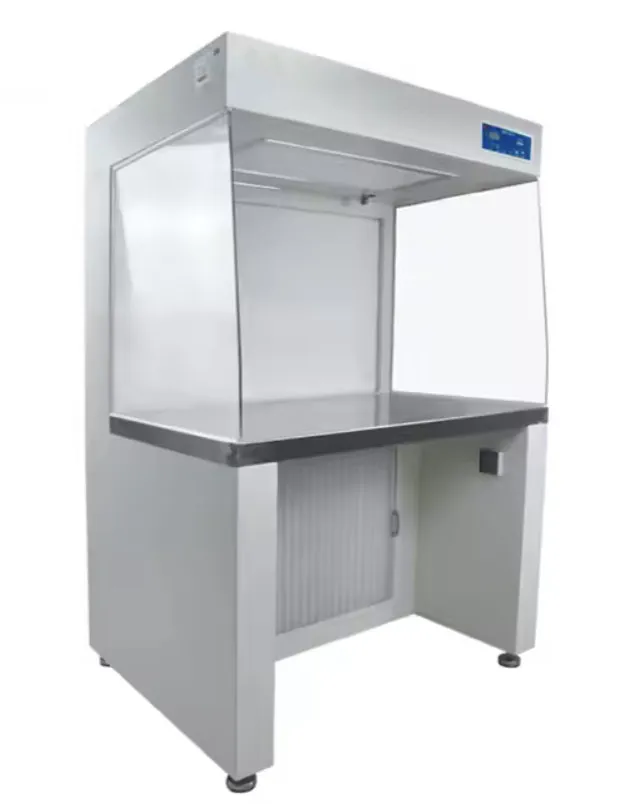
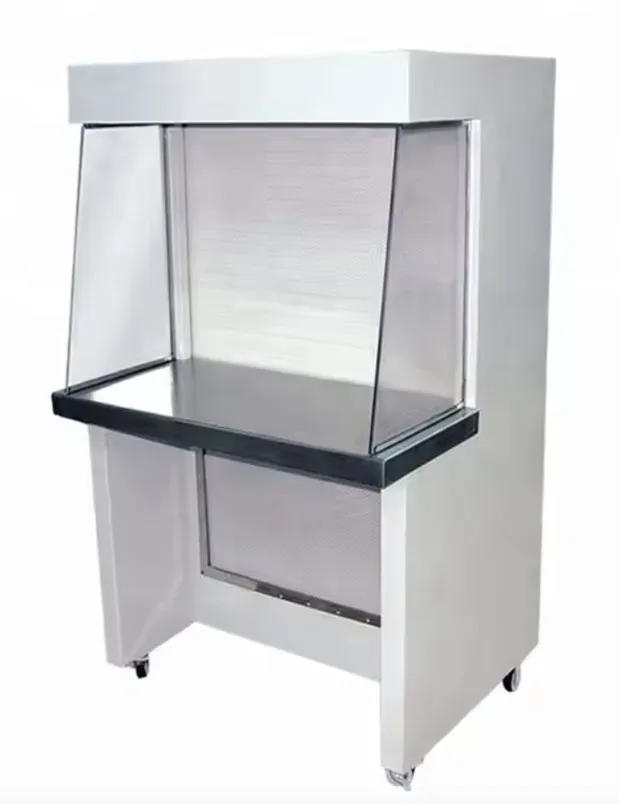
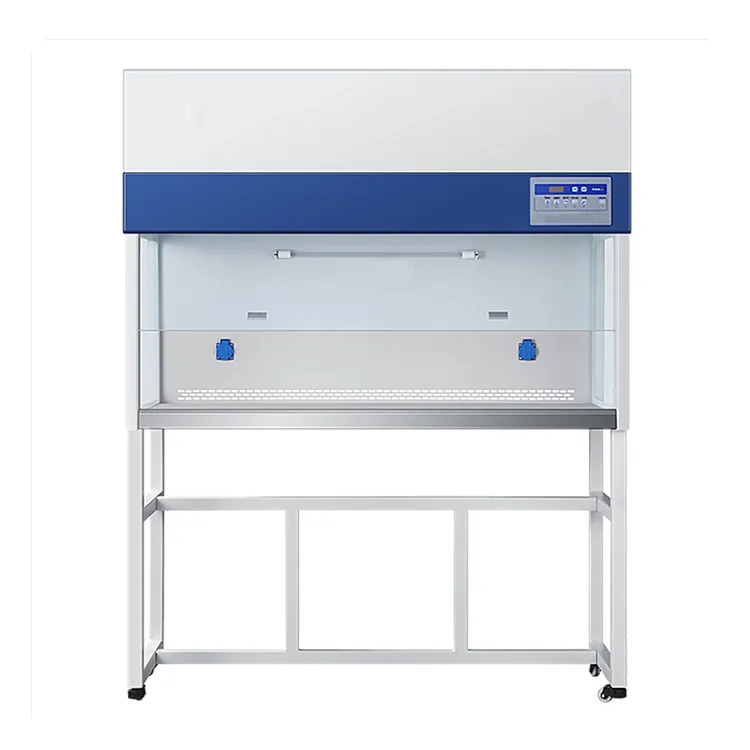
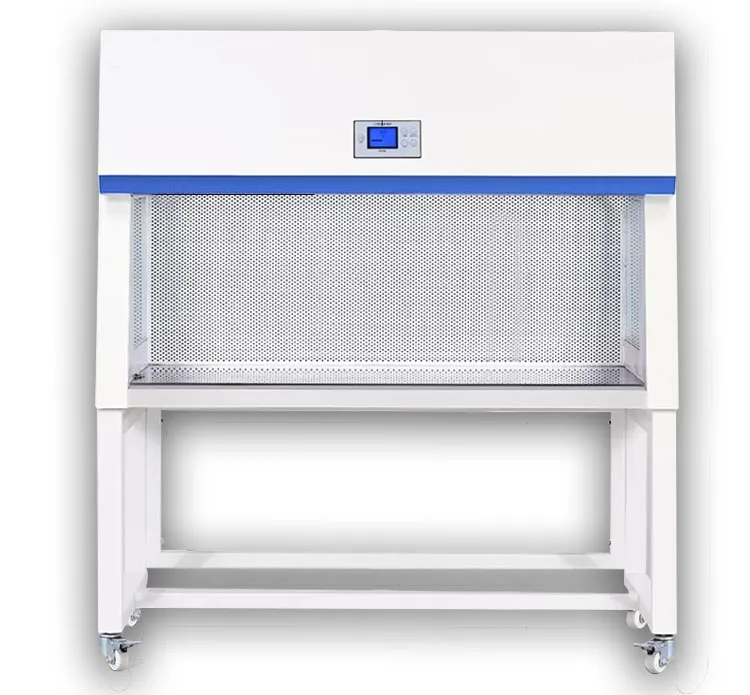
Accessories available for Horizontal Laminar Flow Cabinets include:
UV sterilization lights
Adjustable stands or tables
Ergonomic chairs
Antistatic mats
Additional shelving or storage options
Magnifying lamps
12. What is the warranty period for a Horizontal Laminar Flow Cabinet?
The warranty period for a Horizontal Laminar Flow Cabinet typically ranges from one to three years, depending on the manufacturer and model. It is important to check the specific warranty details provided by the manufacturer to understand what is covered and any conditions that apply.
13. Can a Horizontal Laminar Flow Cabinet be used for handling hazardous materials?
A Horizontal Laminar Flow Cabinet is generally not suitable for handling hazardous materials, as it does not protect the operator from exposure. For handling hazardous materials, a Biological Safety Cabinet (BSC) or other specialized containment equipment is recommended to ensure both product and operator safety.
14. How to prevent cross-contamination in a Horizontal Laminar Flow Cabinet?
To prevent cross-contamination in a Horizontal Laminar Flow Cabinet, regularly clean and disinfect the work surface and interior. Avoid placing non-essential items inside the cabinet. Use proper aseptic techniques and change gloves frequently. Ensure that airflow is not obstructed and operate the cabinet at the recommended airflow settings.
15. Are there size options available for Horizontal Laminar Flow Cabinets?
Yes, Horizontal Laminar Flow Cabinets come in various sizes to suit different laboratory needs. Common sizes range from 3 feet to 9 feet in width, allowing flexibility in selecting the appropriate size based on workspace requirements and the nature of the tasks performed.
16. How much does a Horizontal Laminar Flow Cabinet cost?
The cost of a Horizontal Laminar Flow Cabinet can vary widely depending on size, features, and manufacturer. Basic models may start around $2,000 to $3,000, while larger or more advanced models can cost upwards of $10,000 to $15,000. It is important to consider the specific needs and budget when selecting a cabinet.