wap_menu MENU
X
Trusted by
companies like
FLIR Logo 1
electrolux Logo 3
abb Logo 4
bmw Logo 5
i-dent Logo 6
SINOPEC Logo 7
CATL Logo 8
INOVANCE Logo 9
EVE Logo 10
HONDA Logo 11
FOXCONN Logo 12

Laminar Flow hood

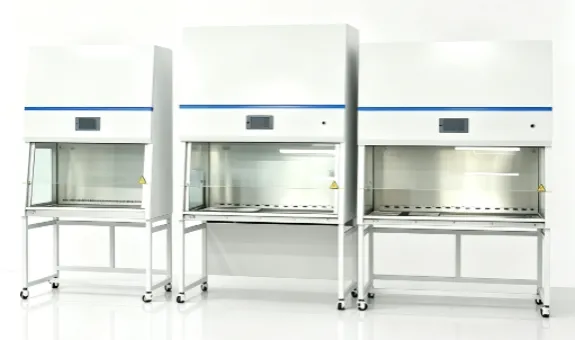
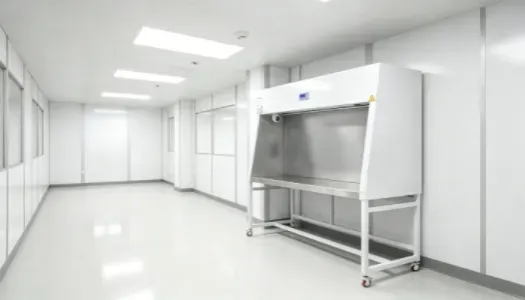
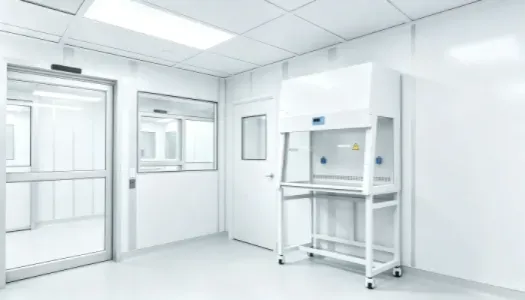
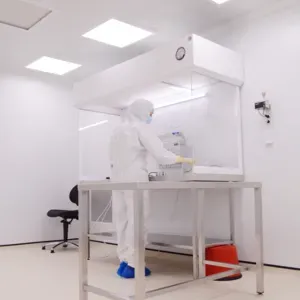
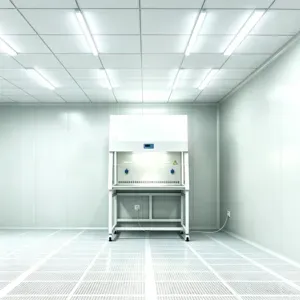
Laminar Flow hood can continuously supply filtered air to the operating area, provide staff with a sterile operating environment, this prevents airborne pollutants from affecting the product or experimental process.It is typically an open bench, built-in air filtration system, it can continuously provide clean airflow.

/uploads/allimg/20260720/1-260H01A249462.webp

Need a reliable laminar flow hood solution?

Our expert team designs customized horizontal and vertical laminar flow hoods to protect sensitive work, control particles, and keep your critical processes running clean and stable.

Types Of Laminar Flow Hoods

Explore Deiiang Laminar Flow Hoods engineered for ISO-class airflow, low noise, and consistent unidirectional protection in pharmaceutical, biotechnology, electronics, and research laboratory environments.
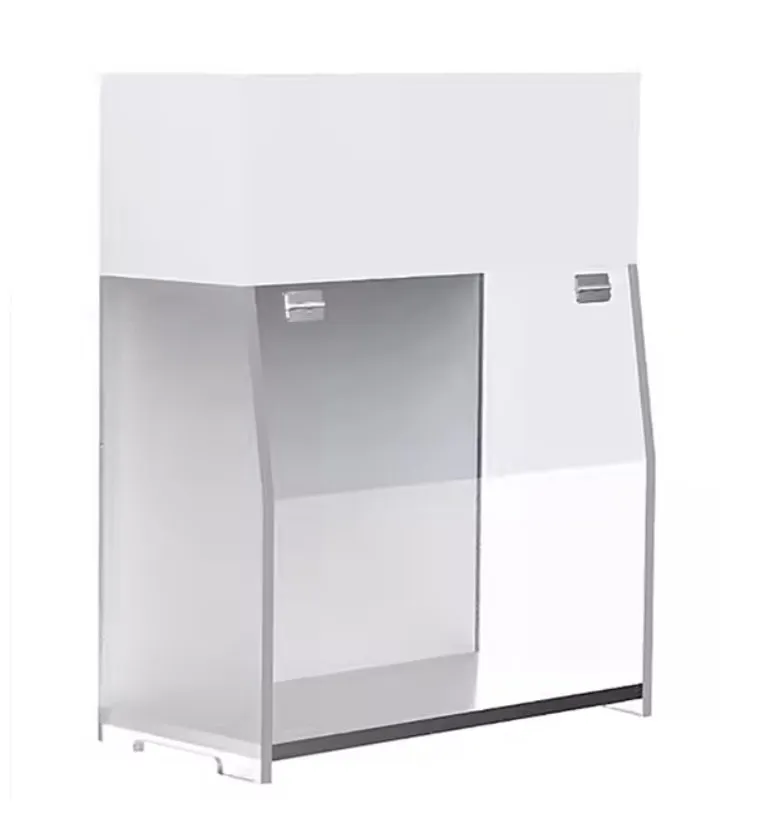
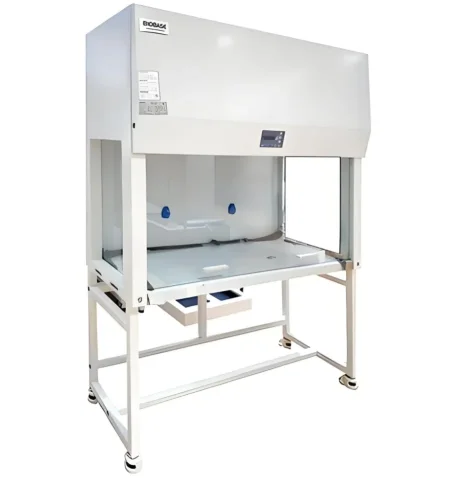
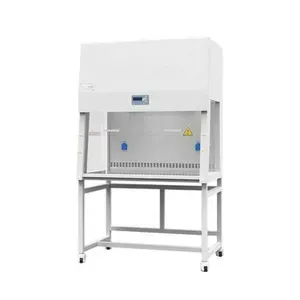
Desktop ultra-clean bench is placed on the laboratory bench, operating table above the purification workbench, this desktop small size, light weight, easy to move, and good results, is a lot of laboratories, clean rooms for dust-free sterile operation is not a good choice.
Check the details
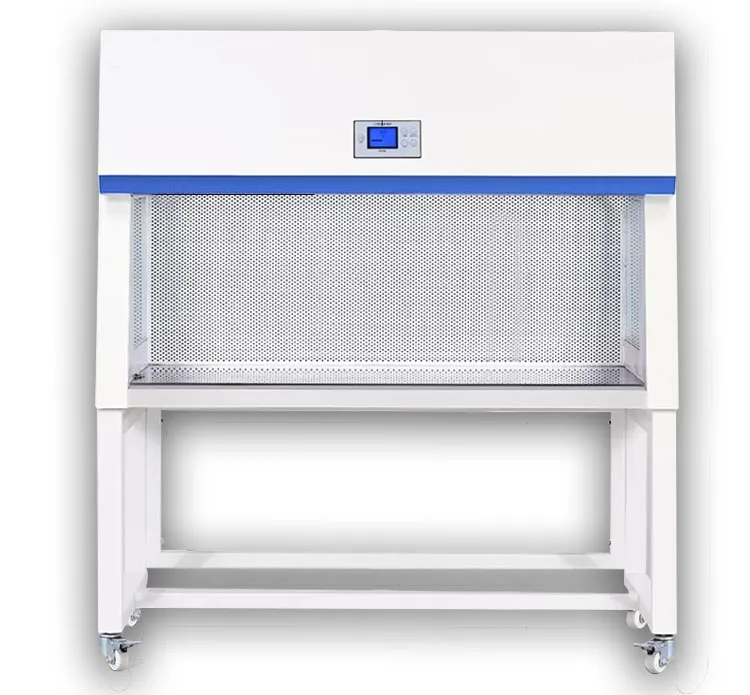
Desktop horizontal flow ultra-clean bench is a kind of aseptic purification equipment that adopts high-efficiency filtration technology and airflow purification system to flow air horizontally and uniformly from the top to the bottom.
Check the details
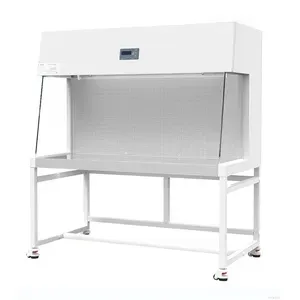
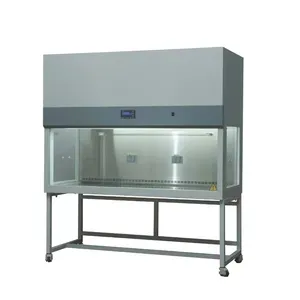
Desktop vertical flow ultra-clean bench is a kind of ultra-clean bench that sends air vertically from the top to the bottom, with high efficiency filtration, clean and dust-free, it can provide a sterile working environment, which is widely used in the fields of bio-pharmaceuticals, healthcare, chemical experiments and so on.
Check the details
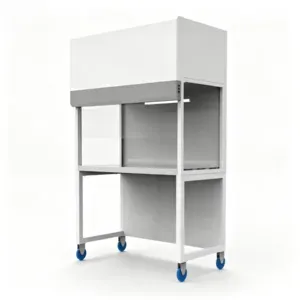
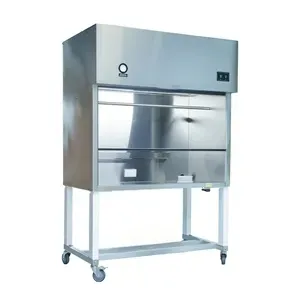
Vertical flow ultra-clean bench is a kind of ultra-clean bench that sends air vertically from top to bottom, with high efficiency filtration, clean and dust-free, which can provide a sterile working environment, and is widely used in the fields of biopharmaceuticals, healthcare, chemical experiments and so on.
Check the details
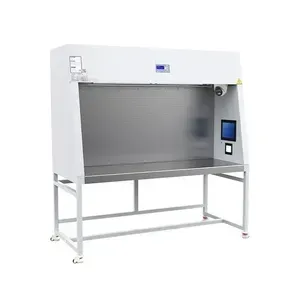
Horizontal flow ultra-clean bench is a kind of aseptic purification equipment that adopts high-efficiency filtration technology and airflow purification system to flow air horizontally and uniformly from the top to the bottom.
Check the details
PCR-laminar-flow-cabinet.webp
PCR laminar flow cabinet
Laminar flow cabinet optimized for PCR setup, minimizing contamination during DNA amplification.
Send inquiry Now
ISO-class-5-laminar-flow-hood.webp
ISO class 5 laminar flow hood
Laminar flow hood certified to ISO Class 5, ensuring very low particle concentration.
Send inquiry Now
HEPA-filtered-laminar-flow-hood.webp
HEPA filtered laminar flow hood
Laminar flow hood equipped with HEPA filters removing ≥99.97% of 0.3‑micron particles.
Send inquiry Now
ULPA-filtered-laminar-flow-hood.webp
ULPA filtered laminar flow hood
Advanced laminar hood using ULPA filters for ultra‑low particle and contamination levels.
Send inquiry Now
stainless-steel-laminar-flow-hood.webp
stainless steel laminar flow hood
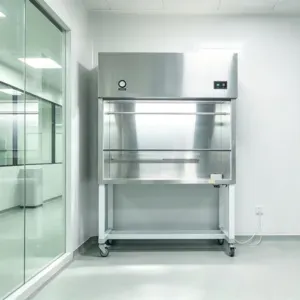
Stainless steel construction providing durable, easy‑to‑clean surfaces for demanding cleanroom environments.
Send inquiry Now
portable-laminar-flow-hood.webp
portable laminar flow hood
Portable laminar flow hood on lockable casters for flexible clean air positioning.
Send inquiry Now

Product Feature

Horizontal-Laminar-Flow-Hood-compare.webp
Horizontal Laminar Flow Hood
VS
Vertical-Laminar-Flow-Hood-compare.webp
Vertical Laminar Flow Hood

Horizontal Laminar Flow Hood

Clean air is blown directly to the operator from the rear wall vents of the Laminar Flow Hood.

It is especially suitable for protecting delicate electronic and optical components that really do not want to be contaminated with dust or particulate matter.

The operating space and line of sight are more open, it makes it more convenient for operators to conduct experiments.

The airflow will first hit your hands and arms, so the operating posture during the experiment is very important, be careful not to block the airflow.

If you need particularly smooth and even airflow across the entire countertop, this option is recommended as a priority.

Vertical Laminar Flow Hood

Clean air blows down from the top of the server rack, passing through the operating area, the air is then absorbed and filtered by the exhaust vent located on the back wall.

Its main function is also to protect the product, but this vertical wind direction is more comfortable for the operator.

This design is commonly used in pharmaceutical manufacturing, cell culture preparation, and various cleanroom applications.

Compared to horizontal airflow, it is easier to control when liquid splashes out.

When there are many utensils on the vertical table, small eddies and dead zones are easily formed, therefore, we need to pay more attention to the layout.

Industry Applications

Technical Resources

Items 0 to 0 of 0 total

How to Work With Us

Upload CAD File

Upload a CAD File

To start, simply select a manufacturing process and upload a 3D CAD file.

Get Quote with DFM

Get Quote with DFM

Within a few hours we'll send you design for manufacturability (DFM) analysis and real-time pricing.

Manufacturing Begins

Manufacturing Begins

Once you review your quote and place your order, we'll start the manufacturing process. We also offer finishing options.

Parts are Shipped

Parts are Shipped!

Our digital manufacturing process allows us to produce parts in as fast as 1 day.

ABOUT

Learn More About Deiiang Laminar Flow hood

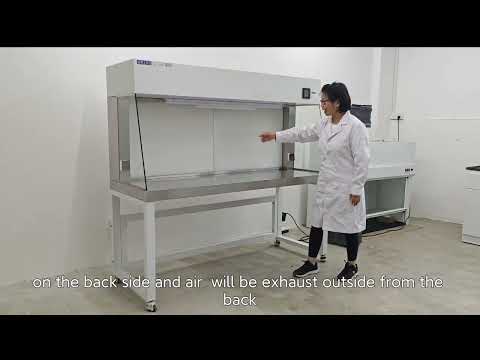
YouTube Video

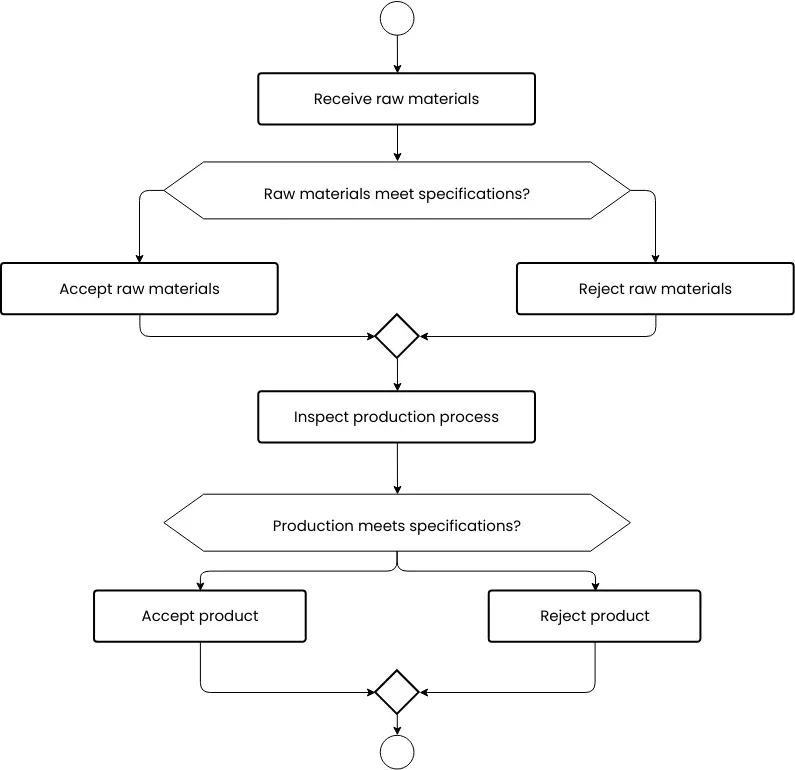
Deiiang Laminar Flow hood Quality Control Flowchart

Customer feedback reflects our value—take a look at what our customers say about our products and services.

Frequently Asked Questions (FAQ)

How Do I Use a Clean Bench?

Using a clean bench properly involves ensuring that it is set up, maintained, and used in ways that minimize contamination risks. This includes keeping the workspace organized, using sterilized tools, and following proper protocols to maintain airflow and cleanliness.

1. Preparation:

Always clean and sterilize the bench before use.

2. Sterile Tools:

Use only sterilized equipment and materials inside the clean bench.

3. Minimize Disruptions:

Avoid unnecessary movements to ensure laminar airflow is not disturbed. Clean after each use, checking airflow status and filter conditions regularly to ensure continuous cleanliness.

Use Of A Laminar Air Flow Bench | Technical Safety Services


What is the Purpose of a Clean Bench in Laboratories?

Contamination Prevention

A clean bench is designed to provide a sterile working environment, preventing contamination of sensitive materials or processes. This is essential in fields such as pharmaceuticals, biotechnology, and electronics, where even minor contamination can compromise results.

Purpose in Specific Processes:

1. Sterile Work Environment:

A clean bench ensures that sterile conditions are maintained for handling sensitive materials, such as pharmaceutical drugs, biological cultures, or semiconductor components.

2. Efficient Workflow:

By controlling particulate contamination, clean benches allow researchers to focus on tasks with minimal risk of contamination, enhancing productivity. Clean benches are particularly beneficial for small-scale, localized procedures that don’t require an entire clean room.

3. Key Applications in Research and Industry:

Clean benches are widely used in cell culture, microbiological research, and sensitive electronics assembly. They ensure that sterile workspaces are consistently maintained, reducing contamination and product failure.


What is the Difference Between a Laminar Flow Hood and a Clean Bench?

List of Key Differences:

  • Airflow Direction:Laminar flow hoods have controlled airflow in one direction, either horizontal or vertical.

  • Workspace Design:Clean benches typically offer more space for larger items compared to laminar flow hoods.

  • Sterility Focus:Both systems provide sterile environments, but clean benches allow for a wider range of tasks.

  • Usage Scale:Laminar flow hoods are often used for small-scale, precision tasks, while clean benches are for larger tasks requiring less enclosed space.

  • Flexibility:Clean benches offer greater flexibility in terms of accessibility and the types of materials or processes that can be handled.

  • Cost:Laminar flow hoods are generally more expensive due to their specialized design and limited workspace.

the Difference Between a Laminar Flow Hood and a Clean Bench

A laminar flow hood and a clean bench

are both designed to provide contamination-free workspaces, but they are used in different applications and environments. The main difference lies in their airflow systems and the level of protection they offer.

Laminar Flow Hoods

are designed to direct filtered air in a uniform, uninterrupted flow over the workspace, preventing contamination from airborne particles. These systems can be either horizontal or vertical in airflow direction. The laminar flow hood is typically used for small-scale tasks, such as working with sterile media or small samples.

Clean Benches

on the other hand, focus on providing a localized sterile environment with clean, filtered air flowing over the workspace. However, unlike laminar flow hoods, clean benches typically have a wider open area for handling larger items or materials. Clean benches are less restrictive than laminar flow hoods and are ideal for tasks like microbiological work or assembling small electronic components.

In short, laminar flow hoods are typically more enclosed and intended for sterile work with small samples, while clean benches offer a more open, but still controlled, workspace for a wider range of applications.


How Do You Maintain a Clean Bench?

1. Routine Cleaning:

Clean the bench regularly with sterilized wipes to prevent any accumulation of dust or contaminants.

2. Check Airflow and Filters:

Regularly inspect the airflow and change filters as required, typically every 6-12 months depending on usage.

3. Sterilize Equipment:

All tools and materials should be sterilized before placement on the clean bench to maintain sterile conditions.

4. Proper Air Circulation:

Ensure that airflow is not blocked, and the bench is used in a well-ventilated environment to maintain proper filtration and airflow.

What is Medical clean bench?

Regular checks of the bench’s functionality and cleaning ensure its optimal performance, making it a reliable tool for sensitive laboratory procedures. Ensure that all surfaces are wiped clean using sterile solutions, and monitor the air quality to maintain a high level of contamination control. Proper maintenance is key to the longevity and performance of the clean bench in laboratories.


What Type of Filter Does a Clean Bench Use?

A clean bench typically uses a HEPA filter** (High-Efficiency Particulate Air filter) or **ULPA filter(Ultra Low Penetration Air filter) to ensure the air is free from particulate contamination.

High-Efficiency Particulate Air filter

HEPA Filters

HEPA filters are widely used in clean benches because they are capable of capturing 99.97% of airborne particles as small as 0.3 microns. These filters work by forcing air through dense fiber mats that trap dust, bacteria, and other particulate matter.

HEPA filters are classified into various grades based on their efficiency and the size of particles they can filter out. Clean benches typically use H13 or higher grade HEPA filters. The efficiency of these filters ensures that the workspace remains sterile, preventing contamination during sensitive tasks.

Maintaining the performance of a HEPA filter requires periodic checks and replacements. Over time, filters lose their efficiency due to clogging by trapped particles, which is why regular maintenance is essential for continued protection and optimal air quality.

ULPA Filters

ULPA filters are more efficient than HEPA filters, capturing up to 99.999% of particles as small as 0.12 microns. They are often used in applications that require an even higher level of air purity.


What Are the Different Types of Clean Benches?

Clean benches come in several configurations, each suited to specific laboratory needs. They differ mainly in airflow direction, construction, and intended application.

the Different Types of Clean Benches

Laminar Flow Clean Bench

This type of clean bench directs a constant stream of filtered air in one direction, either horizontally or vertically. It provides a sterile workspace by preventing contaminants from entering.

Vertical Flow Clean Bench

Vertical flow clean benches have a downward air pattern, making them suitable for applications where contamination from above might be a concern. They are typically used in microbiology labs.

Horizontal Flow Clean Bench

Horizontal flow clean benches direct air across the workspace, providing a horizontal barrier to contamination. This design is ideal for handling large items without obstruction from the airflow.


What Industries Use Clean Benches?

Clean benches are essential in many industries where contamination control is crucial for product integrity or research accuracy. These industries rely on clean benches to maintain sterile conditions.

Pharmaceutical Industry

In pharmaceutical manufacturing, clean benches are used to prepare sterile formulations, handle drug components, and conduct quality control testing. They help ensure the drugs are free of contaminants, which is critical for patient safety.

Biotechnology and Research

1. Clean benches are commonly used in biotechnology labs for cell culture, genetic research, and microbiological studies.

2. These labs require controlled environments to maintain sterile conditions for accurate research and experimental outcomes.

Laminar Flow Hood Air Flow Clean Bench Workstation Kenya | Ubuy

Semiconductor and Electronics Manufacturing

Clean benches are also integral in the electronics industry, where contamination from dust or particles can lead to product failure. The production of microchips and other electronic components demands precise contamination control to avoid defects.

Medical Device Manufacturing

Clean benches in medical device production facilities ensure that parts and components remain free of contamination during the assembly process, which is crucial for patient safety and regulatory compliance.

How to choose Laminar Flow hood?

Home

PHONE

Email

Inquiry