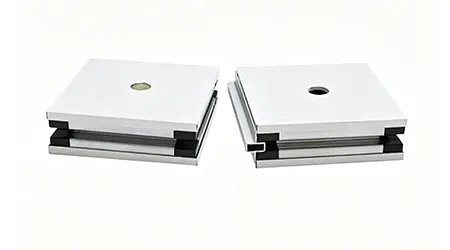
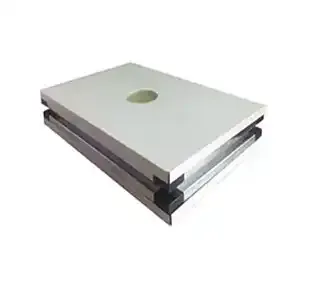
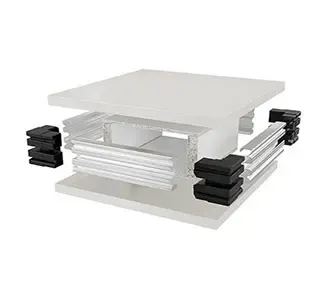
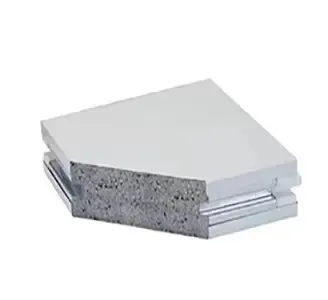
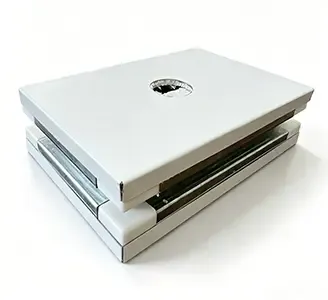
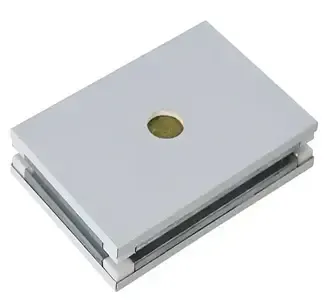
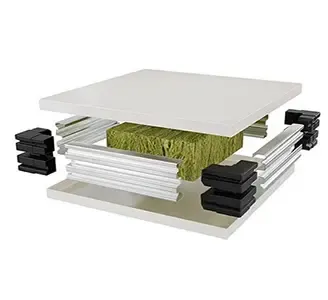
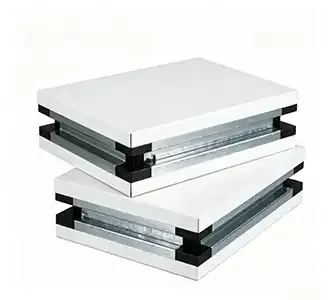
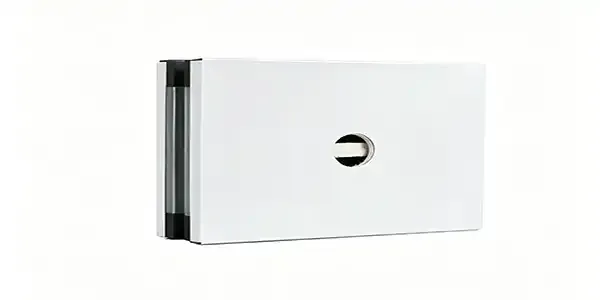
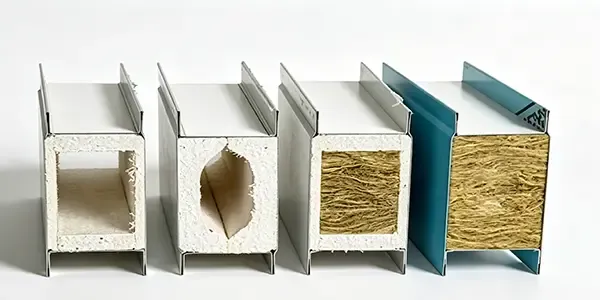
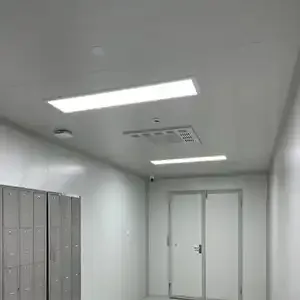
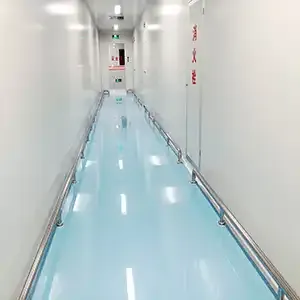
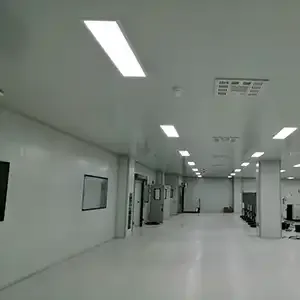
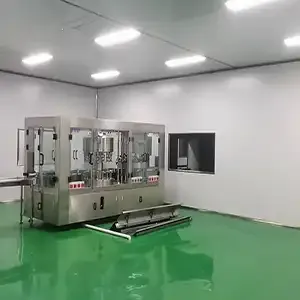
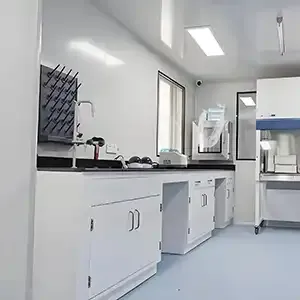
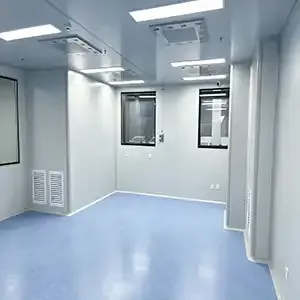
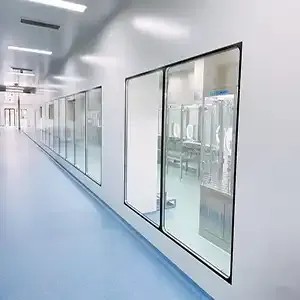
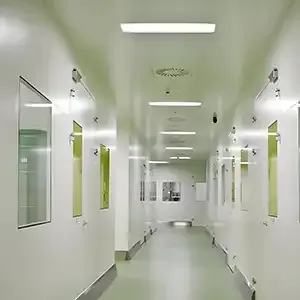
Deiiang handmade cleanroom panels can be fitted with various inner core materials, including MGO, rock wool, MGO-rock wool composite boards, magnesium oxysulfate as well as silica-rock substrates.
This panel series fits diverse industrial usage scenarios, covering sterile production workshops within pharmaceutical plants, medical beauty labs, plus electronic and semiconductor manufacturing sites.
Deiiang keeps three mainstream standard thickness choices: 50 mm, 75 mm and 100 mm. Custom dimension adjustments are also supported, tailored to match your targeted functional and performance requirements.
Our professional team provides a one-stop, customized supply of cleanroom Handmade Panel to meet your specific requirements.


Deiiang aims to design and create cleanbooths products that offer high cleanliness, superior quality, intelligent operation, low energy consumption, and low noise.

Jig‑built with internal steel frames to keep long walls and corridors straight, improving door and window alignment.

Tight joints and reinforced edges around openings support stable pressure cascades and easier room qualification.

MGO, RockWool, MGO RockWool, magnesium oxysulfide, or silica cores to balance fire rating, acoustics, and weight.

Smooth, non‑porous steel or coated finishes compatible with typical GMP disinfectants and frequent wiping.

Hidden steel inserts at defined points for mounting cabinets, pipelines, and equipment without on‑site improvisation.

Door, window, and pass‑box openings prepared in the factory to reduce dust, errors, and installation time on site.

RockWool and MOS configurations available with fire‑test documentation to support design reviews and approvals.

Interfaces cleanly with standard ceilings, floors, and Deiiang cleanroom doors, suitable for both new builds and upgrades.


Both Cleanroom Handmade Panel and Cleanroom Sandwich Panel work for cleanroom enclosure construction, but each fits totally different project scenarios. Hand-built panels stand out for excellent flatness, tight air sealing and flexible custom processing, perfectly matching high-end GMP factories and critical clean areas. In comparison, machine-made panels focus on standardized sizing and cost savings, which fit large, ordinary cleanroom projects that value fast installation and budget management above all.
Structure and Construction: Equipped with full surrounding steel frames and finished via manual assembly. This flexible manufacturing method allows built-in reinforcement and tailor-made cutouts for doors, pipelines and windows of any size.
Performance: It delivers top-tier surface flatness and airtight performance, making it the best fit for pharmaceutical workshops and strict GMP zones with demanding particle control standards.
Applications and Cost: It comes with a higher budget threshold, reserved for high-standard projects that require strict validation, zero air leakage and fine finishing quality.
Structure and Construction: Produced in bulk through automated production lines with fixed sizes, only applicable for regular wall and ceiling installation scenarios.
Performance: It meets basic cleanliness and stability needs for ordinary cleanrooms, yet it cannot handle complex openings and personalized structural details with high precision.
Applications and Cost: Cost-effective and budget-friendly. It is widely adopted for large-scale standard cleanroom projects where construction progress and cost control are the main priorities.

GMP cleanroom handmade panels give flat, tight walls around filling lines, airlocks, and corridors, helping you hold pressure cascades and pass validation with fewer on‑site fixes.

Cleanroom handmade wall panels create smooth, sealed ICU and operating room envelopes that clean fast, limit air leaks, and support infection‑control pressure regimes.
Handmade silica cleanroom panels and ESD‑safe finishes help protect wafers and electronics from particles, charge, and vibration around tools and conveyors.

Stainless‑clad MGO rockwool handmade panels handle wash‑downs, temperature swings, and hygiene checks in mixing rooms, filling areas, and packaging corridors.

Cleanroom handmade panels let labs mix standard rooms with higher‑risk suites, keeping layouts flexible while still supporting future upgrades and containment projects.

GMP cleanroom handmade panels support molding, assembly, and packaging zones with clean joints, hidden services, and stable pressure for audits and validations.

Cleanroom handmade panels with smooth corners and glass sections help control powders, fragrances, and splashes in mixing, filling, and packing areas.

Magnesium oxysulfide and rockwool handmade panels combine fire rating, airtightness, and cleanability for sterile corridors, containment rooms, and emergency routes.
To start, simply select a manufacturing process and upload a 3D CAD file.
Within a few hours we'll send you design for manufacturability (DFM) analysis and real-time pricing.
Once you review your quote and place your order, we'll start the manufacturing process. We also offer finishing options.
Our digital manufacturing process allows us to produce parts in as fast as 1 day.
Deiiang is a professional cleanroom system integrator, providing you with a one-stop comprehensive solution for cleanroom construction.
| Parameter | Specification |
|---|---|
| Thickness | 50 mm / 75 mm / 100 mm |
| Width | 980 mm |
| Length | Custom length |
| Steel Plate Thickness | 0.376 mm / 0.426 mm / 0.476 mm |
| Steel Plate Material | Painted Steel / SS304 |
| Type | Machine‑made Panel / Handmade Panel |
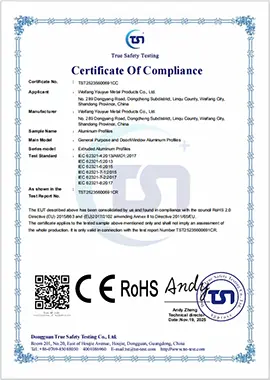
Aluminum Profiles CE Certification
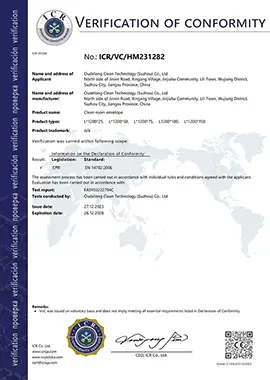
Clean room envelope CE Certification
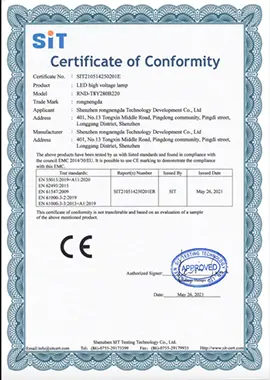
LED high voltage lamp CE Certification
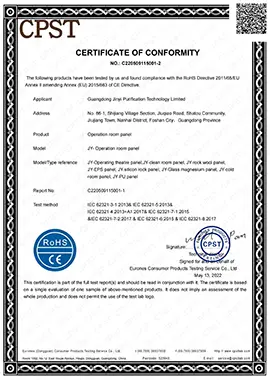
Operation room panel CE Certification
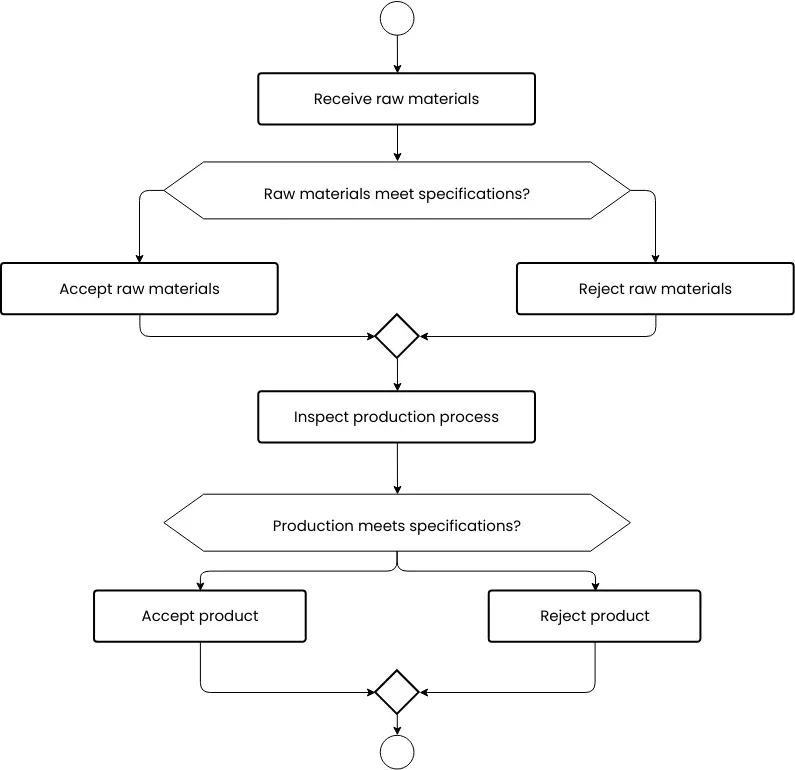
Deiiang Handmade Panel Quality Control Flowchart


Cleanroom Handmade Panels serve high-cleanliness spaces with strict particle control.
Manually assembled, they use tongue-and-groove or H-aluminum joints for great sealing, and support flexible custom fabrication.
Cleanroom Handmade Panels are assembled by hand using high‑quality materials, often in a controlled manufacturing area to reduce contamination.
Each panel is cut and framed to exact dimensions, so size, core material, and finish can be customized for the specific cleanroom.
They deliver better sealing, sturdiness and fitting accuracy than standard mass-produced boards.
We don’t get locked into fixed sizes either — panel measurements, insulation levels and outer face sheets can all be adjusted on demand.
This custom fit works perfectly for odd-shaped partitions, custom window cutouts and one-off non-standard GMP projects.
You can tailor panel heights freely to fit any unique cleanroom layout.
Every board gets separate rigorous inspections, paired with ultra-flat surfaces that barely trap stray particles.
Your clean air stays consistent for years, and regular upkeep won’t take nearly as much effort.
Their dense, smooth outer surfaces won’t catch fine dust and microbes easily.
We use tongue-and-groove locks or H aluminum profiles plus extra sealing strips for every joint.
Tight seams cut unwanted air leakage drastically, letting ventilation run as planned and preserve stable indoor air purity.
Absolutely, our Cleanroom Handmade Panels support extensive custom adjustments.
You’re free to pick custom sizes, thickness, inner core and outer surface, and we pre-fabricate cutouts for windows, pass boxes and piping ahead of delivery.
This flexibility makes them a great fit for intricate non-standard layouts common in pharma, electronics and research labs.
We rely on two mainstream outer face materials: color-coated steel and grade 304 stainless steel.
For inner cores, clients can pick MGO, rock wool, MGO-rock wool composite or silica boards to hit required fire and heat insulation standards.
We match different material sets carefully, striking a good balance between cleanroom sanitation, long service life and thermal efficiency.
Installation needs careful setting‑out, proper sub‑framing, and correct sealing at all joints and interfaces.
Panels should be installed by trained teams so that alignment, verticality, and airtightness meet the project’s cleanroom and validation requirements.
Many Cleanroom Handmade Panels can be supplied with fire‑rated cores and tested assemblies.
Using materials like MGO, rock wool, or magnesium oxysulfide, they can achieve fire resistance while still meeting cleanliness and cleaning‑chemical requirements.
You can spot them in pharma biotech workshops, semiconductor electronics factories, and medical device assembly zones, plus university and industrial labs.
Every one of these spaces requires rigid environmental management and washable wall surfaces.
Core materials and fully sealed joints stop heat loss and unwanted air escape.
Your HVAC system won’t have to work overtime to balance temperature and humidity.
This simple cut in equipment load greatly brings down the facility’s total power consumption.
Absolutely, they are a standard pick for pharma clean production spaces.
They fully meet strict EU GMP and FDA standards for core production zones.
Smooth surfaces, reliable particle isolation and microbial control are all covered perfectly.
The cleanroom panels you choose should match your process risk, cleaning methods, and compliance standards—not just thickness or price. Below is a practical guide for selecting Deiiang cleanroom handmade panels and rockwool panels:
1. Industry, Process, and Cleanliness Level
Start from your industry and the most critical process steps, not from the catalog.
Pharmaceutical, biotech, and sterile API areas usually prefer GMP cleanroom handmade panels or rockwool cores in ISO 5–7 zones to support pressure cascades, fire safety, and frequent disinfection.
Electronics, semiconductor, and medical device assembly often combine handmade panels with ESD‑friendly finishes in ISO 5–7 areas to control particles, static, and vibration near tools and conveyors.
Non‑sterile packaging, warehouses, and support rooms can often use more economical handmade panels or standard sandwich panels at ISO 7–8, as long as joints and details still meet your QA expectations.
2. Panel Structure and Core Material
Decide whether you need cleanroom handmade panels with internal steel frames or standard machine‑made sandwich panels.
Cleanroom handmade panels give higher flatness, better sealing, and reinforced zones for doors, windows, and heavy equipment—ideal for airlocks, filling rooms, and validation‑critical corridors.
RockWool, MGO RockWool, and magnesium oxysulfide cores are recommended where you need both fire rating and sound insulation; lighter cores may be suitable only for low‑risk or utility areas.
3. Surface Finish, Cleaning, and Chemicals
Match panel finishes to your cleaning SOPs and disinfectants, not just to appearance.
High‑disinfection zones benefit from steel‑clad or high‑grade coated surfaces on cleanroom handmade panels that resist alcohols, peroxides, and daily wiping without peeling or discoloration.
Labs, packaging, and offices can use more economical finishes, but surfaces should still be smooth, non‑porous, and easy to repair if scratched, to avoid hidden contamination points.
4. Environment, Lifecycle Cost, and Schedule
Consider temperature, humidity, and long‑term operating costs—not only initial panel price.
Insulated rockwool and MGO rockwool handmade panels help stabilize room temperature and reduce HVAC load in large or high‑spec rooms, improving energy efficiency over the life of the facility.
Design confirmation typically takes several days, followed by panel production and shipping. Share your layout, ISO/GMP targets, and go‑live date with us early so Deiiang can propose the most suitable cleanroom panel solution for your project.