wap_menu MENU
X
Trusted by
companies like
FLIR Logo 1
electrolux Logo 3
abb Logo 4
bmw Logo 5
i-dent Logo 6
SINOPEC Logo 7
CATL Logo 8
INOVANCE Logo 9
EVE Logo 10
HONDA Logo 11
FOXCONN Logo 12

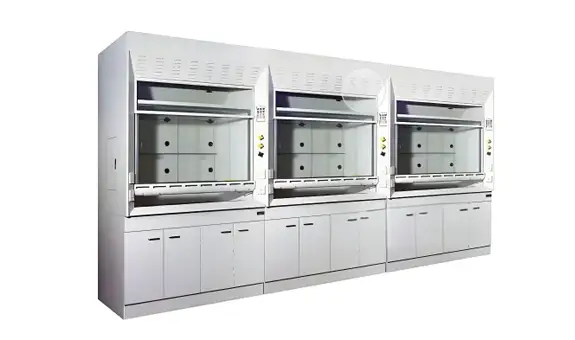
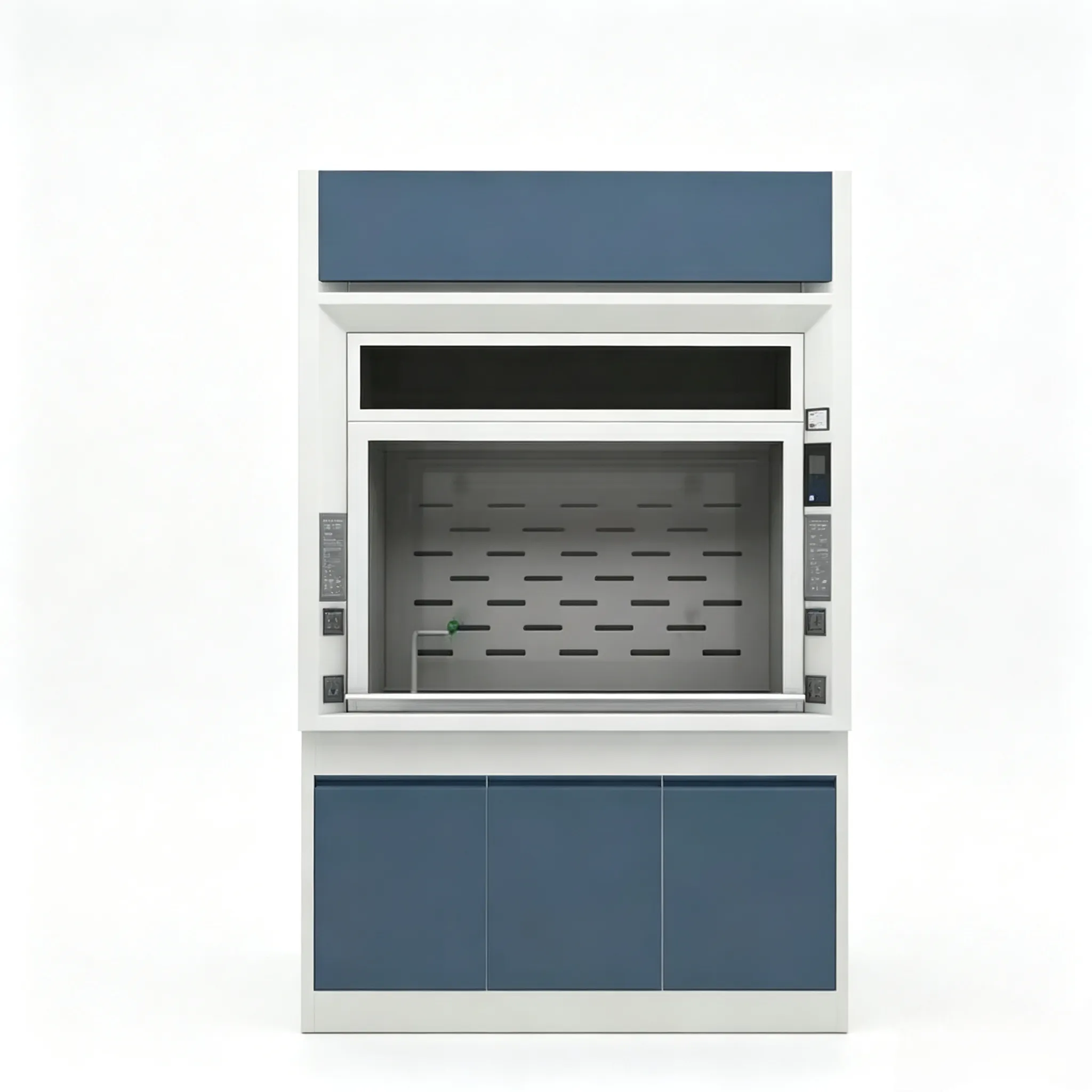
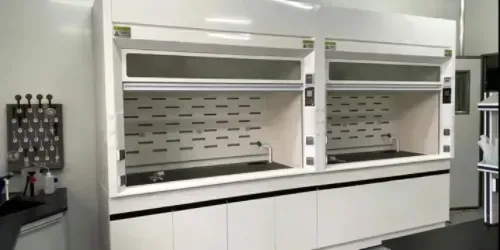
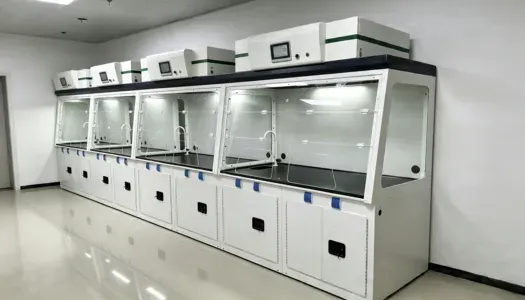
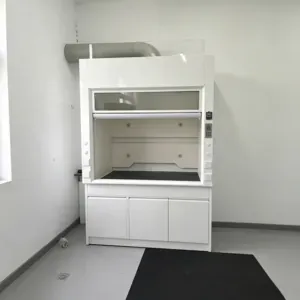
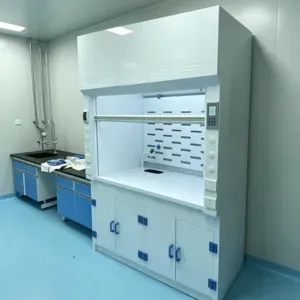
Fume Hood

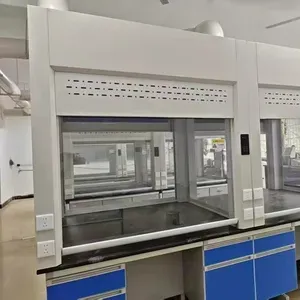
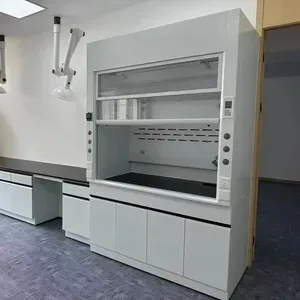
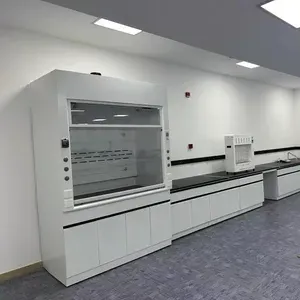
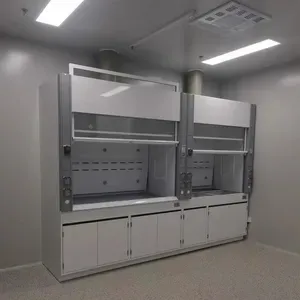
Fume hoods are a very important piece of equipment in cleanrooms, it is specifically designed to protect operator safety and maintain a clean environment.Ventilation is provided inside the cabinet to ensure that harmful fumes, vapors, gases, and particulate matter generated during the experiment do not harm the environment or personnel.Different types of fume hoods are used to address different usage scenarios, we offer a wide variety of fume hoods for you to choose from.

/uploads/allimg/20260718/1-260GQ45Z4Q9.webp

Need a reliable fume hood solution?

Our expert team designs high‑performance fume hoods to protect operators, control hazardous fumes, and keep your laboratory compliant and safe.

Types Of Fume Hoods

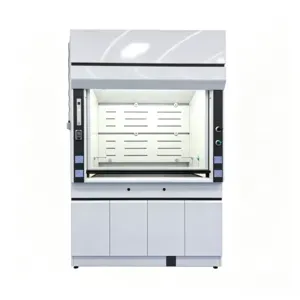
Explore Deiiang Fume Hoods engineered for stable face velocity, low leakage containment, and regulatory‑compliant safety in pharmaceutical, biotech, academic, and industrial laboratories.
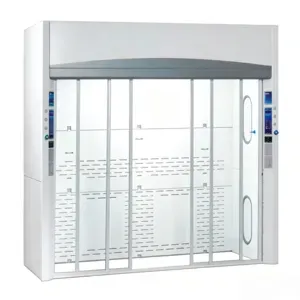
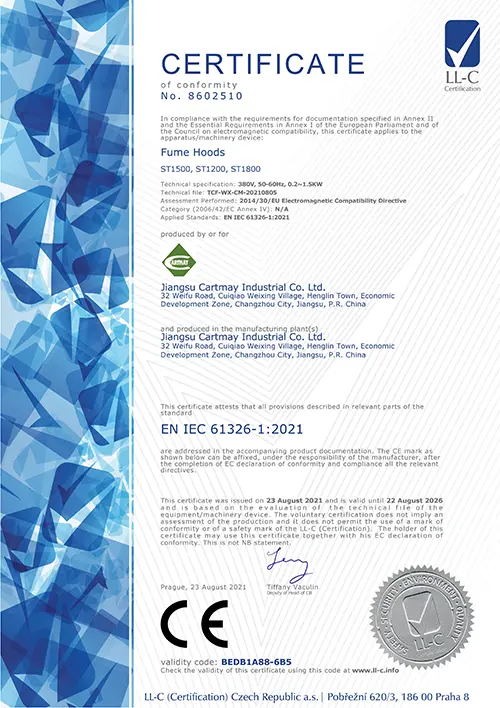
Discover high-performance steel fume hoods engineered for superior chemical ventilation, operator safety, and lab durability. Custom sizes, ducted & ductless options, CE-compliant design, and reliable global supply from a trusted China manufacturer.
Check the details
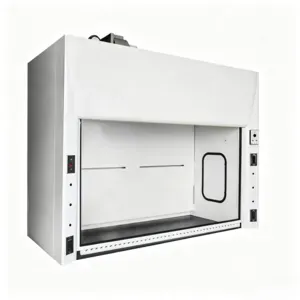
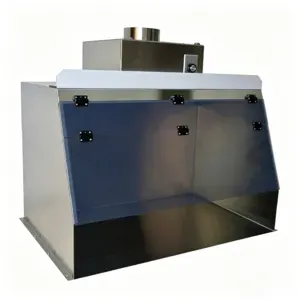
Discover Deiiang ductless fume hoods engineered for safe, flexible chemical handling without ductwork. Multi‑stage filtration, easy installation, and low energy use for modern laboratories and education, pharma, and R&D facilities.
Check the details
Discover premium stainless steel fume hoods engineered for demanding laboratories and industrial facilities. Corrosion‑resistant, easy to clean, and compliant with international safety standards for reliable toxic fume extraction and operator protection.
Check the details
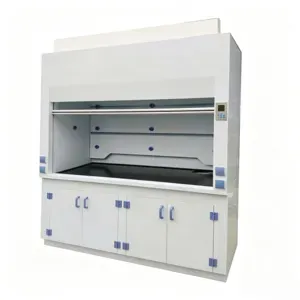
Discover corrosion‑proof PP fume hoods for laboratories. Polypropylene construction, ducted or ductless options, HEPA/carbon filtration, low noise, energy efficient, customizable, and compliant for safe chemical handling.
Check the details
Floor-Standing-Fume-Hood.webp
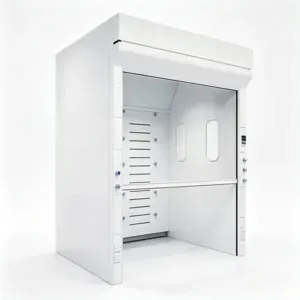
Floor Standing Fume Hood
Full‑size hood with base cabinet, ideal for most laboratory layouts.
Send inquiry Now
Benchtop-Fume-Hood.webp
Benchtop Fume Hood
Compact hood placed on a workbench for small‑scale operations.
Send inquiry Now
VAV-Fume-Hood.webp
VAV Fume Hood
Automatically adjusts airflow to maintain safety while saving energy.
Send inquiry Now
Chemical-Fume-Hood.webp
Chemical Fume Hood
General‑purpose hood for handling common chemical fumes and vapors.
Send inquiry Now
Ducted-Fume-Hood.webp
Ducted Fume Hood
Vented to building exhaust for reliable removal of hazardous fumes.
Send inquiry Now
Walk‑In-Fume-Hood.webp
Walk‑In Fume Hood
Large, floor‑level hood for tall equipment and large apparatus.
Send inquiry Now

Product Feature

Ducted-Fume-Hood-compare.webp
Ducted Fume Hood
VS
Ductless-Fume-Hood-compare.webp
Ductless Fume Hood

Ducted Fume Hood

Connects to the building exhaust system and physically vents fumes outdoors, which is still the “gold standard” for most hazardous chemical work.

Best for labs handling aggressive solvents, corrosive acids/bases, or unknown mixtures where you don’t want to rely only on filters.

Very robust from a safety perspective: if something unexpected is used, the system is more forgiving because contaminants are removed from the building, not recirculated.

Higher upfront cost and less flexibility: you need ductwork, coordination with facilities, and usually a fixed location in the lab layout.

Maintenance focuses on airflow, duct integrity, and fan performance rather than complex multi‑stage filtration, which many facility teams are already familiar with.

Ductless Fume Hood

Uses adsorption or specialty filters to capture contaminants and then returns cleaned air back into the room—no ductwork needed.

Ideal for low‑to‑moderate risk chemicals with well‑known properties and usage patterns, especially where building modifications are difficult or expensive.

Much easier to install and relocate: plug‑and‑play in many cases, which is attractive for leased spaces, teaching labs, and smaller R&D setups.

Requires strict chemical assessment and filter management: you need to know exactly what you’re using, check filter saturation, and follow a defined replacement schedule.

Lifecycle costs can be higher if filters are changed often, but for the right application they can offer a very practical, energy‑efficient alternative to a full ducted system.

Industry Applications

Pharmaceutical-Manufacturing-Fume-Hood.webp

Pharmaceutical Manufacturing

Deiiang chemical fume hoods and ducted fume hoods protect operators from highly active pharmaceutical ingredients while ensuring that operations comply with GMP cleanroom standards.The product has stable airflow and its usage process is adapted to your daily production needs.

Send inquiry Now
Biotechnology-Cell-Therapy-Fume-Hood.webp

Biotechnology & Cell Therapy

Our VAV and ducted fume hoods support sensitive bioprocesses, perfectly adapting to complex, high-risk sterile and preclinical laboratory layouts while controlling buffer and solvent evaporation gases.

Send inquiry Now
Chemical-R&D-and-QC-Labs-Fume-Hood.webp

Chemical R&D and QC Labs

Deiiang duct-connected fume hoods are designed to handle strong acids, strong alkalis, and mixed solvents, providing chemists with reliable containment and clear visibility while facilitating easy passage of safety audits and compliance with insurance requirements.

Send inquiry Now
Universities-&-Teaching-Laboratories-Fume-Hood.webp

Universities & Teaching Laboratories

Deiiang’s bench-mounted and floor-mounted fume hoods provide safe, user-friendly protection for teachers and students.Its control system is simple and intuitive, and its structure is robust and durable—sufficient to withstand the rigors of intensive daily teaching use.

Send inquiry Now
Hospitals-Clinical-Laboratories-Fume-Hood.webp

Hospitals & Clinical Laboratories

Our fume hoods help clinical laboratories safely handle fixatives, stains, and toxic reagents.While improving personnel protection and ventilation conditions, it is also suitable for the space-constrained environments of histology and pathology laboratories.

Send inquiry Now
Environmental-Contract-Testing-Labs-Fume-Hood.webp

Environmental & Contract Testing Labs

Deiiang fume hoods support a variety of experimental methods, from digestion and extraction to solvent handling, providing third-party laboratories with flexible airtight protection solutions that can withstand frequent audits and ever-changing testing requirements.

Send inquiry Now

How to Work With Us

Upload CAD File

Upload a CAD File

To start, simply select a manufacturing process and upload a 3D CAD file.

Get Quote with DFM

Get Quote with DFM

Within a few hours we'll send you design for manufacturability (DFM) analysis and real-time pricing.

Manufacturing Begins

Manufacturing Begins

Once you review your quote and place your order, we'll start the manufacturing process. We also offer finishing options.

Parts are Shipped

Parts are Shipped!

Our digital manufacturing process allows us to produce parts in as fast as 1 day.

ABOUT

Learn More About Deiiang Fume Hood

A fume hood is a vital piece of equipment used in laboratories to provide ventilation and contain hazardous fumes, vapors, gases, and particulate matter generated during experiments or chemical processes. It is designed to ensure the safety of laboratory personnel by directing these potentially harmful substances away from the user and into an exhaust system, preventing exposure to toxic or dangerous chemicals.

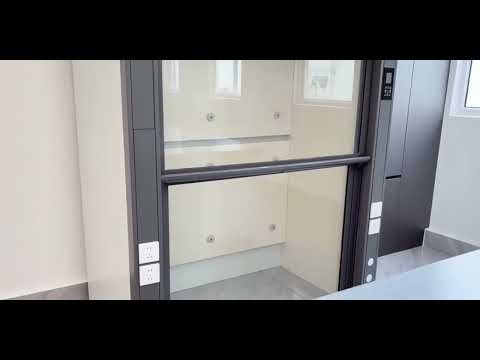
1pp49ipAr0E YouTube Video

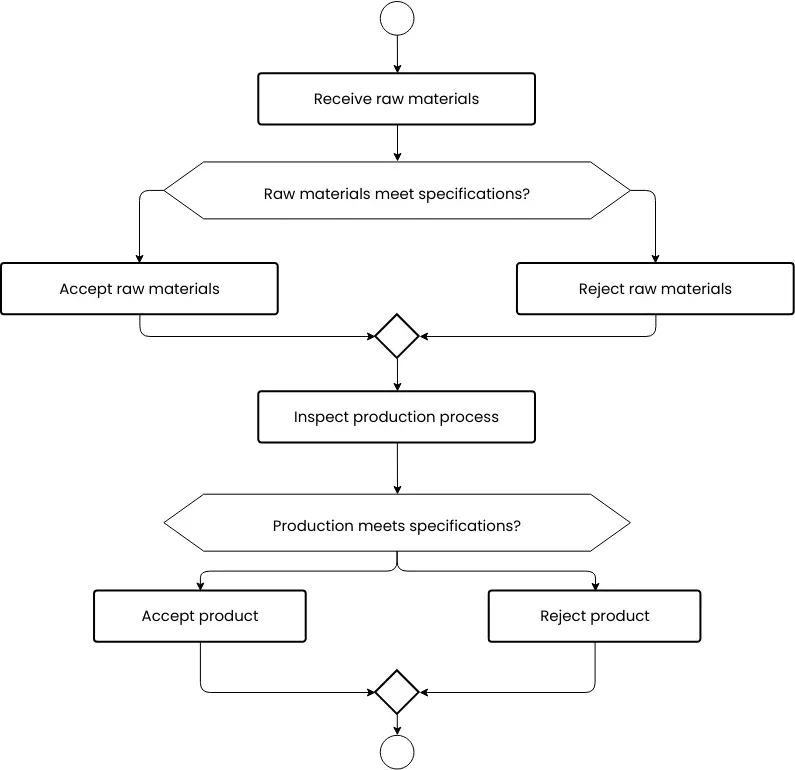
Deiiang Fume Hood Quality Control Flowchart

Customer feedback reflects our value—take a look at what our customers say about our products and services.

I have been using the Floor Standing Fume Hood I purchased for several months now, and it has been performing very stably without any malfunctions. The airflow is strong, the window moves up and down smoothly, and the noise level is very low during use. The equipment is also very well made. Overall, I am very satisfied with this collaboration with Deiiang.

Ethan Carter

I purchased a Benchtop Fume Hood and installed it in one of our small analytical labs. We are very satisfied with the results. This device occupies relatively little space, but its airflow intensity is not reduced as a result, and it is very uniform. There are a few other things I really like: the interior lighting is excellent, the sliding window operates smoothly, and the internal design makes cleaning very easy. Therefore, it is highly suitable for both routine sample processing and student training, and it perfectly meets our needs at a reasonable price.

Li Mingyu

The VAV fume hood I purchased is indeed effective at improving the laboratory environment. This product's variable airflow design is excellent, as it can minimize energy consumption while ensuring a safe airflow speed. Its control panel is clear and intuitive, alarm messages are straightforward, and noise levels have been significantly reduced compared to our previous constant air volume system.

Sofia Richter

We installed a Deiiang Chemical Fume Hood in the teaching laboratory. The product's operating system is extremely simple and intuitive, making it easy for even freshmen to get up to speed. Last week we conducted a large-scale experimental exchange class, running this Fume Hood from morning to night for several days in a row, but even so we did not smell any odor. Moreover, its phenolic resin surface can withstand some common acids and solvents very well, which we are very satisfied with.

Ahmed Nasser

Our plant needed a reliable device to handle the demands of continuous operation with corrosive and volatile chemicals, and after some consideration, we ultimately chose Deiiang's Ducted Fume Hood. During the time we used it for experiments, we found that its exhaust capacity remained strong and stable even during long-term reaction and heating experiments. This fume hood boasts industrial-grade structural quality, with sturdy and durable hinges and a smooth, flat door. For ducted ventilation systems, the noise level is acceptable, and maintenance is very convenient, making it easy for our technicians to operate. In conclusion, this is a durable fume hood that we can rely on in critical process flows.

Carla Dominguez

This Deiiang Walk-In Fume Hood is perfect for our large reactor. It offers spaciousness, a wide field of vision, even airflow, and easy installation. Everything has been working perfectly since day one. Five-star rating.

Kenji Mori
Frequently Asked Questions (FAQ)
What is a fume hood used for?

Fume hoods are our core laboratory safety product, designed to capture various hazardous fumes, vapors, toxic gases, and fine particles generated during laboratory chemical testing.

It draws contaminated air into the cabinet and then discharges the exhaust directly outdoors, or treats and reuses it through the filter components inside the fume hood equipment.

This design is excellent, as it ensures that operators do not inhale harmful chemicals while conducting experiments, and also prevents toxic substances in the air from contaminating the experimental samples.

What is the difference between a fume hood and an exhaust hood?

Purpose:

Fume hood: A piece of clean equipment specifically designed for laboratory environments. The core function is to avoid chemical hazards and prevent the spread of dangerous vapors and dust into the work area, thereby averting area contamination and personnel injury.

Exhaust hood: This is a general-purpose ventilation device. It is typically installed in restaurant kitchens or factory workshops, it is primarily used to exhaust excess heat, cooking fumes, and everyday odors. It should be noted that it cannot handle laboratory-grade toxic chemicals.

Design:

Fume hood: Equipped with a calibrated inward airflow system. Its structure can reliably confine toxic gases within the cabinet, and a dedicated filter module can be installed to capture chemical residues before exhaust gases are discharged.

Exhaust hood: Compared to fume hoods, its internal structure is relatively simple. It consists only of pipes that exhaust air to the outside, there is a lack of dedicated airtight isolation layers or chemical filtration designs.

Applications:

Fume hoods: Widely used in university laboratories, chemical plants, and medical testing facilities. Highly suitable for work environments where personnel frequently come into contact with corrosive chemicals, toxic chemicals, or biohazardous substances.

Exhaust hood: This is a type of ventilation equipment commonly found in commercial kitchens, assembly workshops, and similar locations. Such environments typically require only basic air circulation, so ventilation equipment does not need to have chemical safety protection features.

Safety Features:

Fume Hoods: All models come standard with a sliding glass viewing window (sash). This creates a physical barrier between operators and reactive chemicals, thus significantly reducing the risk of exposure.

Exhaust hood: It only has airflow function, is not equipped with a protective window, and does not have a negative pressure isolation design to prevent harmful substances from leaking into the room.

What is a fume hood used for in chemistry?

For any chemical laboratory, our fume hoods are an indispensable core piece of equipment.

Various types of chemical reactions generate volatile vapors, toxic dust, or corrosive gases. The main function of a fume hood is to capture these dangerous byproducts and prevent laboratory personnel from inhaling them.

Its working principle is very intuitive, that is to maintain a negative pressure state inside the fume hood. Airflow always flows from the laboratory to the cabinet opening, thus preventing pollutants from escaping and contaminating the entire laboratory space. Subsequently, the toxic gases will be completely expelled through the exhaust system.

Each fume hood we supply comes equipped with an adjustable glass window and an airflow monitoring panel. You can lower the viewing window to reduce contact with irritating chemicals, while the monitoring panel allows you to keep track of ventilation conditions at all times. Without this equipment, your chemical laboratory will not be able to meet workplace safety compliance standards.

When should you use a fume hood in chemistry class?

Whether it's teaching or conducting experiments, our fume hoods must be used whenever hazardous chemicals are involved.

This regulation applies to the handling of virtually all volatile solvents or toxic solid powders, as well as to any experiment that releases irritating or toxic gases. Therefore, you must strictly follow this rule when conducting chemical experiments.

And this is not just for the protection of laboratory personnel. Because chemical fumes spread extremely quickly, using a fume hood can confine these hazardous gases inside the hood, thus ensuring the safety of everyone in the shift.

What are the principles of fume hood?

All of our fume hood designs are centered around reliable hazard control and user safety.

The sliding glass window serves not only as an opening for the operator to reach in and perform tasks, but also allows for the adjustment of the opening size by sliding it up or down; additionally, it blocks splashes and harmful fumes generated by chemical reactions, preventing operator exposure.

Controlled inward airflow is its absolute core working principle, without exception. Our fume hood maintains a stable negative pressure inside the cabinet, with air continuously flowing from the laboratory environment to the fume hood opening. All toxic vapors generated during the experiment are drawn directly into the exhaust pipe to ensure they do not leak into the laboratory air.

In addition, do not neglect routine checks and maintenance. To ensure the long-term safe operation of the fume hood, the airflow rate must be checked regularly, and the filter cartridges must be cleaned or replaced as scheduled. We can provide a complete maintenance checklist and guide for all models. If routine maintenance is neglected, the equipment will completely lose its ability to capture hazardous substances.

What is the service life of a fume hood?

Based on my industry experience and the testing of our fume hood products, I can guarantee that the fume hoods we manufacture will operate reliably for 15 to 25 years under standard laboratory usage conditions.

Several key factors can significantly affect the lifespan of a fume hood. Among these factors, the quality of the raw materials used in manufacturing the product, the frequency of daily use, and whether maintenance is performed on time and as required play a decisive role. Therefore, please persist in daily cleaning and replace consumables in a timely manner, which will help extend the life of the equipment.

In addition to what I just mentioned, daily operations are also crucial. Improper operation can accelerate the aging of the internal structure and cause premature failure of safety features. When the equipment has been in use for 15 years, we recommend that you arrange for technicians to conduct a comprehensive airflow and pollutant control performance test. If the ventilation efficiency is below safety standards, we can provide you with upgrade parts or a complete unit replacement solution.

What is the difference between a fume hood and a biosafety cabinet?

Customers unfamiliar with cleanroom products often confuse these two types of equipment, but I want to tell you here: Although they are both ventilation equipment, their core protective functions are quite different, so they cannot be simply equated.

Fume hoods are designed to protect operators from chemical hazards. It can completely remove all toxic solvent vapors, corrosive fumes, and chemical particles generated during the experiment from the experimental area, this prevents harmful substances from circulating and spreading within the work area, thereby reducing risk.

The biosafety cabinets we provide are primarily intended for handling bacteria and viruses. It provides dual protection, safeguarding laboratory personnel while preventing cross-contamination of the biological samples inside. An internal HEPA filter captures airborne pathogens, preventing infectious agents from escaping the cabinet while maintaining the sterility of experimental cultures. Any procedure involving bacteria, viruses, or cell cultures requires the use of a biosafety cabinet rather than a standard fume hood.

How to choose Fume Hood?