+86 13638632902
 Jason@cleanroomequips.com


 MENU
MENUX











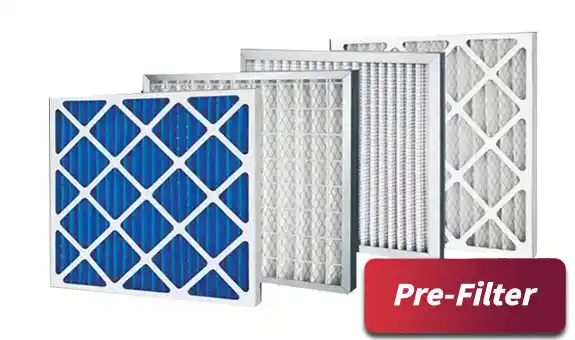
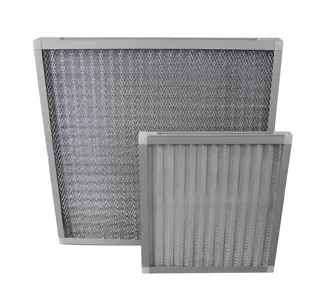
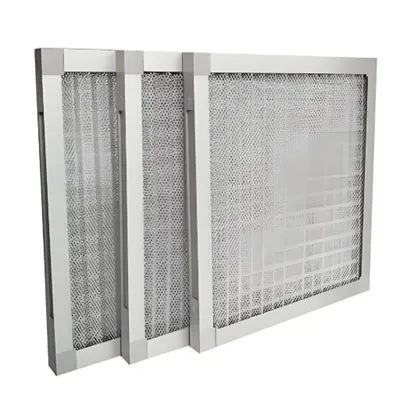
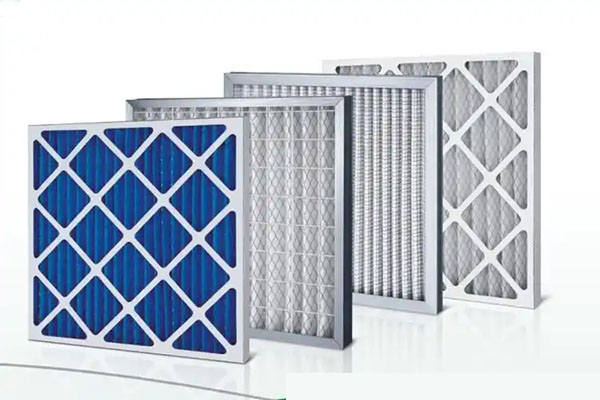
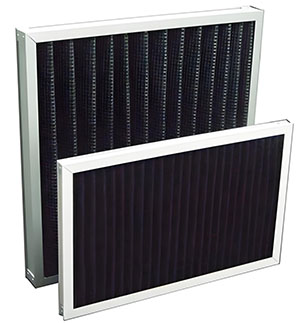
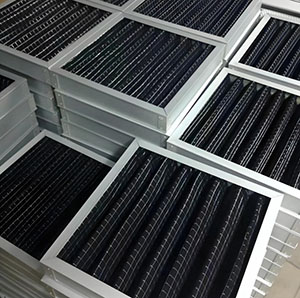
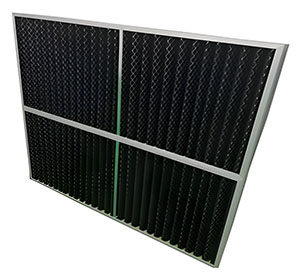
Pre-filters are among the most important filters in HVAC systems. The pre-filter has the biggest impact on the efficiency and reliability of your air cleaning system, including your medium filter and HEPA filter. Deiiang pre-filters are designed to capture coarse dust and fibers while maintaining low resistance and a large dust holding capacity.
We provide commercial and residential air ventilation systems, industrial air filtration systems, air inlet filters for equipment, and grade high quality air pre-filters to hospitals, laboratories, and food and beverage grade environments where health, audit control, and the highest standards are required and accepted as the first stage before critical HEPA filters.
Our professional team provides one-stop, customized pre-filter solutions to protect your main filters, extend system life, and match your exact application needs.
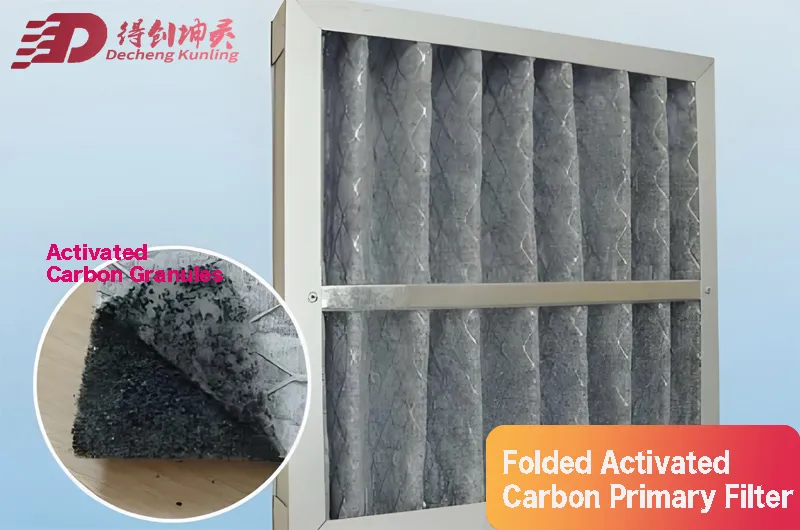
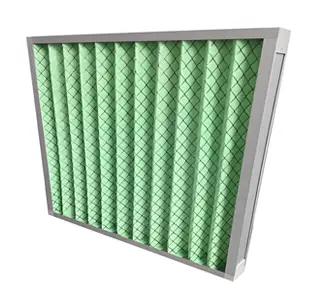
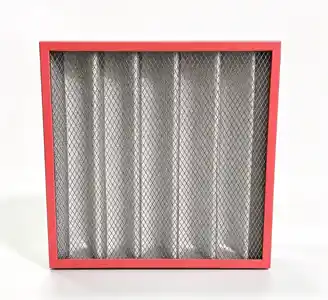
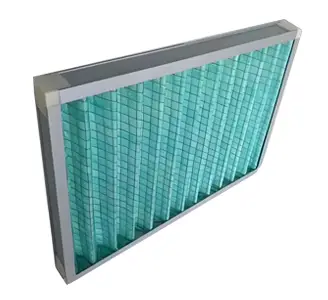




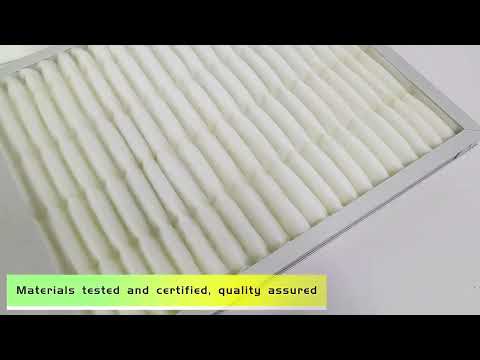
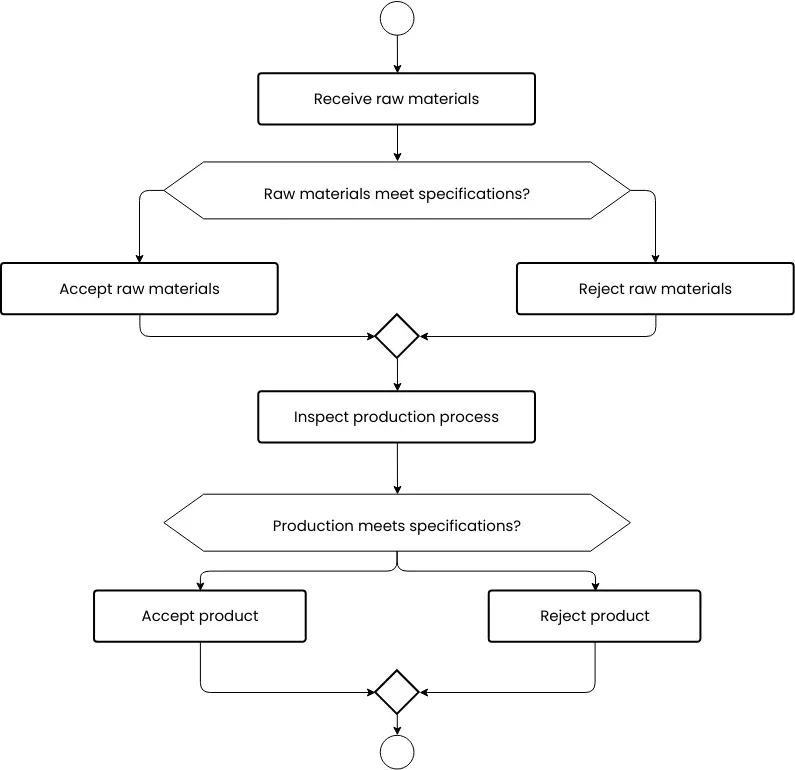
Deiiang Pre-Filter Quality Control Flowchart
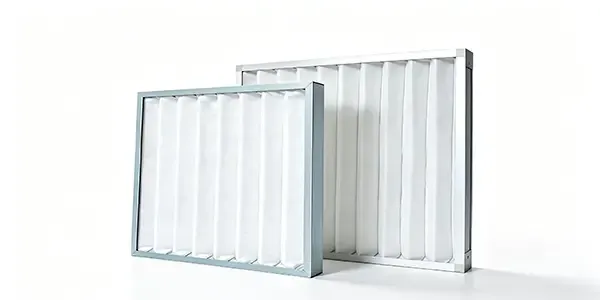
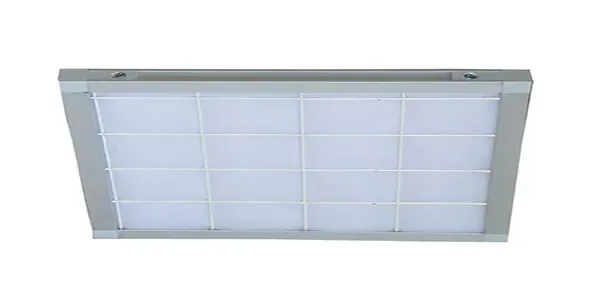
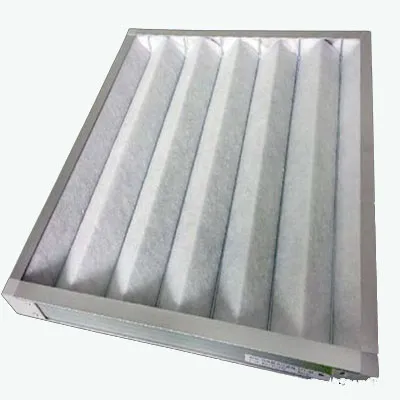
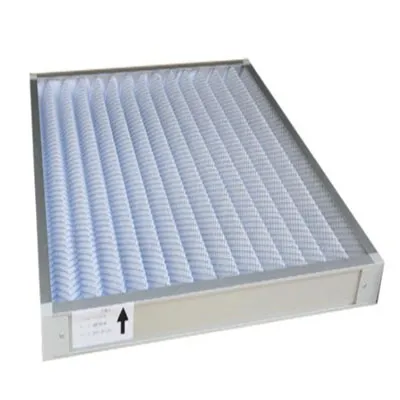
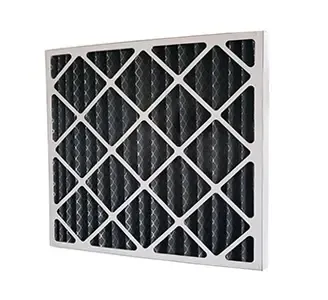
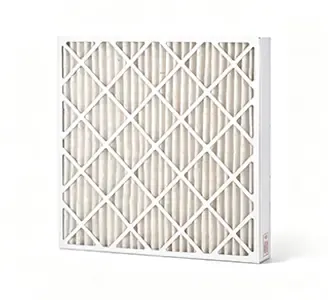
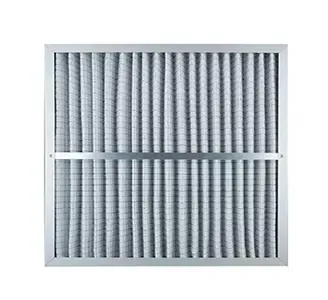
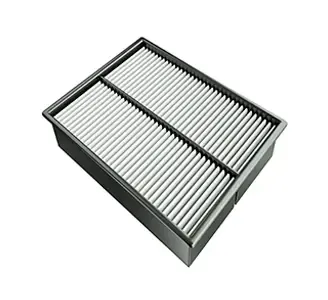
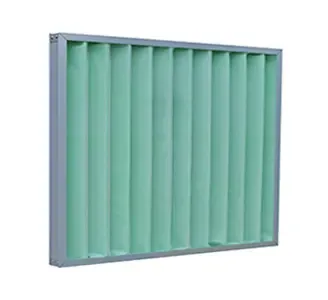
Pre-Filters of the pleated and panel type are used as the first filter in HVAC systems. While there are large differences in the areas of application for these two filter types, both can be used very well in a wide range of applications.
Structure and Media: Folded media expands the overall filtration area. This practical design boosts dust capacity and slows down filter soiling in daily operation.
Performance: The expanded filtration surface area allows for the uniform retention of a greater volume of particulate matter, resulting in both improved efficiency and an extended service life.
Applications and Cost: Use for dirty sites and long hours of HVAC equipment operation. The cost of filtration is slightly more up front than some other solutions but will save so much in energy cost and in repair cost in the long run.
Structure and Media: Made with flat or lightly pleated media, this Pre-Filter boasts a simple structure, making installation and replacement incredibly easy.
Performance: The filter gives a simple and reliable basic filtration with low initial resistance. It is prone to blockage however with high levels of dust.
Applications and Cost: Suitable for small AHUs and low-dust areas. It’s the perfect pick for budget-limited projects and devices with short daily operating hours.
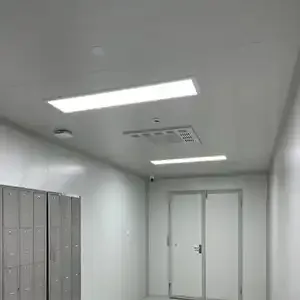
G4 Pre-Filters protect equipment such as air conditioning coils and HEPA filters, stabilizing pressure differentials and blocking external contaminants. They also perfectly meet compliance requirements and are compatible with GMP standards.
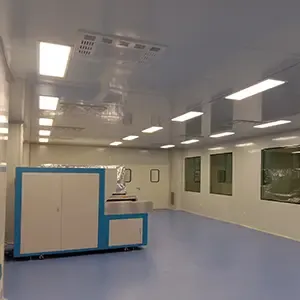
Pleated Pre-Filters are often used in applications such as ICU and isolation ventilation. They are designed to capture coarse dust and fluffy debris to protect your HEPA filter.
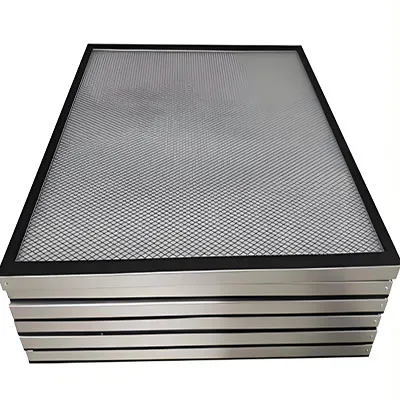
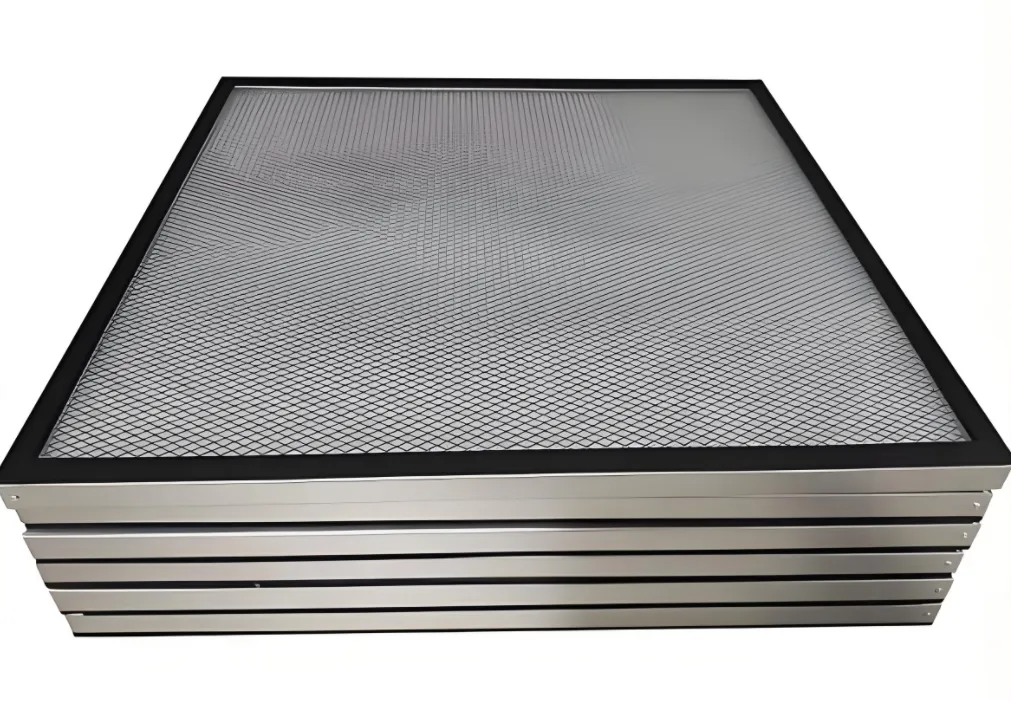
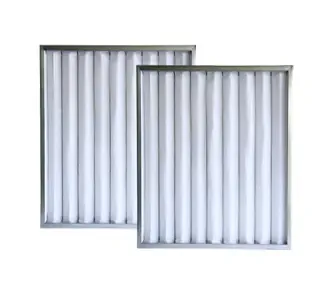
Our Pre-Filters for FFUs and terminal HEPA units, made from Synthetic panels, are designed to cushion sudden particle surges which could be very problematic for very sensitive production plant.
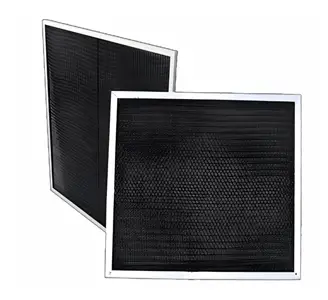
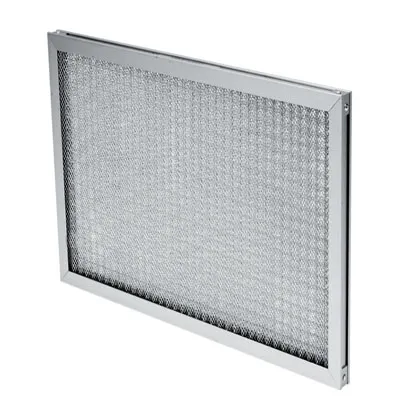
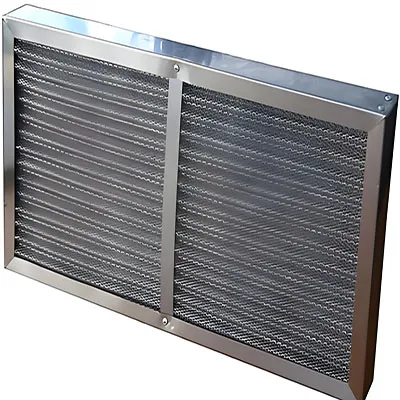
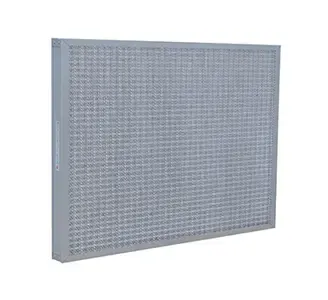
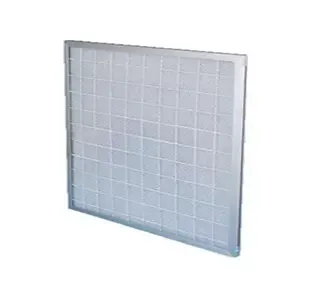
Reusable metal mesh pre-filters make routine hygiene inspections in food processing plants more convenient because they can act as the first line of defense at the air inlet.
HVAC pre-filters can intercept large particulate contaminants before they enter the HVAC filter, reducing equipment downtime caused by clogging and ensuring that the laboratory maintains a cleanliness level.
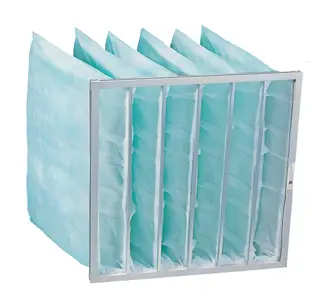
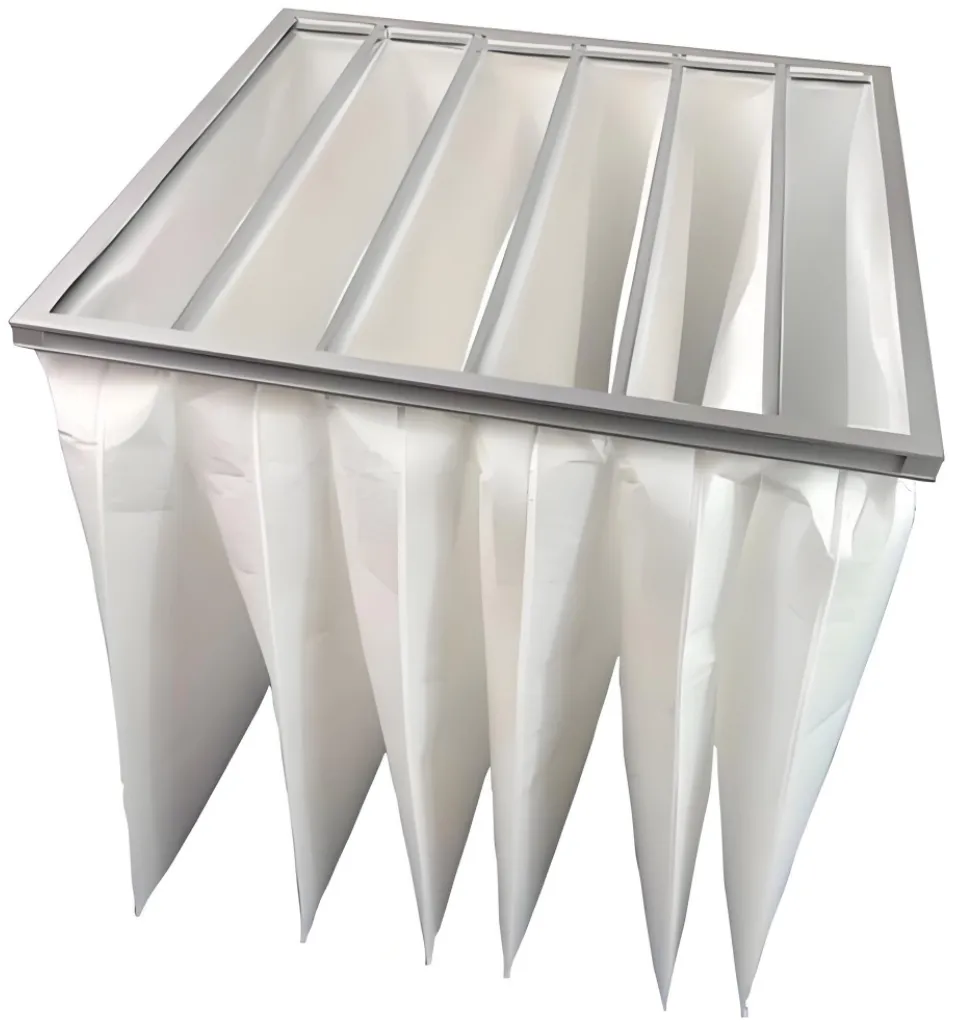
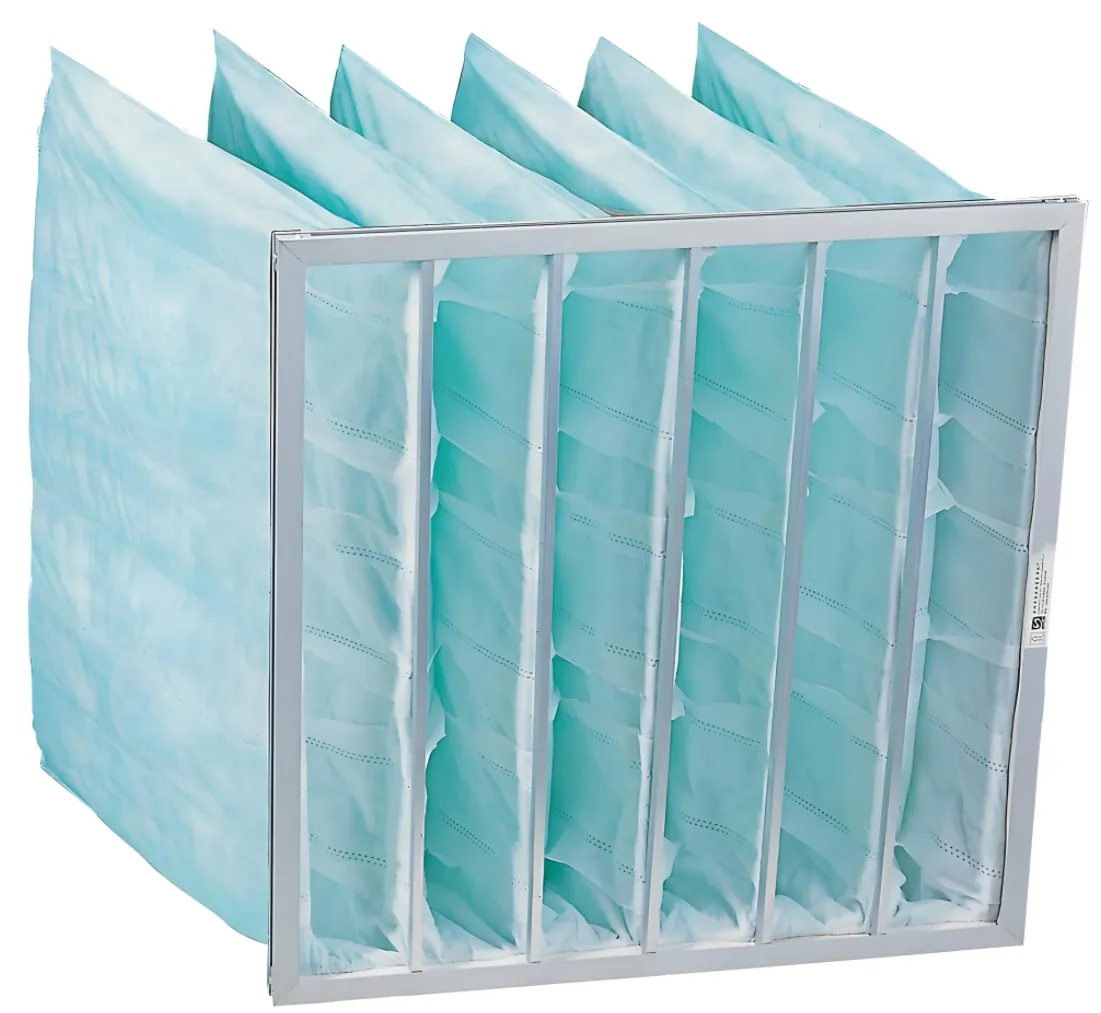
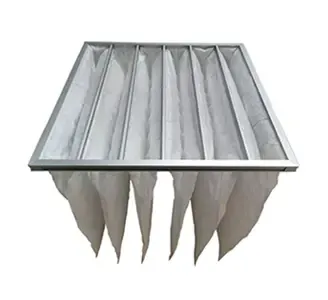
Pocket Pre-Filters have a large dust capacity, which can trap most coarse dust, reducing the air purification burden on downstream medium and high efficiency filters and reducing the frequency of filter replacements.
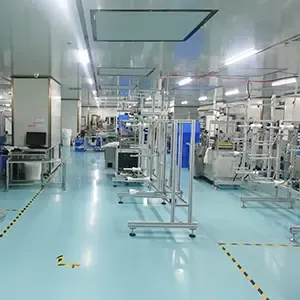
Pleated and panel Pre-Filters trap floating powder and fine fragrance particles, slowing down premature clogging of all downstream filter stages.

Synthetic pre-filters can handle primary filtration, reducing the load on downstream high-efficiency filters and enabling proper ventilation throughout the sterile area.

Submit your product requirements, including specifications, parameters, quantity, certification requirements, etc.

We will confirm your detailed requirements within a few hours and develop a preliminary design based on them.

Once you review your quote and place your order, we'll start the manufacturing process. We also offer finishing options.

Our digital manufacturing process allows us to produce parts in as fast as 1 day.
A pre-filter is typically the first filter that air goes through when it travels through your HVAC system.
A high-quality pre-filter captures large amounts of dust, hair and other large objects before they can penetrate to the medium filters, HEPA filters or cooling coils. By collecting these objects a pre-filter greatly improves basic indoor air quality and extends the life of expensive heating and cooling equipment by preventing it from becoming clogged. The benefits of good air filtration extend to homes, stores and manufacturing plants.
The pre-filter is your first line of defense as it captures the larger dust, pollen and even lint from clothing prior to it entering your coils, duct work and even your premium filter cartridges to prevent clogging.
Medium-efficiency and HEPA filters are more expensive than pre-filters. But a pre-filter can extend the life of these more expensive filters, save you money on replacements, and help to stabilize duct work resistance which in turn can save energy by reducing the load on your ventilation fans.
Standard air handlers with disposable pre-filters need replacements every 1 to 3 months. Sites with heavy dust buildup will need more frequent changes.
Certain filter models offer larger dust holding capacity for longer service cycles. Reusable washable filters need regular rinsing, but full replacement is required once the frame or filter media wears out.
Yes. A pre-filter removes coarse dust and visible grime thereby reducing airborne as well as surface contamination which in itself enhances normal indoor air quality.
Pre-filters are designed to deal with the larger, rougher particles and only remove coarse dust and visible grime to reduce airborne and surface contamination for normal indoor air quality.
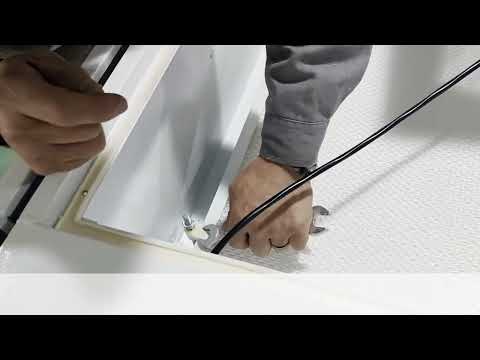
For best performance, turn off your entire HVAC system, remove the old filter and install the pre-filter by first aligning it according to the airflow arrows on the filter and making sure all edges are properly sealed to prevent unfiltered air from bypassing the pre-filter.
When choosing the right pre-filter for your HVAC system you can’t just look at the size of the filter and the cost. You also need to consider the layout of your HVAC system, dust level on site, and whether downstream filters are installed horizontally or vertically.
1. Define System Position and Goal
Determine the installation location and main job of the pre-filter, such as protecting coils or a high‑efficiency air filter. This will define the required filter class, construction, and acceptable pressure drop range.
2. Check Dust Load, Airflow, and Pressure Drop
Pleated and pocket pre-filters are ideal for very dusty sites or long running periods. They offer high dust holding capacity and low resistance, helping save fan energy and keep airflow stable.
3. Match Efficiency with Downstream Filters
Choose proper grades such as G4 or similar primary class. If the match is wrong, downstream filters wear out faster and you end up paying extra for unnecessary replacements and energy use.
4. Choose the Right Structure and Media
Select a filter type that fits your environment: metal mesh filters for harsh or oily conditions, synthetic panel filters for standard HVAC use, and pocket filters for very large air ventilation systems needing long life.
5. Confirm Size, Frame, and Sealing
Deiiang custom sizes allow the pre-filter frame to fit your existing equipment precisely, helping avoid air leakage and removing the need for on‑site fine-tuning during installation.
6. Request Documentation and Lifecycle Support
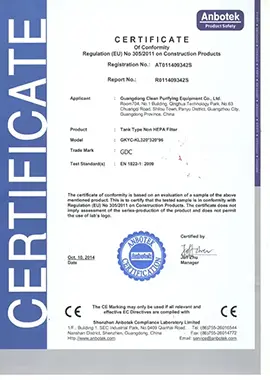
Deiiang can supply product test reports and filter replacement guidance, helping customers plan maintenance, support audits, and control long‑term operating costs for their air systems.