wap_menu MENU
X
Trusted by
companies like
FLIR Logo 1
electrolux Logo 3
abb Logo 4
bmw Logo 5
i-dent Logo 6
SINOPEC Logo 7
CATL Logo 8
INOVANCE Logo 9
EVE Logo 10
HONDA Logo 11
FOXCONN Logo 12

Food Cleanroom Core Specifications

Food Cleanroom Core Specifications
ISO 14644 Cleanroom Classification (ISO 5–8)HACCP, FDA & EU Food Safety Compliance
HEPA / ULPA Filtration for Food-Grade Air CleanlinessAirflow, Temperature & Humidity Control for Food Processing
Washable, Food-Grade Wall, Ceiling & Floor MaterialsCleanable, Corrosion-Resistant Stainless Steel Interfaces
Modular Cleanroom Design & Fast Installation Lead TimeIntegrated Airlocks, Gowning & Material Transfer Systems
Environmental & Microbiological Monitoring CapabilityValidation, Documentation & Audit-Ready Records

Fastest, Most Comprehensive GMP Cleanroom Manufacturer.

25+ Years,       700M Parts,
300K Clients
100% of Fortune 100 Auto Companies.
100
Auto Leader.

Applicable industries and scenarios

Dairy, meat and poultry, ready-to-eat (RTE) foods, bakery, beverage, infant formula, and high-risk chilled products. Typical areas: high-care / high-risk zones, slicing & packaging, mixing & filling, fermentation, cold storage and dispatch. Core risks: Listeria, Salmonella, allergen cross-contact, foreign bodies, and microbial spoilage affecting shelf life and brand trust.

Microbial contamination icon

Microbial Contamination & Shelf-Life Loss

Moist, nutrient-rich environments and open product exposure allow Listeria, Salmonella, and molds to proliferate. Poor air hygiene and uncontrolled traffic shorten shelf life and trigger costly product withdrawals.

Cleaning validation icon

Allergen Cross-Contact & Labeling Risk

Inadequate segregation of allergen and non-allergen lines (e.g., nuts, dairy, gluten) causes invisible cross-contact. A single undeclared allergen trace can lead to recalls, lawsuits, and retailer delisting.

Personnel gowning icon

Cleaning, Wash-Down & Hygienic Design Gaps

Hard-to-clean corners, exposed fixings, and non-food-grade finishes trap residues and moisture. Even with aggressive CIP/COP and foam cleaning, design flaws create microbial harborage points that survive disinfection.

Data integrity icon

Particles, Condensation & Foreign-Body Hazards

Flaking paint, rust, plastic chips, and condensation droplets from ceilings or ducting can fall into open products. These foreign bodies frequently trigger retailer complaints and third-party audit nonconformities.

HVAC icon

Temperature, Humidity & Airflow Instability

Uncontrolled temperature, RH, and pressure cascades between low-risk and high-risk areas cause condensation, biofilm formation, and airborne contamination. Door openings and poor zoning disrupt hygienic airflow patterns.

Raw material bioburden icon

People, Traffic Flow & Hygiene Compliance

Staff movement between raw and ready-to-eat zones, inconsistent handwashing, and poor gowning discipline remain major contamination routes. Inadequate hygiene stations and zoning design make SOPs hard to follow in practice.

Hygienic HVAC & Airflow Control

Hygienic HVAC & Airflow Control

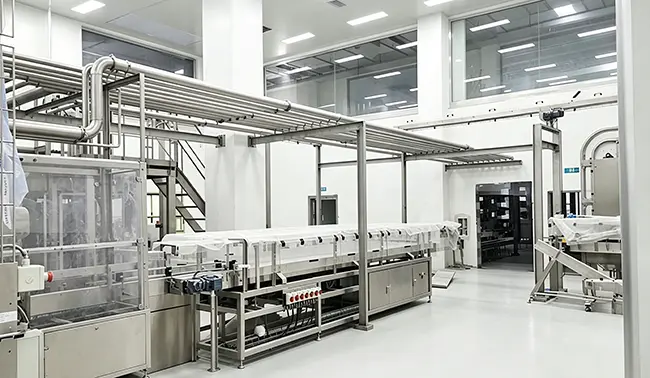
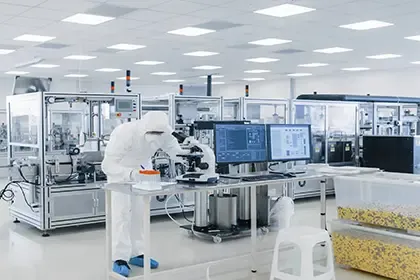
Food Cleanrooms are designed for high risk food and beverage environments. Temperature, humidity and pressure are controlled in order to produce a stable hygienic environment around open product to reduce the microbial and particle load in critical areas of production.

Learn More
  • Multi‑stage filtration with H13/H14 HEPA at supply air, supporting ISO 7–8 / high‑care food areas.

  • Positive pressure gradients between high care zones and lower risk zones to prevent backflow of airborne contamination.

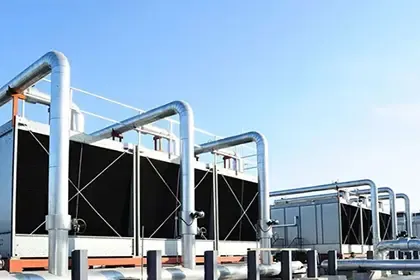
  • Save on HVAC energy by using an energy-efficient fan in combination with heat recovery while maintaining the appropriate conditions.

Hygienic HVAC & Airflow Control.webp
Food-Grade Materials & Construction

Food-Grade Materials & Construction

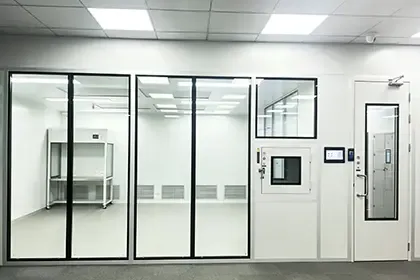
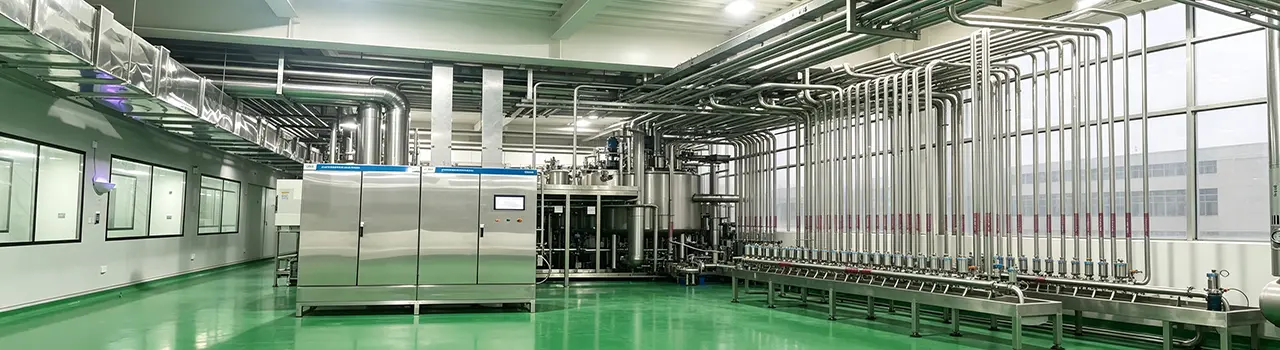
We build cleanrooms with food‑grade, washable, and corrosion‑resistant materials that withstand frequent wash‑downs, foaming, and disinfectants. A smooth non-porous finish helps to prevent harbourage points ensuring food safety compliance to global schemes.

Learn More
  • Our sandwich panels and covings have smooth surfaces and sealed joints to prevent grime and moisture accumulation.

  • Stainless steel doors, trims, and fixtures for high‑risk / wet zones and intensive sanitation.

  • Chemical-resistant sealants and coatings for regular cleaning and disinfection.

Food-Grade Materials & Construction.webp
Zoning, Personnel & Product Flows

Zoning, Personnel & Product Flows

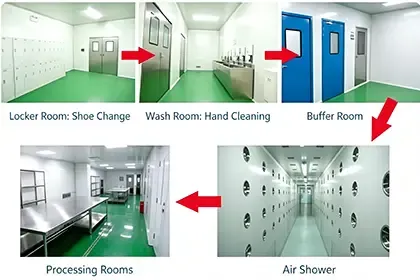
Food cleanrooms can optimize factory areas, streamline logistics and personnel flow, and reduce the risk of cross-contamination. From the raw material area to the food processing (RTE) area, logical flow channels can be designed for personnel, products, and packaging materials, complying with HACCP standards and retail industry operating procedures.

Learn More
  • Segregated low‑risk, high‑care, and high‑risk zones with dedicated access points

  • Defined personnel and material flows with airlocks, hygiene stations, and change areas

  • Integrated pass‑throughs and transfer hatches to separate raw and RTE product streams

Zoning, Personnel & Product Flows.webp
Environmental & Microbiological Monitoring

Environmental & Microbiological Monitoring

We support the implementation of monitoring programs that give real‑time visibility of air quality and hygiene performance. Environmental and microbiological data help you verify control, trend issues early, and demonstrate compliance to auditors.

Learn More
  • It can monitor suspended particle concentration and cleanroom differential pressure in critical high-protection areas.

  • Depending on product type and risk level, it can customize two types of testing solutions: microbial contact surface sampling and air sampling.

  • It provides data recording and reporting tools to help customers identify risks in advance, avoid food cross-contamination risks, and pass various third-party audits.

Environmental & Microbiological Monitoring.webp
Contamination & Allergen Control

Contamination & Allergen Control

Food Cleanrooms are designed and operate to control microbiological, physical and allergenic hazards. All hazards are prevented from causing cross‑contact and foreign‑body ingress to support the HACCP and retailer technical standards.

Learn More
  • Dedicated allergen and non‑allergen areas with controlled equipment and utensil segregation

  • Ceilings, lighting, and fixtures that are hygienic to prevent flakes, condensation, and drips.

  • Validated cleaning and changeover processes to ensure removal of all allergens and bio‑active materials.

Contamination & Allergen Control.webp

Technical Resources

Total 0 resources

Fastest, Most Comprehensive GMP Cleanroom Manufacturer.

25+ Years,       700M Parts,
300K Clients
100% of Fortune 100 Auto Companies.
100
Auto Leader.

Case Center

A food cleanroom is a food-grade environment where production of food and beverages takes place. Within this environment, airborne particles and microorganisms are kept under control, as well as temperature and humidity. By dividing up the space into different zones and by using the right materials and airfiltration, the risk of contamination is kept to a minimum and the shelf life of food products is increased. In this way, food products are produced that consistently meet the requirements of HACCP, ISO 14644 and other food safety requirements worldwide.

Learn more about Deiiang cleanrooms

Frequently Asked Questions (FAQ)
What is a food cleanroom?

A food cleanroom is a controlled environment specifically engineered for the processing and packaging of food and beverages. It maintains low levels of airborne particles and microorganisms to protect product safety, shelf life, and brand reputation. These facilities typically comply with ISO 14644 and food GMP requirements, using HEPA filtration, controlled airflow, and hygienic construction materials.

Why is airflow management so important in food cleanrooms?

Airflow determines where particles and microorganisms travel. In food cleanrooms, well-designed airflow:

  • Uses HEPA-filtered supply air to remove particles and microbes

  • Maintains positive pressure to keep unfiltered air out of high-risk areas

  • Directs air from clean zones to less clean zones (never the reverse)

  • Minimizes turbulence around open product and critical operations

Continuous monitoring and periodic balancing of the HVAC system are essential to keep this performance stable over time.

How do temperature and humidity affect food safety and quality?

Prevent microbial growth:

Controlled temperature and humidity slow or prevent the growth of bacteria, yeasts, and molds on products and surfaces.

Ensure texture and flavor consistency:

Stable conditions help maintain product structure, mouthfeel, and taste, especially for baked goods, confectionery, and dairy.

High humidity risks:

Promotes condensation, biofilm formation, mold growth, and packaging damage—leading to spoilage and shorter shelf life.

Low humidity risks:

Can cause static electricity, dust re-suspension, cracking or drying of certain products, and challenges in handling powders.

Well-designed food cleanrooms define temperature and relative humidity setpoints by product type and validate that these limits support both food safety and quality.

What are the most common contaminants in food cleanrooms?

Airborne particles:

Dust, fibers, and packaging fragments that can settle on open products or enter packaging.

Microorganisms:

Bacteria, yeasts, and molds carried by people, air, water, raw materials, or equipment.

Chemical residues:

Traces of detergents, disinfectants, and lubricants remaining after cleaning if rinsing and verification are inadequate.

Effective contamination control combines air filtration, hygienic zoning, validated cleaning procedures, and routine environmental monitoring.

How are food cleanrooms designed to prevent cross-contamination?

Preventing cross-contamination is a core design principle in food cleanrooms. Key measures include:

  • Clear separation of areas: raw material intake, processing, high-care / high-risk, and finished product packaging

  • Dedicated personnel and material flows, with separate routes where needed

  • Use of airlocks, interlocked doors, and sometimes air showers between zones

  • Pressure cascades that push clean air from high-care to lower-risk areas

  • Allergen segregation (e.g., clear separation of nut, dairy, gluten lines)

These design features are supported by strict procedures for gowning, hand hygiene, changeover, and sanitation.

Why are GMP standards critical for food cleanrooms?

GMP (Good Manufacturing Practice) provides a structured framework to ensure food products are consistently produced and controlled. In the context of food cleanrooms, GMP helps to:

  • Define clear, documented procedures for hygiene, cleaning, maintenance, and changeovers

  • Reduce variability in production and minimize opportunities for contamination

  • Demonstrate control to regulators, certification bodies, and major retailers

  • Support compliance with HACCP plans, ISO standards, and local food safety regulations

Robust GMP implementation is often a prerequisite for third‑party certifications and customer approval.

What do HEPA filters do in food cleanrooms?

HEPA (High Efficiency Particulate Air) filters are the core of cleanroom air cleanliness. They:

  • Remove at least 99.97% of airborne particles ≥ 0.3 microns

  • Capture dust, spores, many bacteria, and product-derived particles

  • Help stabilize environmental conditions by supplying consistently clean air

To maintain performance, HEPA filters require:

  • Correct installation and sealing

  • Regular integrity testing (e.g., leak tests)

  • Scheduled replacement based on pressure drop, test results, and operating hours

Which materials are typically used to build food cleanrooms?

Stainless steel:

Used for high-risk contact areas, doors, frames, covings, and fixtures due to its corrosion resistance and cleanability.

Smooth, non-porous panels and finishes:

Reduce particle adherence, prevent moisture absorption, and allow effective cleaning and disinfection.

Food-grade materials and sealants:

Compliant with food contact and hygiene regulations; resistant to common cleaning chemicals and high humidity.

Material selection is validated to withstand routine wash-down procedures without degrading or creating harborage points.

How does personnel behavior impact food cleanroom hygiene?

Even in a well-designed cleanroom, people are often the largest contamination source. Hygiene performance depends on:

  • Comprehensive training on gowning, handwashing, and movement in high-care areas

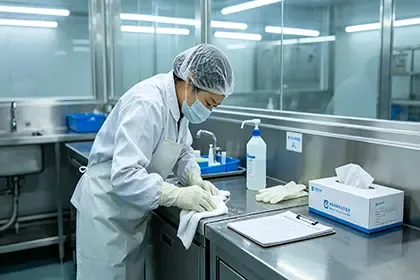
  • Appropriate protective clothing (hairnets, beard covers, gloves, smocks, footwear) and correct use

  • Controlled access and zoning rules to prevent unnecessary traffic between raw and ready-to-eat areas

  • Culture and supervision that reinforce good habits and quickly correct deviations

Effective programs combine training, visual standards, monitoring (e.g., hygiene audits), and continuous reinforcement to keep behavior aligned with cleanroom requirements.

Home

PHONE

Email

Inquiry