wap_menu MENU
X
Trusted by
companies like
FLIR Logo 1
electrolux Logo 3
abb Logo 4
bmw Logo 5
i-dent Logo 6
SINOPEC Logo 7
CATL Logo 8
INOVANCE Logo 9
EVE Logo 10
HONDA Logo 11
FOXCONN Logo 12

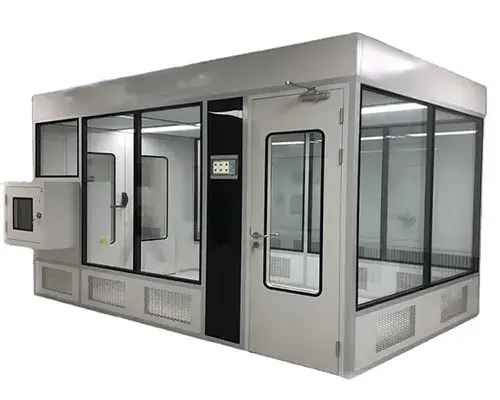
Hardwall Cleanrooms

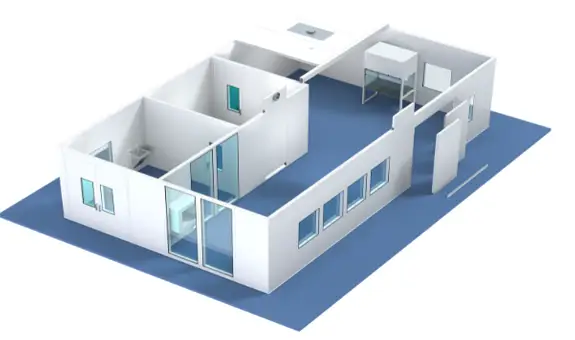
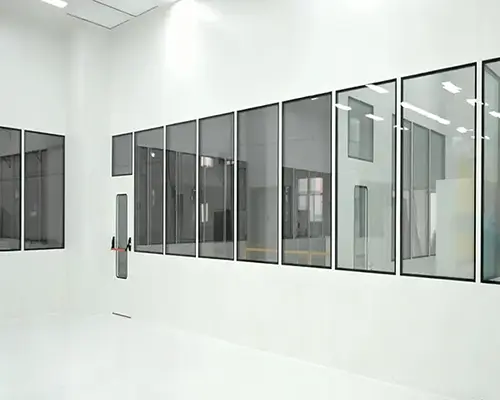
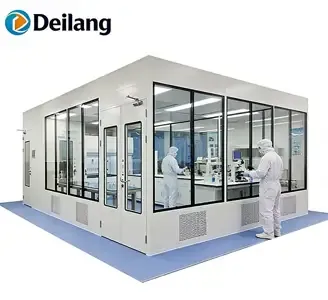
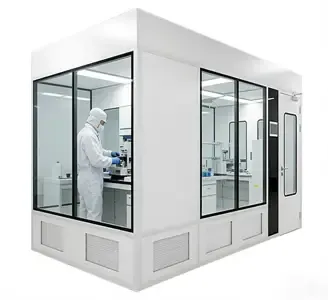
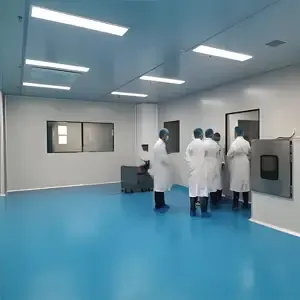
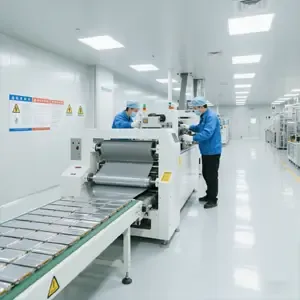
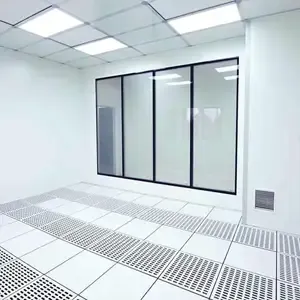
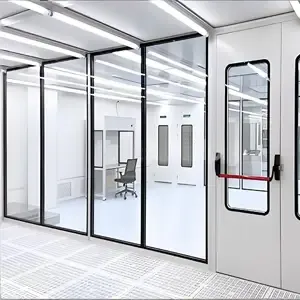
Hardwall Cleanrooms are specialized environments designed to maintain strict control over contamination, temperature, humidity, and other critical factors. Unlike softwall cleanrooms, which use flexible materials for walls, hardwall cleanrooms are constructed with rigid materials, providing durability and stability. They are commonly used in various industries, including pharmaceuticals, biotechnology, electronics, and aerospace.

  • ISO Class(ISO 14644): ISO 5,ISO 6,ISO 7,ISO 8

  • Airflow type : laminar/turbulent

  • Air changes per hour (ACH) : Conversion based on different levels

  • Pressure differential : positive/negative, Pa

  • Filtration level : HEPA/ULPA

  • Temperature & humidity : Customized according to industry requirements

  • Construction materials/surfaces : ESD-safe, easy-clean

/uploads/allimg/20260718/1-260GP95013527.webp

Need a Hardwall Cleanroom overall Solution?

Our professional team provides one-stop, customized modular hardwall cleanroom solutions to meet your specific needs.

List of hardwall Cleanroom

High cleanliness, intelligent control, modular assembly, customizable, and fast logistics.
Positive Pressure Hardwall Cleanroom
protects product from ingress.
Send inquiry Now
Negative Pressure Hardwall Cleanroom
safe containment of hazards.
Send inquiry Now
Temperature & Humidity Controlled Hardwall.webp
Temperature & Humidity Controlled Hardwall
tight RH/°C stability.
Send inquiry Now
ESD-Safe Hardwall Cleanroom.webp
ESD-Safe Hardwall Cleanroom
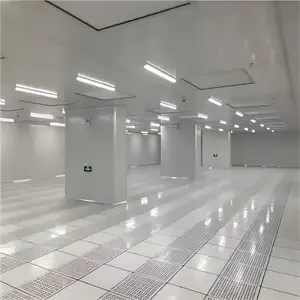
conductive floors, grounded panel.
Send inquiry Now
ISO 7 Hardwall Cleanroom.webp
ISO 7 Hardwall Cleanroom
stable and versatile.
Send inquiry Now
ISO 8 Hardwall Cleanroom.webp
ISO 8 Hardwall Cleanroom
cost-effective, reliable background cleanliness.
Send inquiry Now
ISO 6 Hardwall Cleanroom.webp
ISO 6 Hardwall Cleanroom
tight particle control ISO 6.
Send inquiry Now
ISO 5 Hardwall Cleanroom.webp
ISO 5 Hardwall Cleanroom
high-purity, laminar flow critical steps.
Send inquiry Now

Product Feature

Deiiang aims to design and create hardwall cleanroom products that offer high cleanliness, superior quality, intelligent operation, low energy consumption, and low noise.

Multi-Core Cleanroom Panels

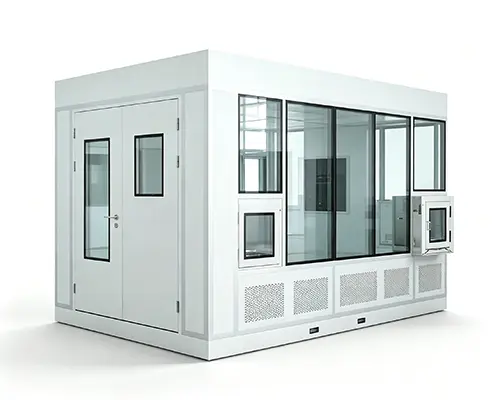
Wide core material selection: rock wool, magnesium oxide rock wool, silica rock wool, hollow magnesium oxide paper honeycomb, aluminum honeycomb, polyurethane, and stable foam. Panels feature a flat surface with no visible bumps, straight-cut edges, and no burrs.

Steel Cleanroom Doors

Thickened, wear-resistant, and with excellent sound insulation. One-piece molded design with a double-layer tempered glass window. Hardware and locks are made of high-quality stainless steel with electrostatic spray coating. Fitted with stainless steel hinges and an automatic drop-down bottom seal.

Double-Glazed Windows

Window frames are available in aluminum alloy or 304 stainless steel. Glass is 5mm 3C-certified tempered steel with four-edge fine grinding. Equipped with a stainless steel inner liner and desiccant ports to effectively prevent condensation.

Modular AHU System
Modular AHU System

Features a high-quality cooling coil with seamless copper tubes and hydrophilic aluminum fins for rapid heat exchange. Centrifugal fan delivers high airflow with low noise. Dynamic frequency conversion ensures energy-efficient operation, and the modular design allows for easy assembly.

PLC Control System
PLC Control System

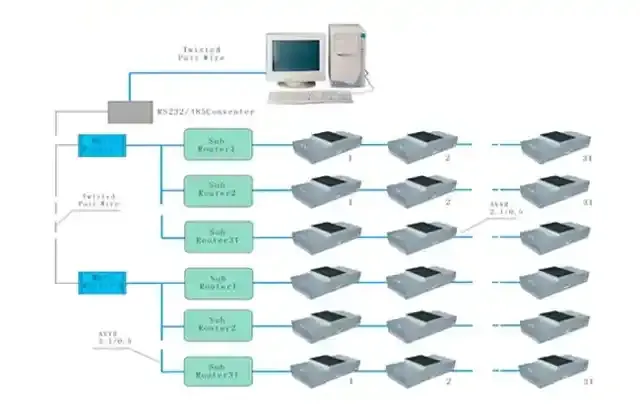
High-sensitivity sensors capture real-time data on cleanroom temperature, humidity, and differential pressure. A central controller collects sensor data, performs strategic analysis, and sends commands to actuators to adjust temperature, airflow speed, and valve opening angles.

LED Cleanroom Lights

Made of high-quality die-cast aluminum with a premium surface finish. The diffusion light guide plate offers high light transmission with no dark areas. The sealed body prevents insect and dust ingress. High-brightness LED chips provide soft, eye-friendly illumination, and seamless screw covers ensure a neat appearance and easy cleaning.

Ultra-Quiet FFU
Ultra-Quiet FFU

Equipped with a DC motor for ultra-low noise operation at just 52±3 dB. Offers three adjustable airflow speeds and a plug-and-play design. Features a H14 HEPA filter with 99.99% efficiency at 0.3μm, insulated handles, and full corner guards to prevent wear and enhance stability.

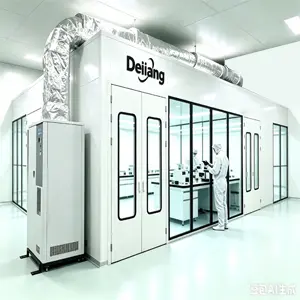
GMP Standard Air Shower

Deiiang air shower is constructed from 1.0mm stainless steel for strong corrosion resistance and meets HACCP/GMP certification requirements. High-quality controller components, a dedicated fan with copper windings and high insulation class ensure stable operation. Features laser-cut, CNC-machined panels with smooth welds and thick leak-proof seals.

Hardwall Cleanroom VS Softwall Cleanroom

Soft-wall Cleanroom.webp
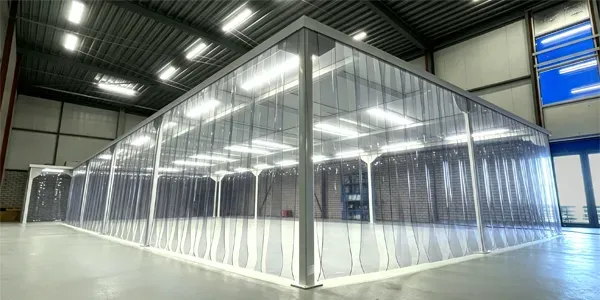
Softwall Cleanroom
VS
Modular hardwall cleanroom.webp
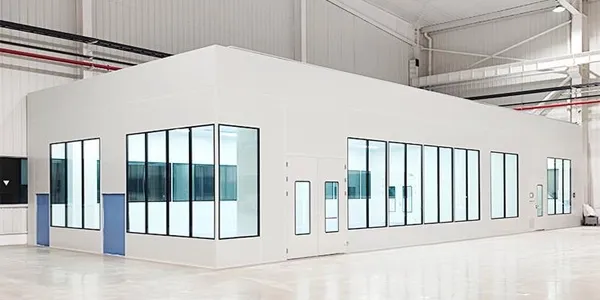
Hardwall Cleanroom

Both softwall and hardwall cleanrooms reduce particulate contamination; however, a soft-wall cleanroom is essentially a flexible clean tent, whereas a hard-wall cleanroom is a sturdy, permanent structure subject to much stricter environmental control standards.

Softwall cleanroom – key points
Light frames with bendable PVC curtains, quick to put up and shift
Low cost, quick installation, and localized improvement in cleanliness level.
Perfect for R&D, electronics assembly, temporary or frequently adjusted layouts

Hardwall cleanroom – key points
Hard-wall cleanroom panels typically consist of sandwich panels—available in thicknesses of 50, 75, or 100 mm—filled with fire-resistant materials such as rock wool. These panels offer fire resistance and thermal insulation, making them suitable for environments with strict temperature requirements, such as the pharmaceutical, food, and health supplement industries


Industry Applications

Electronics Assembly Hardwall Cleanroom.webp

Semiconductor & Electronics Assembly Hardwall Cleanroom

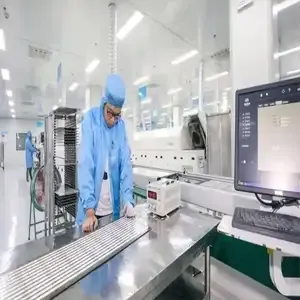
Controls particles, ESD, and airflow for lithography, bonding, and SMT; rigid panels hold pressure steady, achieving ISO 5–7 with H14 HEPA and continuous monitoring.

Send inquiry Now
Precision Instruments Hardwall Cleanroom.webp

Optics & Precision Instruments Hardwall Cleanroom

Prevents haze and micro-scratches; low vibration, stable laminar flow; clean, matte surfaces; supports ISO 5 optical assembly, metrology, and alignment.

Send inquiry Now
Life Sciences R&D Hardwall Cleanroom.webp

Biotech & Life Sciences R&D Hardwall Cleanroom

For cell culture and assays; segregated rooms, VHP-compatible finishes; reliable pressure cascades and monitoring to support compliant biosafety workflows.

Send inquiry Now
Medical Device Manufacturing Hardwall Cleanroom .webp

Medical Device Manufacturing Hardwall Cleanroom

Supports molding, assembly, packaging; validated ISO 7/8 zones, traceable materials; DQ/IQ/OQ accelerates qualification and audits under ISO 13485 and FDA.

Send inquiry Now
EV Components Hardwall Cleanroom .webp

Automotive Electronics & EV Components Hardwall Cleanroom

Battery, inverter, sensor lines; rigid partitions stabilize humidity and particles; integrates ESD flooring, FFUs, BMS alarms to cut defects and downtime.

Send inquiry Now
Advanced Materials Hardwall Cleanroom .webp

3D Printing & Advanced Materials Hardwall Cleanroom

Contains powders and fumes; smooth panels clean fast; HEPA capture and segregated bays improve surface quality and operator safety without major rebuilds.

Send inquiry Now
 Defense Assembly Hardwall Cleanroom.webp

Aerospace & Defense Assembly Hardwall Cleanroom

Avionics, optics, composites; stable pressure, low outgassing materials; modular zones adapt quickly while enforcing strict FOD control.

Send inquiry Now
Pharmaceutical Support Areas Hardwall Cleanroom .webp

Pharmaceutical Support Areas Hardwall Cleanroom

Weighing, compounding, secondary packaging; pressure cascades, easy-clean walls; GMP-ready ISO 8 with documented monitoring and clear SOPs.

Send inquiry Now

Deiiang Hardwall Cleanroom Materials & Components

Key structures and auxiliary equipment behind stable airflow, cleanability and safety.

Air Cooled Chiller.webp

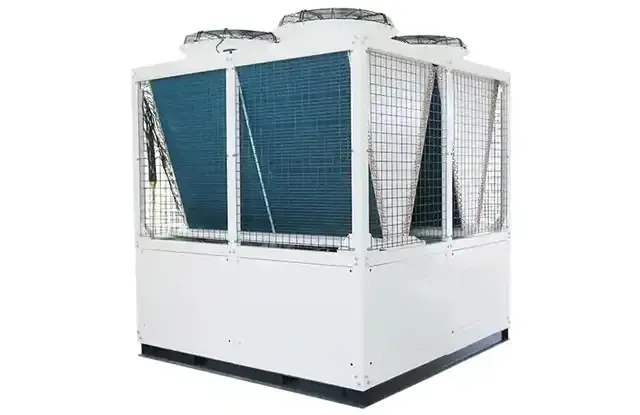
HVAC SYSTEM Cold source

Air Cooled Chiller

  • Full-condition operation: Operates from -26℃ to 55℃, with a 20% performance improvement under extreme conditions

  • Full-frequency inverter energy saving: Dual IPLV (Level 1) for both cooling and heating, with a comprehensive IPLV energy saving rate of up to 26%

  • All-scenario adaptability: Suitable for comfort, advanced technology, year-round cooling, and high-intensity heating at low temperatures

  • Simple exterior design: Fully concealed design with four-sided three-dimensional air return

  • Simplified system structure: Single compressor design with optimized refrigerant piping

  • Easy user experience: Compatible with all modular units, user-friendly control panel, one-button operation (optional), data management, and worry-free after-sales service

Send inquiry Now

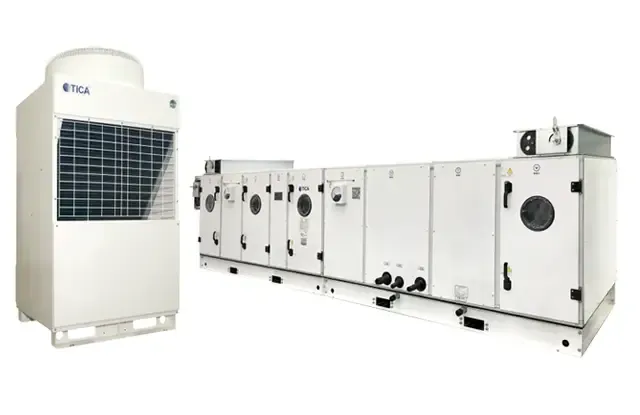
Direct Expansion AHU

Combined Air Handling Unit

  • High Efficiency and Energy Saving: The outdoor unit can provide cooling independently or hot water in winter, reducing the use of electric heating in winter and achieving high energy efficiency.

  • Easy Installation and Lower Investment: Comes with refrigerant pre-installed; piping is simpler than a water system, resulting in high installation efficiency.

  • Adaptable to Extreme Conditions: Numerous technologies ensure stable cooling and heating under extreme conditions.

  • Stable and Reliable Operation: High-quality components combined with professional controls.

  • Control Panel: Newly upgraded with a simple and stylish human-machine interface. Flexible control options, allowing for both modular and open control.

Send inquiry Now
Direct Expansion AHU.webp
FAN FILTER UNITS.webp

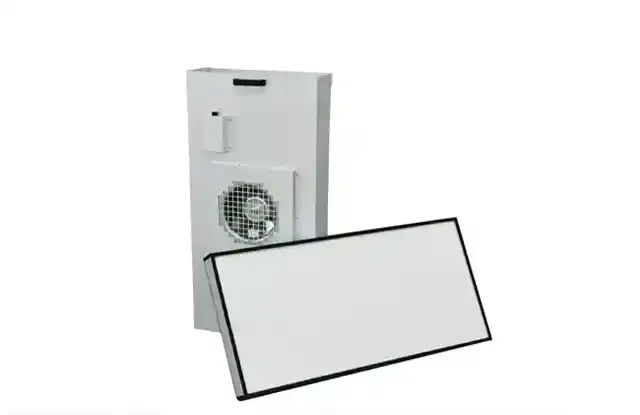
FAN FILTER UNITS

AC & DC FFUs for Stable Airflow

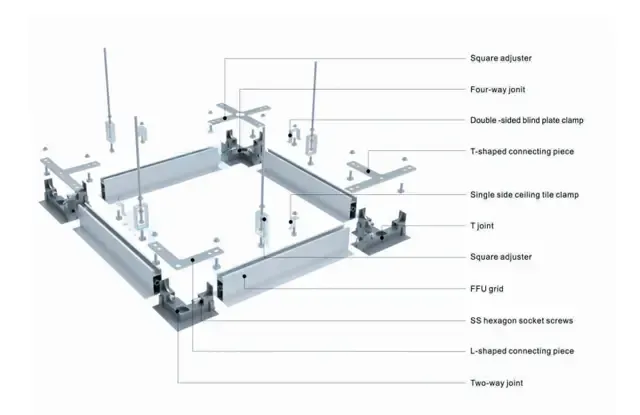
Deiiang CleanBooth uses high‑efficiency FFUs to deliver laminar flow and stable ISO classes over key work areas.

  • Types: AC FFU and energy‑saving DC FFU

  • Standard sizes: 575×575, 1175×575, 1175×1175 mm

  • Built‑in HEPA/ULPA filters, low vibration and low noise

  • Supports speed control, group control and future system upgrades

Send inquiry Now

CONTROL PANEL

CleanBooth Control & Monitoring

The control system panel centralizes fan, lighting and alarm control, helping operators keep airflow and energy use under control.

  • On/off and speed control for individual or grouped FFUs

  • Lighting control, emergency stop and basic alarm indication

  • Options for pressure, temperature and humidity display

  • Expandable interface for BMS or cleanroom central monitoring

Send inquiry Now
softwall cleanroom Control & Monitoring.webp

Ventilation Times (ACH)

ISO ClassACH (Air Changes Per Hour)
ISO 3360 - 540
ISO 4300 - 540
ISO 5240 - 480
ISO 650 - 60
ISO 730 - 40
ISO 815 - 25

How to Work With Us

Upload CAD File

Upload a CAD File

To start, simply select a manufacturing process and upload a 3D CAD file.

Get Quote with DFM

Get Quote with DFM

Within a few hours we'll send you design for manufacturability (DFM) analysis and real-time pricing.

Manufacturing Begins

Manufacturing Begins

Once you review your quote and place your order, we'll start the manufacturing process. We also offer finishing options.

Parts are Shipped

Parts are Shipped!

Our digital manufacturing process allows us to produce parts in as fast as 1 day.

ABOUT

Learn More About Deiiang Hardwall Cleanrooms

q5o9cIkEOIw YouTube Video

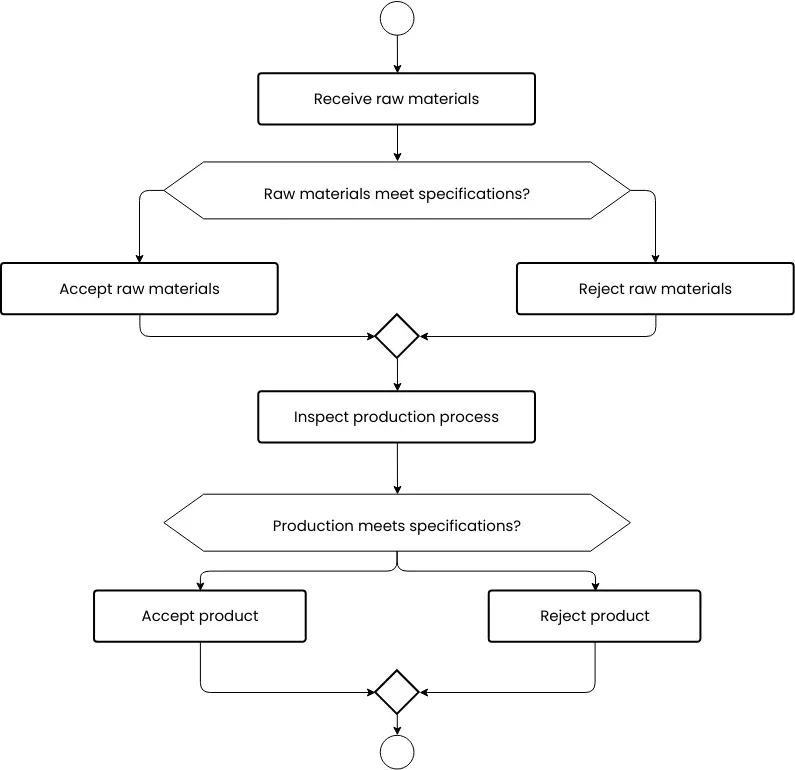
Deiiang Hardwall Cleanrooms Quality Control Flowchart

traffic-cone-quality-control-flowchart.webp

Response within 24 hours

Customer feedback reflects our value—take a look at what our customers say about our products and services.

Frequently Asked Questions (FAQ)
What is a hardwall clean room?

A hardwall clean room is a controlled environment designed to prevent the contamination of sensitive processes, equipment, and products. Constructed with rigid, solid walls, these rooms provide stability and are equipped with advanced filtration systems, environmental controls, and strict cleanliness standards. They are ideal for industries like pharmaceuticals, biotechnology, and electronics, where the integrity of products must be safeguarded against contaminants.

Description:

A hardwall clean room features durable and solid walls, as opposed to flexible, soft walls used in other types of clean rooms. It ensures a stable environment by controlling air quality, temperature, humidity, and particle contamination levels. The sealed structure provides better control over cleanliness, making it suitable for high-precision industries.

Key Features:

Hardwall clean rooms typically include high-efficiency particulate air (HEPA) or ultra-low penetration air (ULPA) filters to maintain air purity. The environment within the clean room is carefully regulated through HVAC systems that control air flow, temperature, and humidity. Hardwall clean rooms can meet various cleanliness standards such as ISO 14644-1 and are designed for industries that require stringent conditions.

How does a hardwall clean room differ from a softwall clean room?

1. Structural Differences:

The primary distinction between a hardwall and softwall clean room lies in their construction. Hardwall clean rooms have rigid, solid walls, providing greater structural stability and better control over environmental conditions. In contrast, softwall clean rooms use flexible curtains or panels, which are easier to modify but offer less contamination control.

2. Contamination Control:

Hardwall clean rooms provide superior contamination control. The solid walls are less likely to allow air leakage, making it easier to maintain positive pressure and reduce particle contamination. Softwall rooms, while easier to assemble, can be prone to more contamination risks due to the flexibility of their walls.

3. Flexibility and Cost:

While hardwall clean rooms are often more expensive and less flexible in design changes, they are ideal for applications requiring high cleanliness standards. Softwall clean rooms are more cost-effective and flexible, suitable for temporary needs or industries with less stringent requirements.

4. Applications:

Hardwall clean rooms are typically used in industries that demand strict regulatory compliance, such as pharmaceuticals, medical device manufacturing, and aerospace. Softwall clean rooms are often preferred in less regulated environments or where flexibility and portability are important.

Can hardwall clean rooms be customized for specific applications?

Customization Options: Yes, hardwall clean rooms can be highly customized for various applications.

Design Flexibility: Custom design features such as specific air filtration systems, wall materials, and size can be incorporated to meet application needs.

Size Adjustments: Hardwall clean rooms can be built in different sizes to fit particular processes or equipment.

Compliance Specifications: Customization helps meet industry regulations, ensuring the clean room meets specific cleanliness standards.

Material Selection: Materials such as stainless steel, aluminum, and specialized coatings can be chosen based on chemical or physical requirements.

Technology Integration: Advanced monitoring and automation systems can be integrated into the design to provide real-time data and ensure consistent environmental control.

Hardwall clean rooms are highly versatile, making them ideal for specific applications that require customization for cleanliness, compliance, and technological integration.

What kind of air filtration systems are used in hardwall clean rooms?

HEPA Filters:

Hardwall clean rooms commonly use High-Efficiency Particulate Air (HEPA) filters to trap particles as small as 0.3 microns, ensuring the air remains contaminant-free.

ULPA Filters:

Ultra-Low Penetration Air (ULPA) filters are used in the most stringent environments, capturing even smaller particles with an efficiency of 99.999% for particles as small as 0.12 microns.

How to ensure compliance with cleanroom regulations in a hardwall clean room?

Ensuring compliance with cleanroom regulations such as ISO 14644-1 or GMP standards is essential for industries that require stringent cleanliness. This involves designing the room according to the necessary class, continuous monitoring, and adherence to procedures.

Regular Monitoring and Validation:

Regular air quality checks, temperature, and humidity monitoring are crucial. Validation of systems like filtration and airflow ensures compliance with cleanliness levels. Monitoring equipment should be calibrated regularly to maintain accurate readings.

Training and Procedures:

Employees should be trained in proper cleanroom protocols, including gowning procedures, cleaning, and equipment handling. Strict adherence to these protocols helps minimize contamination risks.

Documentation:

Maintaining detailed records of testing, cleaning, and maintenance activities is essential for compliance audits and regulatory inspections.

Maintenance and Audits:

Scheduled maintenance of HVAC and filtration systems ensures continued operation. Regular audits help verify the clean room's performance and adherence to regulations.

What is the installation process for a hardwall clean room?

1. Planning and Design:

The installation of a hardwall clean room begins with comprehensive planning, where the requirements for the cleanroom are defined based on the industry and application. The clean room design layout, size, filtration systems, and environmental control systems are specified.

2. Site Preparation:

The site must be prepared to meet structural and environmental needs. This may include reinforcing the floor, electrical work, and installing plumbing if required.

3. Construction Phase:

Construction typically involves assembling prefabricated walls, floors, and ceilings, followed by the installation of air handling systems, filtration units, and HVAC systems.

4. Final System Setup:

Once the structure is in place, the air filtration and HVAC systems are calibrated, and environmental controls are integrated to ensure proper functioning.

5. Certification and Testing:

After installation, the clean room undergoes thorough testing to verify that it meets the required cleanroom ISO class and regulatory standards. This includes particle count tests, airflow checks, and pressure differential tests.

6. Commissioning:

Once everything is verified, the clean room is commissioned for use, and all necessary documentation is completed for compliance purposes.

7. Relevant International Standards:

Installation processes must adhere to international standards such as ISO 14644, which defines cleanroom classifications, and GMP (Good Manufacturing Practice) for pharmaceutical or food industry applications.

How do you control temperature and humidity in a hardwall clean room?

HVAC Systems: The primary method of controlling temperature and humidity in a hardwall clean room is through the HVAC system, which regulates air flow and environmental conditions.

Sensors and Automation: Sensors continuously monitor temperature and humidity levels, with automated systems adjusting settings to ensure they stay within the required parameters.

Regular Calibration: Calibration of temperature and humidity sensors is crucial to maintain the accuracy of readings and ensure the system responds correctly to changes in environmental conditions.

Maintenance of Cleanroom Equipment: Routine maintenance of HVAC equipment, such as cleaning filters and checking for system leaks, ensures continued efficient operation and the ability to control environmental conditions effectively.

Data Logging: Data logging systems track temperature and humidity over time, helping to identify trends or potential issues before they become critical.

Airflow Considerations: Proper airflow design, in combination with the HVAC system, helps to maintain consistent temperature and humidity throughout the cleanroom.

Are hardwall clean rooms suitable for pharmaceuticals?

Pharmaceutical Needs:

Yes, hardwall clean rooms are highly suitable for pharmaceutical applications, where contamination control is critical for drug safety and efficacy.

Regulatory Compliance:

Hardwall clean rooms meet strict regulatory requirements such as those outlined by the FDA and EMA, which mandate specific environmental conditions for drug production.

Sterile Manufacturing:

These rooms are essential for the manufacturing of sterile products, as they can maintain the necessary particle count and microbial levels.

Controlled Environment:

Hardwall clean rooms provide an environment where temperature, humidity, and airflow are precisely controlled, which is vital for pharmaceutical production processes.

Quality Assurance:

The cleanroom environment helps ensure product consistency and quality, reducing the risk of contamination and defects.

The high level of control and cleanliness provided by hardwall clean rooms makes them essential for the pharmaceutical industry, where even the smallest contaminants can compromise the product's safety and quality.

What are the advantages of hardwall clean rooms over modular options?

Hardwall clean rooms are known for their superior durability and high-level containment capabilities compared to modular options. They are ideal for industries requiring stringent contamination control, such as pharmaceuticals, electronics, and biotechnology. Their permanent structure and solid walls make them more suitable for long-term operations.

1. Increased Containment and Durability

Hardwall clean rooms are more robust than modular clean rooms due to their rigid structure, which ensures better containment of particulate matter and contamination. The solid walls and ceilings create a stable and secure environment, crucial for industries where even minute contamination can affect the quality and safety of products. This level of durability is particularly advantageous in industries like semiconductor manufacturing, pharmaceutical production, and aerospace, where environmental control is critical.

2. Better Airflow and Control

Hardwall clean rooms offer superior control over airflow, pressure, and temperature. The walls are typically designed to support a higher level of filtration, which helps in creating a more stable and consistent air flow. This is essential for maintaining the cleanroom's classification standards, such as ISO 14644, and reducing the chances of contamination. The rigid design also allows for more precise control of particle count in the air, which is essential for critical manufacturing processes.

3. Long-Term Investment

Hardwall clean rooms provide a long-term solution for facilities that require high levels of cleanliness. The solid walls are easier to maintain, and the overall structure is more resilient to wear and tear. Although the initial investment is higher than modular clean rooms, the long-term benefits of reduced maintenance and longer lifespan make hardwall clean rooms a more economical choice over time.

4. Customization and Flexibility

Unlike modular options, which can be limited in terms of size and structural changes, hardwall clean rooms offer more flexibility when it comes to customization. These rooms can be designed to meet specific regulatory requirements, include specialized air filtration systems, and accommodate a variety of layouts. This makes them a better choice for industries that need a tailor-made environment to suit precise operational needs.

Hardwall clean rooms offer substantial advantages over modular options in terms of durability, containment, airflow control, and long-term cost efficiency. These benefits make them an ideal choice for industries with stringent environmental and contamination control requirements.

How do you choose a hardwall clean room supplier?

Select a supplier with proven expertise in designing and constructing hardwall clean rooms tailored to your industry's needs.

Ensure the supplier follows international standards such as ISO 14644 to ensure high-quality design and functionality.

Choose a supplier capable of offering customization to meet your specific operational requirements and space limitations.

Research the supplier's reputation through customer feedback and past project successes to ensure reliability and performance.

Consider the total cost of ownership, including maintenance services and post-installation support, to ensure a cost-effective solution in the long run.

How to choose Hardwall Cleanrooms?

1

Industry Standards

Identify the execution standards applicable to your product and industry (e.g., ISO, GMP, FDA).

2

Process Layout

Based on your production process, determine the optimal floor plan and workflow layout.

3

Core Parameters

Define ISO class (or GMP grade) and temperature/humidity requirements for your cleanroom.

4

Wall Material

Select based on your environment: Powder‑coated steel (cost‑effective), HPL (scratch‑resistant), or Stainless Steel (heavy chemical sanitization).

5

Airflow Strategy

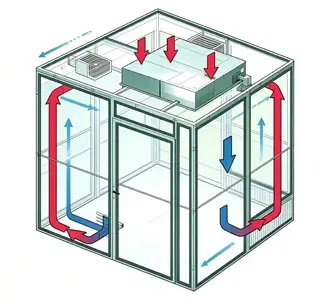
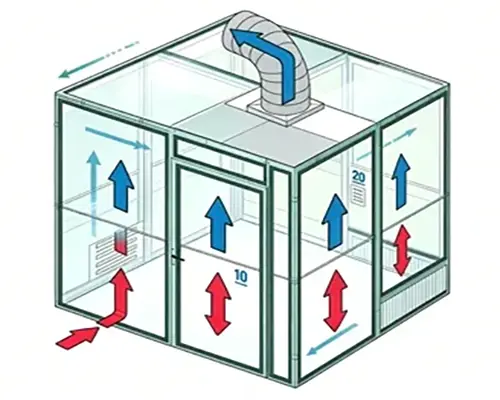
Choose Single‑pass (vented to shop) for simple setups, or Recirculating for better temperature, humidity, and pressure control.

6

Compliance & Industry

Ensure design meets GMP/FDA (pharma/medical) or ESD‑safe requirements (electronics) as needed.

7

Future Flexibility

Opt for a modular design if you anticipate relocating, expanding, or reconfiguring the layout later.

Follow these steps to select the ideal hardwall cleanroom for your application

Home

PHONE

Email

Inquiry