+86 18186671616
 Jason@cleanroomequips.com


 MENU
Cleanroom Doors blog
-
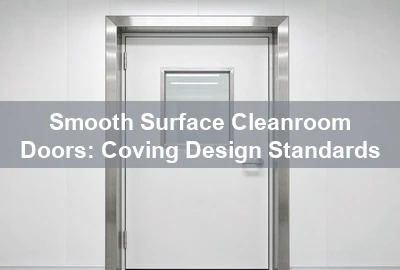
If you are qualifying a Grade B cleanroom, the first swab an auditor takes is rarely on the floor — it is on the door. A smooth surface cleanroom door is not something you get by painting the leaf; it is where personnel, carts and materials cross between pressure zones, and every recess become...
Visits:1003 | 2026-11-03
-
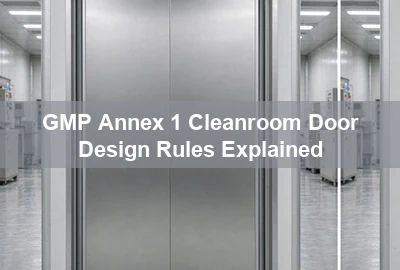
We can find six essential clauses, real seal data and speed data collected from our door platform at Deiiang, a FAT piloting checklist, and another retrofit case here. Other than the open numbers, all items mentioned have not been published, and this is their purpose. We see the same pattern time an...
Visits:761 | 2026-10-27
-
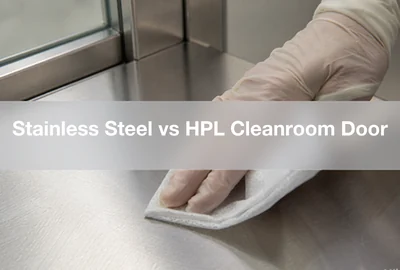
If you are comparing hpl or stainless cleanroom door options, you have probably seen one vendor call stainless "the only Grade A choice" and another say HPL is "just as good." Both overstate the case. The right answer depends on your disinfectant regime, how often the door cycles, what cart and trol...
Visits:954 | 2026-10-25
-
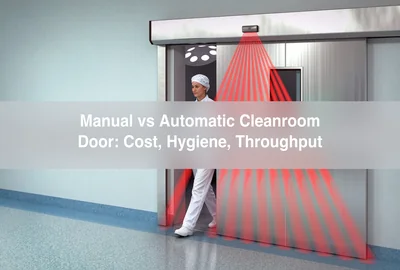
Deciding between manual and automatic cleanroom doors is not merely a question of moving from basic to premium doors, but it is a risk-based operational choice.Short AnswerA manual door may be installed in places with little traffic as confirmed through a risk assessment and may use door closer and ...
Visits:873 | 2026-10-21
-
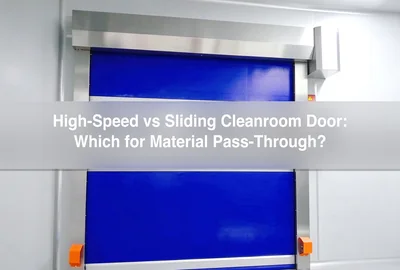
If you need a cleanroom-pass through which is capable of performing at the speed of more than 40 openings every hour but have no wall space available, go for high-speed roll-up doors. Go for the Sliding Cleanroom Doors in case you need iso-class-5 cleanroom specifications and want to economize the s...
Visits:962 | 2026-10-15
-
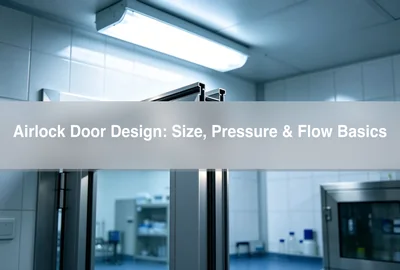
The actual final figures will vary depending on the risk assessment performed, pressure-cascade design, classification of the rooms in question and other regulations that need to be adhered to. There is no single standard that applies equally to a pharmaceutical sterile suite and an electronics clea...
Visits:743 | 2026-10-15
-
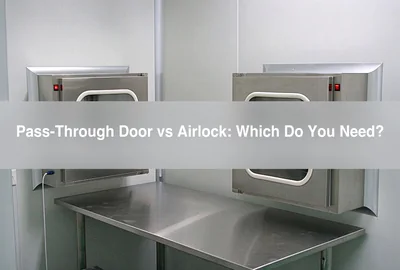
The bottom line is this: for many simple, low-risk transfers, a dual door interlocked pass-through is adequate; however, when the risk assessment, pressure cascade, transfer type, process requirements, or regulations require a controlled chamber, an airlock must be used.There's a simpler rule we...
Visits:637 | 2026-10-11
-
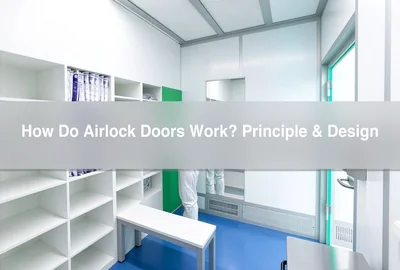
How do airlock doors work? Airlock doors work by never allowing two doors to open simultaneously. The how do airlock doors work question is exactly what this stage of the design has to settle. The interlocks keep one of the doors closed while it releases the other door so that the pressure different...
Visits:745 | 2026-10-11
-
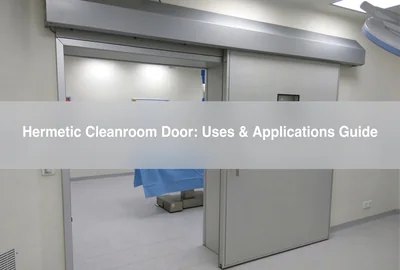
A hermetic cleanroom door represents an access mechanism that achieves a sealing rating which can maintain pressure differentials, prevent the entry of dirt particles, and ensure that every zone meets its ISO classification requirements by preventing any zone from exceeding certain standards. The wh...
Visits:670 | 2026-10-10
-
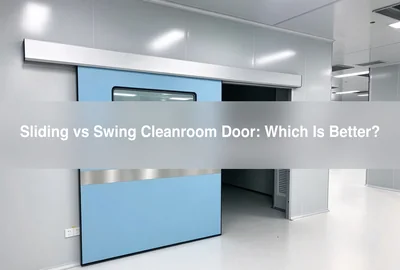
For most cleanroom projects, a swing cleanroom door is better for routine personnel access and simpler maintenance. A sliding cleanroom door is better when swing clearance is limited and wide equipment transfers are routine. That is the short verdict on any sliding vs swing cleanroom door selection....
Visits:660 | 2026-10-10
-
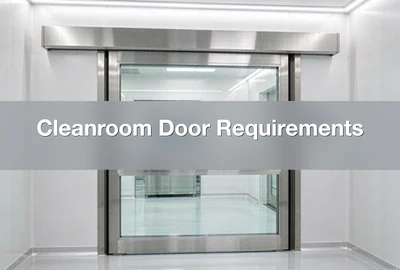
EU GMP Annex 1 (2022 revision, effective 25 August 2023) moved contamination control strategy (CCS) from a supporting document to a core regulatory requirement. When auditors walk your cleanroom, the door is no longer just a doorway — it is a critical part of your pressure cascade and contamination ...
Visits:596 | 2026-10-25
-
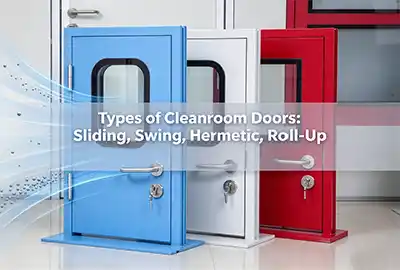
This guide provides engineering, contracting, maintenance management, and procurement professionals with the necessary information regarding what are the different types of cleanroom doors. Door types are compared as well as selection, procurement, installation, and maintenance procedures. Where pos...
Visits:1000 | 2026-10-08