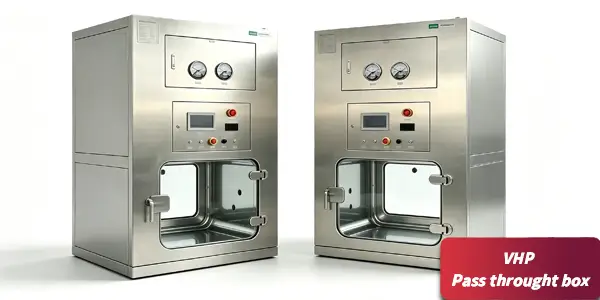
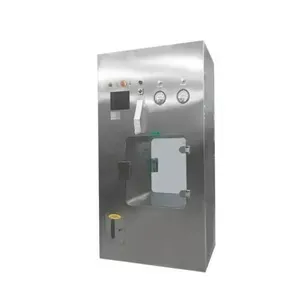
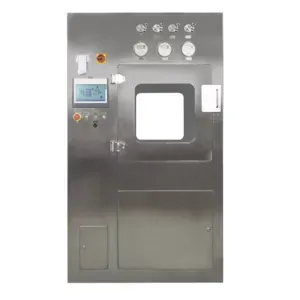
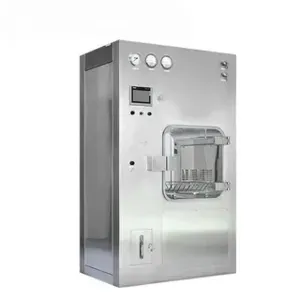
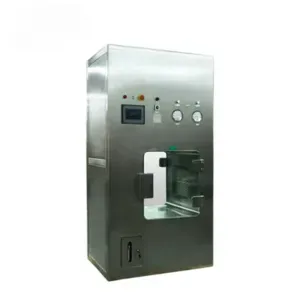
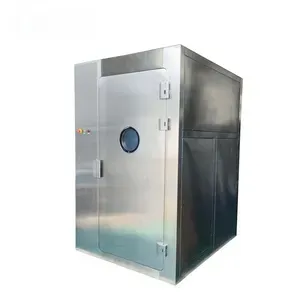
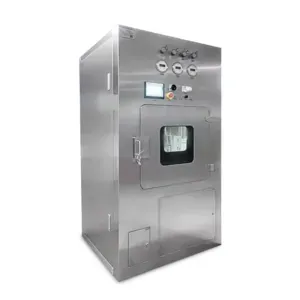
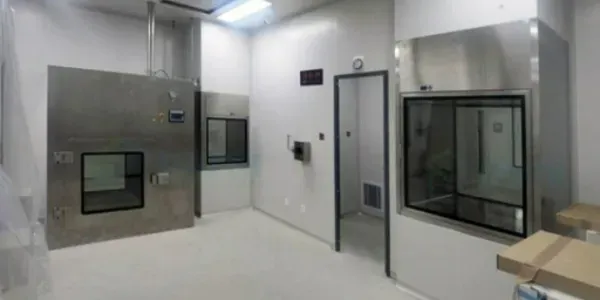
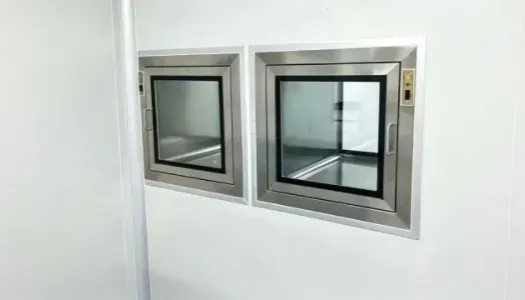
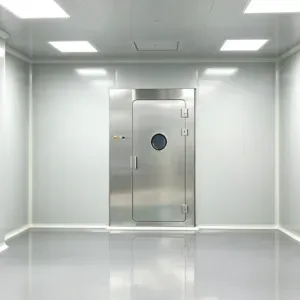
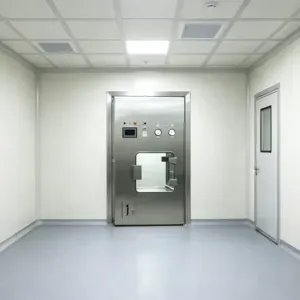
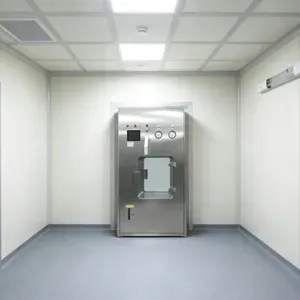
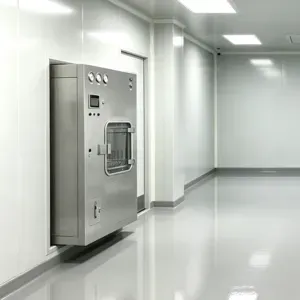
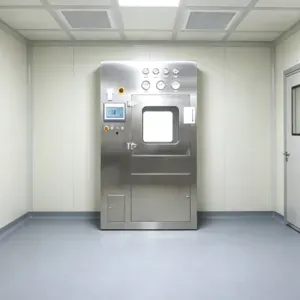
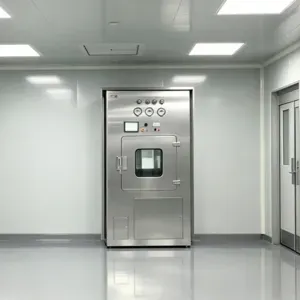
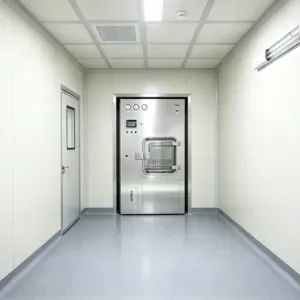
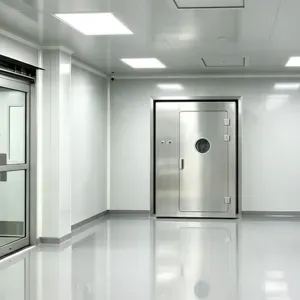
VHP Pass Box is a device used to disinfect materials entering sterile cleanrooms, laboratories, and pharmaceutical facilities.The enclosure is made of stainless steel and powder coated, features a safety interlock door, and is equipped with a VHP generator with adjustable output intensity.A standard treatment cycle takes 30 to 60 minutes, and you can opt for a humidity control function to optimize the vaporization of VHP.In addition to these, our equipment is also equipped with an LED display screen that allows for intuitive viewing of the processing status, making it simpler and more convenient for operators to use.
Our expert team engineers VHP pass box systems with validated vaporized hydrogen peroxide cycles to ensure safe material transfer and robust bioburden control in your critical cleanroom areas.


VHP Pass Box
The VHP Pass Box uses vaporized hydrogen peroxide to actively clean object surfaces, meaning it can not only perform simple physical transfers of items, but also effectively kill microorganisms on the surface of items.
This equipment is designed specifically for high-risk material transfer scenarios in pharmaceutical, biotechnology, and biosafety laboratories, aiming to address severe challenges such as bioload and cross-contamination.
It provides standardized VHP processing procedures, validated sterilization data, and batch records that are accessible to auditors and quality assurance personnel.
The main cost of higher cleanliness is increased system complexity: operating and revalidating the system requires chemical dosing, ventilation, safety interlock devices, and corresponding standard operating procedures.
Typically, teams will only choose to adopt the VHP pass-through window when a formal risk assessment shows that simple particle control alone is insufficient to ensure product and personnel safety.
Regular Pass Box
The Regular Pass Box is essentially a clean material transfer chamber: its focus is on physical isolation and airflow control, rather than active sterilization.
It is suitable for the transfer of materials with low to medium risk, and mainly meets the needs of isolating "contaminated areas" and "clean areas" and reducing the frequency of personnel entering and leaving clean rooms.
Although it does not have the VHP biological decontamination function, it has the advantages of simpler hardware structure, lower requirements for personnel training, and lower procurement and maintenance costs.
For many non-aseptic operations or auxiliary processes, standard pass-through windows are more than sufficient and are more likely to be approved in budget reviews and user requirement specifications.
In practical applications, many industries use standard pass-through windows to handle routine items, while VHP pass-through windows are specifically used to handle critical and high-risk materials.

The Deiiang VHP pass box supports aseptic fill-finish and sterile API operations by reducing bioburden at entry points and providing a clean, auditable bio-decontamination cycle.

In facilities producing high-value Advanced Therapy Medicinal Products (ATMPs), the Deiiang VHP pass box protects sensitive batches from cross-contamination while maintaining efficient, lean material flow between isolators, incubators, and cleanrooms.

Hospital cleanrooms use the Deiiang VHP pass box to decontaminate chemotherapy drugs and sterile compounding ingredients, ensuring they meet cleanliness standards before reaching the compounding station, thereby enhancing safety for healthcare staff and patients.

Biosafety laboratories rely on the Deiiang VHP pass box to transfer infectious or high-risk materials between rooms, adding a validated inactivation step without slowing down daily workflows.

In production environments where minute particles and residues can compromise yields, the Deiiang VHP pass box serves as a powerful complement to HEPA and ULPA filtration systems, ensuring tools and components remain ultra-clean during transfer between work zones.

The Deiiang VHP pass box allows teams to pre-decontaminate components, packaging materials, and tools before they enter the clean assembly area, reducing manual wiping tasks and improving batch consistency.

Production facilities with strict hygiene requirements use the Deiiang VHP pass box to sanitize utensils, sampling tools, and small equipment before they enter high-hygiene zones, mitigating microbial contamination risks without the need for harsh wet cleaning methods.

For creams, serums, and sterile-grade cosmetics, the Deiiang VHP pass box ensures that raw materials and packaging remain clean during every transfer, effectively supporting commitments to premium quality and compliance with audit requirements.
To start, simply select a manufacturing process and upload a 3D CAD file.
Within a few hours we'll send you design for manufacturability (DFM) analysis and real-time pricing.
Once you review your quote and place your order, we'll start the manufacturing process. We also offer finishing options.
Our digital manufacturing process allows us to produce parts in as fast as 1 day.
A VHP (Vaporized Hydrogen Peroxide) Pass Box is a critical component in maintaining sterile environments in cleanrooms, laboratories, and pharmaceutical manufacturing facilities. It is designed to facilitate the transfer of materials into controlled environments while ensuring that the items are decontaminated prior to entry. The VHP Pass Box utilizes vaporized hydrogen peroxide as a biocide, which effectively inactivates a wide range of pathogens, including bacteria, viruses, and fungi. This system not only minimizes the risk of contamination but also supports compliance with stringent regulatory standards in various industries.
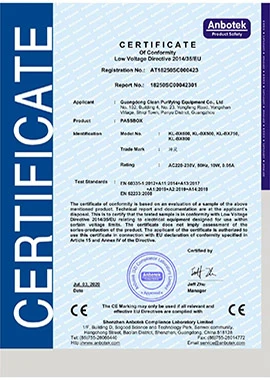
passbox CE Certification
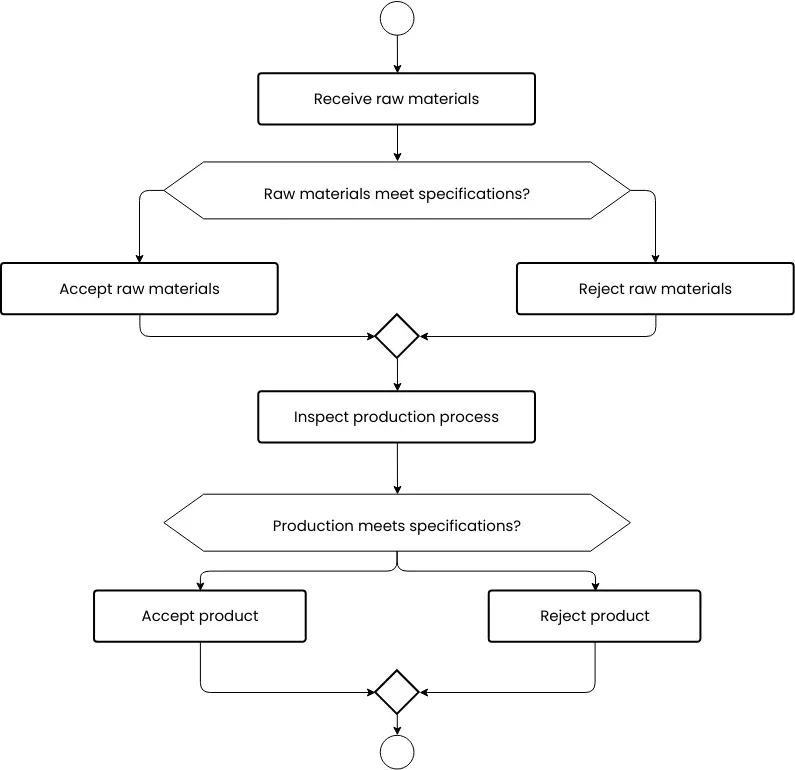
Deiiang VHP Pass Box Quality Control Flowchart


The VHP pass box is a specially designed, highly efficient sterilization device that facilitates the transfer of materials between different controlled environments while ensuring a sterile environment. It uses vaporized hydrogen peroxide as a disinfectant to effectively kill a variety of pathogens, including bacteria, viruses, and fungi.
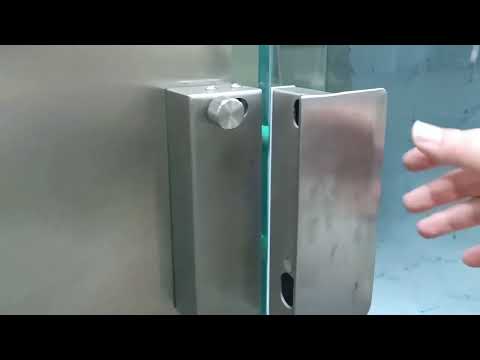
Transfer boxes are typically equipped with interlocking doors to prevent air from entering from both sides simultaneously and causing convection, thus ensuring a sterile environment is maintained during the transfer process.
Highly efficient sterilization: VHP technology can effectively remove contaminants, ensuring that materials entering the cleanroom do not carry bacteria or viruses.
Maintaining the integrity of the cleanroom: Interlocking door systems prevent cross-contamination and ensure that only one side of the pass box is opened at a time.
User-friendly design: Our VHP pass box is equipped with an intuitive and easy-to-use control panel, allowing operators to use the device easily without extensive training.
Wide range of applications: Suitable for various materials, including equipment, tools and other items that need to be sterilized before entering the cleanroom.
Compliance: The VHP pass box is designed to comply with industry standards and regulations.
Preparation: Ensure the pass box is clean and ready. Place the items to be sterilized into the box.
Initiate the sterilization cycle: Securely close the inlet door. Follow our instructions to initiate the autoclaving cycle using the control panel.
Monitoring: During the sterilization process, the cycle is monitored through the control panel, which displays information such as temperature, pressure, and sterilization time.
Completed: After the cycle is complete, open the exit door and safely remove the sterilized items.
Typical cycle times for VHP sterilization within a pass box vary depending on a number of factors, including the specific model of the pass box, the volume of the items being packed, and the intended use. Typically, the cycle time is around 30 minutes, and the specific process is as follows:
Pretreatment stage: This step takes about 10 to 20 minutes and its main purpose is to adjust the temperature and humidity inside the pass box to a suitable level to ensure that VHP sterilization achieves the best results.
Sterilization stage: The main sterilization process usually lasts 15 to 30 minutes. During this period, vaporized hydrogen peroxide is sent into the pass box and circulated, thereby effectively killing bacteria and viruses.
Ventilation (Desorption) Phase: After sterilization, the ventilation phase is crucial for removing residual hydrogen peroxide from the environment. This phase may require an additional 10 to 30 minutes, depending on the equipment model and load.
When maintaining the VHP pass box, you should use a suitable disinfectant to clean its inner and outer surfaces. In addition to regularly inspecting and calibrating the control system and sensors, check the interlock doors and seals to ensure they are functioning properly.
When performing specific maintenance operations or replacing parts, please strictly follow our maintenance guidelines.
Laboratory Equipment: Microscopes, centrifuges, and other sensitive devices.
Pharmaceutical Products: Drugs, vaccines, and biopharmaceuticals.
Tools and Supplies: Surgical instruments, gloves, and sterile supplies.
Containers: Sealed vials, petri dishes, and other sterilizable items.
VHP has excellent sterilization effects, comparable to methods such as ethylene oxide and steam sterilization. However, unlike steam sterilization, VHP can sterilize heat-sensitive items without damaging them.
Compared to ethylene oxide, VHP has a shorter sterilization cycle and leaves no toxic residues. Let's sum it up in one sentence, VHP sterilization is a fast, efficient, and environmentally friendly sterilization solution suitable for a variety of materials.
Door interlock function: The door interlock function can be used to prevent air convection on both sides of the entrance and exit doors, thereby ensuring the airtightness of the product and the sterile environment.
Emergency shut-off function: Allows the sterilization process to be stopped immediately if necessary.
Monitoring system: Equipped with an LCD control panel, it helps you monitor parameters such as temperature, pressure, and VHP concentration during the operating cycle.
Ventilation and exhaust function: Ensures the safe removal of residual hydrogen peroxide before opening the exit door.
Biological indicators: We use specific microbial spores that are resistant to VHP. If these spores are inactivated, it indicates that sterilization has been successful.
Chemical indicator: We use an indicator strip that changes color after contact with VHP. If it still changes color after disinfection and testing, it means that there is still VHP residue.
Monitoring data: To ensure that the disinfection process meets standards, we must review the cyclic parameters recorded during the sterilization process, such as temperature, pressure, and humidity.