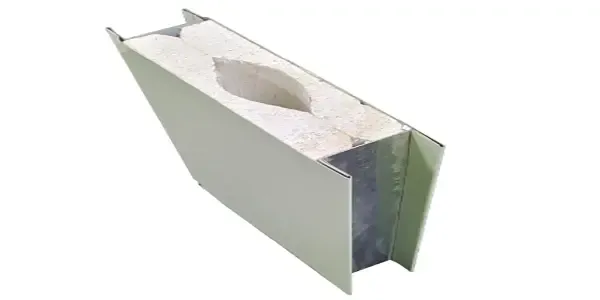
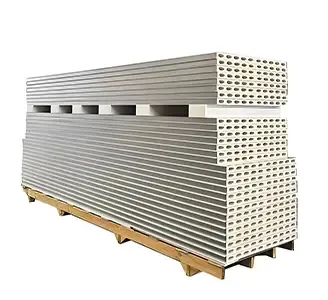
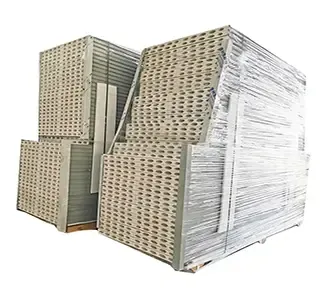
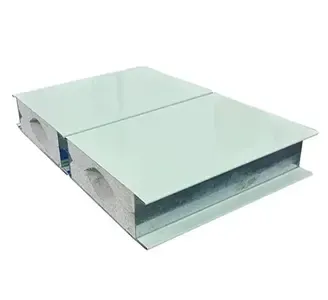
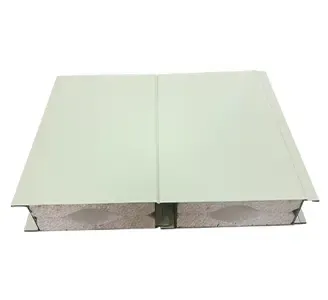
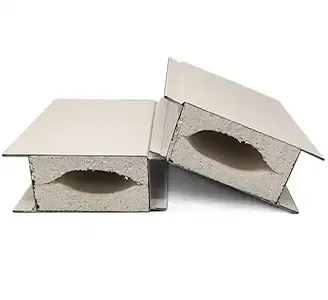
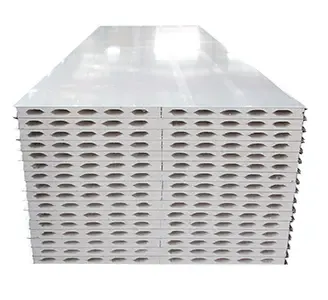
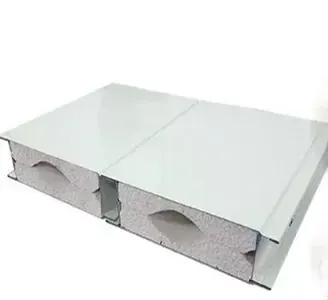
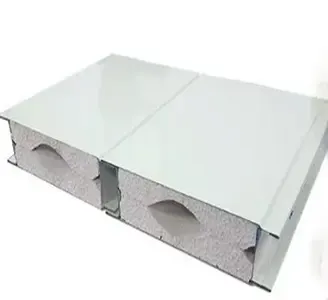
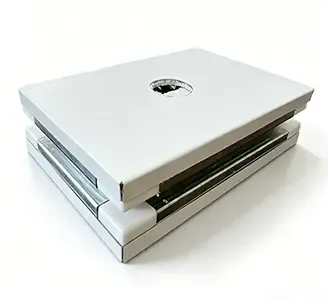
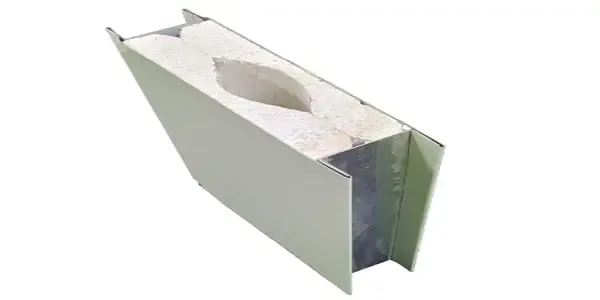
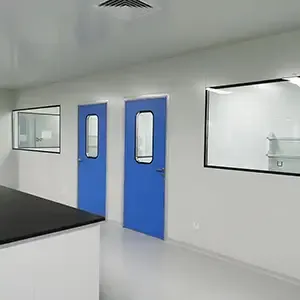
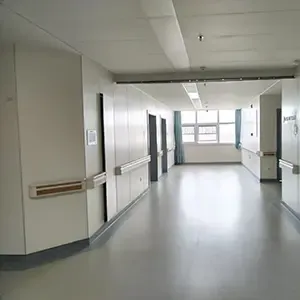
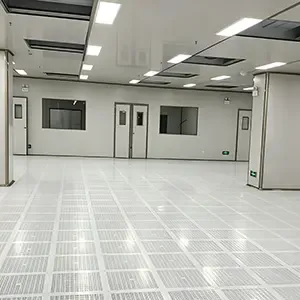
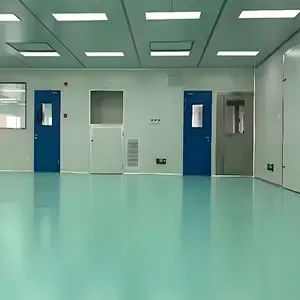
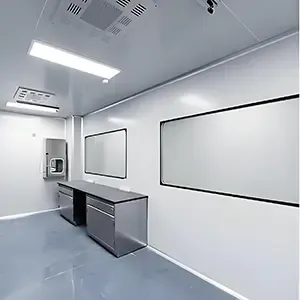
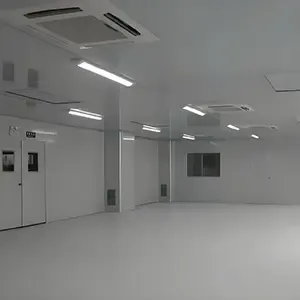
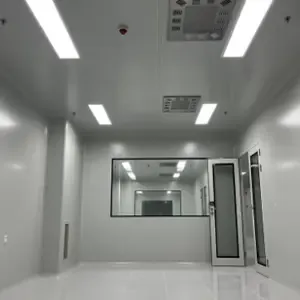
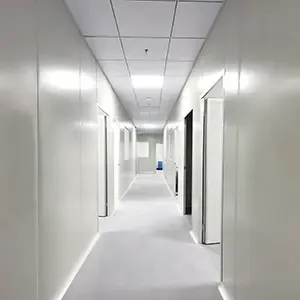
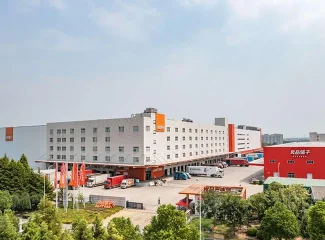
Deiiang Cleanroom Magnesium Oxysulfide Panels use high‑density magnesium oxysulfide cores, clad in steel or 304 stainless steel. They deliver great fire resistance, stable sizing and low heat transfer, plus smooth surfaces, simple sanitizing and minimal VOC output. They are built for GMP cleanrooms and controlled work zones.
Versus old wall substrates, Deiiang Cleanroom Magnesium Oxysulfide Panels — common in pharma, biotech, medical device, semiconductor, food and cosmetic factories — boast harder, sturdier surfaces, better protection from damp and chemical wear.
These panels also stop cracks and warping near doors, windows and production gear.
Our professional team will provide you with customized cleanroom Magnesium Oxysulfide Panel system solutions to meet your specific needs.


To start, simply select a manufacturing process and upload a 3D CAD file.
Within a few hours we'll send you design for manufacturability (DFM) analysis and real-time pricing.
Once you review your quote and place your order, we'll start the manufacturing process. We also offer finishing options.
Our digital manufacturing process allows us to produce parts in as fast as 1 day.


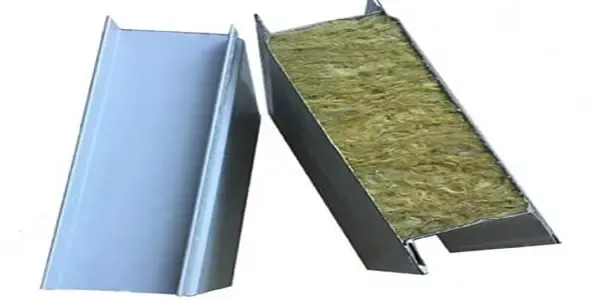
Cleanroom Magnesium Oxysulfide Panels use a far denser MOS core for higher strength, impact resistance and corrosion protection, while Rockwool Cleanroom Panels rely on lightweight mineral wool to prioritize insulation, fire safety and noise reduction. Quick guide: Rockwool panels are lighter and excel at thermal and acoustic control; Cleanroom Magnesium Oxysulfide Panels are heavier but offer superior structural toughness and long‑term stability in harsher environments.
Structure and Strength: Uses a far denser MOS core, delivering greater structural strength, superior anti‑impact capacity and solid corrosion protection for demanding cleanroom walls.
Weight and Handling: Heavier panel weight requires sturdier support framing, stronger fixings and more careful on‑site lifting and installation practices.
Best Application Fit: Ideal for zones needing long‑lasting, tough wall systems and steady performance under harsh operating conditions, such as high‑traffic corridors and equipment‑intensive rooms.
Structure and Insulation: Built with a lightweight mineral wool inner core that delivers reliable thermal insulation, fire resistance and noise reduction performance.
Weight and Installation: Lower panel mass simplifies transport, handling and mounting, while reducing total load on the building’s primary structure.
Best Application Fit: An ideal choice for cleanroom projects focused on heat retention, sound control and lightweight construction where extreme mechanical strength is not the top priority.
Deiiang is a professional supplier and manufacturer of cleanroom building materials, providing you with one-stop integrated solutions for cleanroom building materials.
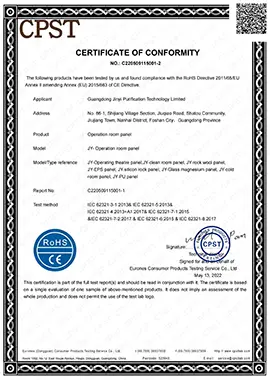
Operation room panel CE
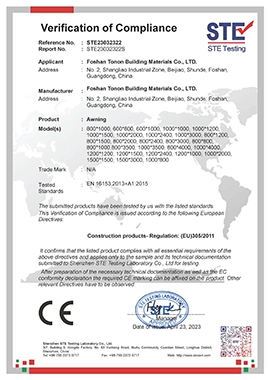
PC Panels CE
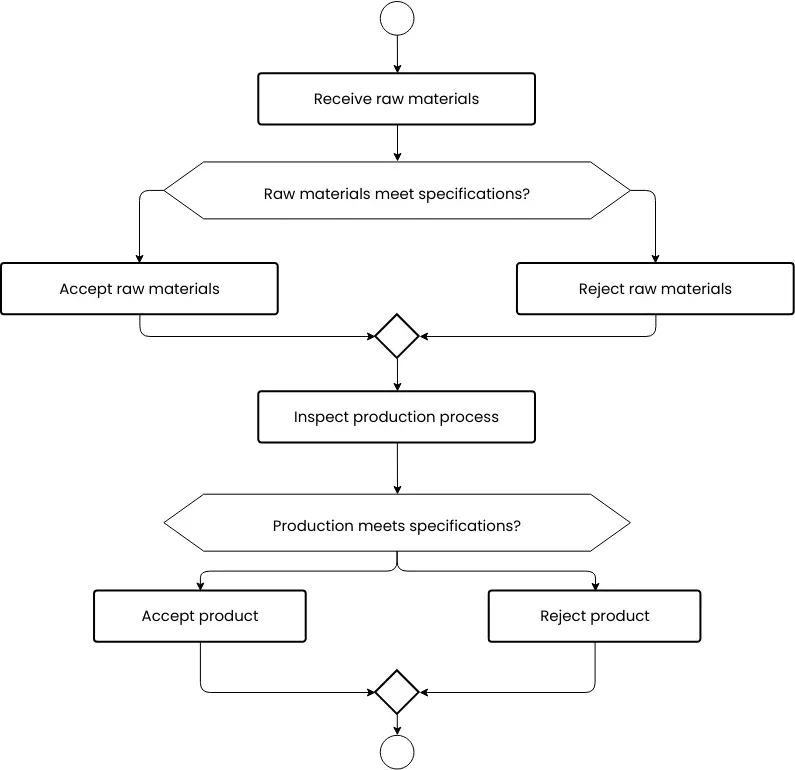
Deiiang Magnesium Oxysulfide Panel Quality Control Flowchart


Cleanroom Magnesium Oxysulfide Panels are engineered wall and ceiling panels used to build controlled environments with very low levels of dust, microbes, and chemical vapors.
They use a magnesium oxysulfide core with cleanroom‑grade steel or stainless steel surfaces, providing smooth, low‑VOC, easy‑to‑disinfect finishes suitable for sterile and high‑purity areas.
Core blocks form when magnesium oxide reacts with calibrated magnesium sulfate brine and functional additives. Curing locks in a rigid, stable magnesium oxysulfide base.
Manufacturers bond these cores with pre‑coated metal skins on continuous or batch press lines. After compression and full curing, boards get trimmed to custom sizes, then sealed along all cut edges with cleanroom‑grade sealants.
These wall boards boast rigid outer surfaces that stand up to knocks and impacts. Walls stay perfectly even, with far fewer dents and cracks forming around door cutouts and installed machinery.
That’s not their only upside. They hold strong against fire, dampness and regular chemical sanitizers, while releasing barely any VOCs and retaining consistent dimensions year‑round.
All these traits let manufacturing spaces sustain their required clean classification and breeze through compliance audits without hassle.
Yes. Magnesium oxysulfide is an inorganic, non‑combustible material, so these panels can achieve strong fire performance compared with many organic‑core systems.
In practice, panels are tested to relevant fire standards (such as EN or ASTM methods) and can be specified as part of fire‑rated cleanroom walls and escape routes, depending on local codes.
Compared with gypsum board or basic metal cladding, Magnesium Oxysulfide Panels typically offer higher strength, better moisture resistance, and more durable, seamless‑looking cleanroom surfaces.
They reduce the risk of warping, mold growth, and frequent repairs, while delivering better overall fire and hygiene performance than many conventional partition systems in critical areas.
Cost varies with thickness, facing (painted steel or stainless steel), quantity, and project location, so most suppliers provide project‑specific quotations rather than a single list price.
In many projects, Magnesium Oxysulfide Panels sit between basic sandwich panels and premium stainless systems on initial cost, but can lower lifecycle cost thanks to durability and fewer replacements.
Installation usually starts with setting out and fixing the steel or aluminum framework, then lifting panels into place and mechanically fastening or locking them to the supporting structure.
Joints are sealed with cleanroom‑compatible sealants or profiles, and details around doors, windows, and ceilings are closed so the final envelope meets air‑tightness and cleaning requirements.
Depending on the manufacturer, panels can be tested for fire performance, mechanical strength, and thermal properties according to EN, ASTM, or GB standards and relevant local codes.
For cleanroom projects, designs are selected to support ISO 14644 classifications and GMP requirements, including low particle shedding, low VOCs, and compatibility with common disinfectants.
Yes. Panels can typically be customized in thickness, core density, facing type (painted steel, SS304, etc.), surface color, and edge details to match your wall and ceiling layout.
Manufacturers can also pre‑cut openings for doors, windows, and services, and coordinate with cleanroom accessories such as covings, air returns, and integrated pass‑throughs where required.
Common panel widths are typically in the range of 900–1200 mm, with lengths often up to 3–6 m, depending on transport and handling limits on site.
Thicknesses such as 50 mm and 100 mm are widely used for walls, while thinner options can be used for ceilings; custom sizes are usually available for larger projects.
Magnesium oxysulfide cores are inorganic and can be produced with relatively low VOC emissions; finished panels are designed to meet cleanroom limits for off‑gassing and indoor air quality.
Long service life, good durability, and the possibility of recycling metal facings at end‑of‑life can also help reduce the overall environmental footprint compared with short‑life solutions.
Common projects include pharmaceutical and biotech factories, hospital rooms, medical device workshops, semiconductor and electronic workshops, food production lines and cosmetic plants.
Factory owners pick this panel because it balances easy sanitization, reliable fire safety and stable structure all at once. It fully fits the strict quality rules like GMP and ISO required in these industries.
Daily upkeep for these panels is simple and straightforward. You just need to clean them routinely with standard disinfectants, and check for surface damage or cracked sealants on a regular basis.
Any dents or loose joints should be fixed in a timely manner. Make sure panel surfaces, corners and drilled openings stay smooth and fully sealed so the cleanroom keeps its required classification.
Choosing cleanroom panels should match your process risks, cleaning methods, and compliance needs – not only price or thickness. Below is a practical guide:
1. Industry and Cleanliness Level
Start from your industry and target ISO / GMP class, then select the panel system;
Pharmaceutical, biotech, and sterile medical device areas usually favor Cleanroom Magnesium Oxysulfide Panels for ISO 5–7 zones that need strong fire safety, low VOCs, and frequent disinfection.
Electronics, semiconductor, and precision assembly can also use Magnesium Oxysulfide Panels where stable, flat walls are needed to support ESD floors, tools, and cable routing.
Food, cosmetics, and general ISO 6–8 rooms focus on cleanability and moisture resistance; MOS panels help avoid swelling, mold, and delamination compared with many traditional boards.
2. Core Type, Thickness, and Facing
Core and thickness should be chosen according to fire rating, span, and impact load.
For corridors and standard walls, 50 mm Cleanroom Magnesium Oxysulfide Panels are usually enough; 75–100 mm panels are better where you need higher stiffness, sound control, or thermal insulation.
Painted steel facings work well for most GMP areas; SS304 Cleanroom Magnesium Oxysulfide Panels are recommended in wet, corrosive, or high‑wash‑down zones.
3. Environment, Cleaning, and Integration
Check your cleaning agents, humidity, and temperature swings before choosing the panel finish and joint details.
If you use aggressive disinfectants, steam, or foaming cleaners, specify MOS panels with chemical‑resistant coatings and stainless‑steel trims to keep surfaces intact.
Think about doors, windows, FFUs, and ducts in advance: Cleanroom Magnesium Oxysulfide Panels with accurate factory‑cut openings and framed edges make installation faster and reduce on‑site dust.
4. Standards, Budget, and Project Schedule
Make sure the chosen panel system supports ISO 14644 and, where needed, EU GMP / FDA expectations for materials, fire behavior, and cleaning.
Cleanroom Magnesium Oxysulfide Panels typically sit between basic sandwich and full stainless systems in cost, but often save money over time through fewer repairs and longer service life.
Share your industry, room sizes, cleanliness grade, and timeline with Deiiang, and we can recommend suitable Cleanroom Magnesium Oxysulfide Panel types and thicknesses, along with a layout and delivery plan.