wap_menu MENU
X
Trusted by
companies like
FLIR Logo 1
electrolux Logo 3
abb Logo 4
bmw Logo 5
i-dent Logo 6
SINOPEC Logo 7
CATL Logo 8
INOVANCE Logo 9
EVE Logo 10
HONDA Logo 11
FOXCONN Logo 12

ISO 8 Cleanrooms

ISO 8 cleanrooms are classified based on specific criteria established by the International Organization for Standardization (ISO). 

  • ≥0.5 μm: 3,520,000 particles/m³

  • ≥1.0 μm: 832,000 particles/m³

  • ≥5.0 μm: 29,300 particles/m³

  • Air Cleanliness: ISO Class 8 / Class 100,000

  • Average Air Change Rate: 15 to 25 ACH

  • Temperature: 20°C to 24°C

  • Relative Humidity: 30% to 60%

  • Pressure Differential: 10-15 Pa

/uploads/allimg/20260803/1-260P3111144201.webp

Need a ISO 8 Cleanroom overall Solution?

Our professional team provides one-stop, customized ISO cleanroom solutions to meet your specific needs.

Deiiang ISO 8 Cleanroom Product Collection

Discover Deiiang’s ISO 8 Cleanroom Product Collection, engineered for validated cleanliness, regulatory compliance, and turnkey integration in critical environments.
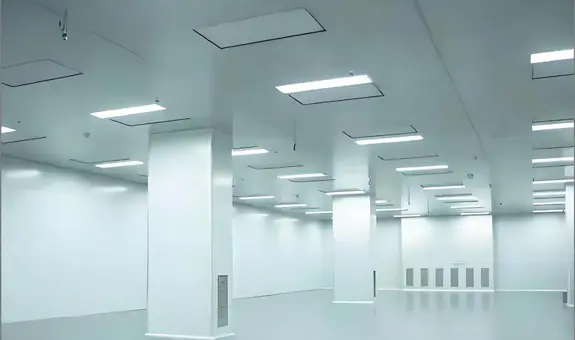
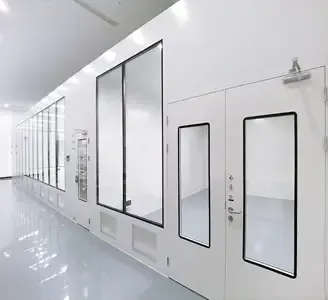
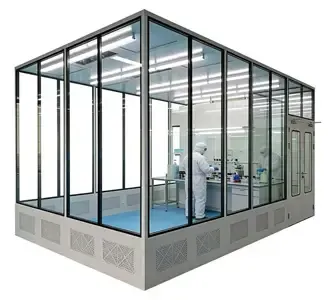
ISO 8 Hardwall Cleanroom.webp
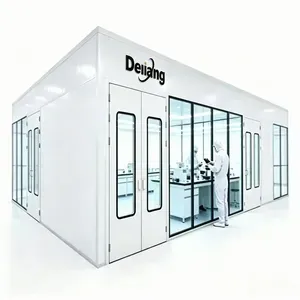
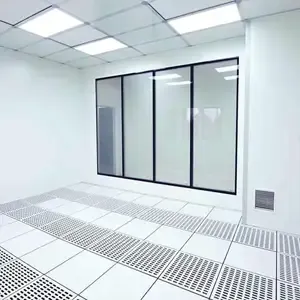
ISO 8 Hardwall Cleanroom
cost-effective, reliable background cleanliness.
Send inquiry Now
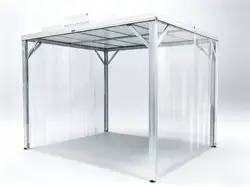
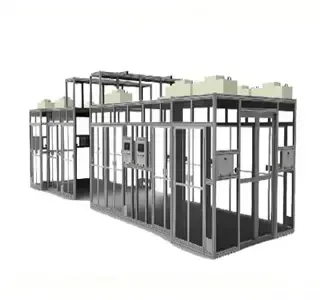
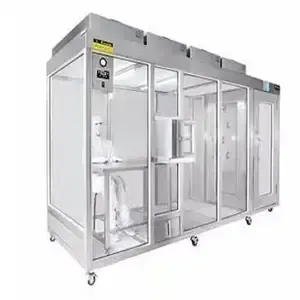
ISO 8 clean booth.webp
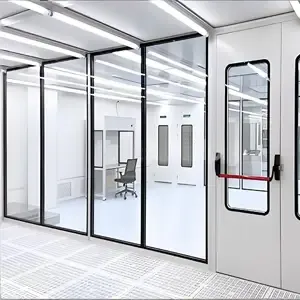
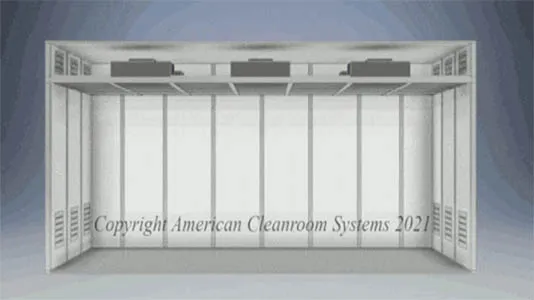
ISO 8 rigidwall Cleanrooms
Clean booth meeting ISO Class 8.
Send inquiry Now
Portable ISO 8 Cleanroom
Caster-mounted units for easy facility relocation.
Send inquiry Now
ESD-Safe ISO 8 Cleanroom
Static-dissipative surfaces for sensitive electronics assembly.
Send inquiry Now
Positive Pressure ISO 8 Cleanroom
Prevents outside contaminants from entering the room.
Send inquiry Now
Negative Pressure ISO 8 Cleanroom
Contains hazardous powders or vapors within the space.
Send inquiry Now
ISO 8 Dry Room
ISO 8 Dry Room
Ultra-low humidity control for lithium battery production.
Send inquiry Now
ISO 8 Explosion-proof Cleanroom
Prefabricated sections with intrinsic safety grounding.
Send inquiry Now
Temperature & Humidity Controlled Hardwall
Maintains tight ±1°C and ±5% RH stability.
Send inquiry Now

Product Feature

Deiiang is a professional manufacturer of modular cleanrooms with significant product advantages.

Rapid, Modular Scalability

Rapid, Modular Scalability - Solution to long build cycles and inflexible layouts that lock you into your initial investment.

Fast Deployment, Minimal Downtime

The factory finished walls and utility plug in points allow for a fast on site build minimizing production down time, enabling the completion and subsequent validation and go live.

Verified ISO 8 Cleanliness Stability

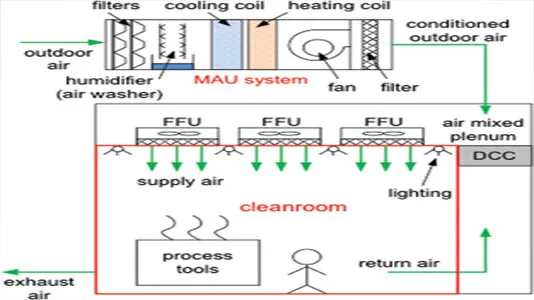
Based on the cleanroom area and the 20 air changes per hour requirement of an ISO 8 cleanroom, we can determine the appropriate number of FFUs, taking into account airflow loss. Deiiang's FFUs use H14 HEPA filters to ensure a cleanliness level of ISO 8 or even higher.

Energy‑Efficient HVAC & Controls

The energy efficiency of HVAC through the use of EC fans, variable-speed control, and optimal air exchange rates to minimize energy consumption and related OPEX.

Compliance & Validation Ready

Compliance with the design and documentation for ISO 14644, GMP and FDA requirements facilitates the DQ/IQ/OQ testing and subsequent testing and audits by third parties to guarantee the project’s success.

Easy Maintenance & Upgrades

Front‑serviceable FFUs and quick-swap HEPA filters allow easy maintenance of the ceiling area to minimize MTTR and have the lowest possible service costs due to the use of standardized parts to manage spare parts inventory.

Process‑Centric Custom Layouts

Zoning, personnel and material flow as well as utility distribution can be designed and optimized to match the customer’s process requirements including corresponding cleanliness class, ESD requirements and antimicrobial needs.

Lower Total Cost of Ownership

Because Deiiang uses modular assembly and we are based in China, our raw material costs are lower, which greatly reduces labor installation costs and provides a significant total cost advantage.

ABOUT

Learn More About Deiiang ISO 8 Cleanrooms

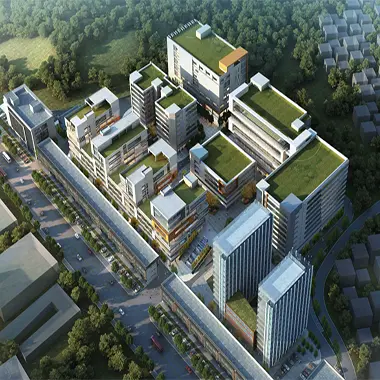
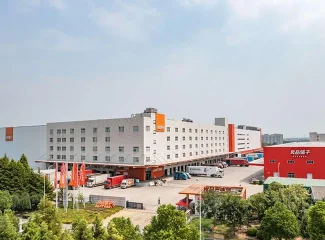
Aerial view of Deiiang Company
uoHinsjGEFA

ISO Class vs. FED STD 209E Equivalent

ISO ClassMaximum Particles/m³FED STD 209E
Equivalent
≥0.1μm≥0.2μm≥0.3μm≥0.5μm≥1μm≥5μm
ISO 1102


ISO 210024104


ISO 31,000237102358
Class 1
ISO 410,0002,3701,02035283
Class 10
ISO 5100,00023,70010,2003,52083229Class 100
ISO 61,000,000237,000102,00035,2008,320293Class 1,000
ISO 7


352,00083,2002,930Class 10,000
ISO 8


3,520,000832,00029,300Class 100,000
ISO 9


35,200,0008,320,000293,000Room Air

Comparison Table: GMP / ISO / FED

GradeChina GMP / Europe GMPISO 14644-1FED STD 209E
StaticDynamic
≥0.5μm≥5μm≥0.5μm≥5μmStaticDynamicStaticDynamic
A3,520203,52020ISO 5ISO 5100100
B3,52029352,0002,900ISO 5ISO 710010,000
C352,0002,9003,520,00029,000ISO 7ISO 810,000100,000
D3,520,00029,000-ISO 8-100,000-

Ventilation Times (ACH)

ISO ClassACH (Air Changes Per Hour)
ISO 3360 - 540
ISO 4300 - 540
ISO 5240 - 480
ISO 650 - 60
ISO 730 - 40
ISO 815 - 25
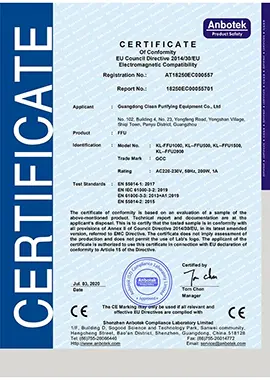
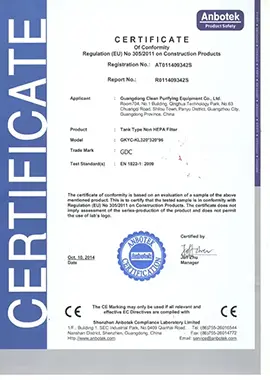
Certificate

Deiiang™ FFU CE-Certification.webp
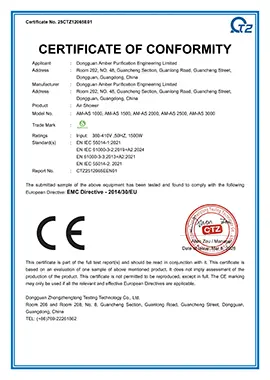
Certificate

Electromagnetic Compatibility EMC Certification.webp

Certificate

Deiiang™ Filter CE-Certification.webp

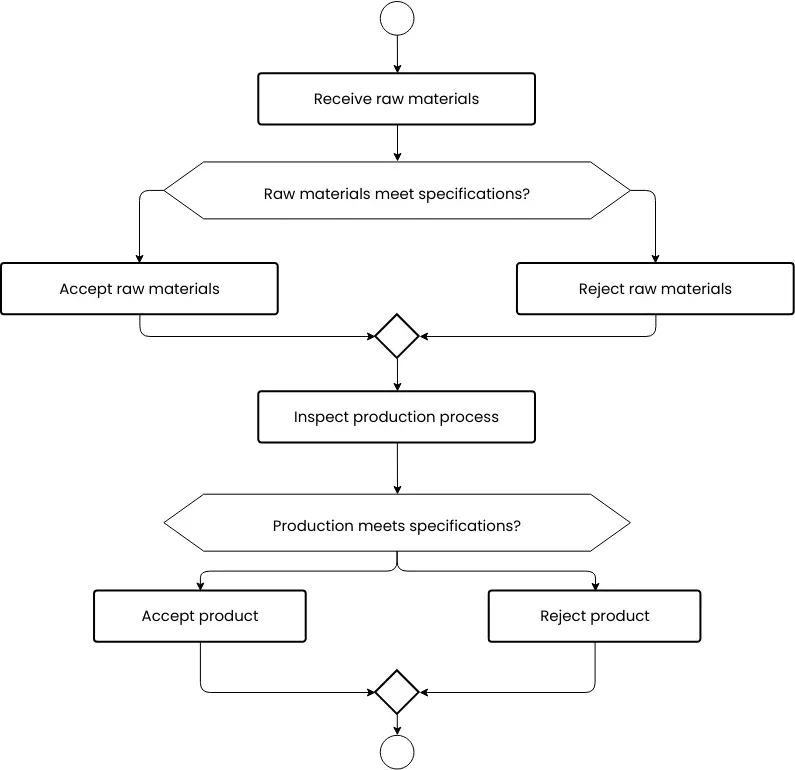
Deiiang ISO 8 Cleanrooms Quality Control Flowchart

Cleanroom quality control flowchart


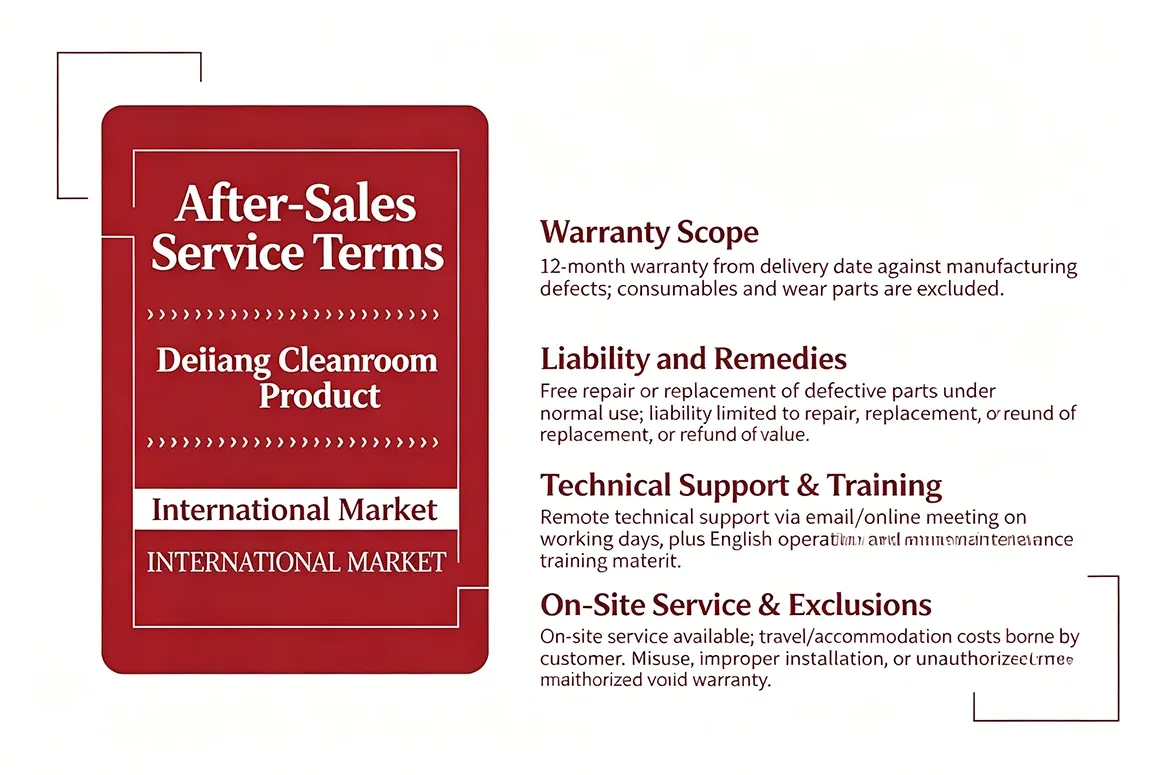
24-hour after-sales service commitment


Technical Resources

Total 0 resources

Cleanroom FFU Quantity Calculator

m
ISO 7
ach/h
Reference range: 15 – 25 ach/h  Default: 20 ach/h
Design Margin 15%
0%10%20%30%
Recommended FFU Qty (with margin)
-- units
Fill in parameters to calculate
Theoretical FFU Qty
-- units
Required Total Airflow
-- m³/h
Room Volume --
Air Change Rate --
Required Airflow --
Single FFU Airflow 1,000 m³/h
Theoretical Qty (rounded up) --
Recommended Qty (with margin) --
💡

The results are theoretical calculations based on the air change rate method. In actual engineering, factors such as FFU coverage, airflow uniformity, and filter resistance degradation must be considered. Please consult a professional cleanroom engineer for detailed design.
Cleanroom building material solutions

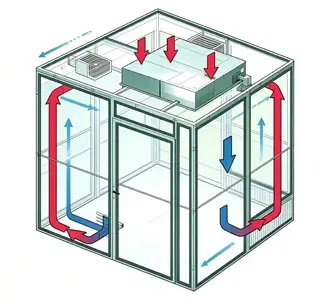
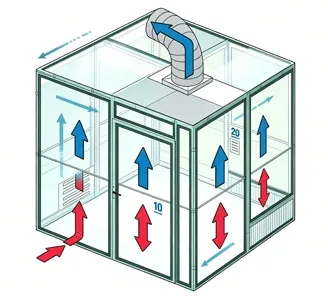
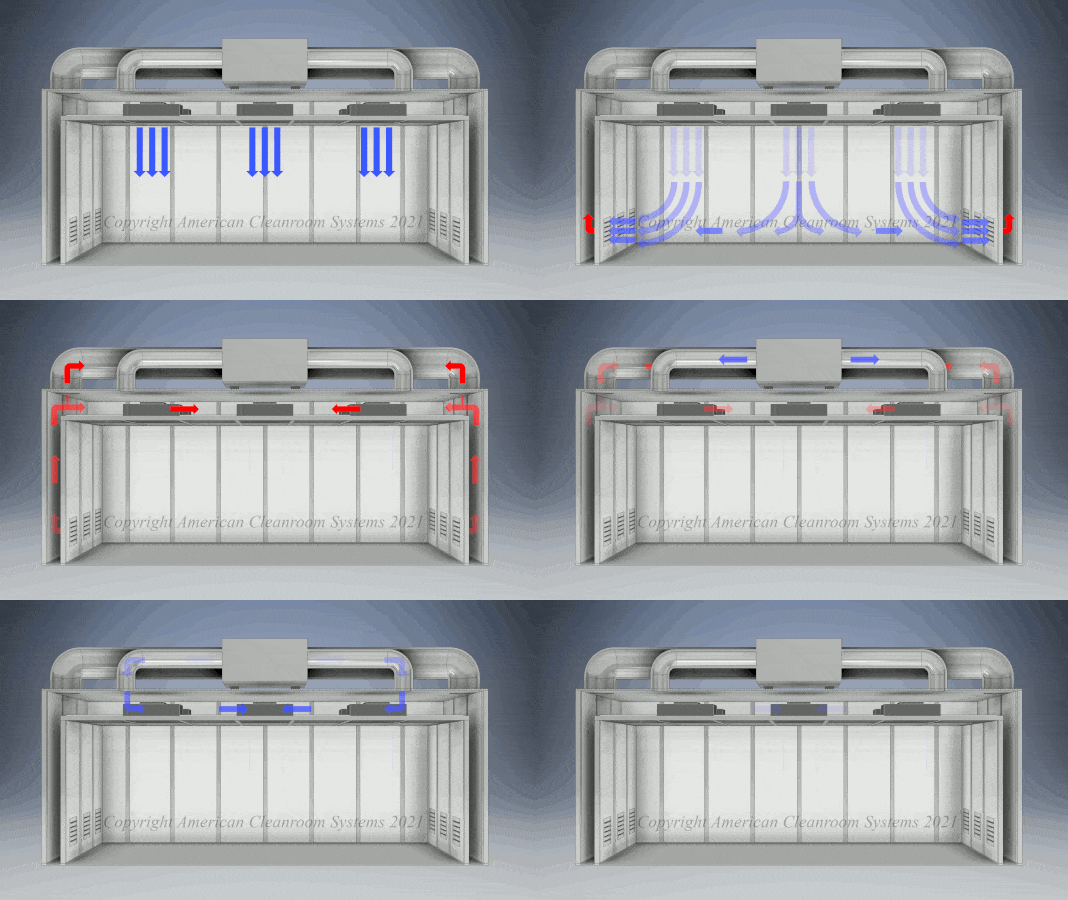
ISO Class 8    Clean Room Airflow

Air Changes per Hour airflow animation
Air Changes / Hour (ACH)
ISO Class 8 typically requires 20 to 25 air changes per hour.
Air velocity and circulation diagram
Air Velocity
Unlike higher classes (e.g., ISO 5/6), ISO 8 does not usually require unidirectional (laminar) airflow.
Temperature and humidity control system
Temperature & Humidity
Typical ranges 20–24°C and 30–60% RH, but may vary per specific requirements.

Clean Room Wall

Cleanroom panel
Cleanroom Panel
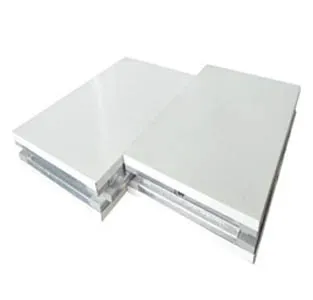
Standard cleanroom wall panel with durable surface finish.
MGO Rock Wool panel
MGO Rock Wool Panel
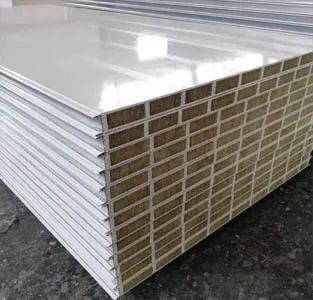
Magnesium oxide board with rock wool core for superior insulation.
Handmade rock wool panel
Handmade Rock Wool
Custom-crafted rock wool panel for specialized cleanroom applications.
Specifications & Quality Check

Size & appearance: Ensure dimensions meet design, no obvious defects.                     Physical properties: Compression, tension, impact resistance tests.                     Surface treatment: Smooth, uniform coating, no bubbles/peeling.                     Test report: Fire and corrosion resistance.

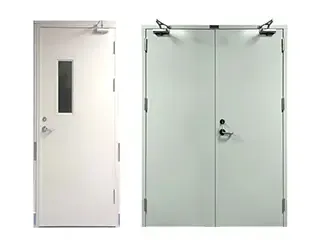
Clean Room Doors & Windows

cleanroom Fire doors.webp

Door Type A

Steel standard: High-quality, corrosion resistant.

Surface treatment: Anti-rust (spraying, anodizing).

Insulation: Polyurethane or rock wool core.

Process: Cutting, forming, welding, painting.

Cleanroom door Type B
Door Type B

Steel standard: Meets national/international standards.

Surface treatment: Anti-rust, easy to clean.

Insulation: Heat & sound insulation.

Process: Cutting, forming, welding, painting – stable quality.

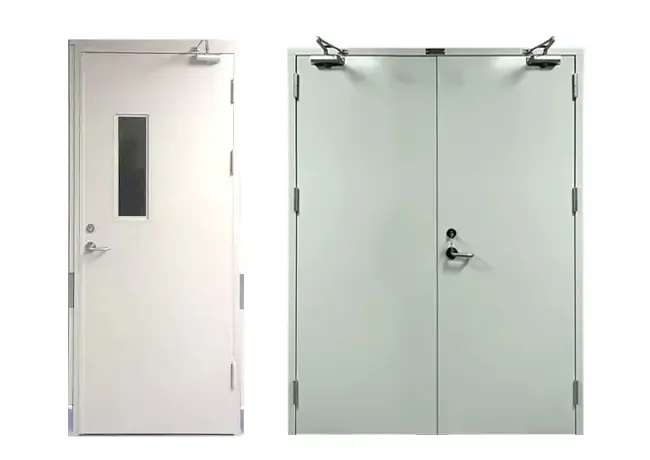
cleanroom Fire doors

Fire Door

Steel standard: Fire-rated galvanized steel, certified fire resistance.

Surface treatment: Anti-rust coating, high-temperature resistant finish.

Insulation: Fireproof core (perlite/rock wool composite).

Process: Equipped with intumescent seals & automatic door closer.

Fire rating: 60–90 minutes fire resistance (compliant with safety codes).

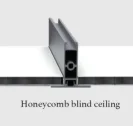
ISO Class 8Clean Room Ceiling

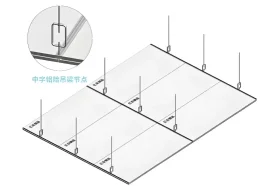
Ceiling panel system Type 1
Ceiling Panel System
Modular ceiling panel with integrated support framework.
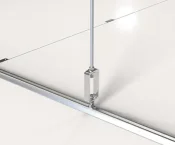
Cleanroom ceiling grid Type 2
Cleanroom Ceiling Grid
Galvanized steel grid system for suspended ceiling installation.
Suspended ceiling panel Type 3
Suspended Ceiling Panel
Easy-access panel design for maintenance and partial replacement.
Specs: Thickness 980, 1180
Panel: 50/75/100mm
Core: Color steel, stainless, rock wool, gypsum, MgO, Al honeycomb
Accessories: Keel 0.8 galvanized
Application: Food, medicine
Coating: PE, PVDF, HDP
Keel: 0.8 thick galvanized steel on all sides
Beam: Patented heavy-duty hanging beam system, easy installation
Cost: No need to remove entire top, high cost-performance
Replacement: Suitable for partial top plate replacement

ISO Class 8Clean Room Floor

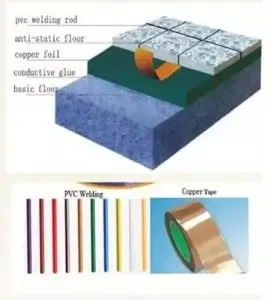
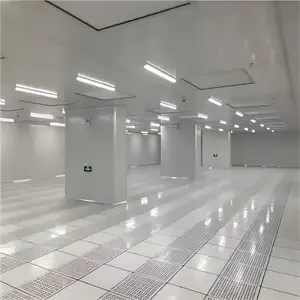
PVC flooring structure
PVC Structure
Multi-layer PVC construction for durability and comfort.
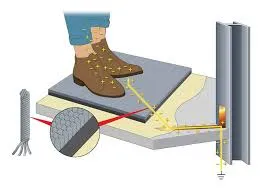
ESD Antistatic PVC Vinyl CleanroomFloor Mat Waterproof Vinyl Roll Flooring.jpg
ESD PVC Flooring
Electrostatic dissipative PVC for sensitive environments.
PVC flooring roll
PVC Flooring Roll
Roll-form PVC for quick and seamless installation.
PVC Flooring Features
Flexibility: Good flexibility & impact resistance.                 Anti-slip: Surface treatment for safety.                 Easy install: Roll/tile form, quick.                 Diversity: Many colors & textures.
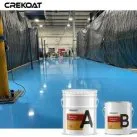
Epoxy coating floor
Epoxy Coating
Durable epoxy resin coating for heavy-duty cleanroom floors.
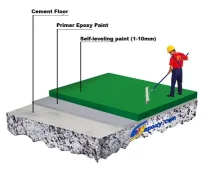
Self-leveling epoxy floor
Self-Leveling Floor
Self-leveling epoxy for a perfectly smooth, seamless surface.
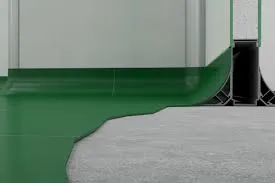
Resin coat finish floor
Resin Coat Finish
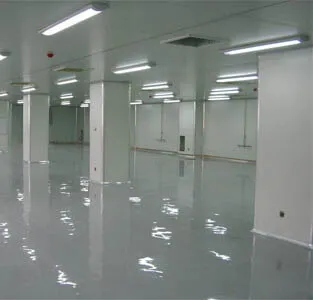
High-gloss resin topcoat for chemical resistance and easy cleaning.
Epoxy / Self-Leveling Features
Seamless: Avoids dust/bacteria at seams.                 Chemical resistance: Withstands chemicals & cleaning agents.                 Easy to clean: Smooth surface, easy maintenance.

Industry Applications

Electronics Assembly ISO 8 Cleanroom

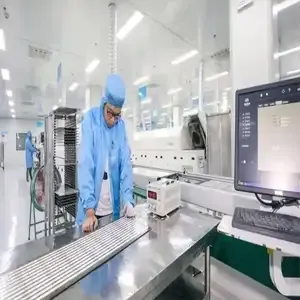
Semiconductor & Electronics Assembly 

Controls particles and ESD during lithography, bonding, SMT; Deiiang hardwall rooms stabilize pressure and laminar flow, delivering reliable ISO 8 yield with continuous monitoring.

Send inquiry Now
Precision Instruments ISO 8 Cleanroom

Optics & Precision Instruments 

Minimizes haze and micro-scratches; low vibration and clean laminar flow; Deiiang rigid panels hold pressure, supporting ISO 8 optical assembly, alignment, and metrology.

Send inquiry Now
Life Sciences R&D ISO 8 Cleanroom

Biotech & Life Sciences R&D 

Zoned, pressure-cascaded spaces for cell culture and assays; VHP‑compatible finishes; Deiiang hardwalls simplify monitoring and cleaning to meet ISO 8 research workflows.

Send inquiry Now
Medical Device Manufacturing Hardwall  ISO 8 Cleanroom

Medical Device Manufacturing 


Emit low particulation and ESD during lithography, dicing, and SMT processes. Deiiang’s hardwall designed rooms provide controlled environment for stable pressure and laminar flow to enable continuous monitoring for reliable ISO 8 yields.

Send inquiry Now
EV Components Hardwall ISO 8 Cleanroom

Automotive Electronics & EV Components 

Deiiang uses its rigid panels to hold pressure in Clean Rooms. By establishing a stable environment, optical assembly, alignment and metrology can be carried out successfully in ISO 8 clean rooms. 

Send inquiry Now
Advanced Materials Hardwall ISO 8 Cleanroom

3D Printing & Advanced Materials 

By establishing a stable environment, optical assembly, alignment and metrology can be carried out successfully in ISO 8 clean rooms. The environment is characterized by minimal haze and zero micro-scratches.

Send inquiry Now
Defense Assembly Hardwall ISO 8 Cleanroom

Aerospace & Defense Assembly 

Deiiang’s hardwall panels are perfect for monitoring and cleaning in a laboratory-based research environment working in an ISO 8 environment.Our ISO 8 Spaces Support molding, assembly and packaging. Hardwalls in our ISO 8 Spaces are easy to monitor for DQ/IQ/OQ requirements and enable traceability. Monitoring in our Spaces is thus enabled to support smooth audits as required by ISO 13485 and FDA.

Send inquiry Now
Pharmaceutical Support Areas Hardwall ISO 8 Cleanroom

Pharmaceutical Support Areas 

These Deiiang hard walls are suited for weighing, compounding and filling of sterile products in ISO 8 GMP aligned areas, allowing for heavy sanitizing, stable cascades and audit-ready documentation.

Audit-Ready Engineering: 

Deiiang is an internationally leading supplier of HVAC systems for controlled environments. Our engineering is ‘Audit-Ready’ to meet requirements of FDA and EMA approvals. By carrying out Duct Leakage Testing (DLT) and checking of envelope integrity we are able to ensure that your HVAC system is airtight to a degree that is required to support documentation of performance that will meet audit criteria for ISO 8 environments.

Send inquiry Now

How to Work With Us

Requirements Consultation

Submit Requirements

Provide your site dimensions, required ISO class, and industry-specific needs (GMP, ESD, etc.) to our experts.

Technical Proposal

Custom Technical Proposal

Receive a detailed design proposal within 24 hours, including airflow strategies, material lists, and transparent pricing.

Precision Manufacturing

Modular Production

We manufacture your modular panels, HVAC units, and FFUs with strict QC to ensure full compliance with ISO 14644 standards.

Installation & Validation

Global Shipping & Setup

Fast global logistics followed by onsite installation guidance and performance validation to get you operational quickly.

ISO 7 VS ISO 8 Cleanroom

ISO 7 cleanroom
ISO 7 Cleanroom
VS
ISO 8 cleanroom
ISO 8 Cleanroom

The core elements of a cleanroom classified as ISO 7 or ISO 8 are detailed within the ISO 14644 standard, including particle control via HEPA/ULPA filteration, cleanroom airflow balance, pressure cascade and environmental stability.These cleanrooms are divided into zones, require gowning and are monitored on a regular basis using particle counts, pressure, temperature and relative humidity.

To operate an ISO 7 cleanroom, you must operate it more tightly than an ISO 8 cleanroom. This means higher air change rates, tighter control of pressure, tighter control of gowning, higher cost to build, to validate, and to operate.  The ISO 8 cleanroom can be used for the upstream preparation, general assembly, packaging, and support areas. Map the risk points first and then determine the appropriate size of cleanroom to operate at the highest risk point in the process.

Customer feedback reflects our value—take a look at what our customers say about our products and services.

I have now been able to inspect the sandwich panels in more detail. The panels appear to be solid, they are extremely easy to clean and I am now extremely pleased with the cleanroom.

Mark Thompson, Lab Director, UK

The ISO 8 softwall cleanroom that we purchased for our packaging line was so easy to set up. The fan forced units (FFUs) are whisper like in their operation.

David Miller, Tech Founder, USA

Impressive German-level precision in the engineering. The ISO 8 hardwall cleanroom has been integrated into an existing building. The pressure control of the cleanroom is operating incredibly stable. There are no leaks.

Hans Müller, Project Manager, Germany

The Deiiang modular ISO 8 cleanroom setup was cost effective compared to having a full cleanroom built for our medical device packaging line. The cleanroom setup is robust and up to date.

Chloe Bennett, Operations Lead, Australia

The ISO 8 softwall cleanroom that our team have recently set up is performing well. The anti-static curtains are functioning correctly and there is a good airflow around the sensitive sensor assembly that we are currently assembling.

Tan Wei Kiat, Engineering Manager, Singapore

Excellent service. The ISO 8 hardwall cleanroom was delivered in perfect condition. Jason and his team were excellent during the video call where they helped us through the assembly of the softwall cleanroom. Great guys and a company I would recommend.

Ricardo Silva, Facilities Head, Brazil

We chose to use Deiiang for our fast track R&D project for the reason that they supplied us with a turnkey solution of an ISO 8 softwall cleanroom which was validated by third party on day one of installation.

Sophie Laurent, R&D Coordinator, France

Top-notch quality on the ISO 8 hardwall cleanroom panels that Deiiang offered us, very competitive against local contractors, with huge advantages, being a modular system, Deiiang will be able to complete any expansions to the cleanroom on our return next year.

Amit Patel, Factory Manager, India
Frequently Asked Questions (FAQ)

What is an ISO class 8 cleanroom?

An ISO Class 8 cleanroom is a controlled environment as defined by the ISO 14644-1 standard. ISO Class 8 cleanrooms contain a maximum of 3.5 million particles per cubic meter (100,000 particles per cubic foot) larger than 0.5 microns in the cleanroom air.

1. Particle Count:

Cleanroom contains a maximum number of 3.5 million particles per cubic meter, larger than 0.5 μm.

2. Air Changes Per Hour (ACH):

Typically cleanrooms of the ISO Class 8 classification require between 15 to 25 air changes per hour.

3. Applications:

Manufacturing of non-sterile pharmaceuticals

Medical device production:

Electronics assembly

Cosmetics production

Food packaging


ISO 8 Clean Room, ISO Class 8 Cleanroom - Qing Neng Group


What is the difference between Class 8 and Class 7 clean rooms?

Class 8 clean rooms and Class 7 clean rooms are defined by ISO 14644-1 in terms of the cleanliness and air quality in a room. These two definitions are primarily defined in terms of the maximum allowable concentration (MAC) of particles in the air. In turn, the MAC of particles in the air defines the degree of cleanliness of the room.

Particulate Count:

Class 8 clean rooms contain up to 3,520,000 particles per cubic meter (0.5m or larger).

Class 7 clean rooms contain at most 352,000 particles of 0.5 m or larger per cubic meter of air.

Air Quality Standards:

Class 8 clean rooms have higher particle concentration limits, therefore these rooms are typically used for applications that do not require high levels of cleanliness, i.e. production of non-sensitive electronic components or other industrial processes.

Class 7 clean rooms are used in very sensitive fields such as the manufacturing of pharmaceuticals, of semiconductors and of products which are needed in biotechnology. All these applications need a very high standard of air quality because even small amounts of certain contaminants could give rise to serious problems.

Applications and Costs:

Class 8 clean rooms are cost effective as they allow for a higher level of contamination. Therefore they are used for less stringent applications.

Maintaining a Class 7 clean room is more expensive than maintaining a Class 8 clean room, because the higher class requires stricter filtration and airflow. For industries which require a higher class of cleanliness for reasons of product quality and/or safety, the extra costs are worthwhile.

In summary, Class 7 clean rooms offer higher levels of contamination control than Class 8 clean rooms by virtue of the particulate limits, cleanliness standards, applications and associated costs.

Differences in GMP cleanliness and microorganisms among countries

What is BS EN ISO 14644 Class 8?

BS EN ISO 14644 Class 8 refers to a cleanroom classification defined by the BS EN ISO 14644-1 standard, which specifies the allowable concentration of airborne particles in a controlled environment, based on particle size. This standard is recognized internationally and is the European and international equivalent of ISO 14644.

What is an ISO 9 clean room?

The least stringent of the cleanroom classifications, ISO Class 9 cleanrooms are designed for the least amount of particle control when extreme cleanliness is not required. Sensitive work is not typically conducted in these environments. They are suitable for less sensitive industrial applications where there is no need to prevent contamination in the work being conducted. For example, general manufacturing, packaging and similar work that does not require a sterile environment can be conducted in these cleanrooms.

How many air changes per hour for ISO Class 8?

In essence, the higher the ACH, the more frequently the air is replaced, which helps to dilute and remove airborne particles, maintaining the cleanroom's required particle limits. For ISO Class 8, the room needs to be ventilated well enough to keep the airborne particle count within the allowable limits of 3.5 million particles per cubic meter (≥ 0.5 microns).

AIR CHANGE PER HOUR

What is the particulate limit for ISO 8?

Particle size: ≥ 0.5 microns;Maximum particles per cubic meter: 3.5 million;Maximum particles per cubic foot: 100,000


What is ISO Class 8 cleanroom standards?

  • Particle Count: Class 8 cleanrooms can have up to 3,520,000 particles per cubic meter of air.

  • Air Quality: Cleanrooms are designed to operate in environments that require strict control of filtration and airflow in order to maintain air quality to prevent contamination of products in development.

  • Usage: ISO Class 8 cleanrooms are commonly used in industries where lower levels of cleanliness are sufficient, such as certain electronics manufacturing, automotive assembly, or food processing. However, they still provide a controlled environment to minimize particulate contamination in processes.

ISO Class 8 cleanroom standards outline the limits for particles in the air for controlled environments. These environments are limited to a maximum of 3,520,000 particles per cubic meter of air, with 0.5 micron or larger diameter.


ISO AND FED 209E

What is lSO Class 8 equivalent cleanroom?

An ISO Class 8 cleanroom is equivalent to a Class 100,000 cleanroom in the US Federal Standard 209E (which was used prior to the adoption of ISO standards). Both classifications define environments with similar levels of contamination control, allowing up to 3.5 million particles per cubic meter (or 100,000 particles per cubic foot) for particles 0.5 microns or larger.


What is the humidity requirement for ISO Class 8 cleanroom?

The humidity requirement for an ISO Class 8 cleanroom is not strictly defined by the ISO 14644-1 standard, but typically, the relative humidity is maintained between 30% and 60%. This range helps prevent static electricity buildup, control dust, and ensure a comfortable working environment, while also preventing material degradation or contamination in sensitive processes. Specific humidity levels may vary depending on the industry and the products being manufactured.

cleanroom-design-guide-lm-airtech_orig

How to choose ISO 8 Cleanrooms?

1

Regulatory Compliance

Verify the execution standards (ISO, GMP, or FDA) required for your target market to avoid legal risks and ensure a smooth licensing process.

2

Lean Spatial Layout

Optimize your floor plan to minimize wasted square footage. Smaller, well-planned footprints significantly reduce both initial CAPEX and long-term utility costs.

3

Balanced Specifications

Define your ISO class and climate needs accurately. Over-specifying wastes capital, while under-specifying risks product yield—find the ROI "sweet spot."

4

Lifecycle Value

Select wall materials based on durability: Powder-coated steel offers fast ROI, while HPL or Stainless Steel reduces long-term maintenance and downtime.

5

OPEX Optimization

Evaluate Airflow Strategies. Recirculating systems have higher upfront costs but deliver superior energy efficiency and tighter process control for lower monthly bills.

6

Risk Mitigation

Invest in audit-ready designs (GMP/ESD-safe). Ensuring your facility passes inspections the first time prevents costly production delays or product recalls.

7

Asset Portability

Choose a modular design to protect your investment. Modularity allows you to relocate, expand, or resell the asset as your business scale evolves.

Strategic decision-making ensures your cleanroom is a high-performing business asset, not just an expense.

Home

PHONE

Email

Inquiry