+86 13638632902
 Jason@cleanroomequips.com


 MENU
MENUX











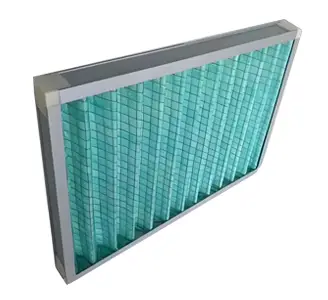
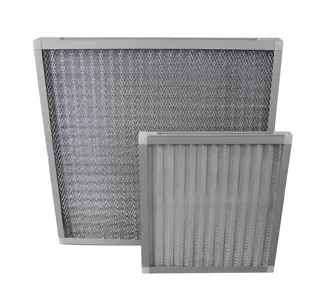
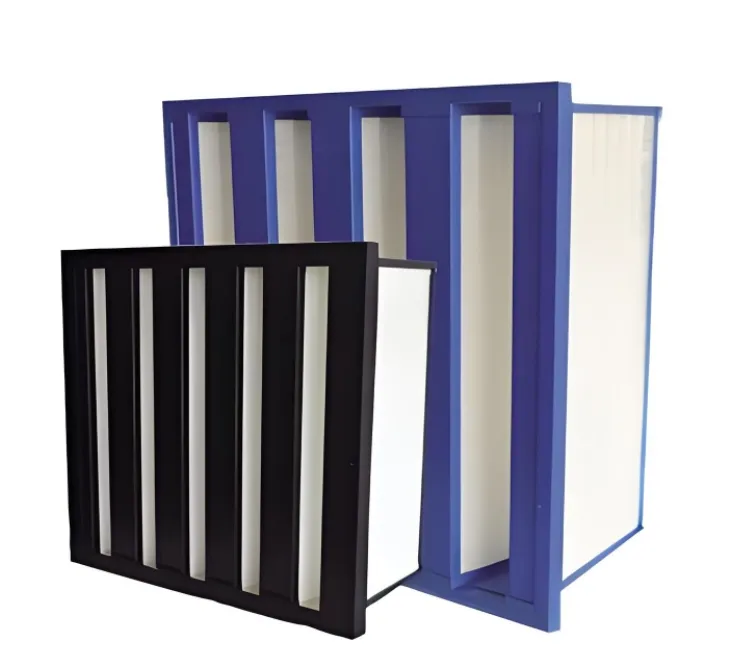
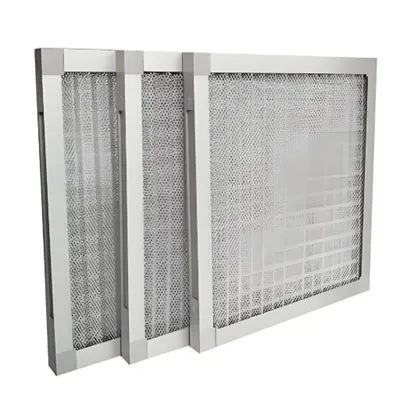
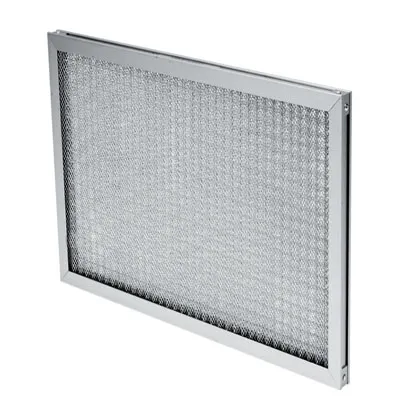
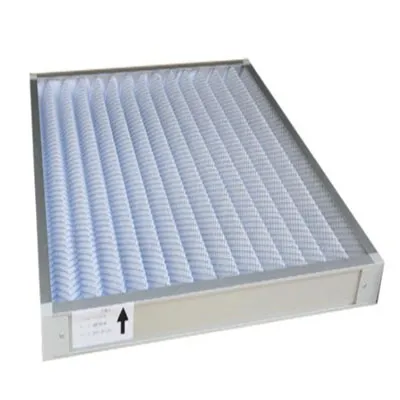
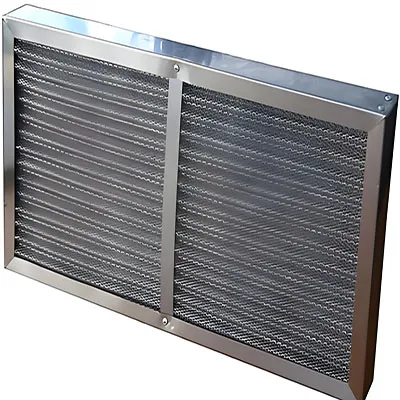
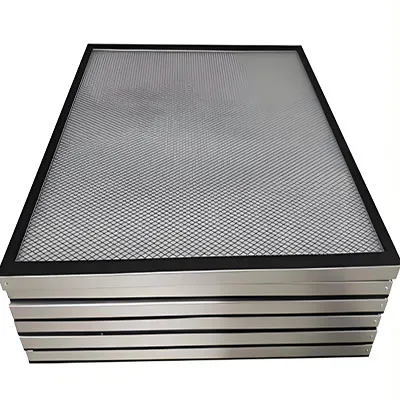
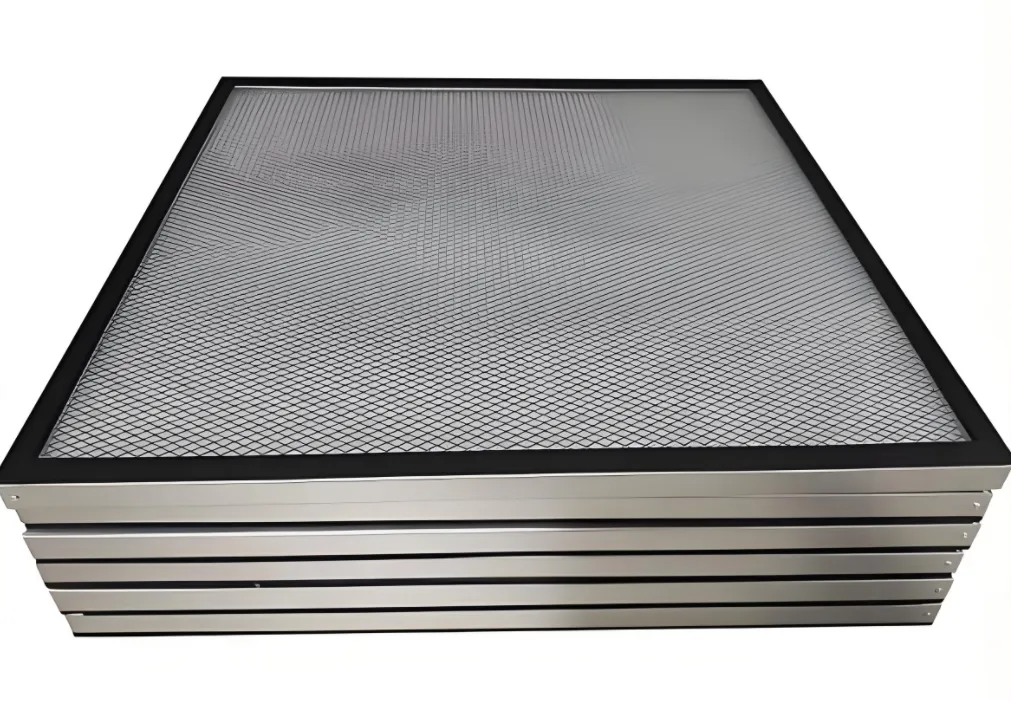
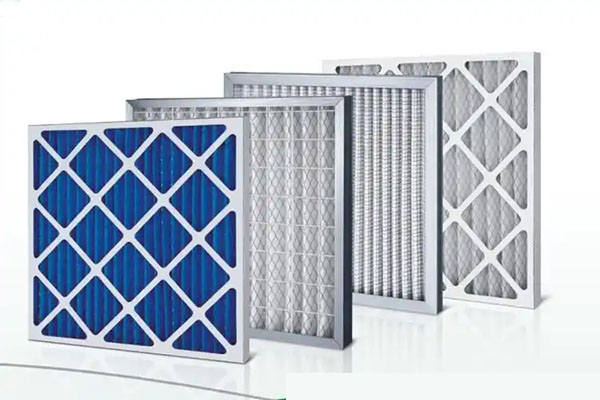
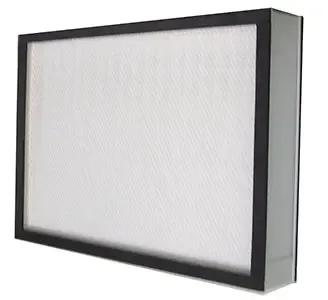
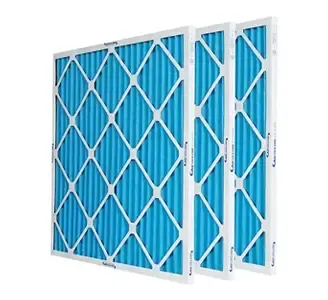
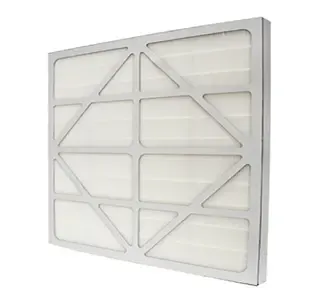
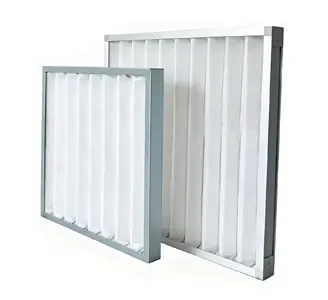
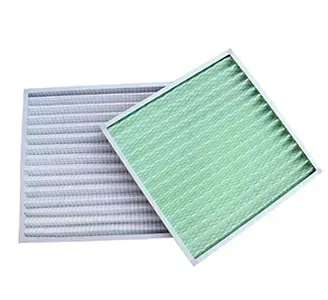
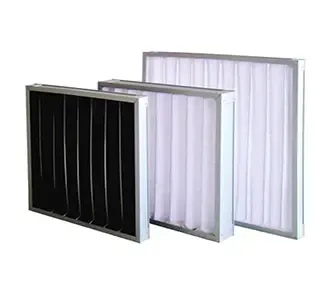
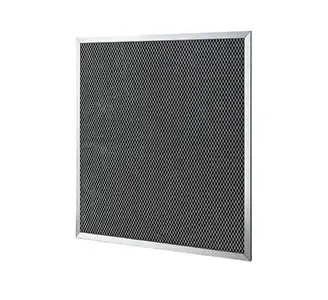
Deiiang provides multi-level cleanroom HVAC filter products.Includes pre-filters, pre-filters, medium-efficiency filters, and HEPA filters, with grade coverage as follows:
coarse filters (G1~G4), medium-efficiency filters (M5, M6), high-medium efficiency filters (F7, F8, F9), and high-efficiency/ultra-high efficiency filters: H13, H14 (HEPA), U15/U16/U17 (ULPA).
All products come with test data, material traceability, and engineering support, helping OEMs, EPCs, and facility managers configure the right filter combination for both performance and operating cost.
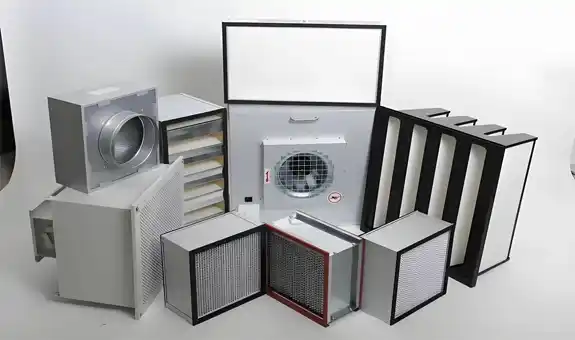
Our professional team delivers one-stop, customized air filter solutions for HVAC systems, clean environments, and specialized applications to match your exact performance needs.
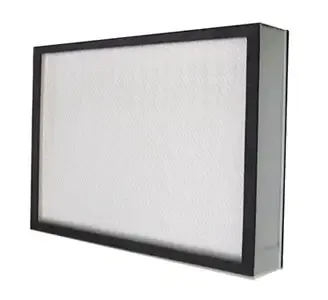
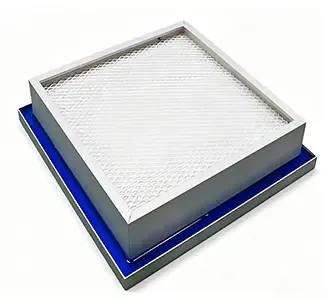
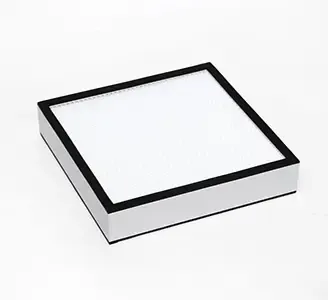
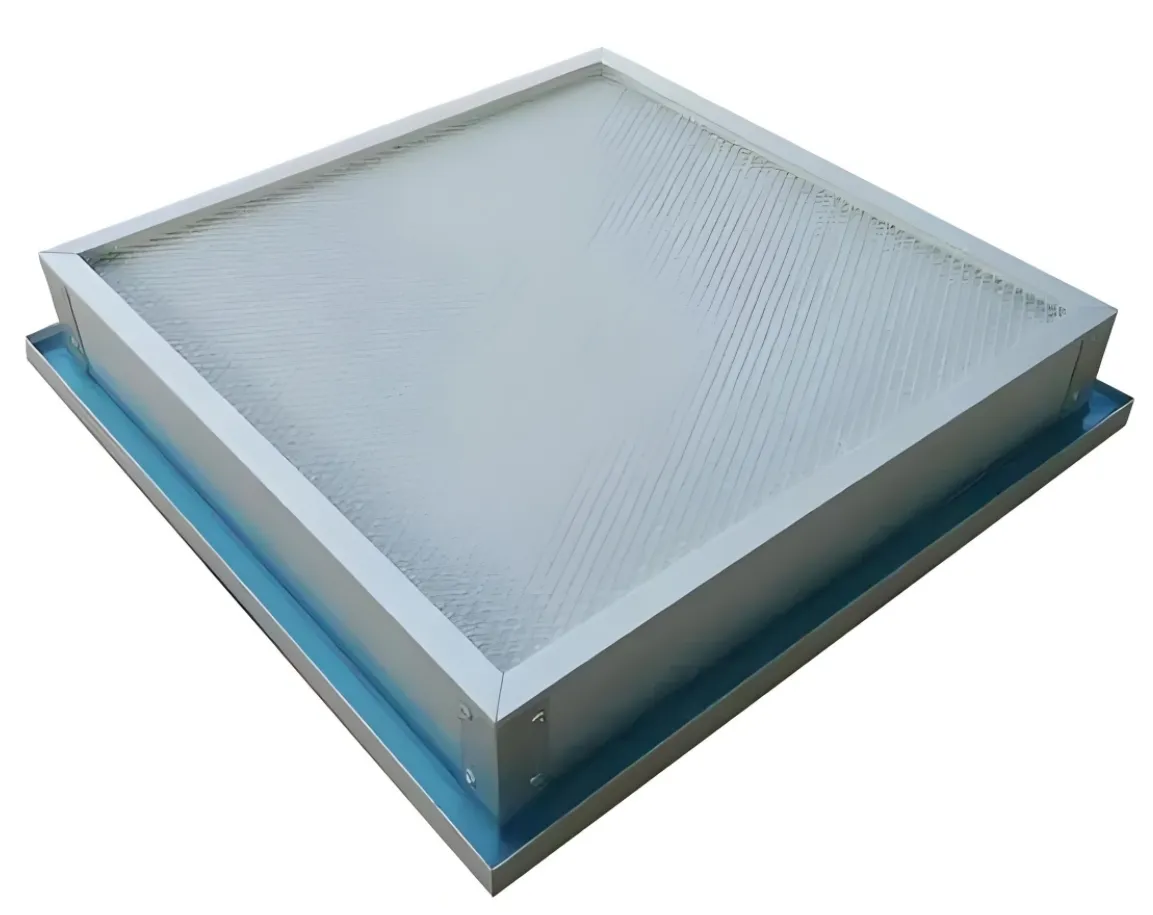



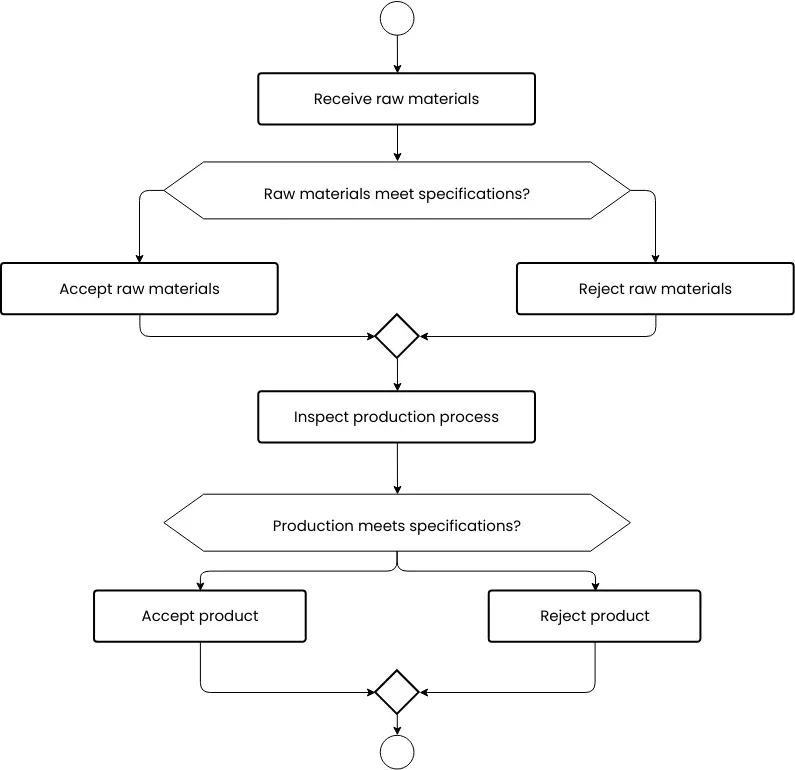
Deiiang Air Filter Quality Control Flowchart
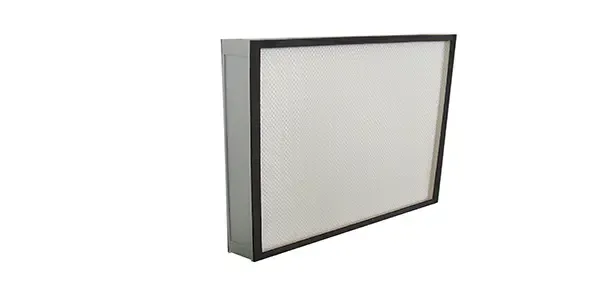
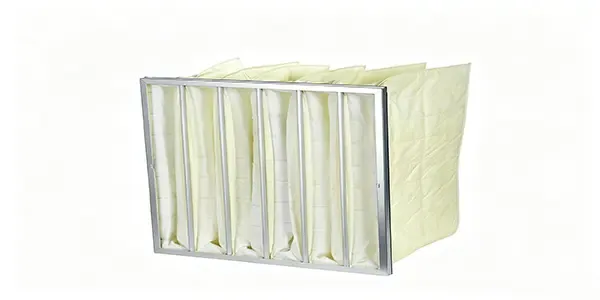
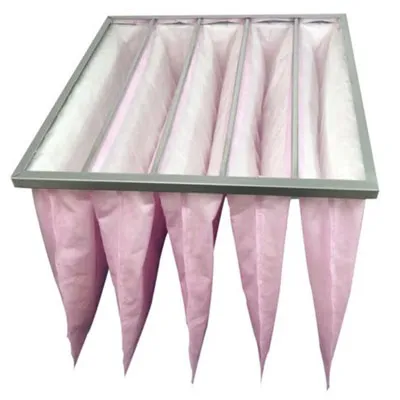
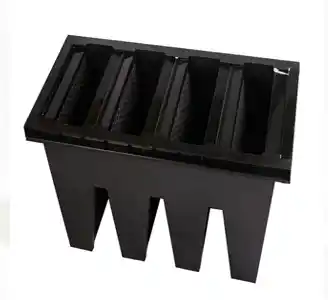
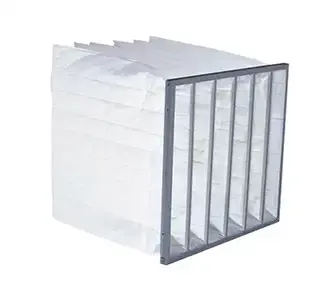
Among cleanroom‑related filters, HEPA filters and bag air filters work together but do different jobs. HEPA filters give you the final, certified clean air, while bag filters do the heavy dust work inside the AHU to protect that last stage and control lifecycle cost.
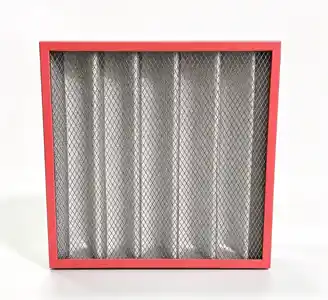
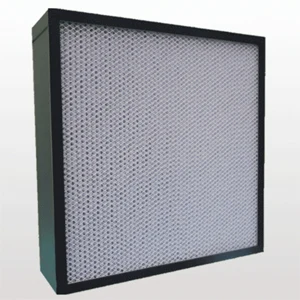
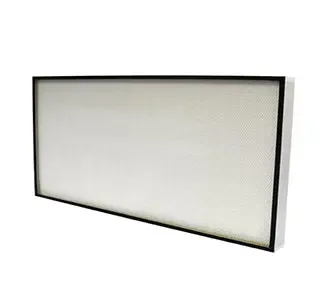
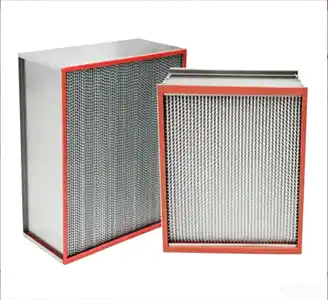
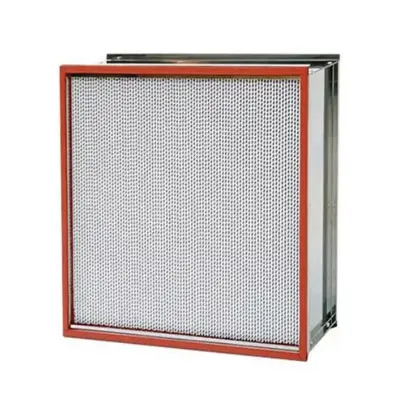
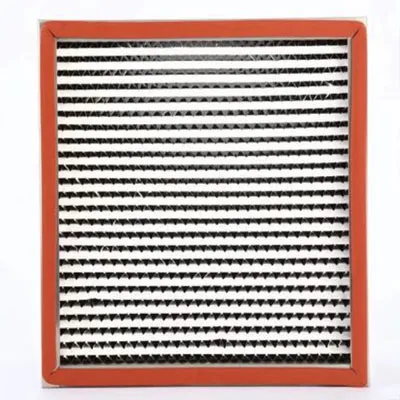
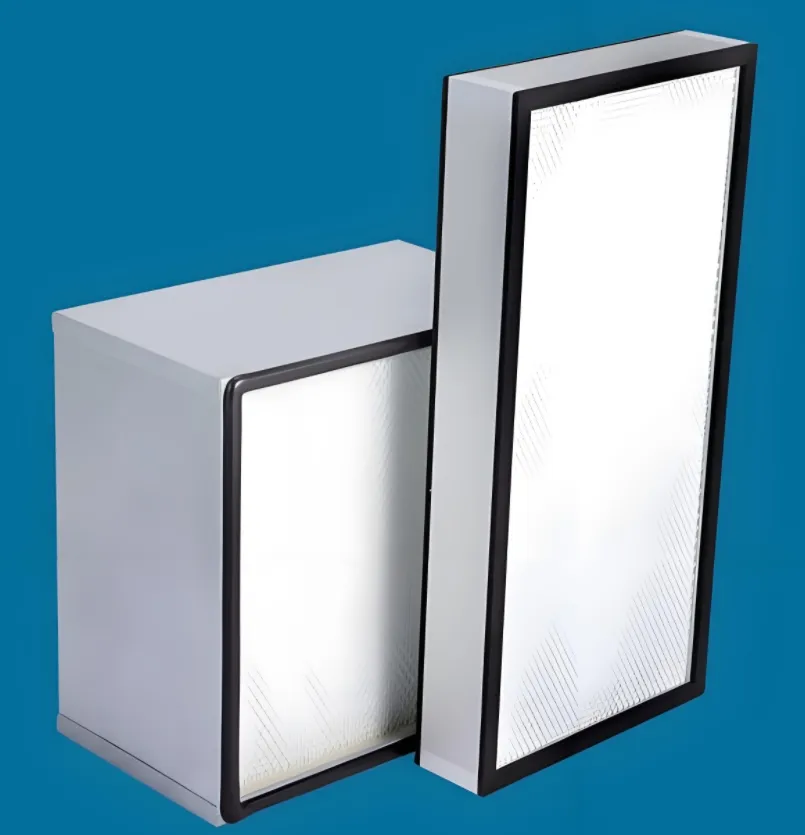
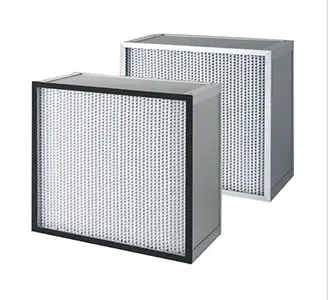
Role in the System: This HVAC filter is designed for the final stage of filtration. It captures ultra‑fine particles in the 0.1–0.3 μm range with at least 99.95% efficiency, and its performance is key for ISO classification and third‑party tests.
Installation Position: Typically installed in ceiling modules, FFUs, and terminal boxes, and supplied with on‑site leak test reports and supporting documentation.
Cost and Maintenance: Higher unit cost, higher resistance, and stricter testing. Do not let dust load build up too much, or the filter will wear fast and its performance will drift off spec.
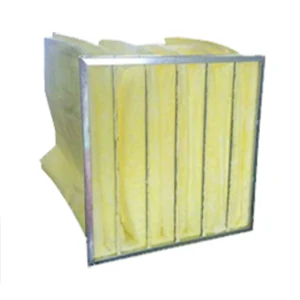
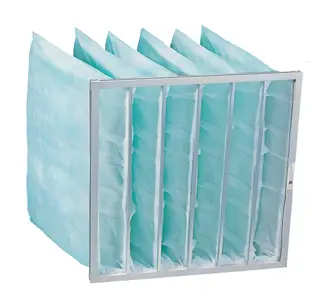
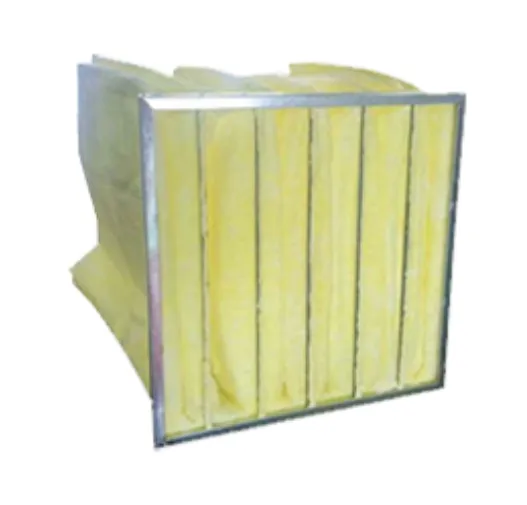
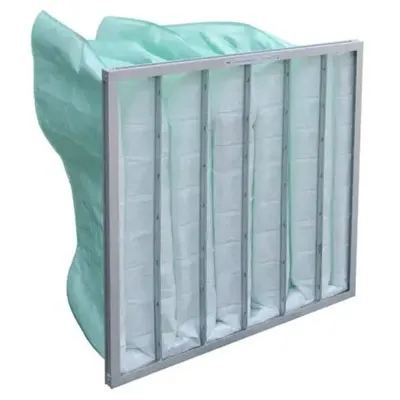
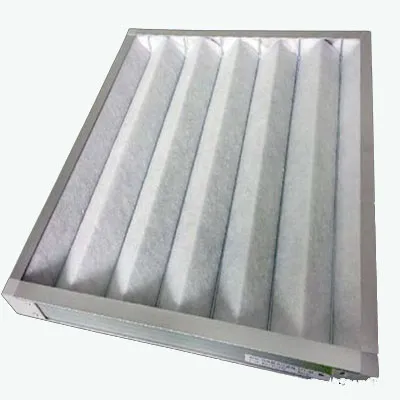
Role in the System: Acts as the medium‑efficiency stage in the AHU, intercepting most coarse and medium‑sized dust before the air reaches the HEPA filter, protecting it and extending its service life.
Installation Position: Mounted upstream in the air handling unit, typically after the pre/primary filter and before the HEPA stage in multi‑stage systems.
Cost and Maintenance: Lower cost per filtration area with very high dust‑holding capacity. replace it regularly so the HEPA filter stays clean and does not need frequent change‑outs.
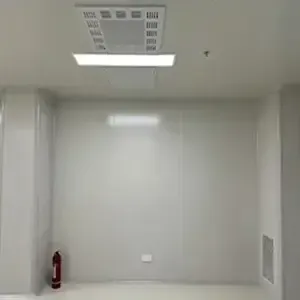
Deiiang HVAC air filters, bag filters and HEPA stages help keep GMP areas low‑particle while respecting pressure limits and validation requirements.
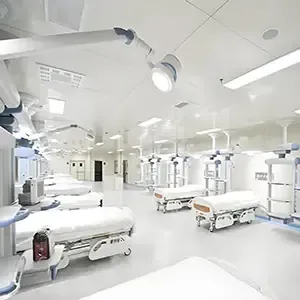
Primary, bag and HVAC HEPA filters support ICUs, isolation rooms and operating theaters, cutting airborne infection risk and supporting guidelines.
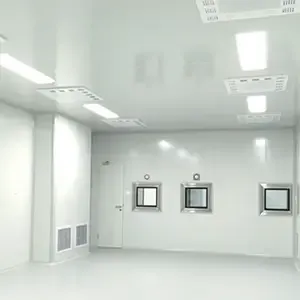
HVAC pleated filters and bag filters protect tools and boards from dust and fibers, reducing rejects and unexpected downtime.
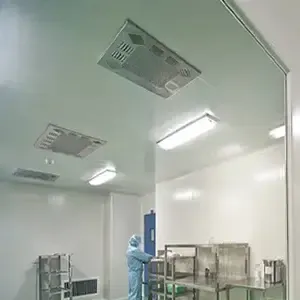
Deiiang HVAC filters help control flour dust, spores and moisture around mixers and filling lines without overloading existing AHUs.
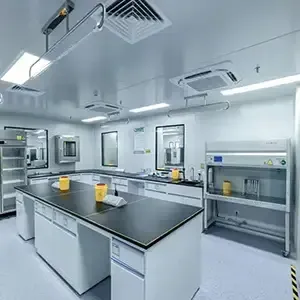
HVAC air filters, bag filters and activated carbon filters manage particles and odors around shared lab spaces and test rooms.
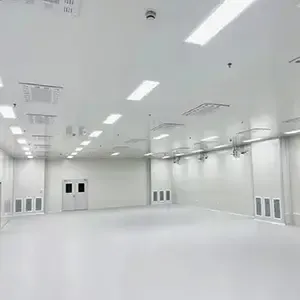
Multi‑stage HVAC filters keep assembly and packaging areas low‑dust, supporting quality checks and device cleanliness requirements.
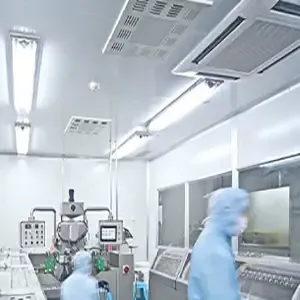
Bag filters with optional activated carbon help control powders, fragrances and solvent vapors in blending and filling rooms.
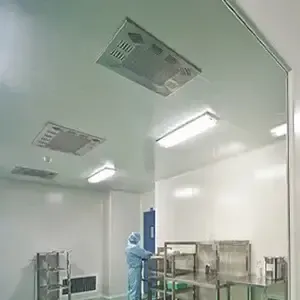
Primary, bag and HVAC HEPA filters help maintain pressure cascades and low particle counts in sterile corridors and high‑risk rooms.

Submit your product requirements, including specifications, parameters, quantity, certification requirements, etc.

We will confirm your detailed requirements within a few hours and develop a preliminary design based on them.

Once you review your quote and place your order, we'll start the manufacturing process. We also offer finishing options.

Our digital manufacturing process allows us to produce parts in as fast as 1 day.
No. HEPA filters use delicate fibrous media designed for single use, not washing.
Washing or blowing them out can damage the fibers, create leaks, and sharply reduce filtration efficiency.
To keep performance stable, HEPA filters should be replaced on a schedule based on pressure drop and operating conditions, often every 6–12 months.
HEPA filters only target solid particles. They do not remove gases, fumes, VOCs, or odors; these require activated carbon or other gas‑phase media.
Although HEPA captures ≥99.97% of 0.3 μm particles, extremely small nanoparticles and some molecular‑scale contaminants may pass through.
HEPA filters are classified mainly by their capture efficiency at a defined particle size, typically around 0.1–0.3 μm.
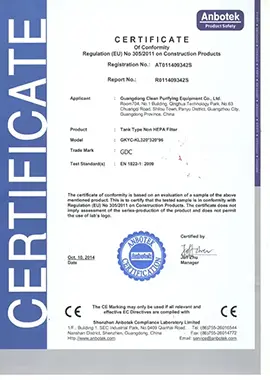
In Europe, EN 1822 (often mis‑written as EN 1722) defines classes like H13 and H14; above that are ULPA classes with even higher efficiency.
Different regions use their own standards, such as IEST guidelines in the U.S., but all link the grade to a tested filtration efficiency.
H13 HEPA filters are high‑efficiency units that capture at least 99.95% of particles around 0.3 μm, according to EN 1822.
They are widely used in cleanrooms, hospitals, and other critical spaces where very clean air is needed but full ULPA performance is not required.
A HEPA grade describes the efficiency band of the filter. A “standard” HEPA typically means ≥99.97% at 0.3 μm.
Under EN 1822, grades like H13 and H14 specify minimum efficiencies; ULPA grades go even higher for ultra‑clean applications such as some semiconductor tools.
In practice, projects choose grades based on the required air cleanliness, from general healthcare to ISO‑classified cleanrooms.
EN 1822 defines several efficiency classes, commonly H10 to H14. H10–H12 cover lower to medium HEPA levels.
H13 and H14 offer very high efficiency and are standard in medical, pharmaceutical, and high‑tech cleanrooms. Above them, ULPA filters provide even finer particle control.
HEPA filters are used in air purifiers, HVAC systems, and cleanrooms to remove dust, pollen, spores, and other particles from indoor air.
They are critical in hospitals, laboratories, pharmaceutical manufacturing, and electronics production to prevent contamination and protect people and products.
Both are high‑grade HEPA filters, but H14 has tighter efficiency: at least 99.995% of 0.3 μm particles, compared with 99.95% for H13.
H13 is common for many cleanrooms and healthcare zones; H14 is chosen for the most critical environments where even fewer particles can be tolerated.
The air filters you choose should match your cleanliness target, system design, and operating budget—not just efficiency grade or unit price. Below is a practical guide for selecting Deiiang air filters for HVAC and cleanroom projects:
1. Define Your Air Quality Target
Clarify whether the project is comfort HVAC, industrial ventilation, or an ISO/GMP cleanroom.
Required cleanliness class and particle size range determine if you only need pre/medium filters, or if HEPA/ULPA and gas‑phase (carbon) stages are also mandatory.
For regulated pharma, biotech, and healthcare projects, Deiiang typically recommends a multi‑stage configuration aligned with ISO and GMP expectations.
2. Check System Pressure and Space
Before upgrading efficiency, check fan capacity, allowable pressure drop, and available installation depth in your AHU or terminal units.
Deiiang provides pressure‑drop data and size options so that higher‑grade filters do not overload existing fans or require unplanned mechanical changes.
Proper sizing at this stage helps keep both energy use and retrofit risk under control.
3. Build a Multi‑Stage Setup
Instead of relying on a single “high‑grade” filter, design a staged system such as:
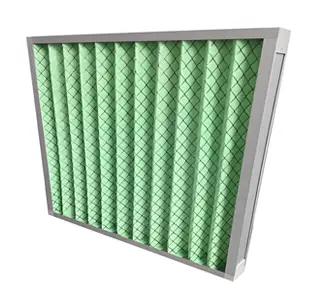
pre / primary → medium / bag → HEPA / carbon.
This structure captures large dust first, then medium particles, and finally fine particles and gases, protecting downstream filters, extending HEPA life, and reducing lifecycle cost.
4. Match Filter Type to Contaminants
Choose filter media based on what you actually need to remove from the air.
Dust, fine particles, microbes → primary, medium, HEPA stages.
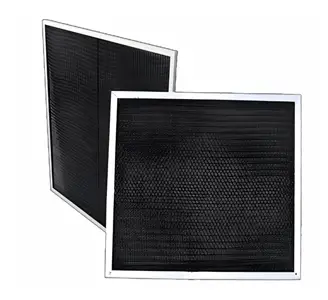
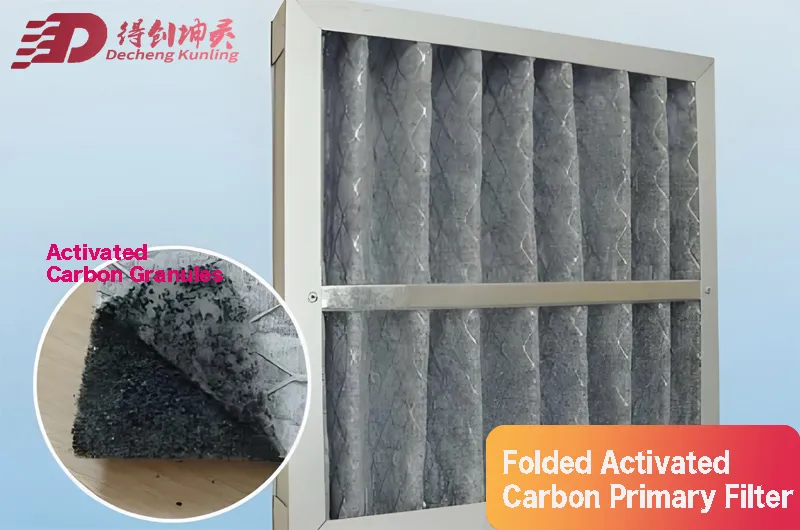
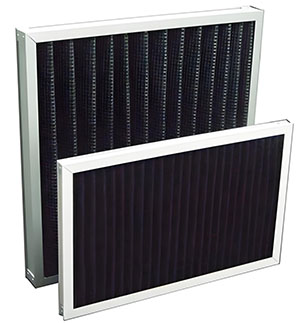
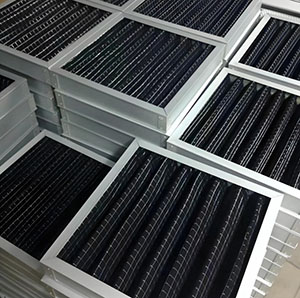
Odor, VOCs, solvents → activated carbon or carbon‑HEPA hybrid filters.
High temperature or harsh, corrosive environments → high‑temperature or metal‑frame designs with suitable media.
This targeted selection prevents over‑specifying filters that add cost without improving real‑world results.
5. Ask for Proof and Documentation
For pharma, healthcare, and high‑tech projects, always request efficiency and leak test data, material specifications, and batch traceability.
Deiiang supplies documentation packages to support ISO and GMP audits, helping owners, EPCs, and validation teams verify that each filter stage meets the required performance and compliance level.
Clear documentation also makes future maintenance, replacement, and re‑qualification more predictable and controllable.