wap_menu MENU
X
Trusted by
companies like
FLIR Logo 1
electrolux Logo 3
abb Logo 4
bmw Logo 5
i-dent Logo 6
SINOPEC Logo 7
CATL Logo 8
INOVANCE Logo 9
EVE Logo 10
HONDA Logo 11
FOXCONN Logo 12

Cleanroom Epoxy Paint

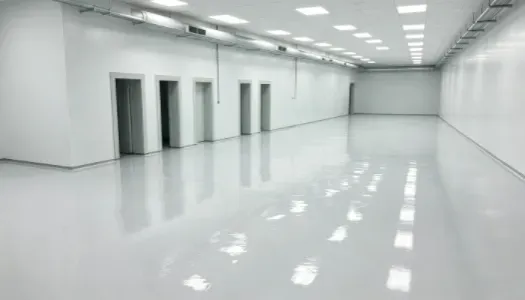
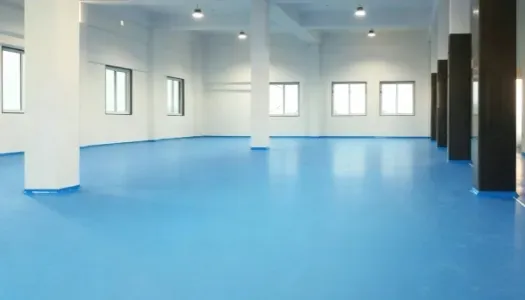
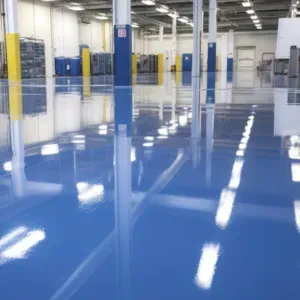
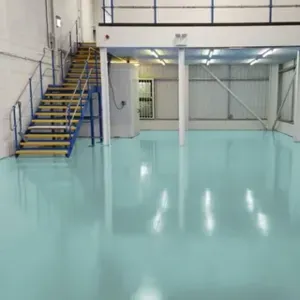
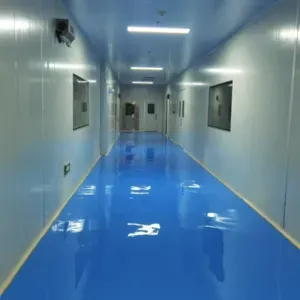
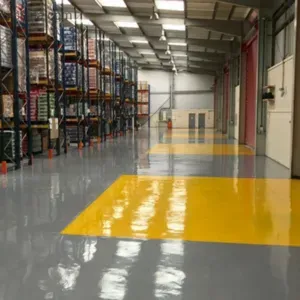
Cleanroom epoxy paint is a high-performance paint. It is designed specifically for controlled environments such as cleanrooms, laboratories, and healthcare facilities.It can be used to create smooth, seamless, durable, and easy-to-clean flooring.It also possesses excellent chemical resistance, moisture resistance, and antibacterial properties, helps maintain a sterile environment, and supports the implementation and management of comprehensive contamination control.

Cleanroom Epoxy Paint

Need cleanroom‑ready epoxy paint?

Our expert team supplies high‑performance cleanroom epoxy paint for seamless, non‑porous surfaces that resist chemicals, microbes, and wear in critical environments.

Types Of Cleanroom Epoxy Paint

Explore Deiiang cleanroom epoxy paint systems engineered for low VOC, easy‑to‑sanitize, contamination‑resistant finishes in pharmaceutical, healthcare, electronics, and high‑tech facilities.
Self‑leveling cleanroom epoxy flooring
Seamless, smooth epoxy coating that levels itself for dust‑free cleanroom floors.
Send inquiry Now
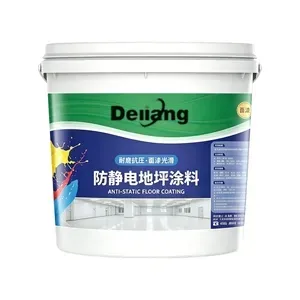
Anti‑static cleanroom epoxy paint
Epoxy coating that dissipates static to protect sensitive electronics and processes.
Send inquiry Now
Conductive cleanroom epoxy paint
Highly conductive epoxy system for ESD‑critical cleanroom flooring.
Send inquiry Now
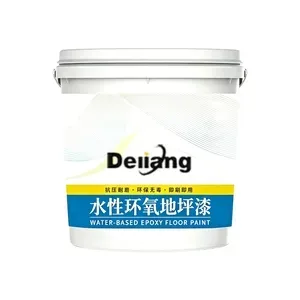
Water‑based cleanroom epoxy paint
Low‑odor, low‑VOC epoxy coating for occupied or odor‑sensitive cleanrooms.
Send inquiry Now


ABOUT

Learn More About Deiiang Cleanroom Epoxy Paint

Aerial view of Deiiang Company
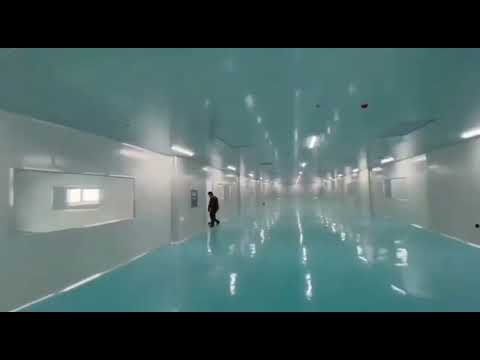
yrzT0tKmRYs Completed display of epoxy resin flooring in cleanroom

Completed display of epoxy resin flooring in cleanroom

oTvZXXHJoK4 Epoxy resin floor paint mixing

Epoxy resin floor paint mixing

9fjsbKkNk3A Epoxy Resin Floor Coating Intermediate Coating Construction Site

Epoxy Resin Floor Coating Intermediate Coating Construction Site

4WiUKWJgobg Close-up of epoxy resin floor paint topcoat application

Close-up of epoxy resin floor paint topcoat application

H-1M50WlymI Epoxy resin floor paint topcoat roller coating

Epoxy resin floor paint topcoat roller coating

0U3nl_MiEJs Finished effect of epoxy flooring in cleanroom

Finished effect of epoxy flooring in cleanroom

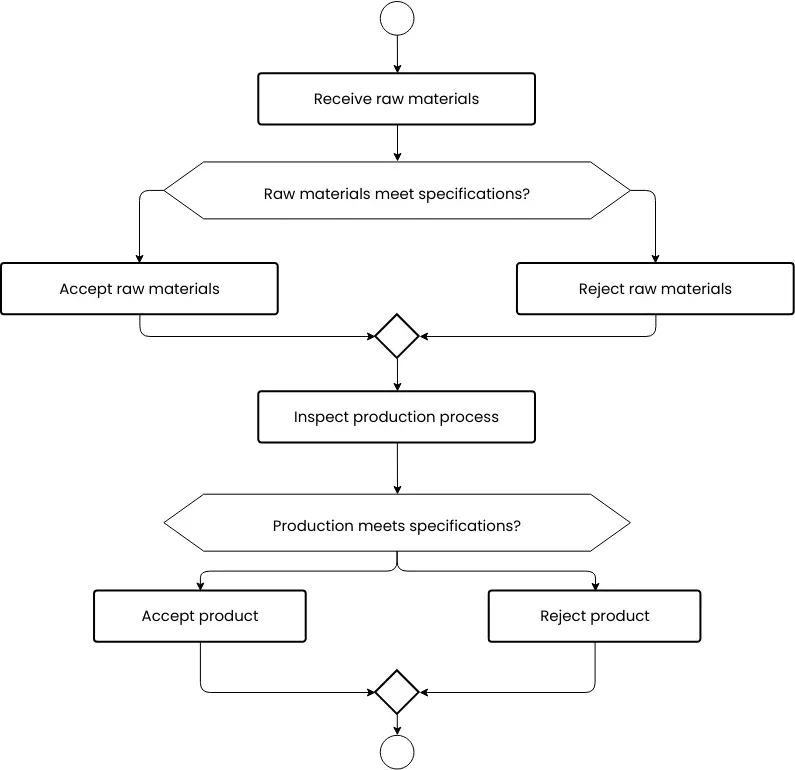
Deiiang Cleanroom Epoxy Paint Quality Control Flowchart

Cleanroom quality control flowchart

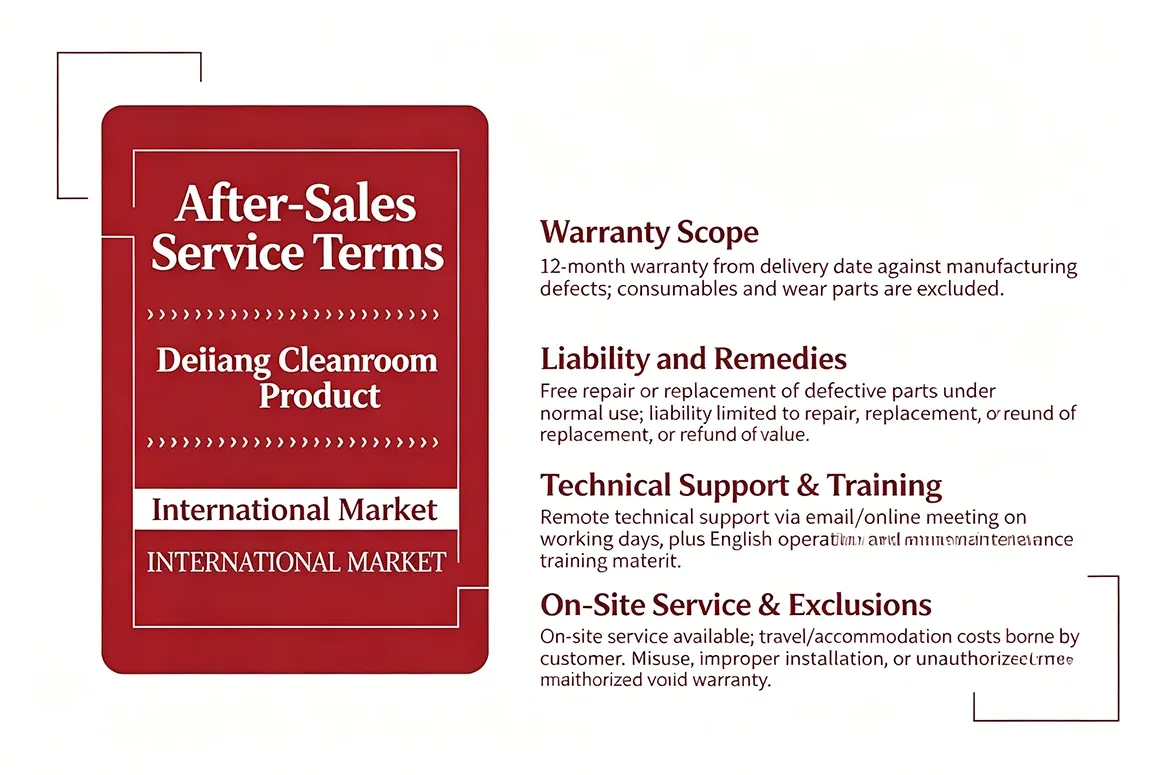
24-hour after-sales service commitment

Technical Resources

Total 0 resources

How to Work With Us

Upload CAD File

Upload a CAD File

To start, simply select a manufacturing process and upload a 3D CAD file.

Get Quote with DFM

Get Quote with DFM

Within a few hours we'll send you design for manufacturability (DFM) analysis and real-time pricing.

Manufacturing Begins

Manufacturing Begins

Once you review your quote and place your order, we'll start the manufacturing process. We also offer finishing options.

Parts are Shipped

Parts are Shipped!

Our digital manufacturing process allows us to produce parts in as fast as 1 day.

Customer feedback reflects our value—take a look at what our customers say about our products and services.

I purchased Deiiang's Self-leveling Cleanroom Epoxy Flooring for the cleanroom flooring, it was very smooth and easy to clean after completion. Even after repeatedly rolling a cart back and forth over it, there were no issues with cracking or peeling.

Jae‑hoon Choi

The entire floor of our production line is coated with anti-static cleanroom epoxy paint, providing excellent anti-static performance. The instrument test data is highly accurate, and the issue of powder shedding from the floor has not recurred. The recent security audits have all passed on the first try, Deiiang's after-sales team is also very cooperative, a pleasant shopping experience.

Eliza Nowak

I had the workers come in and do epoxy paint on both the walls and the floor in the lab so everything looks n and uniform now. There was no discoloration or peeling, even with chemical reagent spills and daily wiping with disinfectant. Quality’s really solid, way better than I expected!

Tariq Suleiman

We chose this conductive cleanroom epoxy paint for the core area floor of our cleanroom. The floor’s super wear‑resistant and not slippery at all, and the ESD readings have been staying well within the spec. The texture feels really nice, too.

Marek Kral

I purchased cleanroom epoxy paint from Deiiang and applied it to the sterile production area. The seamless finish is great, basically no hygiene dead corners, and our cleaning lady says it’s way easier to clean than the old caulked flooring we had before. Been using it for a few months now and there’s zero fading or bubbling. Both my boss and visiting clients have been pretty impressed with how the floors and walls look overall during audits and walkthroughs.

Zhao Lihua

This water‑based cleanroom epoxy paint has almost no smell, and we were able to get back in and start working not long after they finished the job. The floor looks super clean and fresh—definitely worth recommending.

Nathan Collins

epoxy floor coating VS polyurethane floor coating

Epoxy Floor Coating
Epoxy Floor Coating
VS
Polyurethane Floor Coating

Epoxy Floor Coating

The coating forms a hard, dense, and seamless film. High chemical resistance and abrasion resistance, ideally suited for cleanrooms, warehouses, and production workshops with high foot traffic and frequent material handling.

It has very strong adhesion to concrete, if the initial groundwork is done properly, its lifespan is very long.However, it has relatively low tolerance for cracking and deformation in the substrate.

It is particularly suitable for environments that frequently involve chemicals, forklift crushing, and have very strict hygiene standards. For example, industries such as pharmaceuticals, food, and electronics.

Harder than polyurethane, but also more brittle. If there is a need for impact or thermal shock, special assessments and designs must be prepared in advance.

More suitable for those seeking ultimate durability and chemical resistance, and who want a durable industrial flooring solution that offers excellent value for money.

Polyurethane Floor Coating

After curing, it forms a coating with greater elasticity and flexibility.It is better able to withstand impact, vibration, and slight concrete deformation, and is less prone to cracking.

It has strong resistance to thermal shock and temperature changes, it is highly popular in cold storage facilities, baking workshops, kitchens, and industries requiring hot water or steam cleaning.

It generally has better heat resistance and color stability than epoxy floor coating, it is a better choice for areas exposed to sunlight or where high aesthetic standards are required.

It's a bit softer, so its abrasion resistance and chemical resistance may be slightly inferior, but it feels more comfortable underfoot and also helps reduce noise.

Suitable for high-standard environments that demand superior comfort, impact resistance, and resistance to temperature fluctuations, while also requiring hygiene and ease of cleaning.

Frequently Asked Questions (FAQ)
What is cleanroom floor paint?

Cleanroom floor paint, as the name suggests, is a floor coating specifically designed for controlled environments, commonly used in laboratories, pharmaceutical production areas, etc.It provides a seamless, durable, and easy-to-clean floor, this helps maintain hygiene and prevent contamination.These types of coatings are usually specially formulated, it can perfectly meet the stringent requirements of cleanroom environments, and it holds up really well against chemicals, moisture, and everyday wear and tear.

How do I apply cleanroom epoxy paint?

Before applying cleanroom epoxy paint, you need to clean the ground thoroughly first, and remove dust, grease, old coatings. Once ready, follow the product instructions provided to mix and blend. Then apply using a roller or brush, Start brushing from one corner of the room toward the exit, avoiding stepping on the wet paint.Try to roll it on as evenly and smoothly as you can, and make sure you leave enough curing time between each coat so the performance stays nice and stable.

What are the benefits of using cleanroom epoxy paint?

Seamless surface, easy to clean

Resistant to chemicals and moisture, and inhibits microbial growth

High durability and long service life

All these features really help keep cleanrooms and labs sterile and lower the risk of contamination.

Can cleanroom floor paint be used in pharmaceutical environments?

Yes, and it's very suitable.Cleanroom floor epoxy gives you a smooth, dense, seamless surface that doesn’t easily trap or attract contaminants.It also handles all the strong cleaners and disinfectants you usually see in pharma plants with no problem, so you get a longer‑lasting floor, and it’s a lot easier to hit the required cleanliness and compliance standards

How long does cleanroom epoxy paint last?

Cleanroom epoxy paint is super durable, the exact lifespan really depends on how much foot traffic you’ve got, how often you clean, and how much chemical exposure the floor sees. In most cleanrooms and labs, as long as it’s installed properly and used under normal conditions, you’re usually looking at around 5–10 years before you need any touch‑ups or a full recoat.It lasts a long time and stays pretty stable performance‑wise, so for places that need to stay clean over the long run, it's a really good deal for the money.

What is the cost of cleanroom floor paint?

The price’s gonna vary depending on the type of epoxy you pick and how big the actual area is.Normally, the material cost for cleanroom epoxy paint runs around $2–8 per sq ft, and higher‑end stuff or custom formulas are gonna be more expensive.When you’re running the numbers, it’s better to factor in how long it’ll last and how much you’ll save on maintenance down the line, not just stare at the price per square foot.

How do I prepare a surface for cleanroom epoxy paint?

Surface prep is super important for getting cleanroom epoxy paint to really stick.First you’ve gotta clean the floor really well and get rid of all the dust, oil, and any other junk on the surface.If there’s old paint or coating on there, you’ll need to remove that too, then patch up any cracks or holes.Then you can lightly roughen up the surface by grinding or shot‑blasting so the coating can “lock in” to the concrete better.And last thing, make sure the floor’s totally dry with no moisture issues before you even start rolling on the epoxy.

Is cleanroom floor paint resistant to chemicals?

Yes, especially with cleanroom epoxy paint, it holds up really well against a whole range of chemicals—acids, alkalis, solvents, plus all the usual cleaners and disinfectants you use in cleanrooms and labs.This strong chemical resistance keeps the floor from getting eaten away or breaking down, so the coating stays solid and durable for the long haul.

Can cleanroom epoxy paint be used in laboratories?

Totally, and it’s actually super common.Cleanroom epoxy paint’s got great chemical, moisture, and stain resistance, and it creates a smooth, seamless surface that doesn’t really trap dust, dirt, or bacteria.It’s also super easy to take care of and clean, so it’s a great fit for labs where you need to disinfect and wash the floors all the time.

Is cleanroom epoxy paint slip-resistant?

Sure, we can make it slip‑resistant.We can totally customize it for you,such as add anti-slip particles or additives to cleanroom epoxy paint during the preparation or application stage, to create a suitable texture on the surface, increases friction.In areas where you’re likely to have water, cleaning solutions, or other slippery stuff on the floor,this kind of anti‑slip treatment can seriously boost overall safety.

How to choose Cleanroom Epoxy Paint?

1

Substrate Condition

Check concrete strength, cracks, moisture, and old coatings—good surface condition is critical before choosing any cleanroom epoxy system.

2

Cleanliness & Chemical Load

Confirm how often you sanitize, which disinfectants you use, and what chemical spills the cleanroom epoxy paint must tolerate.

3

Performance Level

Decide if you need standard Cleanroom Epoxy Paint, Anti‑static, or Conductive versions for ESD‑sensitive equipment and processes.

4

Hygiene & Finish

Choose gloss level, color, and seamless coving options to reduce dirt traps and make routine cleaning faster and more consistent.

5

Slip & Safety Requirements

Specify smooth or slip‑resistant finishes based on wet areas, trolley traffic, and internal safety or OSHA‑driven policies.

6

Installation Window

Plan around shutdown time, curing schedule, and odor limits so epoxy installation won’t disrupt critical production or validations.

7

Lifecycle Cost

Balance upfront price with expected service life, maintenance effort, and ease of future touch‑ups or partial recoating.

Follow these steps to choose the right Cleanroom Epoxy Paint system for your facility and keep compliance, safety, and uptime on track.

Home

PHONE

Email

Inquiry