+86 13638632902
 Jason@cleanroomequips.com


 MENU
MENUcompanies like











How to Work With Us

Submit Requirements
Provide your site dimensions, required ISO class, and industry-specific needs (GMP, ESD, etc.) to our experts.

Custom Technical Proposal
Receive a detailed design proposal within 24 hours, including airflow strategies, material lists, and transparent pricing.

Modular Production
We manufacture your modular panels, HVAC units, and FFUs with strict QC to ensure full compliance with ISO 14644 standards.

Global Shipping & Setup
Fast global logistics followed by onsite installation guidance and performance validation to get you operational quickly.
FAQ
1. How to perform a visual inspection of a Horizontal Laminar Flow Cabinet?
To perform a visual inspection of a Horizontal Laminar Flow Cabinet, start by ensuring the cabinet is turned off and unplugged. Examine the exterior for any physical damage, such as dents or scratches. Open the front shield and inspect the interior surfaces for cleanliness and integrity. Check the condition of the pre-filters and HEPA filters for signs of wear or contamination. Ensure that all control switches, lights, and gauges are functioning properly.
2. How to set up a Horizontal Laminar Flow Cabinet in a laboratory?
Setting up a Horizontal Laminar Flow Cabinet involves selecting a suitable location with minimal air disturbance and ensuring a stable, level surface. Unpack the cabinet carefully, following the manufacturer's instructions. Place it in the designated area, connect it to a power source, and verify that the airflow direction is correct. Calibrate the airflow using the built-in controls and ensure all safety features are operational.
3. What materials are used in the construction of laminar flow cabinets?
Laminar flow cabinets are typically constructed using the following materials:
Stainless steel for the work surface and exterior panels.
Glass or acrylic for the front shield.
HEPA filters for air filtration.
Aluminum frames and supports for structural integrity.
4. What are the main applications of a Horizontal Laminar Flow Cabinet?
Horizontal Laminar Flow Cabinets are used primarily in laboratories for applications that require a sterile environment. These include cell culture, microbiological work, pharmaceutical preparations, and any procedures involving non-pathogenic materials. They provide a controlled, contaminant-free workspace by filtering incoming air through HEPA filters and maintaining a consistent laminar airflow across the work surface.
5. What is the noise level of a typical Horizontal Laminar Flow Cabinet?
The noise level of a typical Horizontal Laminar Flow Cabinet is generally between 50 to 65 decibels, which is comparable to a normal conversation. This noise level can vary based on the model and the fan speed settings.
6. How often should HEPA filters be replaced in a laminar flow cabinet?
HEPA filters in a laminar flow cabinet should be replaced every 1 to 3 years, depending on usage and environmental conditions. Regular monitoring and efficiency tests can help determine the optimal replacement schedule.
7. What is the difference between horizontal and vertical laminar flow cabinets?
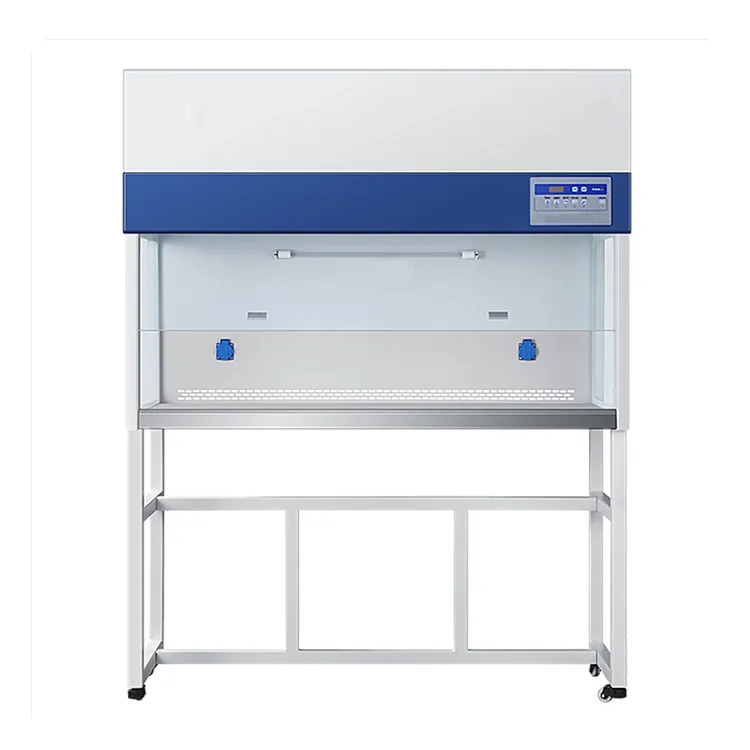
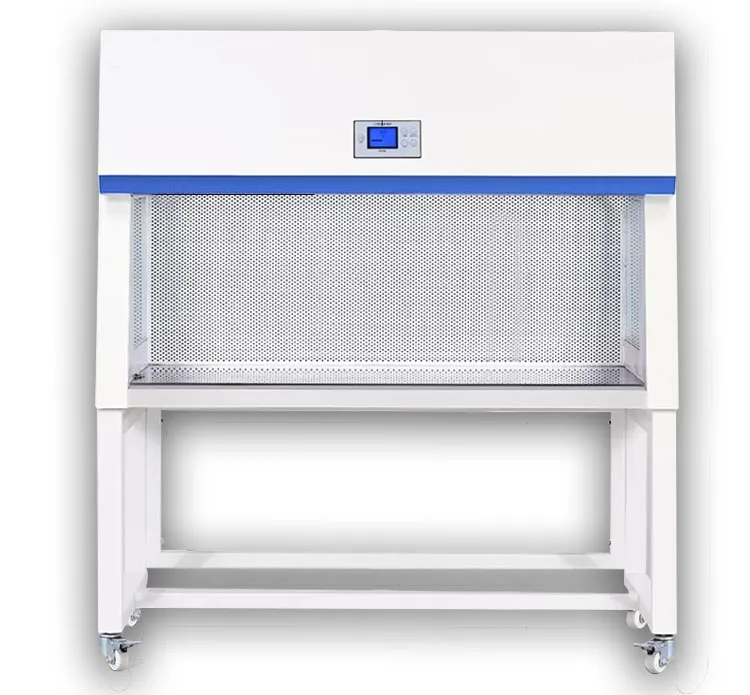
Horizontal Laminar Flow Cabinets direct air horizontally from the back of the cabinet towards the user, providing a sterile airflow across the work surface. Vertical Laminar Flow Cabinets direct air vertically from the top of the cabinet downwards, protecting both the work surface and the user. The choice between the two depends on the specific application and workspace requirements.
8. How to replace the filters in a Horizontal Laminar Flow Cabinet?
To replace the filters in a Horizontal Laminar Flow Cabinet, first, turn off the unit and unplug it. Remove the front shield or access panel to expose the filters. Carefully remove the pre-filters and HEPA filters, avoiding any contact with the filtered surfaces. Install the new filters in the same orientation, ensuring a proper seal. Reassemble the cabinet and perform a test run to verify the airflow and filtration efficiency.
9. What are the benefits of using a Horizontal Laminar Flow Cabinet?
Using a Horizontal Laminar Flow Cabinet provides several benefits:
Ensures a contaminant-free work environment.
Protects samples and processes from airborne particulates.
Enhances precision and reliability in sensitive applications. These benefits make it an essential tool in various scientific and industrial fields.
10. How does a Horizontal Laminar Flow Cabinet work?
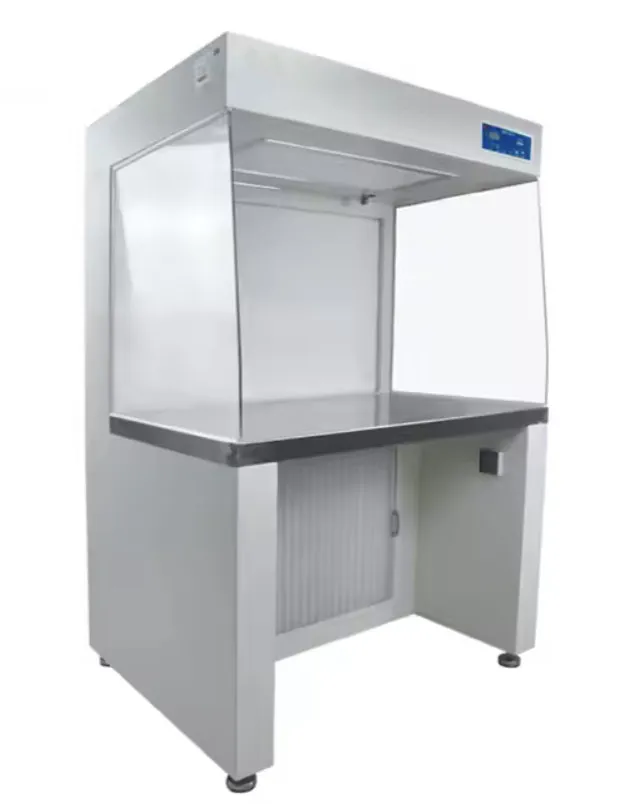
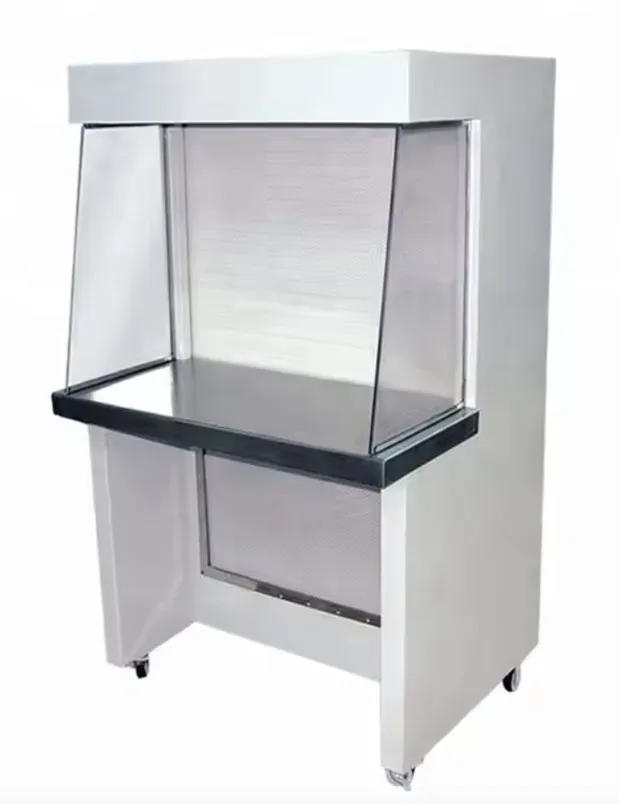
A Horizontal Laminar Flow Cabinet works by drawing air through a pre-filter and passing it through a HEPA filter. The filtered air is then directed horizontally over the work surface, creating a sterile environment. This laminar airflow prevents contamination by sweeping away particulates and maintaining a consistent, unidirectional flow across the workspace.
11. What are the regulatory standards for Horizontal Laminar Flow Cabinets?
Regulatory standards for Horizontal Laminar Flow Cabinets include ISO 14644 for cleanroom environments, NSF/ANSI 49 for biosafety cabinetry, and various local or industry-specific guidelines. These standards ensure that the cabinets provide adequate contamination control and safety for laboratory personnel.
12. How do I maintain and clean a Horizontal Laminar Flow Cabinet?
Maintaining and cleaning a Horizontal Laminar Flow Cabinet involves regular cleaning of the work surface with appropriate disinfectants, checking and replacing filters as needed, and ensuring that fans and blowers are functioning correctly. Periodic professional servicing and certification are also recommended to maintain optimal performance.
13. How to optimize the performance of a Horizontal Laminar Flow Cabinet?
To optimize the performance of a Horizontal Laminar Flow Cabinet:
Regularly clean and disinfect the interior surfaces.
replace filters according to the manufacturer's schedule.
Avoid cluttering the work surface to maintain proper airflow.
Perform routine maintenance checks on all components.
14. How do I test and validate the performance of my laminar flow cabinet?
Testing and validating the performance of a laminar flow cabinet involves conducting airflow velocity tests, HEPA filter integrity tests, and particle counting. These tests ensure that the cabinet meets the required standards and provides a contaminant-free environment. Regular validation should be performed by certified professionals.
15. How much does a Horizontal Laminar Flow Cabinet cost?
The cost of a Horizontal Laminar Flow Cabinet varies based on size, features, and manufacturer. Prices typically range from $2,000 to $10,000. It's important to consider the specific needs and compliance requirements when choosing a cabinet.
16. What are the benefits of a dual-filter system in a Horizontal Laminar Flow Cabinet?
A dual-filter system in a Horizontal Laminar Flow Cabinet offers enhanced protection by using both a pre-filter and a HEPA filter. The pre-filter captures larger particles, extending the life of the HEPA filter. This setup improves overall filtration efficiency and ensures a longer operational lifespan for the cabinet.