+86 13638632902
 Jason@cleanroomequips.com


 MENU
MENUcompanies like











Need a Compliance Benchtop Particle Counter solution?
Deiiang provides professional Compliance Benchtop Particle Counter solutions
Specifications & Models
Built for the Audit, Not Just the Measurement
Built for the Audit, Not Just the Measurement
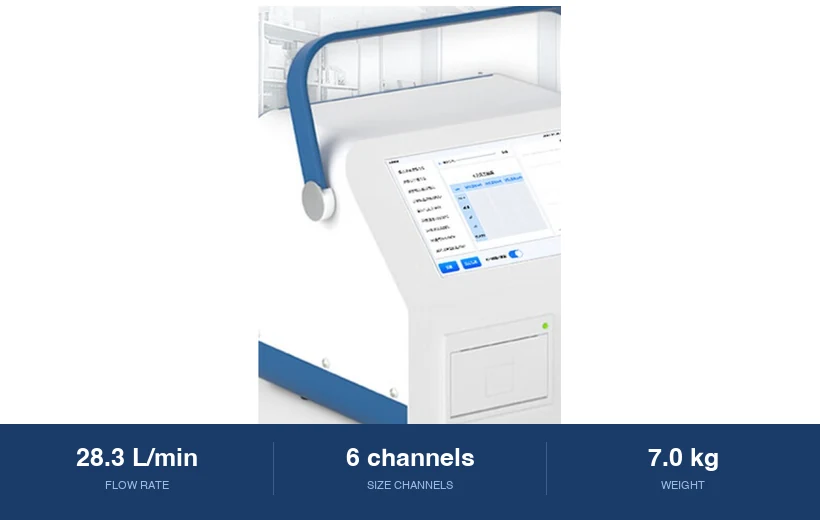
In a regulated plant the instrument is only half the system; the other half is the record. The B310 keeps an audit trail with user levels aligned to 21 CFR Part 11 expectations, and corrections are appended rather than applied.
- Records cannot be edited — a correction becomes a new entry, which is what an inspector expects to see.
- Each record stores the operator, the limit set used and the calibration due date.
- Automatic grade judgement with 95% UCL across multiple sample points.
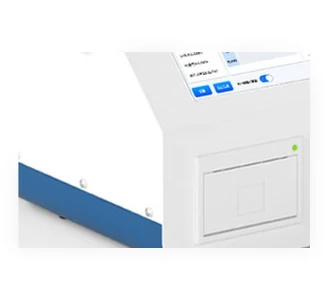
The printout includes signature and date fields, because a page without them is not a batch record.
Grade B and C Classification Without a Cart
Grade B and C Classification Without a Cart
A 1 CFM instrument that runs from AC or DC means the sample can continue through a power dip, and the room does not need to be re-entered to restart the run.
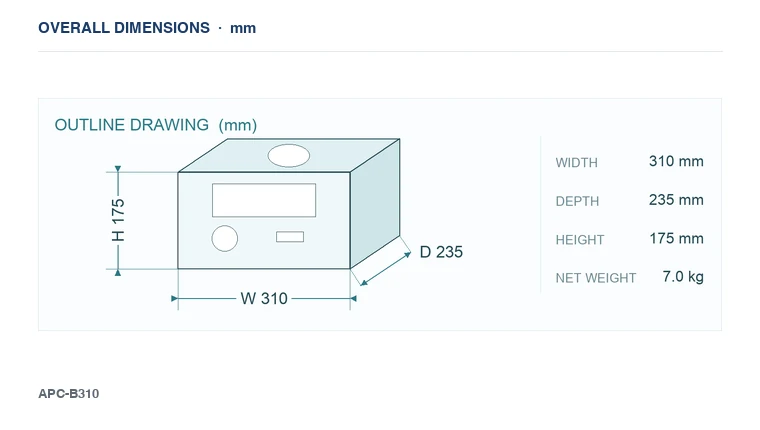
- Flow — 28.3 L/min ± 5%; four hours on the 24 V pack, then straight to mains.
- Typical use — GMP monitoring, inspection readiness, Grade B and C classification, contamination control strategy work.
- UCL and grade — computed per room and printed as one page.
One page per room is a deliberate choice: annexes get separated from reports, and a single page does not.
Records an Inspector Will Accept
Records an Inspector Will Accept
100,000 records with an audit trail attached, exported over USB, RS-232 or Ethernet. The instrument stores the limit set that was active when the sample ran, so a later change of limits cannot rewrite history.
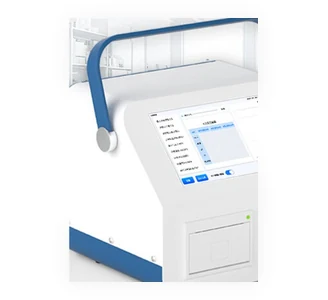
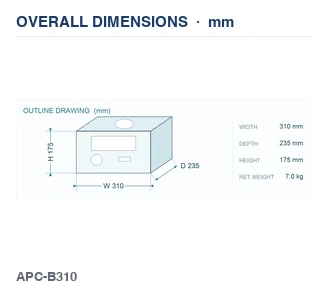
- Body — stainless steel front, ABS chassis, 7.0 kg.
- Display — 7″ touchscreen, 1024 × 600, with the audit log reachable from the result screen.
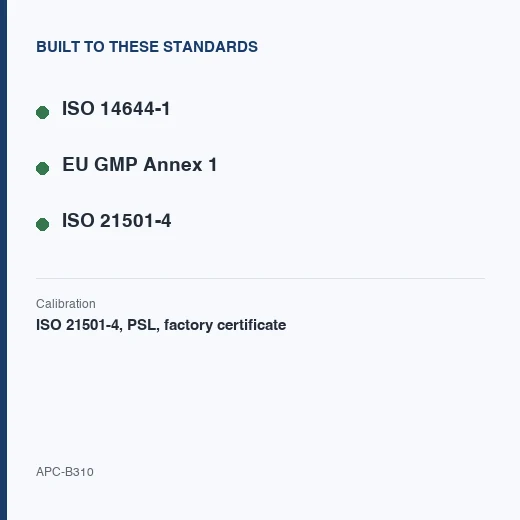
- Standards — ISO 14644-1, EU GMP Annex 1, ISO 21501-4; calibration certificate issued per unit.
Calibration due dates travel with the records, which is the first thing asked for in an inspection.
FAQ
User levels, an audit trail and records that cannot be edited after the fact — corrections are appended as new entries. The instrument stores the operator, the limit set used and the calibration due date with every record.
It is the page that goes into one. Signature and date fields are printed, and the layout is fixed at the factory so it matches the approved procedure. The UCL and grade for a room print as a single page.
Nothing. The instrument runs from AC or from the 24 V pack, and the sample continues through the interruption. That is why dual supply is specified in regulated plants rather than treated as an option.
Yes, but the records keep the limit set that was active when the sample ran. Changing the limits later does not rewrite an earlier result, which is the behaviour an inspector is checking for.
100,000 with the audit trail attached, exported over USB, RS-232 or Ethernet. Records include the operator and the calibration due date, so a review does not need a separate certificate file.
Because inspection timetables are tight. A 1 CFM instrument covers a Grade B or C room in a fraction of the time a 2.83 L/min counter needs, and the volume per point is the requirement, not the instrument.