+86 13638632902
 Jason@cleanroomequips.com
 MENU
MENUcompanies like












Upload a CAD File

Get Quote with DFM

Manufacturing Begins

Parts are Shipped!
Fire protection60 minutes
Fire -proof Al grade,
high strength
good smoothness
Thermal insulation
waterproof
moisture-proof
FAQ
1. Can Cleanroom Magnesium Oxysulfide Panels be customized?
Yes, Cleanroom Magnesium Oxysulfide Panels can be customized to meet specific project requirements. Customization options include adjusting the size, thickness, and surface finish of the panels. This flexibility ensures the panels fit perfectly into the design of the cleanroom and align with its specific environmental needs.
2. How do Cleanroom Magnesium Oxysulfide Panels handle impacts?
Cleanroom Magnesium Oxysulfide Panels are designed to be impact-resistant, offering high durability in environments where panels may face physical stress. Their robust composition helps them absorb impacts without compromising their structural integrity. While they can withstand moderate impacts, excessive force may cause damage, so handling during installation is critical.
3. What are the thermal properties of Cleanroom Magnesium Oxysulfide Panels?
Cleanroom Magnesium Oxysulfide Panels have low thermal conductivity, making them excellent at insulating against temperature changes. These panels are ideal for environments that require precise temperature control, such as cleanrooms and laboratories. Their thermal properties help to minimize energy loss and improve overall energy efficiency.
4. Can Cleanroom Magnesium Oxysulfide Panels be used in controlled environments?
Yes, Cleanroom Magnesium Oxysulfide Panels are highly suitable for controlled environments. Their properties, including low thermal conductivity and resistance to contaminants, make them ideal for use in cleanrooms, laboratories, and other controlled spaces where maintaining specific environmental conditions is crucial for operations.
5. Are Cleanroom Magnesium Oxysulfide Panels available in custom sizes?
Cleanroom Magnesium Oxysulfide Panels can be manufactured in custom sizes to meet the specific needs of any project. Customization ensures that the panels fit perfectly into the intended space, optimizing the functionality of the cleanroom. This flexibility is essential for projects with unique space constraints or design specifications.
6. What innovations are being made in Cleanroom Magnesium Oxysulfide Panel technology?
Innovations in Cleanroom Magnesium Oxysulfide Panel technology focus on improving their thermal and acoustic properties while enhancing durability and ease of maintenance. New advancements aim to make the panels even more resistant to microbial growth, ensuring cleaner environments. Additionally, ongoing research is working on increasing their energy efficiency and sustainability.
7. How do Cleanroom Magnesium Oxysulfide Panels compare to metal panels?
Cleanroom Magnesium Oxysulfide Panels offer several advantages over metal panels. They are more effective in insulation, providing better thermal control. Additionally, they are less prone to microbial growth and are easier to clean. On the other hand, metal panels can be more cost-effective and offer higher strength in certain applications.
8. How do I calculate the amount of Cleanroom Magnesium Oxysulfide Panels needed?
To calculate the amount of Cleanroom Magnesium Oxysulfide Panels needed, follow these steps: - Measure the total area of the surface to be covered. - Determine the panel size (length, width). - Divide the total surface area by the area of one panel to get the number of panels required. This will give you an estimate of how many panels are necessary for the project.
9. What are the advantages of using Cleanroom Magnesium Oxysulfide Panels in cleanrooms?
Using Cleanroom Magnesium Oxysulfide Panels in cleanrooms offers several benefits: - Excellent thermal insulation properties that help maintain stable temperatures. - Resistance to contamination and microbial growth, ensuring a cleaner environment. - Durability and ease of maintenance, contributing to long-term operational efficiency. These advantages help improve the performance and longevity of cleanroom operations.
10. Are Cleanroom Magnesium Oxysulfide Panels available with specific surface finishes?
Yes, Cleanroom Magnesium Oxysulfide Panels can be supplied with specific surface finishes tailored to the needs of the project. Options may include smooth or textured surfaces, depending on the cleanroom environment’s requirements for ease of cleaning and contamination control. These finishes enhance both the functionality and aesthetics of the panels.
11. What is the cost of Cleanroom Magnesium Oxysulfide Panels?
The cost of Cleanroom Magnesium Oxysulfide Panels depends on various factors, such as size, customization options, and order volume. Generally, these panels are priced higher than standard materials due to their superior performance in cleanroom applications. However, the long-term benefits such as energy efficiency and durability make them a cost-effective choice for many cleanroom projects.
12. Can Cleanroom Magnesium Oxysulfide Panels be used in pharmaceutical settings?
Yes, Cleanroom Magnesium Oxysulfide Panels are well-suited for pharmaceutical settings. Their ability to resist contamination, maintain thermal stability, and meet hygiene standards makes them ideal for use in pharmaceutical cleanrooms and labs. These panels help maintain the controlled environment required for the safe production and handling of pharmaceutical products.
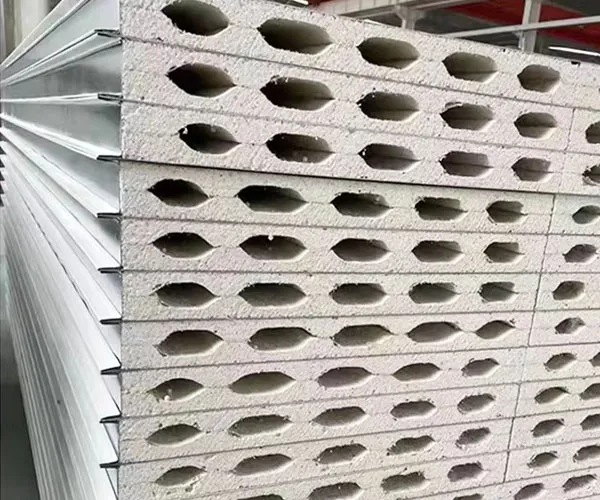
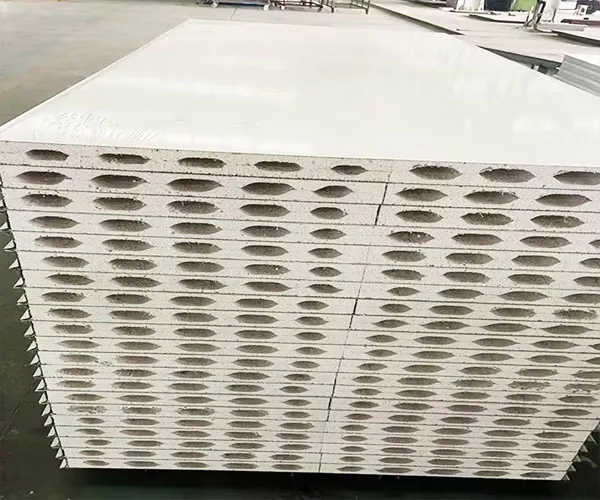
Learn More About Deiiang Magnesium Oxysulfide Panel
Deiiang is a professional supplier and manufacturer of cleanroom building materials, providing you with one-stop integrated solutions for cleanroom building materials.
- Video
- Data Sheet
- Certificates & Gallery
- Quality Control
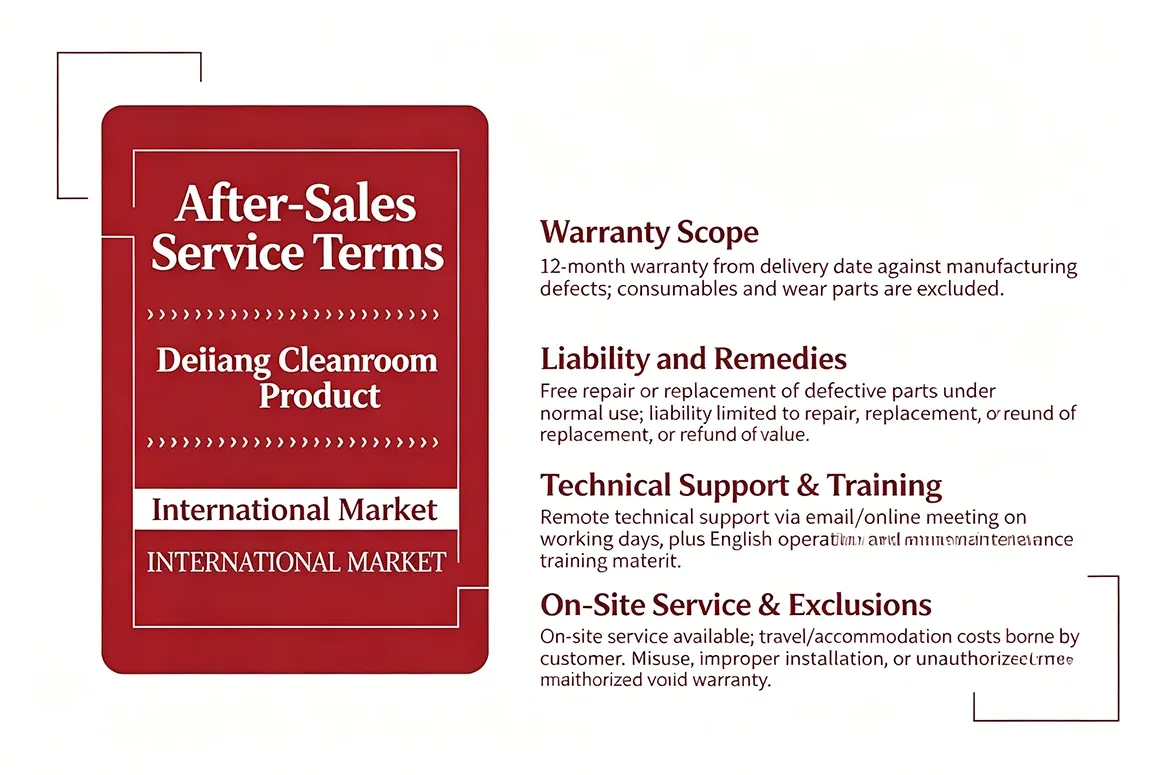
- After-Sales Service

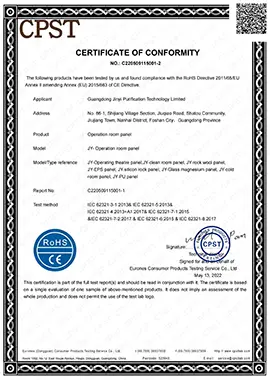
Operation room panel CE
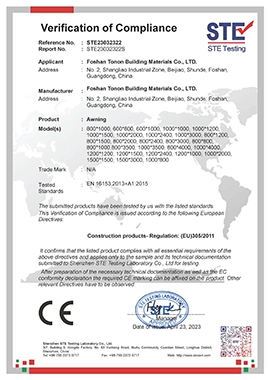
PC Panels CE
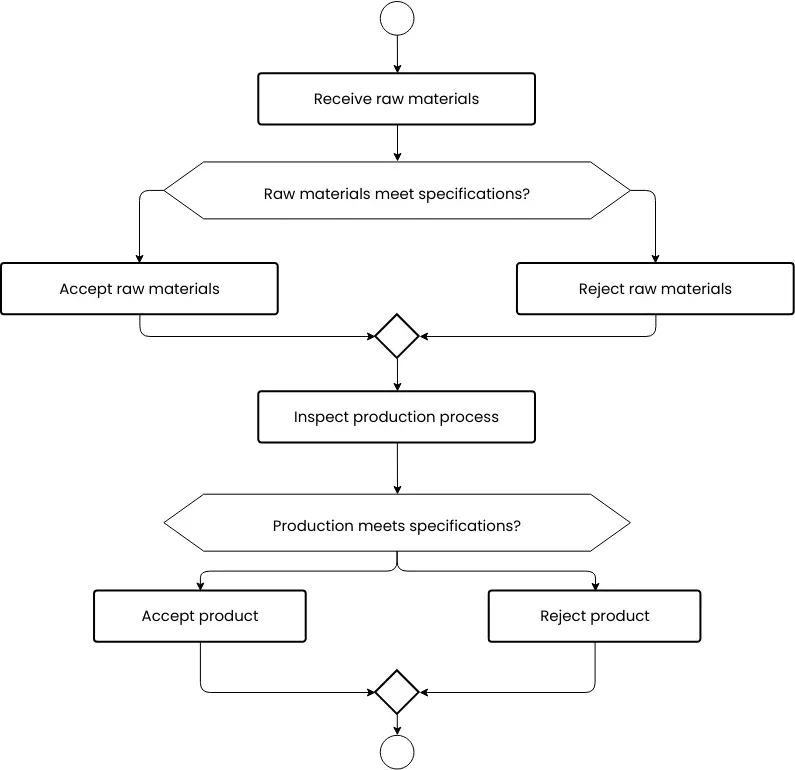
Deiiang Magnesium Oxysulfide Panel Quality Control Flowchart