+86 13638632902
 Jason@cleanroomequips.com
 MENU
MENU
White Paper













Laminar Flow hood can continuously supply filtered air to the operating area, provide staff with a sterile operating environment, this prevents airborne pollutants from affecting the product or experimental process.It is typically an open bench, built-in air filtration system, it can continuously provide clean airflow.
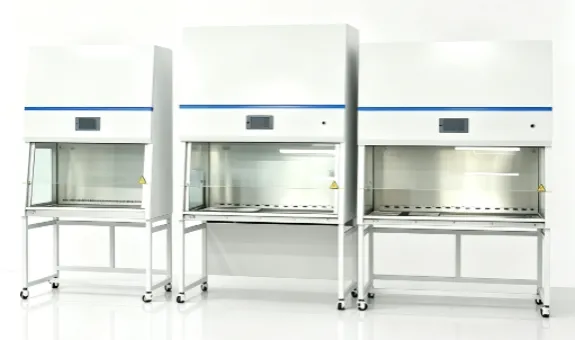
Our expert team designs customized horizontal and vertical laminar flow hoods to protect sensitive work, control particles, and keep your critical processes running clean and stable.
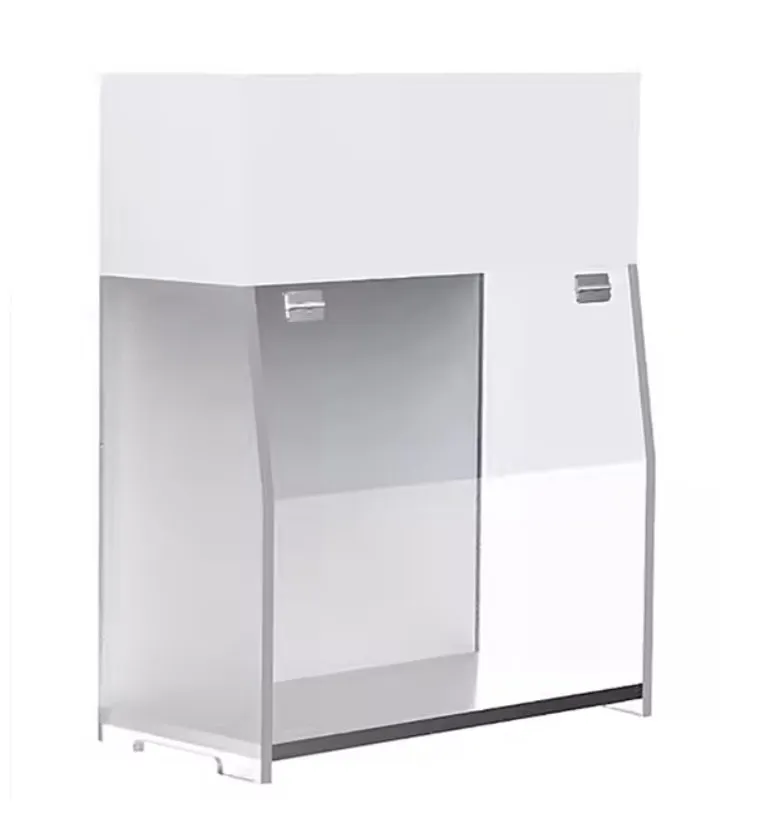
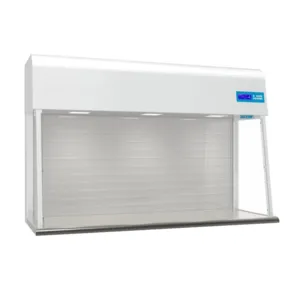
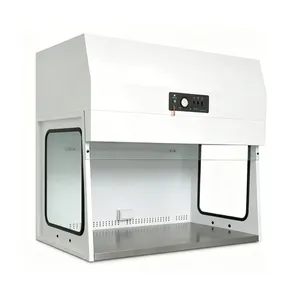
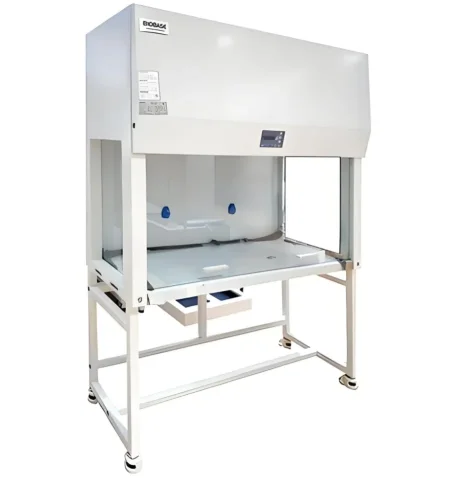
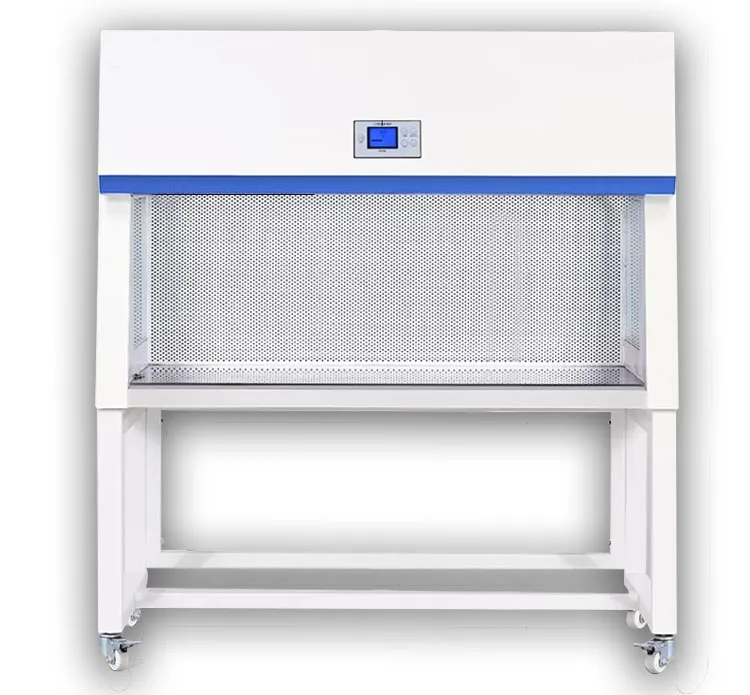
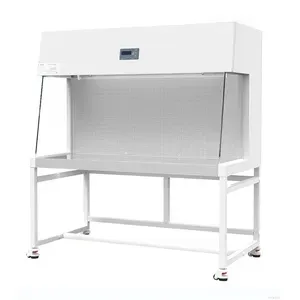
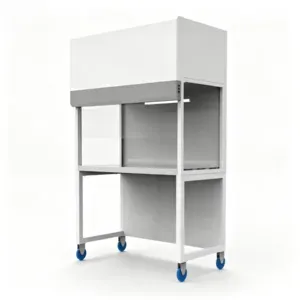
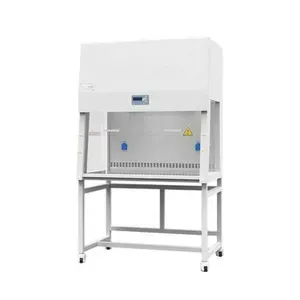
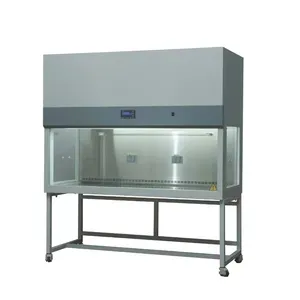
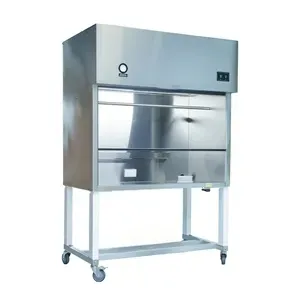
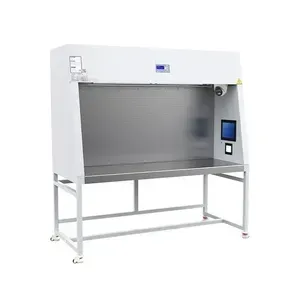
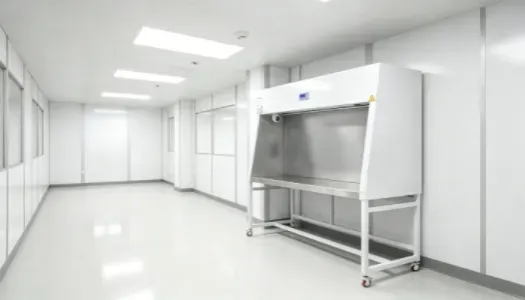
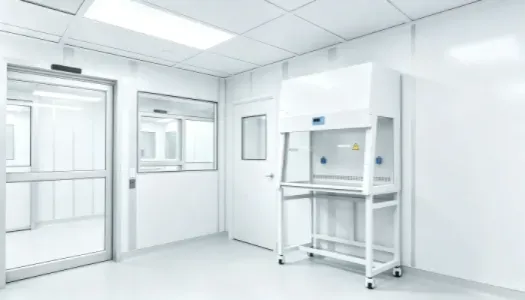
Horizontal Laminar Flow Hood
Clean air is blown directly to the operator from the rear wall vents of the Laminar Flow Hood.
It is especially suitable for protecting delicate electronic and optical components that really do not want to be contaminated with dust or particulate matter.
The operating space and line of sight are more open, it makes it more convenient for operators to conduct experiments.
The airflow will first hit your hands and arms, so the operating posture during the experiment is very important, be careful not to block the airflow.
If you need particularly smooth and even airflow across the entire countertop, this option is recommended as a priority.
Vertical Laminar Flow Hood
Clean air blows down from the top of the server rack, passing through the operating area, the air is then absorbed and filtered by the exhaust vent located on the back wall.
Its main function is also to protect the product, but this vertical wind direction is more comfortable for the operator.
This design is commonly used in pharmaceutical manufacturing, cell culture preparation, and various cleanroom applications.
Compared to horizontal airflow, it is easier to control when liquid splashes out.
When there are many utensils on the vertical table, small eddies and dead zones are easily formed, therefore, we need to pay more attention to the layout.
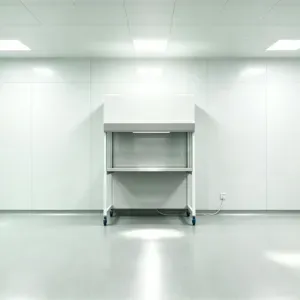
The laminar flow hoods provide excellent protection for sensitive products such as creams and serums in small to pilot-scale batches. They maintain a virtually dust-free environment for filling as well as for the initial part of stability testing thereby eliminating most of the problems micro-contamination causes in these small-scale pilot-production environments.
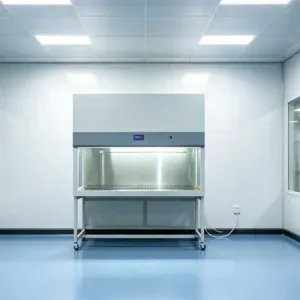
The horizontal laminar flow hood protects button cells, electrolytes, and various sensitive powders from dust during assembly and testing, it is especially suitable for process scenarios where gloves are not worn and operations are carried out in a dry room.
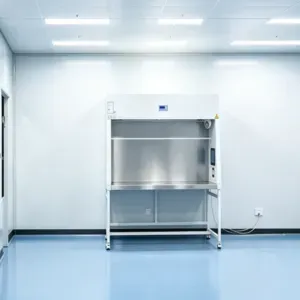
In the post-processing, inspection, and small-batch finishing stages, our laminar flow cabinets can effectively protect printed medical models, dental parts, and polymer samples, to prevent dust from affecting surface quality.
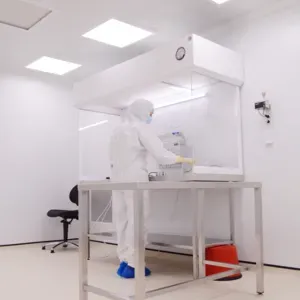
Deiiang's vertical laminar flow hoods ensure that there is no risk of bacterial contamination in the operating area, perfectly suited for aseptic filling, sample pretreatment, and aseptic testing, it can reduce the risk of contamination and is convenient for quick wiping and cleaning after the experiment.
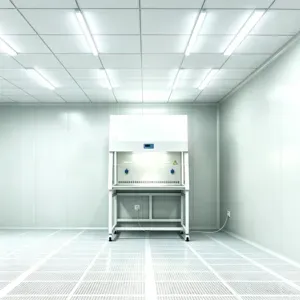
PCR laminar flow hoods could provide a clean and quiet working environment for plating, culture medium preparation, and PCR system establishment, helping you reduce false positives and the hassle of contamination in daily experiments.
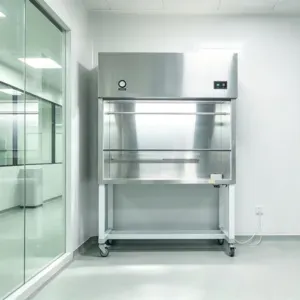
Stainless steel laminar flow hoods can keep packaging lines and medical device assembly areas free from particulate contamination, helping to meet GMP and cleanroom requirements.

To start, simply select a manufacturing process and upload a 3D CAD file.

Within a few hours we'll send you design for manufacturability (DFM) analysis and real-time pricing.

Once you review your quote and place your order, we'll start the manufacturing process. We also offer finishing options.

Our digital manufacturing process allows us to produce parts in as fast as 1 day.

Deiiang Laminar Flow hood Quality Control Flowchart
Laminar Flow hood is primarily used to protect products and samples.The air outlet blows out clean air and continuously blows it in one direction across the work area, try to get rid of dust and particulate matter as much as possible.Its main function is to ensure that the sample is not contaminated, It neither protects people, also do not take responsibility for removing toxic gases from the room.
Yet fume hoods are designed to protect people and keep the environment clean, It can draw away chemical vapors and harmful gases and discharge them outdoors, but it won't create a clean work area for you;The purpose of a biosafety cabinet is to protect operators, samples, and the environment simultaneously,it uses more complex airflow and high-efficiency filtration.
Deiiang's Laminar Flow Hood is designed strictly in accordance with cleanroom and GMP standards, we will refer to ISO 14644-1 requirements for cleanliness levels and particle control when designing the airflow and structure of the work area. Furthermore, HEPA/ULPA filters are selected and tested in accordance with EN/IEST and related guidelines.
For pharmaceutical and medical clients, it meets the aseptic operation requirements of EU GMP Annex 1 and USP <797> / <800>.
Ultimately, whether it meets regulatory requirements depends on how you install, perform IQ/OQ/PQ tests, and use the Laminar Flowhood on a daily basis.
In most applications,a single HEPA H14 filter is sufficient, its filtration efficiency for 0.3 μm particles can reach 99.995%, this is more than enough.
U15/U16 grade ULPA filters are typically only considered in certain semiconductor, high-end optics, or micro-assembly processes with extremely high cleanliness requirements.
Generally speaking,if your internal standards or risk assessments do not specifically require the use of ULPA filters, we recommend using HEPA in Laminar Flow hoods.
When choosing a size, don't just look at the length of the countertop, It depends on what kind of work you mainly intend to use it for, instead, it depends on what kind of work you mainly intend to use it for.First, it's recommended that you list all the instruments, reagent racks, containers, trays, and other items you want to put in the hood before confirming the dimensions.
Next, check if there is enough space on the workbench after placing them in to allow for smooth airflow, make sure this doesn't create eddies.
Normally,if you are operating the machine alone, you can choose a style that is 3–4 feet wide;if two people are operating the equipment simultaneously, a width of 5–6 feet is more suitable.
For most laboratories, we recommend that you have your Laminar Flowhood checked at least once a year;if there is a relocation, filter replacement, or major repair, you will also need to retest it.
The test content typically includes the following points:Test of wind speed and uniformity on the table surface; perform integrity testing (such as PAO/DOP scanning) on HEPA/ULPA filters according to EN/IEST requirements; visual smoke was used to confirm that there were no obvious eddies or blind spots during use.
We recommend that, align Laminar Flowhood's testing plan with its own ISO 14644, GMP, or internal QA cycle.Deiiang can also provide you with customized testing solutions, or cooperate with local third-party certification bodies to conduct testing.
Routine maintenance of Laminar Flowhood is crucial but not complicated.Before and after each use, please use a suitable disinfectant to wipe the internal surfaces of the product.Try not to pile too many things on your workbench, avoid severely obstructing airflow.If there is a wind speed display or alarm device,also need to pay attention to changes in readings and whether there is any abnormal noise from the fan,please replace it promptly if there are any abnormalities.
To prevent the main HEPA filter from becoming clogged prematurely,please replace the pre-filter on time.Under normal environmental conditions and usage intensity,the HEPA filter in Laminar Flowhood typically lasts 3–5 years.
Our instruction manual will provide a recommended maintenance schedule,this allows you to easily incorporate it into your internal SOPs.
We can. A lot of our customers are already using customized Laminar Flow hood solutions.
Common customization options include:
Non‑standard widths or depths so the Laminar Flow hood drops neatly onto your existing benches or pass‑throughs
Different work surfaces and constructions, such as full stainless steel, perforated tops, or frames built around specific instruments
Built‑in power outlets, data ports, gas connections, shelves, and similar add‑ons
Horizontal or vertical Laminar Flow hood layouts, chosen according to your own risk assessment
As long as you can share a URS, P&ID, or even a basic floor sketch, Deiiang engineers can help you refine the design and come back with a Laminar Flow hood proposal that makes sense for your process, budget, and compliance needs.