+86 13638632902
 Jason@cleanroomequips.com
 MENU
MENUcompanies like











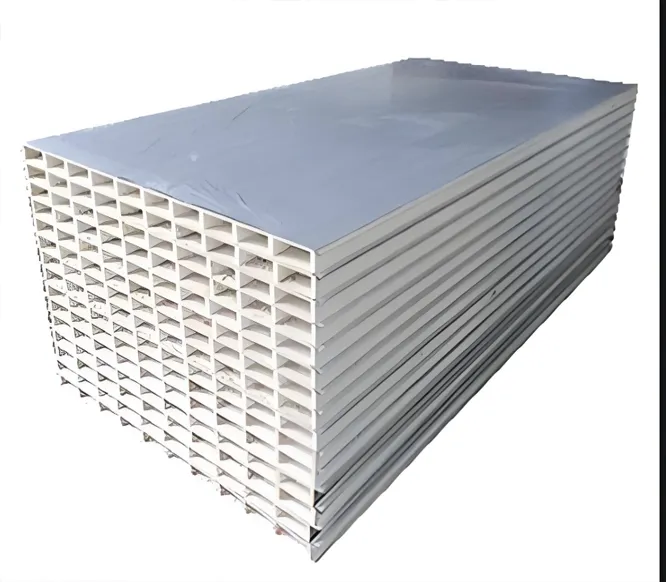
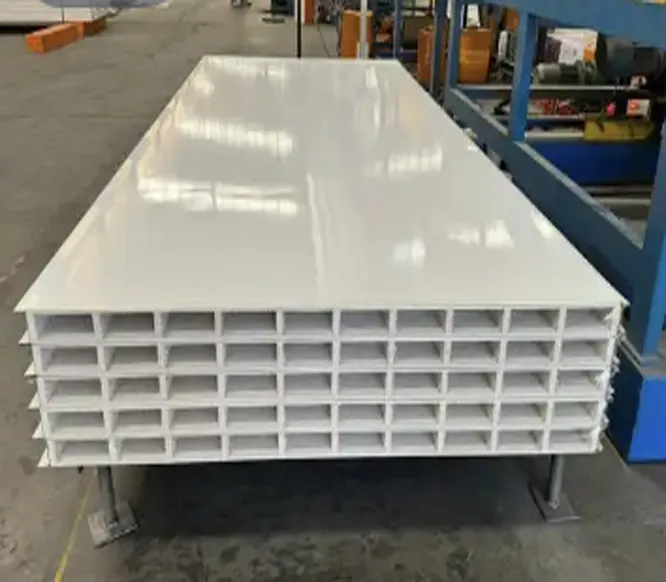
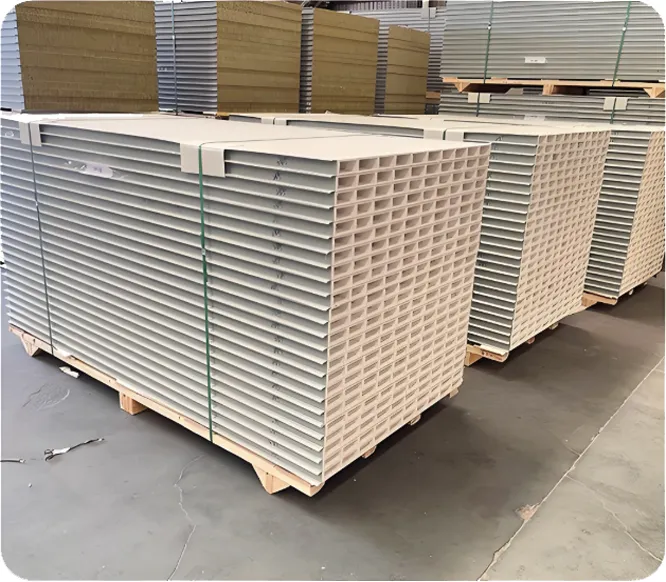

Upload a CAD File

Get Quote with DFM

Manufacturing Begins

Parts are Shipped!
Sound insulation ≥44db(GBJ121-88)
Superior heat insulation performance, waterproof and moisture-proof
Beautiful appearance.
High density, anti-bending, can be sawed, nailed and glued.
Environmentally friendly
Anti-freezing, anti-cracking.
Weatherproof
Light weight, very easy to insulate and disassemble
Safe, 100% free of asbestos, formaldehyde and benzene
Lifespan >20 years
FAQ
1. What is the installation time for cleanroom wall panels?
The installation time for cleanroom wall panels can vary depending on several factors, including the complexity of the project, the size of the space, and the type of panels being used. Generally, a team of skilled installers can complete the installation process for a standard cleanroom within a few days to a week, ensuring that all panels are properly aligned and sealed to meet cleanliness standards.
2. Are cleanroom wall panels fire-rated?
Yes, many cleanroom wall panels are fire-rated, which means they meet specific fire safety standards to reduce the risk of fire hazards. Fire-rated panels are essential in environments where fire safety is critical, providing an added layer of protection and compliance with building codes.
3. What is the R-value of cleanroom wall panels?
The R-value of cleanroom wall panels typically ranges from 3 to 6, depending on the materials used and the thickness of the panels. A higher R-value indicates better thermal insulation, which is crucial for maintaining stable temperatures and energy efficiency in cleanroom environments.
4. How do cleanroom panels contribute to indoor air quality?
Cleanroom panels contribute to indoor air quality by minimizing the sources of contamination and providing a smooth, non-porous surface that is easy to clean. These panels are designed to prevent the accumulation of dust and other particulates, which helps maintain a controlled environment. Additionally, they can be integrated with advanced HVAC systems that filter and circulate air effectively, further enhancing air quality.
5. How do cleanroom panels prevent contamination?
Cleanroom panels prevent contamination through several design features and materials. They are typically non-porous and smooth, which discourages the growth of bacteria and mold. Furthermore, they are sealed at the joints to eliminate gaps where particles could accumulate. Regular cleaning and maintenance also play a crucial role in ensuring that these panels continue to perform effectively in contamination control.
6. Can MGO panels provide thermal mass?
MGO panels can indeed provide thermal mass due to their density and composition. This thermal mass helps regulate temperature fluctuations within a cleanroom by absorbing, storing, and releasing heat. As a result, using MGO panels can contribute to overall energy efficiency while maintaining a stable environment for sensitive processes.
7. What is the fire resistance rating of MGO panels?
MGO panels typically have a fire resistance rating of up to 2 hours, depending on their thickness and configuration. This rating indicates that the panels can withstand exposure to fire for a specified period before failing, making them a suitable choice for applications where fire safety is a primary concern.
8. What thickness is best for cleanroom wall panels?
The best thickness for cleanroom wall panels usually ranges from 1 to 2 inches. Thinner panels of around 1 inch may be sufficient for less stringent environments, while 2-inch panels offer increased insulation and durability for more critical applications. Ultimately, the choice of thickness should align with the specific requirements of the cleanroom's intended use.
9. What troubleshooting tips exist for cleanroom panels?
When troubleshooting issues with cleanroom panels, consider the following tips:
Check for gaps or misalignment between panels.
Inspect for signs of moisture or mold growth.
Ensure proper sealing and caulking of joints.
Regular inspections and maintenance can help identify potential problems before they escalate, ensuring the cleanroom remains compliant with standards.
10. Are cleanroom wall panels customizable?
Yes, cleanroom wall panels are often customizable to meet the specific needs of a project. Manufacturers can provide panels in various sizes, colors, textures, and finishes, allowing for tailored solutions that align with the cleanroom's design and functionality requirements. Customization options facilitate integration with existing systems and help maintain the desired aesthetic.
11. Can cleanroom panels be used in data centers?
Cleanroom panels can be effectively used in data centers, where controlling environmental conditions is critical for protecting sensitive equipment. Their ability to provide a clean, stable environment helps prevent dust accumulation and temperature fluctuations, contributing to the overall reliability and performance of data center operations.
12. How often should cleanroom panels be inspected?
Cleanroom panels should be inspected regularly, typically every six months to ensure they maintain their integrity and cleanliness. Inspections should include checking for physical damage, ensuring seals are intact, and verifying that the panels remain free of contaminants. Regular maintenance helps extend the lifespan of the panelsand ensures compliance with cleanroom standards.
13. What are the best brands for cleanroom wall panels?
Some of the best brands for cleanroom wall panels include companies like Cleanroom Technologies, Kewaunee Scientific Corporation, and Terra Universal. These brands are known for their high-quality products, innovative designs, and compliance with industry standards. Choosing a reputable brand is essential for ensuring the reliability and performance of cleanroom environments.
14. How do cleanroom panels improve energy efficiency?
Cleanroom panels improve energy efficiency by providing excellent insulation, which helps maintain stable temperatures within the cleanroom. Their airtight construction minimizes air leakage, reducing the load on HVAC systems. Additionally, when integrated with energy-efficient lighting and climate control systems, cleanroom panels contribute to lower overall energy consumption and operational costs.
15. Can cleanroom panels be used in clean manufacturing?
Yes, cleanroom panels are highly suitable for clean manufacturing environments. They help maintain stringent cleanliness levels required for the production of sensitive products, including pharmaceuticals and electronics. The smooth, non-porous surfaces of cleanroom panels prevent contamination and facilitate easy cleaning, making them ideal for clean manufacturing processes.
Learn More About Deiiang MGO Panel
Deiiang is a professional supplier and manufacturer of cleanroom building materials, providing you with one-stop integrated solutions for cleanroom building materials.
- Video
- Data Sheet
- Certificates & Gallery
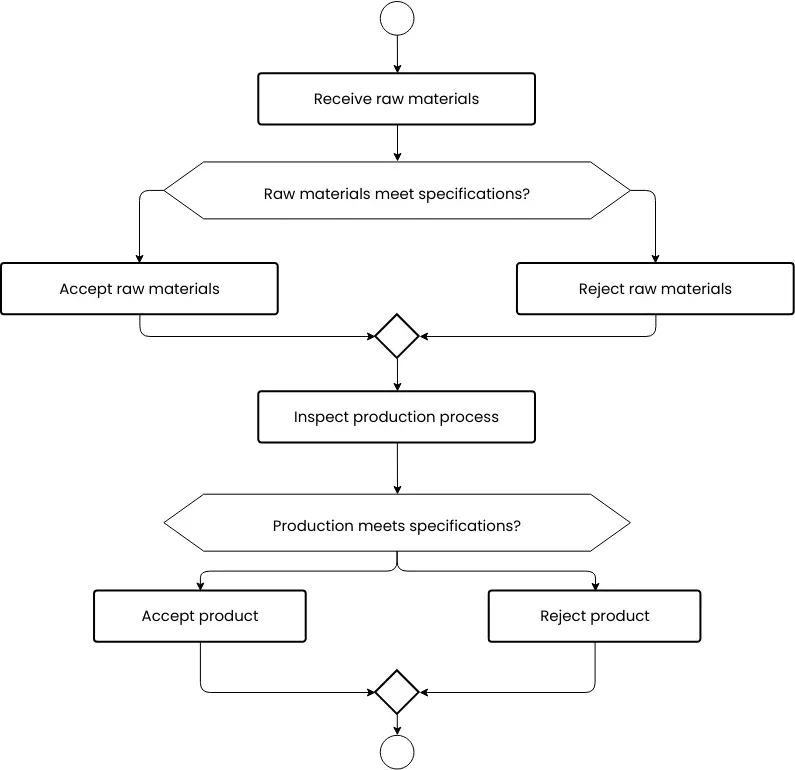
- Quality Control
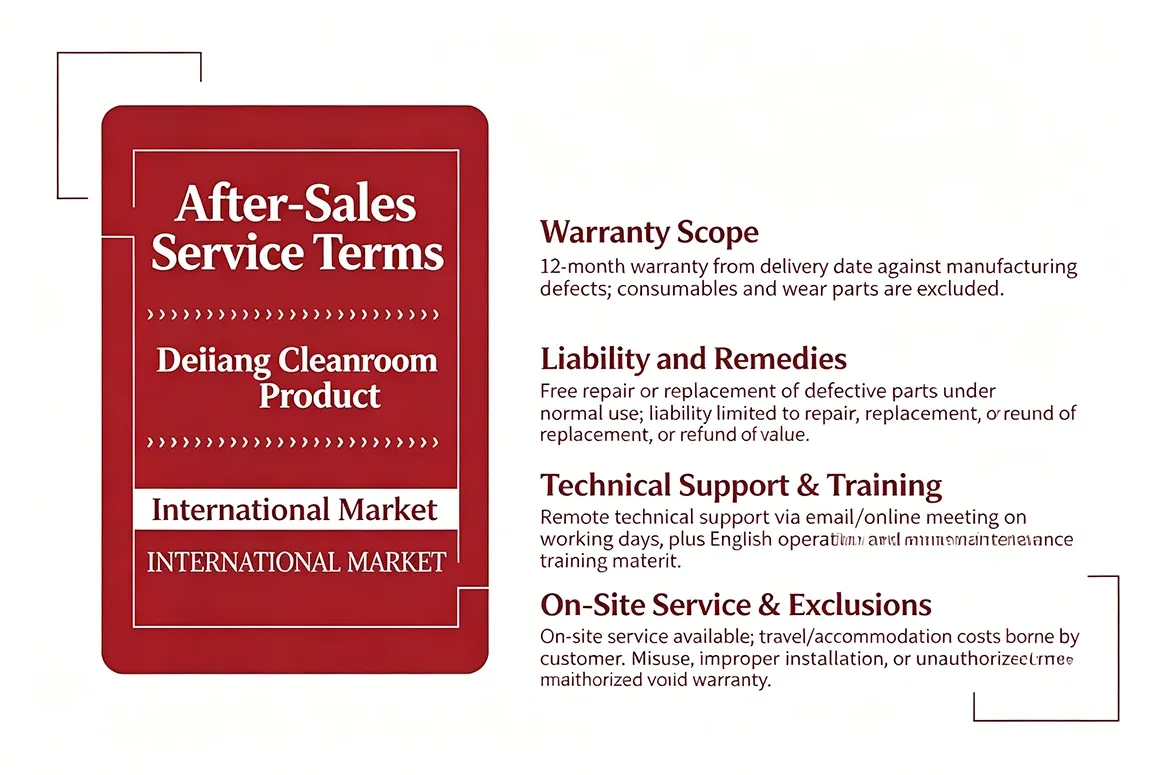
- After-Sales Service

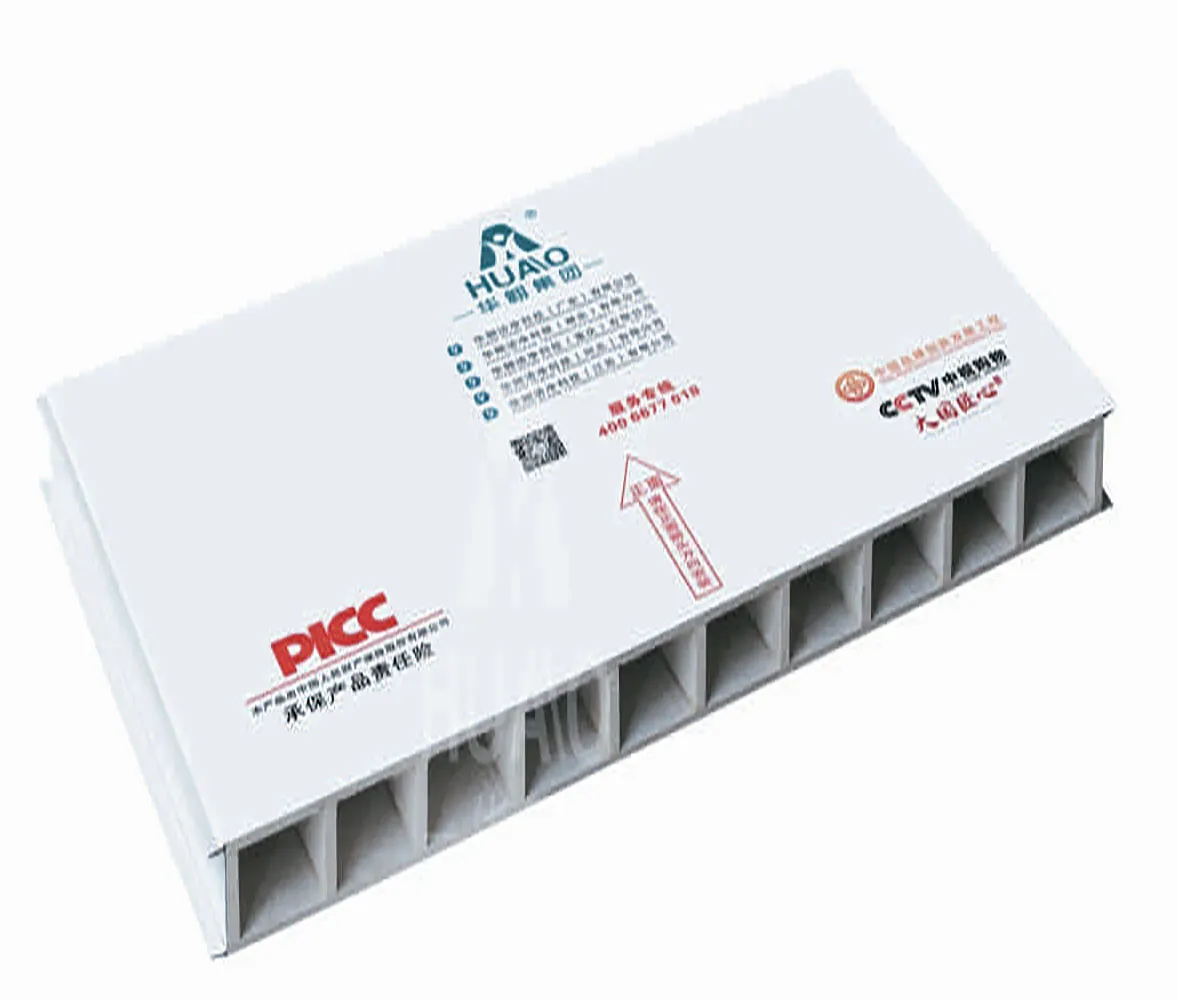
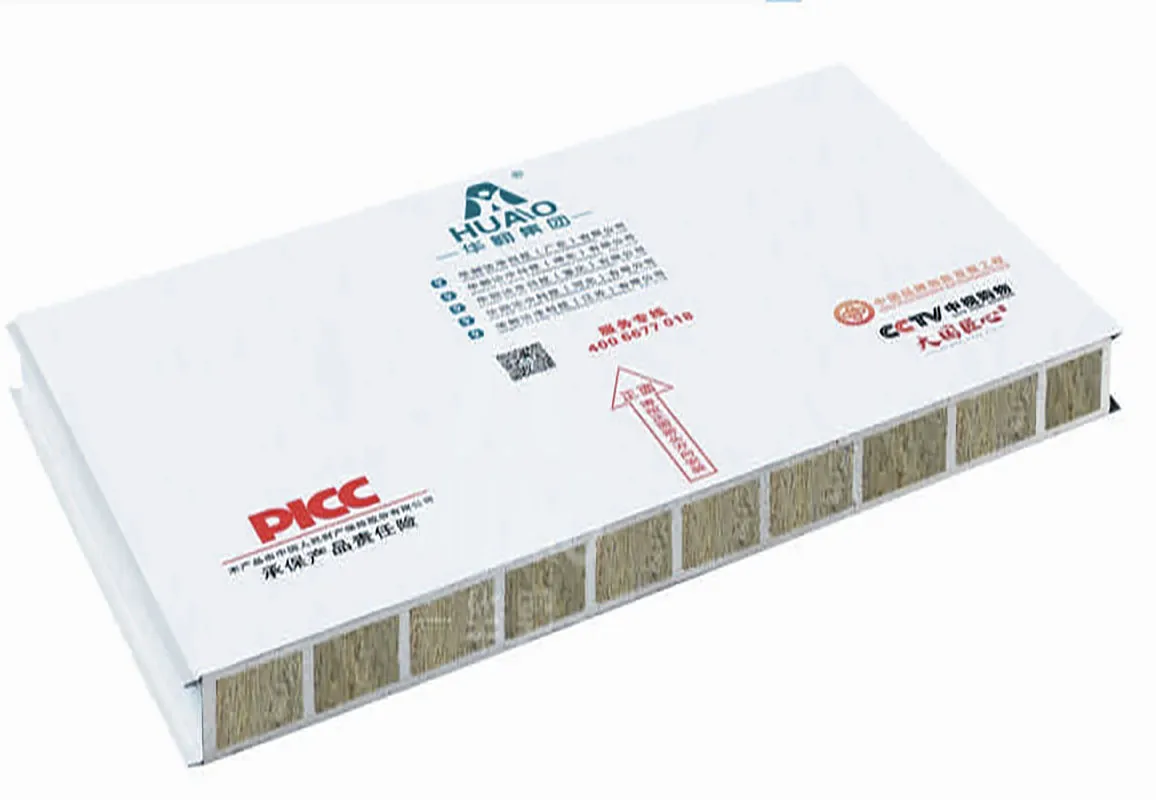
Cleanroom MGO Panel Data
| Parameter | Specification |
|---|---|
| Effective Width | 980 mm |
| Thickness | 50 mm | 100 mm |
| Length | Custom |
| Structure and Application | Splicing of mouthpiece |
| Steel Plate Thickness | 0.376 mm | 0.426 mm | 0.476 mm |
| Steel Plate Material | Painted Steel | SS304 |
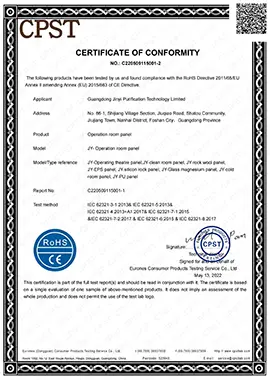
Operation room panel CE
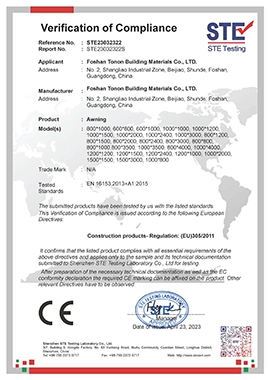
PC Panels CE certification
Deiiang MGO Panel Quality Control Flowchart