+86 13638632902
 Jason@cleanroomequips.com
 MENU
MENUcompanies like










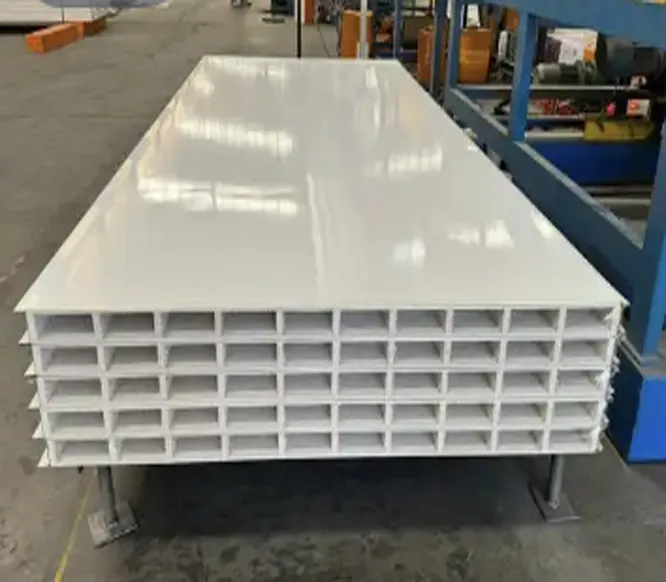
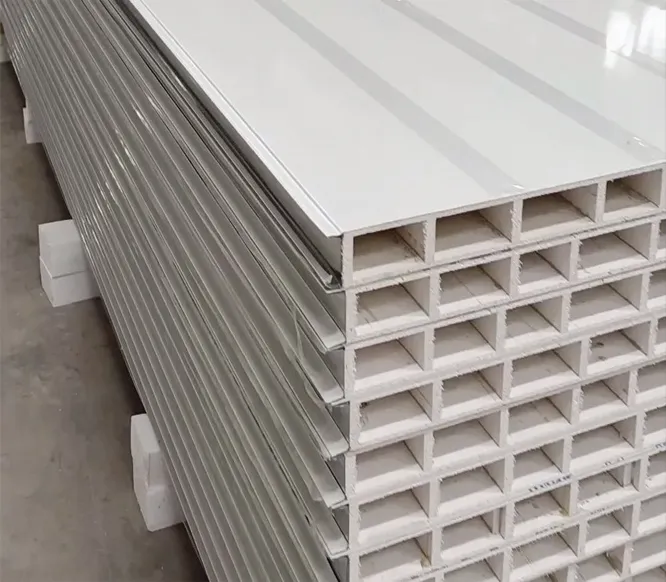

Upload a CAD File

Get Quote with DFM

Manufacturing Begins

Parts are Shipped!
Sound insulation ≥44db(GBJ121-88)
Superior heat insulation performance, waterproof and moisture-proof
Beautiful appearance.
High density, anti-bending, can be sawed, nailed and glued.
Environmentally friendly
Anti-freezing, anti-cracking.
Weatherproof
Light weight, very easy to insulate and disassemble
Safe, 100% free of asbestos, formaldehyde and benzene
Lifespan >20 years
FAQ
1. How do cleanroom wall panels work?
Cleanroom wall panels function by creating a controlled environment that minimizes contamination and maintains cleanliness. They are designed to have smooth, non-porous surfaces that are easy to clean, reducing the accumulation of dust and other particulates. Additionally, these panels integrate seamlessly with air handling systems to ensure proper airflow, which is crucial for maintaining the desired air quality in cleanroom settings.
2. Can cleanroom panels be field cut?
Yes, cleanroom panels can be field cut to fit specific dimensions or configurations during installation. However, it is essential to follow manufacturer guidelines to ensure that the integrity and cleanliness of the panels are maintained. Proper sealing of cut edges is crucial to prevent contamination and ensure that the panels continue to meet cleanroom standards.
3. Can MGO panels withstand moisture?
MGO panels are highly resistant to moisture, making them suitable for humid environments. Their non-porous surface prevents water absorption, which helps to inhibit the growth of mold and mildew. This moisture resistance is particularly beneficial in applications such as:
Pharmaceuticals
Food processing
Laboratories
Proper installation and sealing are important to maximize these moisture-resistant properties.
4. Can MGO panels be used in pharmaceuticals?
MGO panels can be effectively utilized in pharmaceutical settings due to their hygienic properties and resistance to moisture. These panels help maintain a controlled environment that is essential for the production and storage of pharmaceutical products. Additionally, their durability and ease of cleaning make them an ideal choice for compliance with stringent regulatory standards.
5. How do you install cleanroom panels in a ceiling?
Installing cleanroom panels in a ceiling involves careful planning and execution. First, you need to measure the ceiling space accurately and ensure that the supporting framework is secure. Panels should be aligned properly, and their edges must be sealed to prevent contamination. It is crucial to follow manufacturer instructions during installation to ensure that the panels maintain their integrity and contribute effectively to the cleanroom environment.
6. What are the best brands for cleanroom wall panels?
Several brands are well-regarded for their cleanroom wall panels, known for quality and performance. Some of the best brands include:
Armstrong
GMP
Cleanroom Technology
Pacific Panel
These brands offer a variety of options tailored to different cleanroom applications and standards.
7. Can MGO panels be used in food processing facilities?
MGO panels are suitable for use in food processing facilities due to their resistance to moisture and contaminants. Their non-porous surfaces promote hygiene and are easy to clean, aligning with food safety standards. Additionally, MGO panels help maintain stable temperatures and humidity, which are critical for food preservation and safety.
8. Can MGO panels be used in medical facilities?
Yes, MGO panels can be effectively used in medical facilities, including hospitals and clinics. Their ability to resist moisture and prevent the growth of bacteria makes them ideal for maintaining hygienic conditions. Furthermore, MGO panels can withstand rigorous cleaning protocols, ensuring that medical environments remain safe and sterile.
9. How do MGO panels perform in seismic areas?
MGO panels are designed to provide good performance in seismic areas due to their lightweight yet durable construction. Their rigidity and structural integrity help them to withstand seismic forces better than traditional materials. However, it is essential to follow local building codes and regulations during installation to ensure optimal performance during seismic events.
10. What thickness is best for cleanroom wall panels?
The best thickness for cleanroom wall panels generally ranges from 1 to 2 inches, depending on the specific application and requirements. Thicker panels provide better insulation and durability, while thinner panels may be sufficient for less demanding environments. Ultimately, the choice of thickness should align with the cleanroom classification and environmental controls needed.
11. Are there any health risks associated with MGO panels?
MGO panels are considered safe for use in various environments, including cleanrooms and medical facilities. However, it is important to handle them properly during installation to avoid inhaling dust particles that may be generated. Following safety guidelines and using appropriate personal protective equipment (PPE) during installation can mitigate any potential health risks.
12. What is the difference between MGO panels and drywall?
The main difference between MGO panels and drywall is their composition and performance characteristics. MGO panels are made from magnesium oxide,which gives them superior moisture resistance and fireproofing abilities compared to traditional drywall. While drywall can be susceptible to mold and damage from moisture, MGO panels remain stable and do not support mold growth. Additionally, MGO panels offer better durability and can withstand harsher cleaning protocols, making them ideal for cleanroom and industrial applications.
13. What is the difference between modular and traditional cleanroom panels?
Modular cleanroom panels are designed for flexibility and can be easily reconfigured or relocated, allowing for quick modifications to cleanroom layouts. Traditional cleanroom panels, on the other hand, are typically fixed and may require more extensive renovations to change the layout. Modular panels also often come with pre-engineered connections, simplifying the installation process. This adaptability makes modular panels a popular choice for facilities that may need to adjust their cleanroom environments over time.
14. Can cleanroom panels be installed on existing walls?
Yes, cleanroom panels can be installed over existing walls, provided that the walls are structurally sound and meet the necessary cleanliness standards. This approach can save time and resources during renovations. However, it is essential to ensure proper sealing and insulation between the new panels and the existing walls to maintain the cleanroom's integrity and performance.
15. How do you measure cleanroom panel performance?
Measuring cleanroom panel performance involves evaluating several key factors, including:
Air leakage rate
Surface cleanliness
Thermal insulation properties
Moisture resistance
Structural integrity
These parameters help in assessing whether the panels meet the required cleanroom standards and their effectiveness in maintaining the desired environmental conditions.
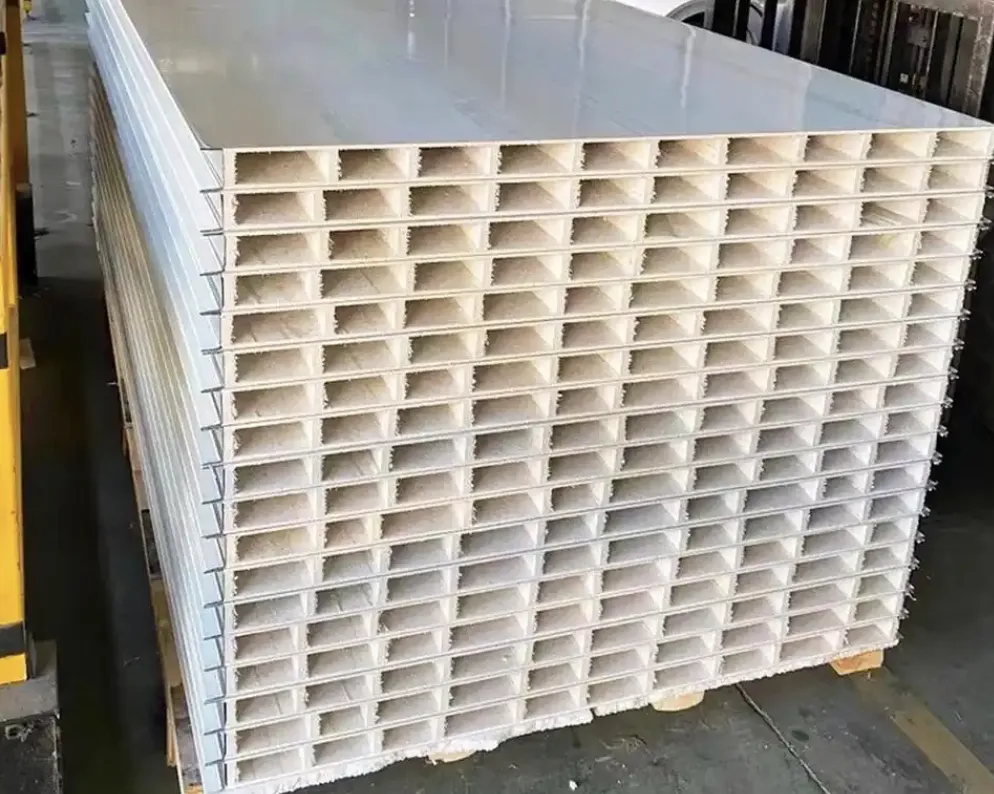
Learn More About Deiiang MGO Panel
Deiiang is a professional supplier and manufacturer of cleanroom building materials, providing you with one-stop integrated solutions for cleanroom building materials.
- Video
- Data Sheet
- Certificates & Gallery
- Quality Control
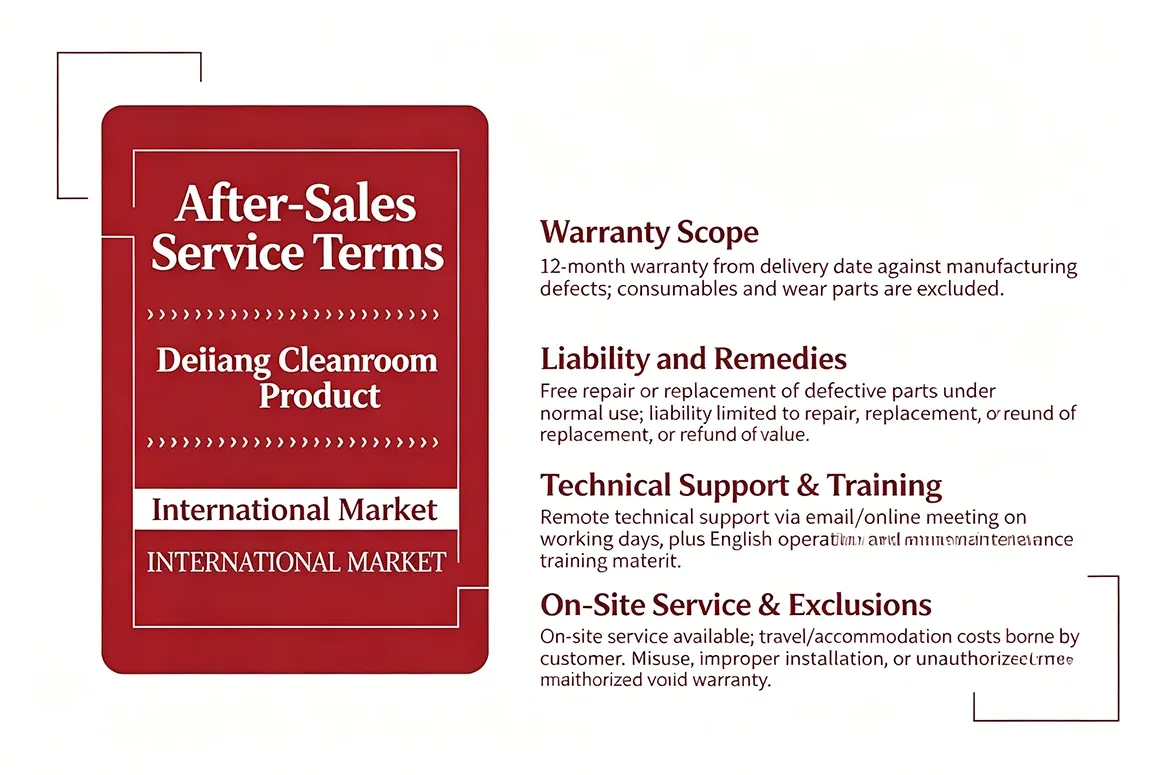
- After-Sales Service

Cleanroom MGO Panel Data
| Parameter | Specification |
|---|---|
| Effective Width | 980 mm |
| Thickness | 50 mm | 100 mm |
| Length | Custom |
| Structure and Application | Splicing of mouthpiece |
| Steel Plate Thickness | 0.376 mm | 0.426 mm | 0.476 mm |
| Steel Plate Material | Painted Steel | SS304 |
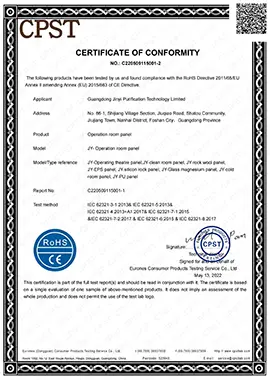
Operation room panel CE
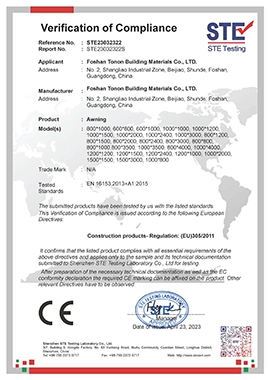
PC Panels CE certification
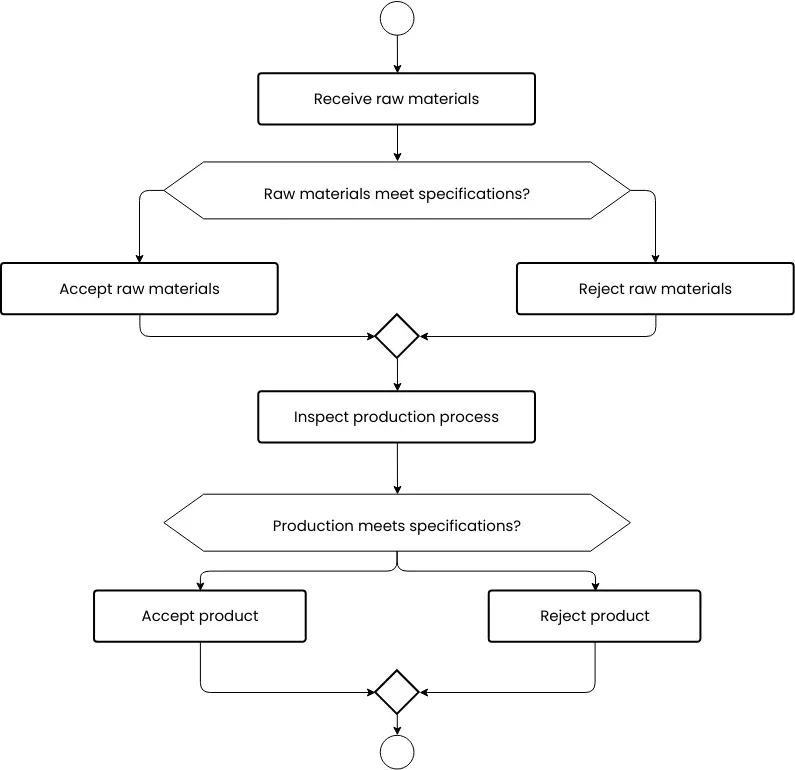
Deiiang MGO Panel Quality Control Flowchart