+86 18186671616
 Jason@cleanroomequips.com


 MENU
Technical Blog
-
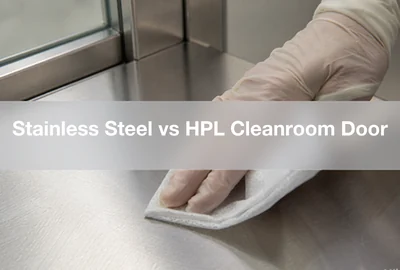
If you are comparing hpl or stainless cleanroom door options, you have probably seen one vendor call stainless "the only Grade A choice" and another say HPL is "just as good." Both overstate the case. The right answer depends on your disinfectant regime, how often the door cycles, what cart and trol...
Visits:939 | 2026-10-25
-
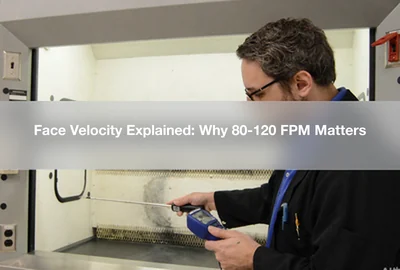
Even if by accident we step into a lab walkthrough, the first question posed by the EHS officer will be about fume hood surface velocity at 18 inches. From my experience of working in cleanroom and HVAC projects in countries like USA, Australia, etc., I can say that this is one of the most disputed ...
Visits:901 | 2026-10-24
-

Just because a fan is running, and the sash is down doesn't mean you have a safe fume hood. Many myths and misconceptions regarding fume hoods can lead to false assurance and higher chances of exposure if the airflow, maintenance, and proper use are overlooked.So, are fume hoods safe? When prope...
Visits:587 | 2026-10-22
-
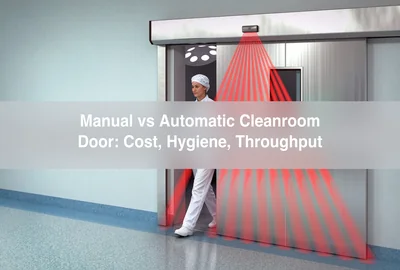
Deciding between manual and automatic cleanroom doors is not merely a question of moving from basic to premium doors, but it is a risk-based operational choice.Short AnswerA manual door may be installed in places with little traffic as confirmed through a risk assessment and may use door closer and ...
Visits:866 | 2026-10-21
-

The story of fume hoods: from chimney and table system at Edison's laboratory, to designs used for airflow containment and exhaust mechanisms, to the development of the VAV systems used today, keeping the velocity of air constant and cutting exhaust CFM by 30–60%. In the article below the ...
Visits:908 | 2026-10-20
-
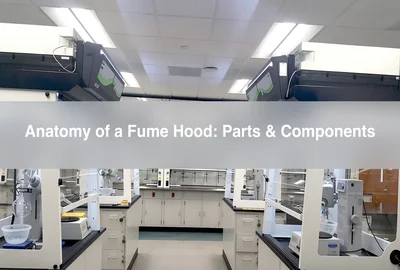
In brief: The discussion will introduce to you the various individual parts of the laboratory fume hood which include sash and baffles and exhaust plenum and give you some information about the functioning of laboratory fume hood apparatus.Short AnswerFume hoods are the primary barrier against chemi...
Visits:771 | 2026-10-18
-
In brief, HVAC systems employ different types of dampers. The types of HVAC dampers include volume, control, fire, smoke, combination fire-smoke, barometric, backdraft, zone and cleanroom isolation dampers. Each one has a distinct job.This manual looks at the different types of dampers and how they ...
Visits:905 | 2026-10-17
-
If you need a cleanroom-pass through which is capable of performing at the speed of more than 40 openings every hour but have no wall space available, go for high-speed roll-up doors. Go for the Sliding Cleanroom Doors in case you need iso-class-5 cleanroom specifications and want to economize the s...
Visits:952 | 2026-10-15
-
The actual final figures will vary depending on the risk assessment performed, pressure-cascade design, classification of the rooms in question and other regulations that need to be adhered to. There is no single standard that applies equally to a pharmaceutical sterile suite and an electronics clea...
Visits:728 | 2026-10-15
-
Dampers and valves may both be found in HVAC applications, but these two devices are different and should not be confused with each other. Dampers are used to control the flow of air in a duct while valves typically control the flow of water or some other fluid in a pipe. By understanding the differ...
Visits:881 | 2026-10-12
-
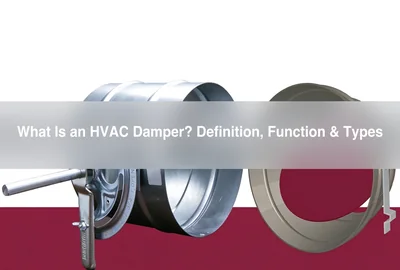
A damper is defined as a movable plate situated inside ductwork that controls airflow. It is the main device in HVAC systems used for balancing air or isolating it.So what is a damper? It is an adjustable obstruction that modifies a free area for air to move.What is an HVAC damper? It is the same th...
Visits:766 | 2026-10-11
-
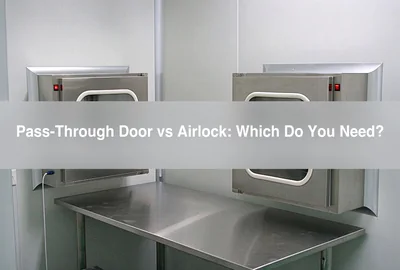
The bottom line is this: for many simple, low-risk transfers, a dual door interlocked pass-through is adequate; however, when the risk assessment, pressure cascade, transfer type, process requirements, or regulations require a controlled chamber, an airlock must be used.There's a simpler rule we...
Visits:630 | 2026-10-11
-
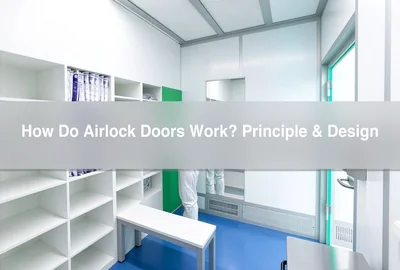
How do airlock doors work? Airlock doors work by never allowing two doors to open simultaneously. The how do airlock doors work question is exactly what this stage of the design has to settle. The interlocks keep one of the doors closed while it releases the other door so that the pressure different...
Visits:734 | 2026-10-11
-
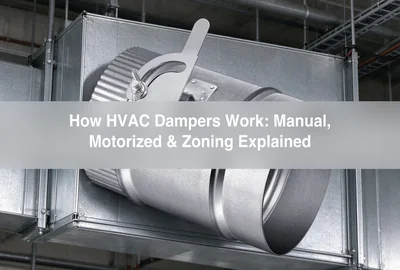
If you ask HVAC service providers, you will see that dampers are not involved in the list when talking about energy consumption of the HVAC systems. Nevertheless, they are very important because it is these blades that regulate air supply in different spaces.In other words:Manual dampers are used fo...
Visits:541 | 2026-10-21
-
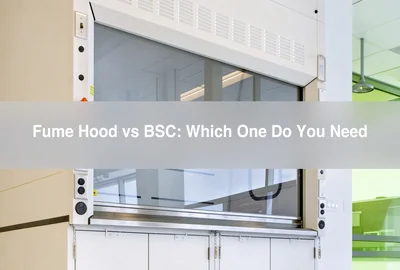
No single device fulfils all four objectives. This article covers the fume hood vs BSC difference, the fume hood vs laminar flow distinction, and the glove box vs fume hood decision for high-containment work.It ends with engineering specifications, cost logic, a Deiiang case study and a matrix for c...
Visits:664 | 2026-10-11
-
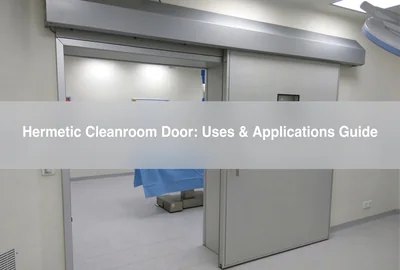
A hermetic cleanroom door represents an access mechanism that achieves a sealing rating which can maintain pressure differentials, prevent the entry of dirt particles, and ensure that every zone meets its ISO classification requirements by preventing any zone from exceeding certain standards. The wh...
Visits:664 | 2026-10-10
-
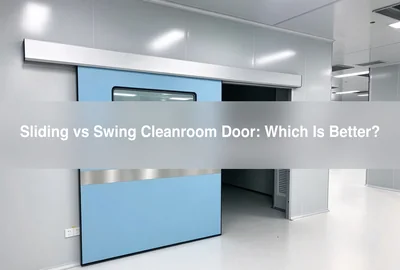
For most cleanroom projects, a swing cleanroom door is better for routine personnel access and simpler maintenance. A sliding cleanroom door is better when swing clearance is limited and wide equipment transfers are routine. That is the short verdict on any sliding vs swing cleanroom door selection....
Visits:658 | 2026-10-10
-
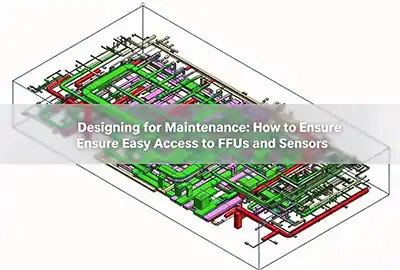
The cleanroom's effectiveness cannot be sustained by merely including an access hatch. Each service task necessitates an approach path free of obstacles, removal clearances, available space for tools, and verification steps after maintenance is completed.Most facilities pass the initial acceptan...
Visits:555 | 2026-10-09
-

Prior to putting in place a 20% reduction in energy waste within the ISO 5 cleanroom, the first step is measurement of the HVAC consumption figure, discover if there is an unnecessary airflow, and the efficiency of fan usage without compromising cleanliness of the room. In the end, the real savings ...
Visits:724 | 2026-10-08
-

Incomplete filtration, bad HVAC balancing, and poor design are reasons why most cleanrooms don't pass tests for compliance with the ISO standards. Even cleanrooms that seem to be finished may still not fully comply with tests for particle count, pressure differentials or time required to build u...
Visits:846 | 2026-10-09