+86 13638632902
 Jason@cleanroomequips.com


 MENU
MENUcompanies like










How to Work With Us

Submit Requirements
Provide your site dimensions, required ISO class, and industry-specific needs (GMP, ESD, etc.) to our experts.

Custom Technical Proposal
Receive a detailed design proposal within 24 hours, including airflow strategies, material lists, and transparent pricing.

Modular Production
We manufacture your modular panels, HVAC units, and FFUs with strict QC to ensure full compliance with ISO 14644 standards.

Global Shipping & Setup
Fast global logistics followed by onsite installation guidance and performance validation to get you operational quickly.
Sound insulation ≥44db(GBJ121-88)
Superior heat insulation performance, waterproof and moisture-proof
Beautiful appearance.
High density, anti-bending, can be sawed, nailed and glued.
Environmentally friendly
Anti-freezing, anti-cracking.
Weatherproof
Light weight, very easy to insulate and disassemble
Safe, 100% free of asbestos, formaldehyde and benzene
Lifespan >20 years
FAQ
1. Can cleanroom panels be used in aerospace applications?
Yes, cleanroom panels can be utilized in aerospace applications due to their ability to maintain stringent cleanliness standards. These panels help reduce contamination, which is crucial for aerospace manufacturing and assembly processes. They are designed to withstand rigorous cleaning protocols and provide a stable environment for sensitive components.
2. How do you ensure cleanroom compliance with panels?
Ensuring cleanroom compliance with panels involves several key steps:
Regular inspections to check for integrity and cleanliness.
Adhering to industry standards and regulations for cleanroom environments.
Implementing effective air filtration systems to maintain air quality.
Furthermore, training personnel on cleanroom protocols is essential to uphold compliance. Documentation and monitoring of environmental conditions are also critical for maintaining standards.
3. How do MGO panels perform in seismic areas?
MGO (Magnesium Oxide) panels are recognized for their structural integrity and durability, making them suitable for seismic areas. They possess excellent resistance to moisture and fire, which adds to their appeal in regions prone to earthquakes. Their lightweight nature reduces the overall load on structures, enhancing stability during seismic events.
Additionally, MGO panels can be designed to meet specific seismic codes, which further ensures safety. Proper installation and adherence to engineering guidelines are essential for optimal performance in such environments.
4. How do cleanroom panels affect airflow?
Cleanroom panels significantly influence airflow within controlled environments. Designed to facilitate proper air circulation, they help maintain the required air change rates and minimize dead zones. The layout and material of the panels contribute to the overall air distribution, ensuring that contaminants are effectively filtered out.
5. What thickness is best for cleanroom wall panels?
The ideal thickness for cleanroom wall panels typically ranges from 1 to 2 inches, depending on specific application requirements. Thicker panels offer better insulation and soundproofing, while thinner panels may be sufficient for certain less demanding environments. Ultimately, the choice of thickness must align with the cleanroom's classification and usage.
6. How often should cleanroom panels be inspected?
Cleanroom panels should be inspected at least quarterly to ensure they remain compliant with cleanliness standards. Frequent checks help identify any potential issues such as wear, dirt accumulation, or damage. In highly critical environments, monthly inspections may be necessary to maintain stringent control over contamination levels.
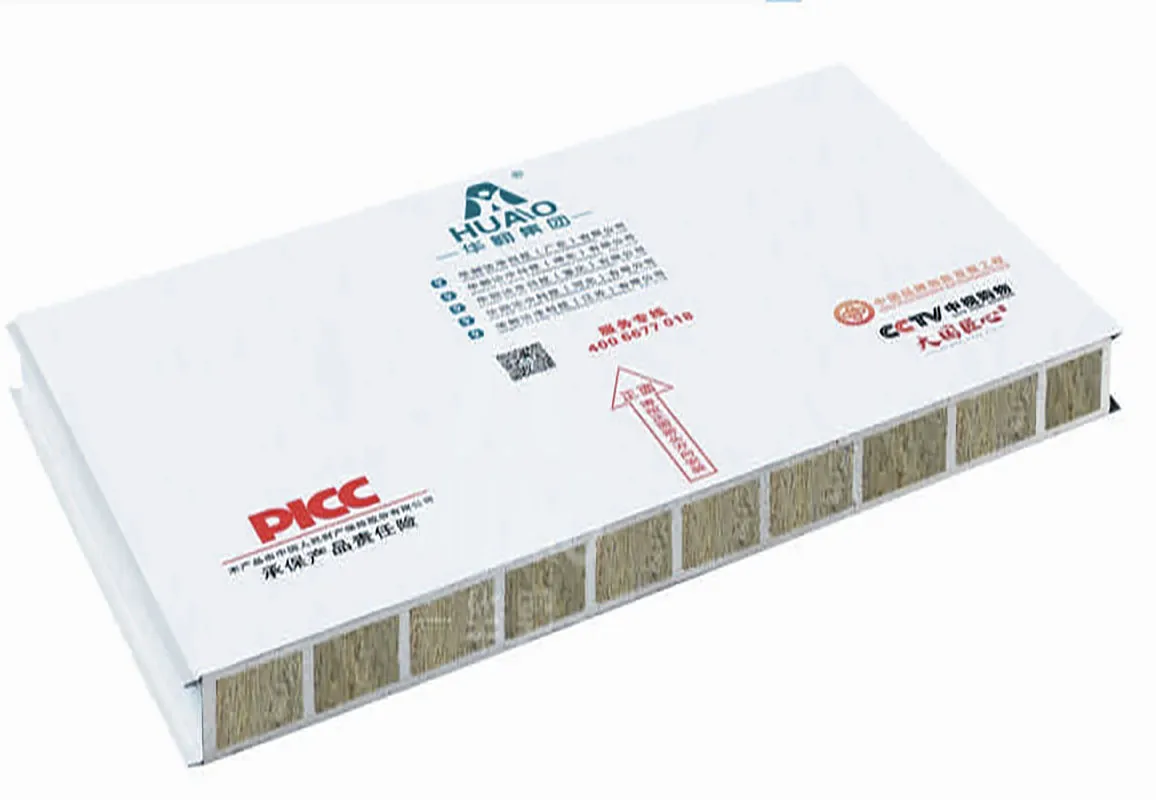
7. How do MGO panels compare to rock wool panels?
MGO panels and rock wool panels each have their advantages. MGO panels are known for their moisture resistance and fireproof properties, while rock wool panels provide excellent thermal insulation and soundproofing capabilities. Here’s a brief comparison:
MGO panels: Moisture-resistant, fireproof, lightweight.
Rock wool panels: Superior thermal insulation, sound absorption, heavier.
Ultimately, the choice between the two depends on specific project requirements and environmental considerations.
8. Can MGO panels be used in food processing facilities?
MGO panels can be effectively used in food processing facilities due to their non-toxic properties and resistance to moisture. They help maintain a clean and safe environment, which is critical in food production. Additionally, their easy-to-clean surfaces support hygiene standards required in the food industry.
9. What are the installation costs for cleanroom wall panels?
The installation costs for cleanroom wall panels can vary significantly based on factors such as material type, panel size, and the complexity of the installation process. On average, costs can range from \$50 to \$150 per square foot. It's important to consider additional expenses like labor and any necessary modifications to the existing structure.
10. Can cleanroom panels be used in data centers?
Yes, cleanroom panels are suitable for data centers as they help control dust and particulate contamination, which is vital for maintaining the performance and reliability of sensitive electronic equipment. These panels can also contribute to thermal management, ensuring optimal operating conditions for servers.
11. What is the lifespan of cleanroom wall panels?
The lifespan of cleanroom wall panels generally ranges from 10 to 30 years, heavily influenced by the materials used and the maintenance practices in place. Regular cleaning and inspections can extend their durability, ensuring they remain effective in maintaining cleanliness standards throughout their operational life.
12. Are cleanroom wall panels fire-rated?
Many cleanroom wall panels are designed to be fire-rated,
which means they meet specific fire safety standards to minimize the risk of fire spread. Fire-rated panels typically have properties that can withstand high temperatures and resist ignition, making them suitable for environments where fire safety is a concern. Always check the fire rating specifications to ensure compliance with local building codes and regulations.
13. What are the benefits of using MGO cleanroom panels?
MGO cleanroom panels offer several advantages that make them an excellent choice for controlled environments. Firstly, they are highly resistant to moisture and mold, which is crucial for maintaining a clean environment. Secondly, MGO panels are non-toxic and do not emit harmful chemicals, ensuring safety for personnel and products alike. Thirdly, their fire-resistant properties enhance safety in critical applications.
14. Can MGO panels be used in high-humidity environments?
Yes, MGO panels are suitable for high-humidity environments due to their inherent moisture resistance. Unlike some other materials, MGO does not absorb moisture, preventing issues like mold growth and structural degradation. This characteristic makes MGO panels ideal for applications in laboratories, food processing, and certain industrial settings where humidity control is essential.
15. What are the best brands for cleanroom wall panels?
When selecting cleanroom wall panels, several reputable brands are known for their quality and reliability. Some of the best brands include:
Cleanroom Technologies
Thermo Fisher Scientific
GMP Modular
Walls & Forms, Inc.
Panasonic
These brands offer a range of cleanroom solutions, ensuring compliance with industry standards while addressing specific needs for various applications.
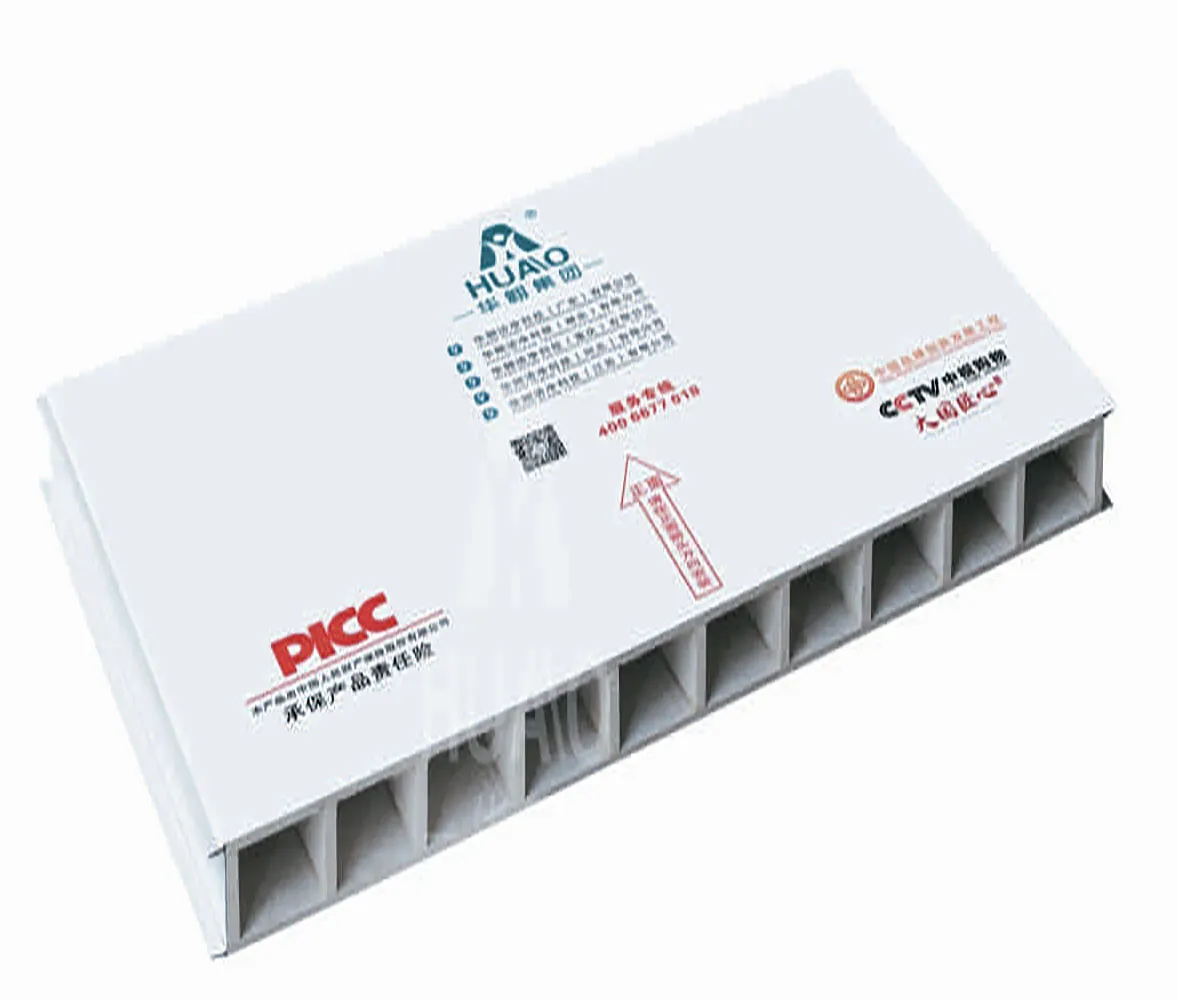
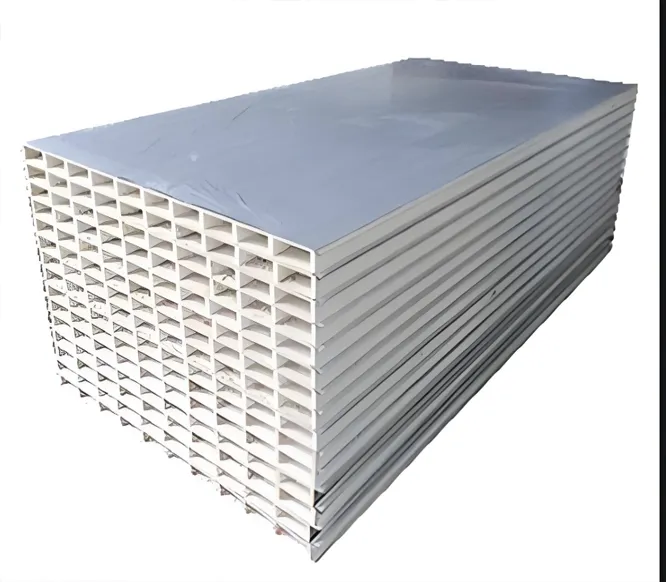
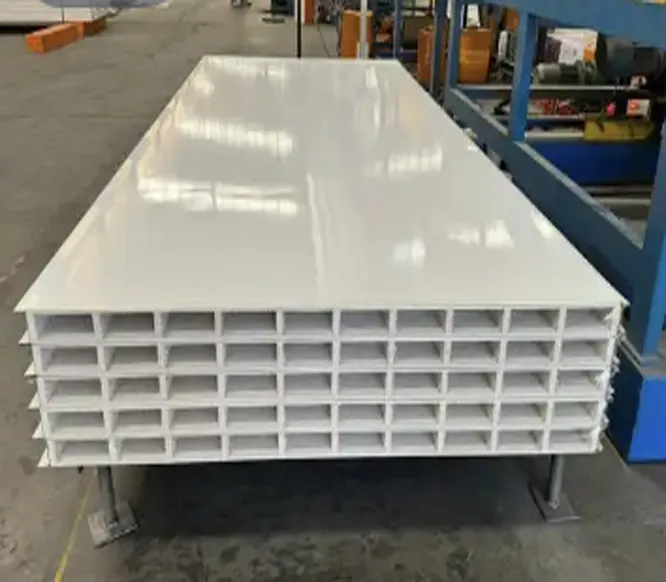
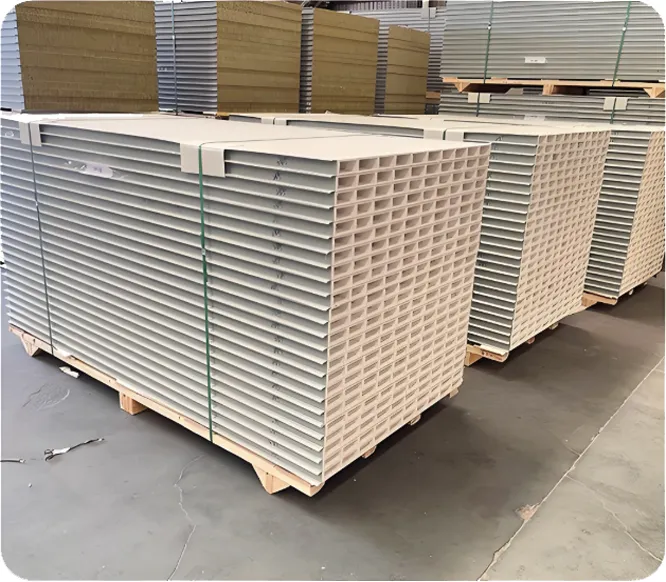
Cleanroom MGO Panel Data
| Parameter | Specification |
|---|---|
| Effective Width | 980 mm |
| Thickness | 50 mm | 100 mm |
| Length | Custom |
| Structure and Application | Splicing of mouthpiece |
| Steel Plate Thickness | 0.376 mm | 0.426 mm | 0.476 mm |
| Steel Plate Material | Painted Steel | SS304 |
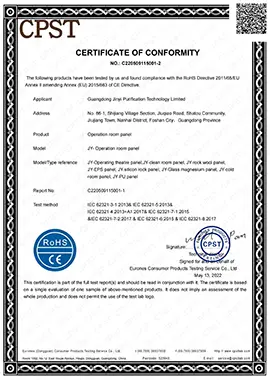
Operation room panel CE
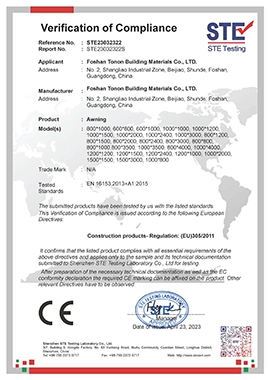
PC Panels CE certification
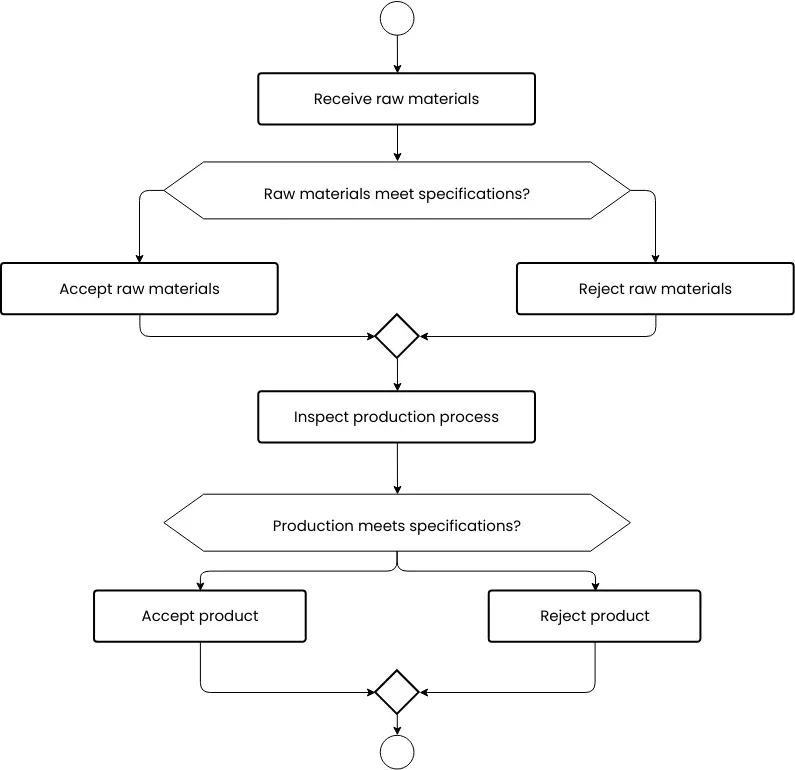
Deiiang MGO Panel Quality Control Flowchart