+86 13638632902
 Jason@cleanroomequips.com


 MENU
MENUX
This project involves renovating the existing AOI (Automated Optical Inspection) and electroplating workshop on the second floor of Building B2 at Jiangyin Changjiang Advanced Packaging Co., Ltd. (JCAP). The goal is to upgrade the cleanliness level from the current Class 10,000 to the more stringent Class 100. This initiative aims to improve product yield and meet higher customer quality requirements. A major challenge of this project is that the renovation must be carried out without interrupting production and without affecting the overall cleanliness of the workshop during construction.
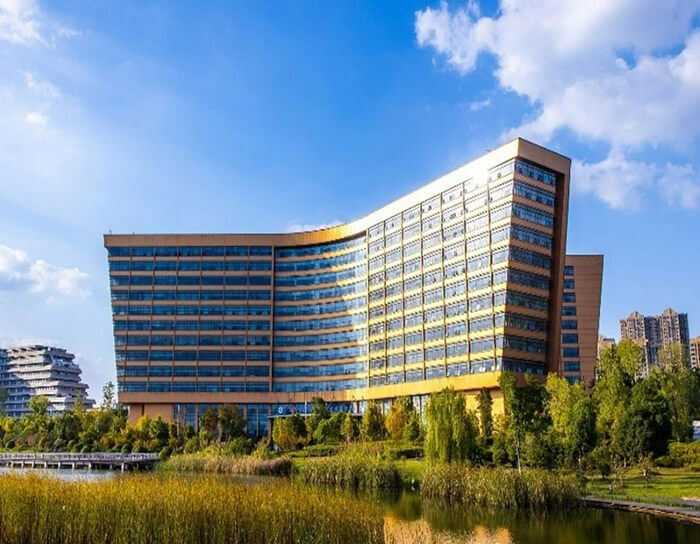
JCAP is the advanced packaging subsidiary of JCET Group, focusing on wafer-level packaging technologies. As a global leader in semiconductor OSAT, JCET provides integrated circuit manufacturing and technology services worldwide. With major production bases and R&D centers across China, Korea, and Singapore, JCET serves customers in over 20 countries and regions. The company's products and technologies are widely used in network communications, mobile terminals, high-performance computing, automotive electronics, and AIoT applications. Founded in 1998 and headquartered in Jiangyin, Jiangsu Province, JCET has been listed on the Shanghai Stock Exchange since 2003 (Stock Code: 600584).
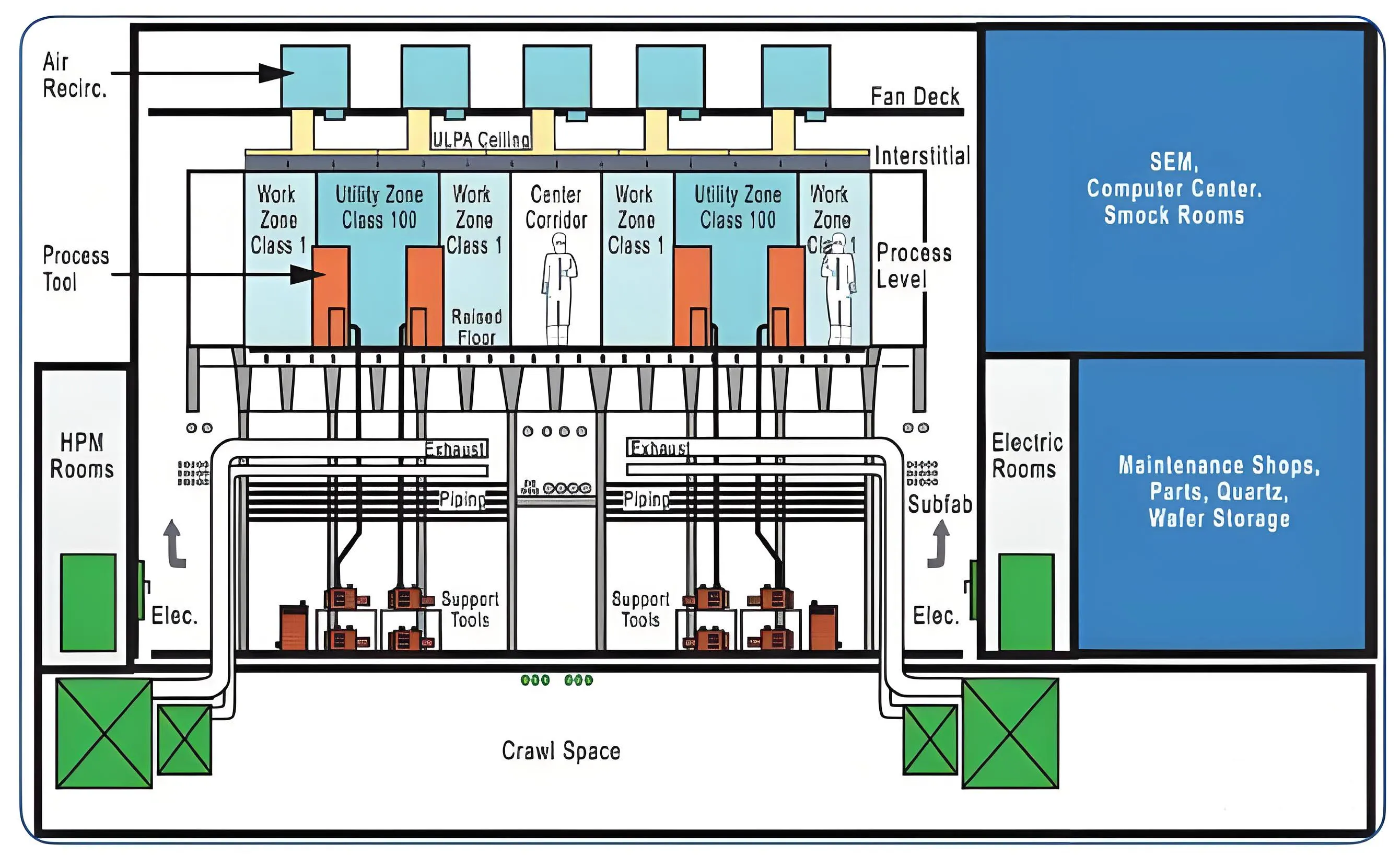
Deiiang cleanroom & MEP team fully digested JCET’s process, equipment layout and automated material handling requirements. Collaborative design covered:
All disciplines were synchronised to ensure seamless integration with the automated logistics and tool layout.
Project manager responsibility system: five specialised groups – civil/structure, MEP installation, automation control, cleanroom fit‑out, safety & quality. Weekly plans + daily coordination meetings + critical node milestone control. First‑article inspection & supervision for panel installation, duct & clean pipe welding, HEPA filter mounting and airflow/velocity tuning.
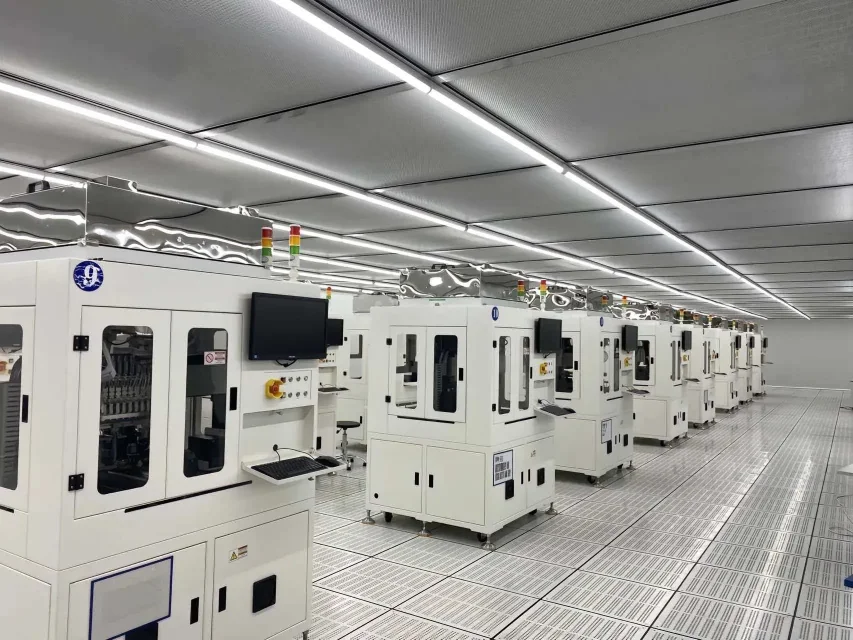
For electroplating areas, multiple intermediate inspections were introduced for corrosion protection, waterproofing and equipment foundation works – preventing hidden issues after covering. Strict supervision of membrane and lining application, with on‑site witness testing.
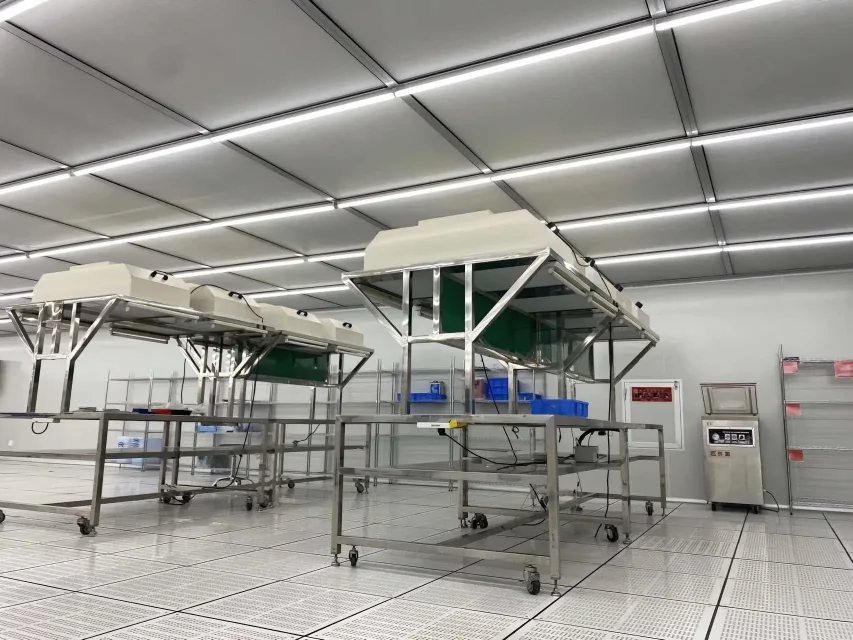
Site condition deviations, unclear old utility markings were resolved by laser measurement, detection and local openings. Design and construction teams collaborated on‑the‑spot to issue change modifications, achieving “problem closed within the same day”.
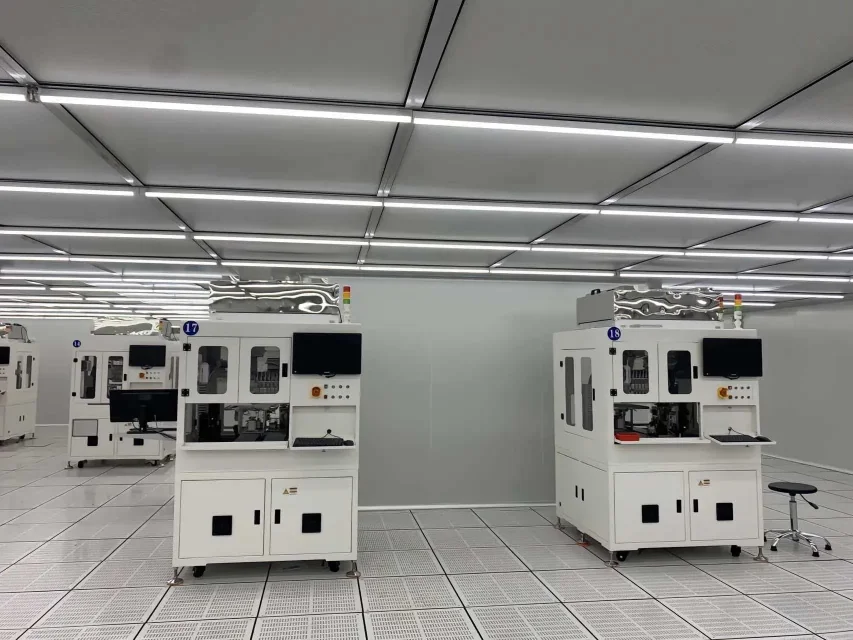
Two‑stage commissioning: subsystem (HVAC+cleanliness, plumbing/process piping, power & BMS, exhaust/waste treatment) followed by integrated trial run. Cleanroom tested per GB 50591 – airborne particles, air volume/velocity, pressure cascade, noise, illumination, temperature/humidity stability. Critical zones achieved design ISO class at first attempt.
Plating workshop exhaust & wastewater met local discharge standards (third‑party verified). Fire alarm, suppression, evacuation indication, smoke management passed fire authority approval. Project delivered ahead of schedule, providing ample buffer for tool hook‑up and ramp‑up.
Delivered weeks ahead of schedule·ready for production ramp-up.