+86 13638632902
 Jason@cleanroomequips.com
 MENU
MENUX
We provide cleanroom design, construction, and installation services that meet international standards, satisfying the stringent requirements of cleanrooms across various industries.
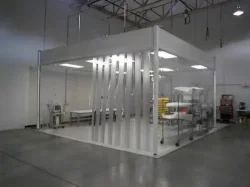
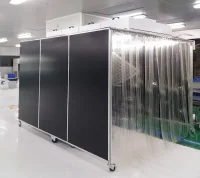
More Contact USISO 7 softwall cleanrooms are controlled environments that meet specific cleanliness and contamination control standards as defined by the International Organization for Standardization (ISO).
Air Cleanliness:ISO 14644-1 Class 5 (3,520 particles/m³ for 0.5 µm)
Air Changes: per Hour Typically ≥ 240 ACH
Filtration HEPA or ULPA filters (captures ≥ 0.3 µm)
Temperature:18°C to 22°C (64°F to 72°F)
Humidity :30% to 60% RH
Pressure:Positive pressure (relative to adjacent areas)
Walls:Flexible PVC or vinyl sheets
Lighting: 300 to 1,000 lux (depending on task)
Personnel Garbing:Full-body suits, gloves, masks, etc.
Applications: Semiconductors, pharmaceuticals, electronics, aerospace
Min. Order:1 Set
Catalog:ISO 7 Softwall Cleanrooms
Min. Order:1 Set
Catalog:ISO 7 Softwall Cleanrooms
Min. Order:1 Set
Catalog:ISO 7 Softwall Cleanrooms
Min. Order:1 Set
Catalog:ISO 7 Softwall Cleanrooms
Min. Order:1 Set
Catalog:ISO 7 Softwall Cleanrooms
Min. Order:1 Set
Catalog:ISO 7 Softwall Cleanrooms
Min. Order:1 Set
Catalog:ISO 7 Softwall Cleanrooms
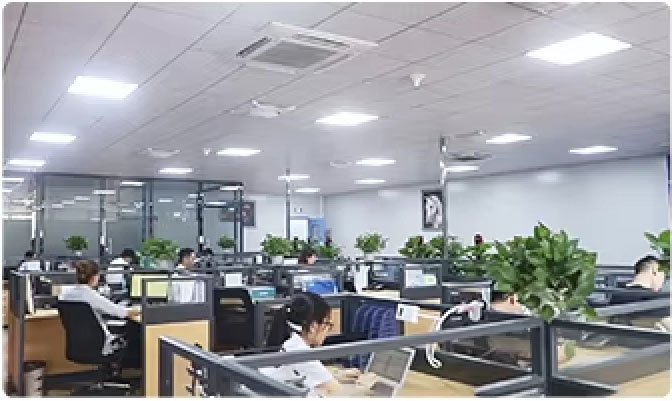
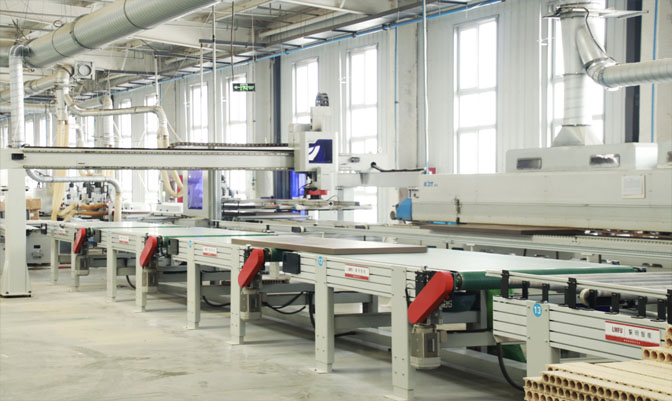
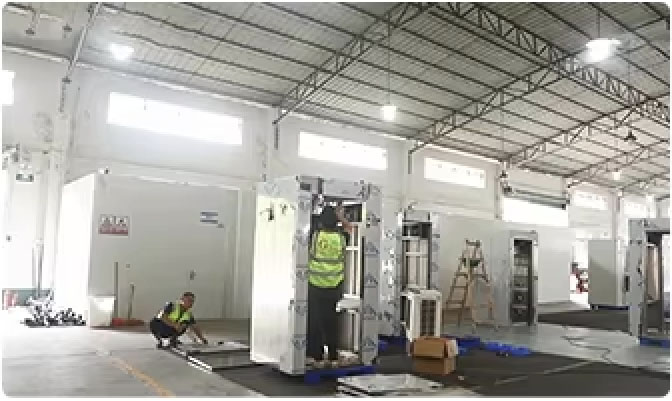
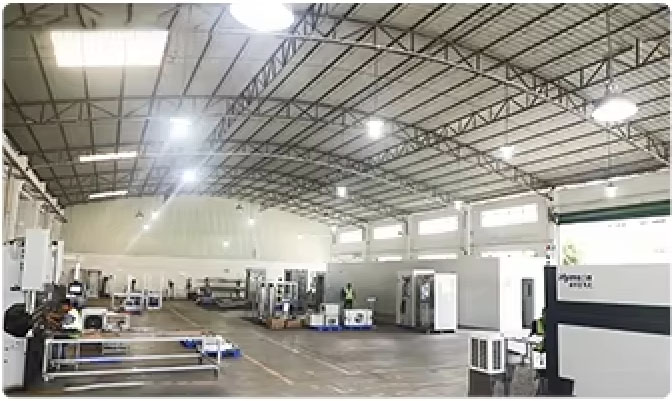
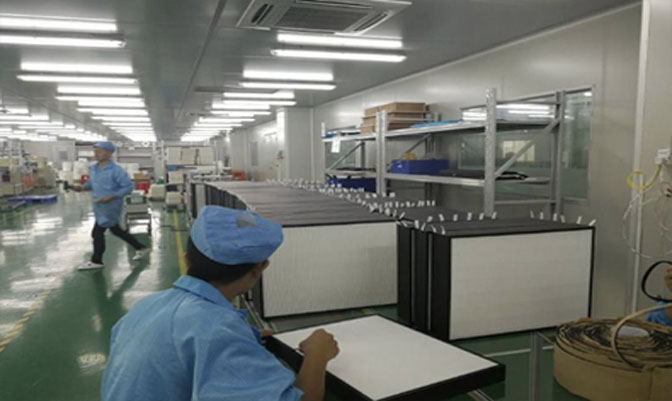
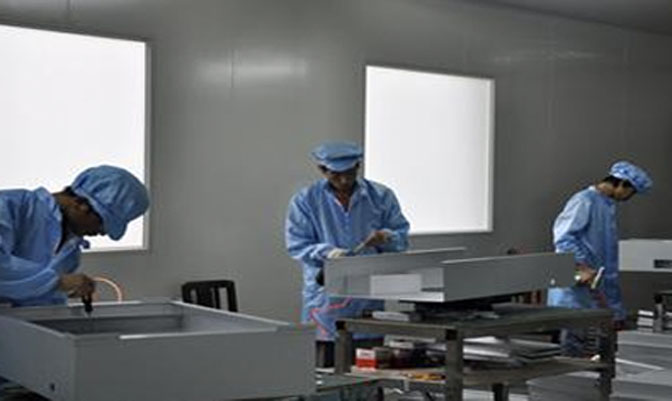
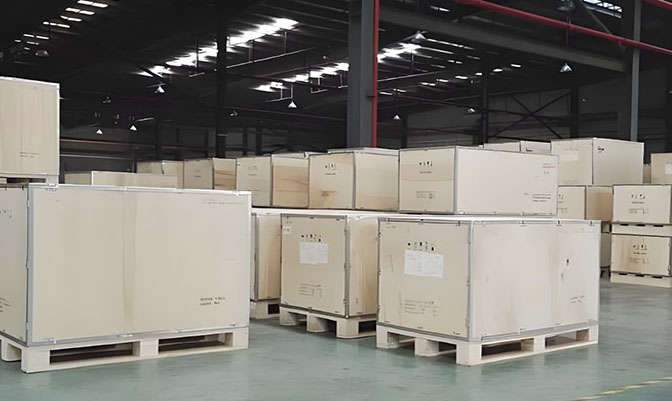
Introduction to Deiiang
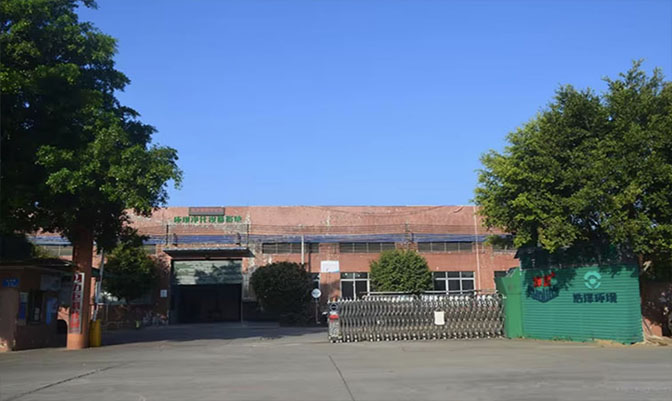
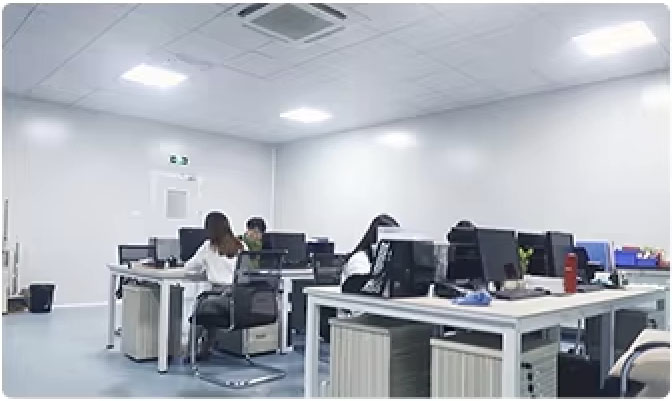
Deiiang is your reliable manufacturer of ISO 7 softwall cleanrooms, dedicated to providing high-quality, customizable cleanroom solutions that meet the strictest industry standards. With a focus on innovation and precision, our softwall cleanrooms are designed to ensure optimal cleanliness and contamination control for various applications, including pharmaceuticals, biotechnology, electronics, and more. Our commitment to quality and customer satisfaction makes us a trusted partner in creating controlled environments that enhance productivity and safety.
Why Choose Deiiang?
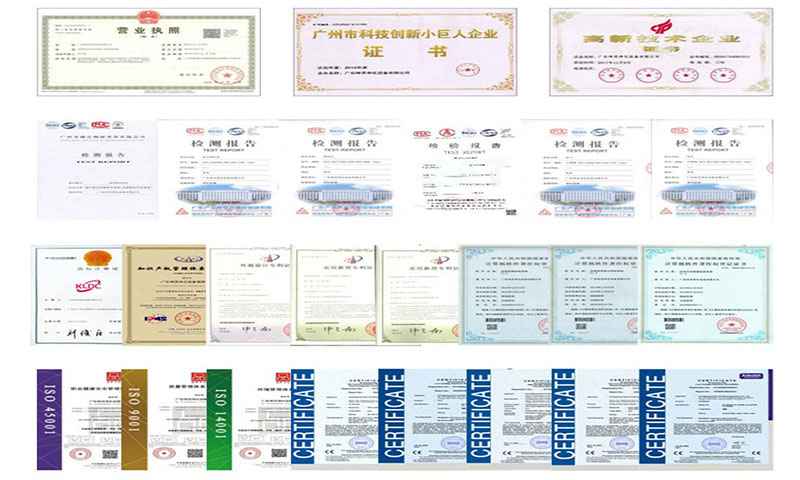
At Deiiang, we understand the unique needs of each client, which is why we offer tailored solutions to fit your specific requirements. Our ISO 7 softwall cleanrooms are engineered with advanced HEPA filtration systems and robust materials to maintain the highest levels of air quality and cleanliness. With a team of experienced professionals, we provide comprehensive support from design to installation, ensuring a seamless experience and a cleanroom that operates efficiently. Trust Deiiang to deliver cleanroom solutions that enhance your operations and protect your products.
An ISO 7 cleanroom is a controlled environment that meets specific cleanliness standards defined by the International Organization for Standardization (ISO). This classification allows for a maximum of 352,000 particles per cubic meter for particles that are 0.5 micrometers or larger, ensuring a controlled environment for sensitive processes.
These cleanrooms are essential in industries such as pharmaceuticals, biotechnology, and electronics, where contamination can adversely affect product quality and safety. They employ advanced filtration systems and strict protocols to maintain air quality and cleanliness.
Cost-Effective: Generally more affordable than hardwall cleanrooms.
Flexibility: Easily customizable and adaptable to changing needs.
Quick Setup: Can be assembled and disassembled rapidly.
Portable: Ideal for temporary projects or research that requires mobility.
Less Disruption: Minimal construction impact on existing facilities.
Maintaining an ISO 7 cleanroom involves a rigorous cleaning and monitoring protocol. Regular cleaning schedules should be established to ensure that all surfaces, equipment, and air filtration systems are free from contaminants. This process often includes using approved cleaning agents and following specific techniques to avoid introducing particles into the environment.
Another critical aspect is continuous monitoring of environmental conditions. This includes tracking particulate levels, temperature, and humidity to ensure compliance with ISO 7 standards. Advanced monitoring systems can provide real-time data, helping to identify any deviations from the desired conditions promptly.
Finally, personnel must follow strict gowning and hygiene procedures when entering the cleanroom. This includes wearing appropriate cleanroom attire and adhering to protocols that minimize the risk of contamination from human sources.
Pharmaceuticals: For drug formulation and manufacturing.
Biotechnology: In the development of biological products.
Electronics: For the production of semiconductors and microchips.
Aerospace: To ensure clean environments for component manufacturing.
Medical Devices: To maintain sterile conditions during production.
ISO 7 softwall cleanrooms are constructed using flexible wall materials such as vinyl or polyethylene. These materials create a barrier that can easily be assembled, disassembled, or reconfigured, making them ideal for various applications. The design also incorporates HEPA or ULPA filtration systems to ensure high air quality and particle removal.
The cleanroom design typically includes an airlock system to minimize contamination during entry and exit. Additionally, lighting, electrical outlets, and HVAC systems are integrated into the design to support operational efficiency while maintaining the required cleanliness levels.
Cleanroom Suit: Full-body suit made of non-linting material.
Gloves: Disposable gloves that are often double-gloved for extra protection.
Hair Covers: Caps to cover hair and minimize shedding.
Face Masks: To prevent respiratory particles from entering the cleanroom.
Foot Covers: Shoe covers or dedicated cleanroom footwear.
Ensuring compliance with ISO 7 standards involves implementing a comprehensive cleaning and monitoring program. Regular audits and inspections should be conducted to assess the cleanroom environment, focusing on particle counts, temperature, and humidity levels. This helps identify potential issues before they compromise the cleanroom's integrity.
Training personnel is also critical. Staff should be educated on proper gowning procedures, cleaning protocols, and contamination control measures. Regular training sessions can reinforce best practices and keep employees informed about any updates in standards or procedures.
Finally, investing in advanced monitoring systems can provide real-time data on the cleanliness and environmental conditions of the cleanroom. These systems allow for prompt corrective actions to be taken if any parameters deviate from ISO 7 standards.
The primary difference between ISO 7 and ISO 8 cleanrooms lies in the allowable levels of airborne particles. An ISO 7 cleanroom permits a maximum of 352,000 particles per cubic meter for particles of 0.5 micrometers or larger, while an ISO 8 cleanroom allows for up to 3.5 million particles in the same volume. This significant difference in cleanliness### 8. What is the difference between ISO 7 and ISO 8 cleanrooms? (continued)
This significant difference in cleanliness levels makes ISO 7 cleanrooms suitable for more sensitive processes, such as those found in pharmaceuticals and biotechnology. In contrast, ISO 8 cleanrooms are often used in industries where the level of contamination control is less critical, such as in food processing or certain manufacturing environments.
Moreover, the operational requirements for maintaining ISO 7 cleanrooms, including stricter gowning protocols and cleaning procedures, are more rigorous compared to ISO 8 cleanrooms. The choice between the two classifications depends on the specific needs of an organization and the level of contamination control required for their products or processes.
Wall Panels: Flexible, non-porous materials that create a barrier.
HEPA/ULPA Filters: High-efficiency filters for air purification.
Lighting: Specialized lighting that does not emit particles.
HVAC System: Controls temperature and humidity while providing necessary airflow.
Monitoring Systems: Equipment to continuously track air quality and environmental conditions.
The cost of building an ISO 7 softwall cleanroom can vary widely based on several factors, including size, materials, and specific requirements. On average, the cost can range from $50 to $150 per square foot. This price typically includes construction, filtration systems, and basic environmental monitoring equipment.
Additional costs may arise depending on customization and specialized features, such as advanced monitoring systems or specific HVAC requirements. It's essential to conduct a thorough assessment of your needs and consult with manufacturers or contractors to obtain accurate estimates.
Moreover, ongoing operational costs, such as maintenance, cleaning supplies, and utility expenses, should also be considered in the overall budget. Proper planning and investment can ensure that the cleanroom meets its intended purpose while remaining cost-effective over time.