+86 13638632902
 Jason@cleanroomequips.com


 MENU
MENUcompanies like











How to Work With Us

Submit Requirements
Provide your site dimensions, required ISO class, and industry-specific needs (GMP, ESD, etc.) to our experts.

Custom Technical Proposal
Receive a detailed design proposal within 24 hours, including airflow strategies, material lists, and transparent pricing.

Modular Production
We manufacture your modular panels, HVAC units, and FFUs with strict QC to ensure full compliance with ISO 14644 standards.

Global Shipping & Setup
Fast global logistics followed by onsite installation guidance and performance validation to get you operational quickly.
FAQ
1. What is a PP fume hood?
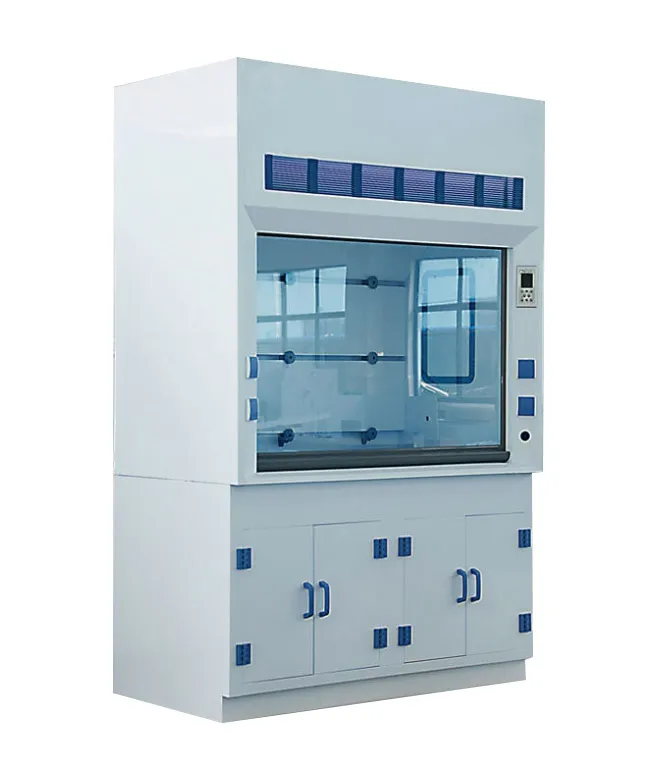
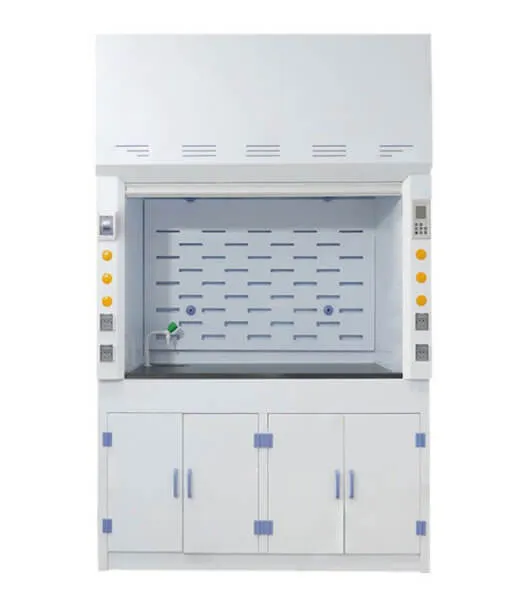
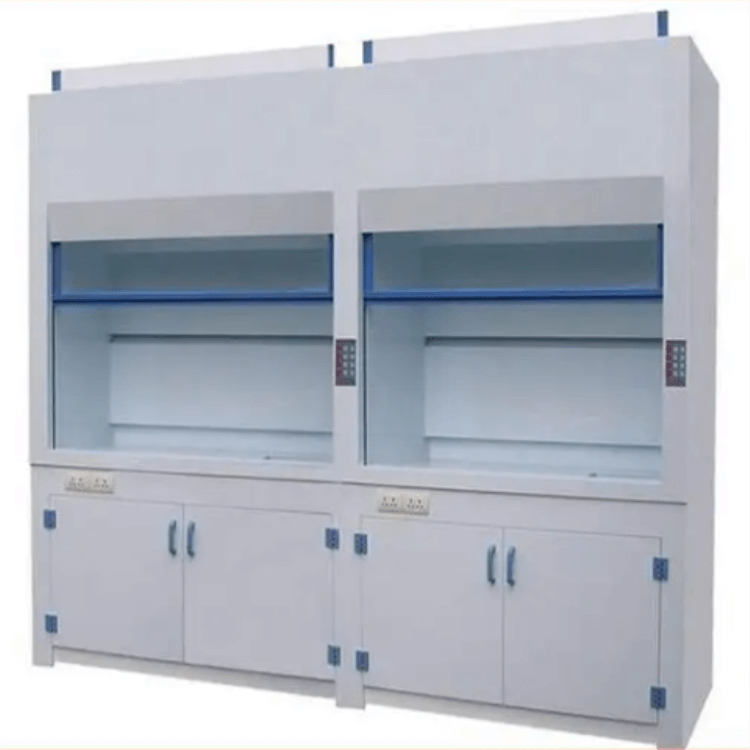
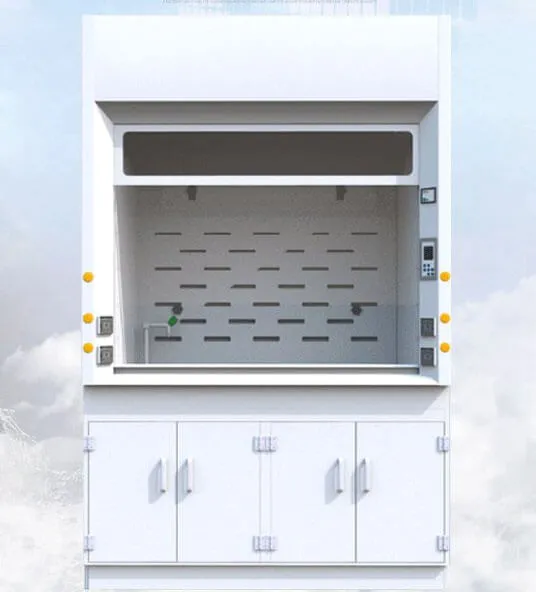
A PP (Polypropylene) fume hood is a laboratory ventilation system designed to safely contain and exhaust hazardous fumes, vapors, and particulate matter. Made from durable polypropylene, it is particularly suited for handling corrosive chemicals and harsh substances.
2. How does a PP fume hood work?
A PP fume hood operates by drawing contaminated air through a work surface and into the hood, where it is filtered or vented outside the lab. The air is then treated to remove harmful chemicals or particulates, ensuring a safe environment for laboratory personnel.
3. What materials can be used in a PP fume hood?
PP fume hoods are designed to handle a wide range of materials, including:
Acids and alkalis
Solvents
Volatile chemicals
These materials do not damage the polypropylene structure, making it an excellent choice for chemical handling in labs.
4. Why should I use a PP fume hood?
Using a PP fume hood is essential for maintaining safety in a lab. It effectively captures hazardous fumes and vapors, preventing exposure to toxic chemicals. The material itself is resistant to corrosion, making it ideal for labs dealing with harsh substances.
5. Are PP fume hoods resistant to acids?
Yes, PP fume hoods are highly resistant to a wide range of acids, including hydrochloric acid, sulfuric acid, and nitric acid. This makes them suitable for laboratories where acidic substances are regularly handled.
6. How durable is a PP fume hood?
PP fume hoods are known for their durability. Made from thick polypropylene, these hoods are resistant to wear, corrosion, and impact. With proper maintenance, they can last for many years, even in harsh laboratory environments.
7. What is the price of a PP fume hood?
The price of a PP fume hood varies depending on factors such as size, design, and additional features. On average, a basic PP fume hood can range from a few hundred to several thousand dollars. Custom-built models may cost more.
8. Where can I buy a PP fume hood?
PP fume hoods can be purchased from laboratory equipment suppliers, online marketplaces, and specialized manufacturers. It's important to choose a reputable supplier that offers warranty and customer support.
9. Can a PP fume hood be used for chemical experiments?
Yes, a PP fume hood is ideal for conducting chemical experiments, especially when working with corrosive substances. The fume hood will safely exhaust hazardous fumes and vapors, protecting the user and the lab environment.
10. What are the benefits of using a PP fume hood?
PP fume hoods offer several key benefits:
Excellent chemical resistance to a wide range of substances.
Durable and long-lasting material.
Enhanced safety by containing and venting hazardous fumes.
These features make PP fume hoods an ideal choice for labs handling volatile or corrosive materials.
11. How do I maintain a PP fume hood?
Maintaining a PP fume hood involves regular cleaning, checking for leaks, and inspecting the exhaust system. Filters should be replaced as needed, and the hood's airflow should be periodically tested to ensure it meets safety standards.
12. Is a PP fume hood suitable for laboratories?
Yes, a PP fume hood is highly suitable for laboratories, particularly those that work with corrosive chemicals, solvents, and other hazardous materials. Its durability and chemical resistance make it an essential tool for ensuring laboratory safety.
13. How do I install a PP fume hood?
Installing a PP fume hood involves securing it to the lab floor and connecting it to an appropriate exhaust system. It's recommended to have a professional install the hood to ensure it meets all safety and ventilation requirements. Proper installation is crucial for optimal performance.