+86 13638632902
 Jason@cleanroomequips.com

 MENU
MENUcompanies like











How to Work With Us

Submit Requirements
Provide your site dimensions, required ISO class, and industry-specific needs (GMP, ESD, etc.) to our experts.

Custom Technical Proposal
Receive a detailed design proposal within 24 hours, including airflow strategies, material lists, and transparent pricing.

Modular Production
We manufacture your modular panels, HVAC units, and FFUs with strict QC to ensure full compliance with ISO 14644 standards.

Global Shipping & Setup
Fast global logistics followed by onsite installation guidance and performance validation to get you operational quickly.
| Brand Name | Feixia |
|---|---|
| Product name | Cleanroom Sandwich Panel |
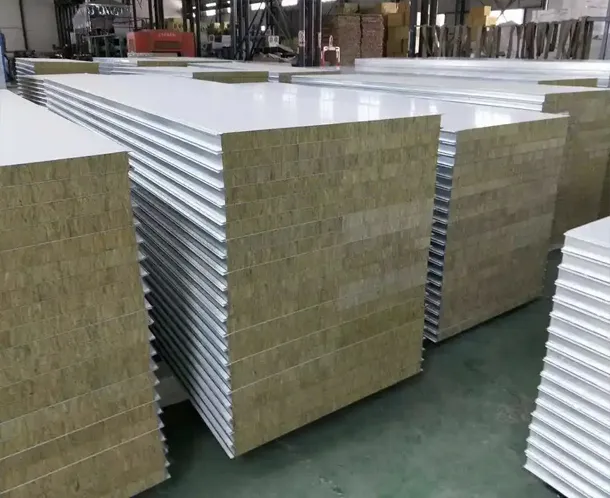
| Core Material | Rock Wool/ Glass Magnesium Rock Wool/ Magnesium Oxysulfate/ Hollow Glass Magnesium / Silica rock/ Paper Honeycomb /Aluminum Honeycomb/ PU /Propor |
| Thickness of Panel | 50/75/100/125/150/200mm |
| Steel Material | Coated Color Steel Sheet/ Stainless Steel / Aluminum Steel / Galvanized Steel |
| Thickness of Steel | 0.3-0.6mm |
| Length | Size on request |
| Width | 1150mm |
Rock Wool Core: Offers high fire resistance and sound insulation.
PU Foam Core: Provides excellent thermal insulation and lightweight properties.
Propor Core: Ensures structural integrity and moisture resistance.
Magnesium Oxysulfate Core: Combines fire resistance with superior mechanical strength.
Hollow Glass Magnesium Core: Lightweight with good thermal and sound insulation.
Glass Magnesium Rock Wool Core: Enhanced fire resistance and acoustic properties.
Aluminum Honeycomb Core: Lightweight and strong, ideal for high-load applications.
Paper Honeycomb Core: Cost-effective with good structural stability and insulation properties.
FAQ
1. Can Rock Wool panels be used in cleanrooms with sensitive equipment?
Yes, Rock Wool panels can be used in cleanrooms with sensitive equipment, as they provide excellent thermal insulation and sound absorption without compromising the cleanliness of the environment. Their non-combustible nature and resistance to moisture further enhance their suitability for such applications.
2. What are the common installation mistakes with Rock Wool panels?
Common installation mistakes with Rock Wool panels include:
Improper sealing of joints, leading to thermal bridges
Inadequate support or insufficient fasteners
Failing to account for the weight of the panels during installation
These errors can lead to decreased performance and potential issues in insulation efficiency.
3. What certifications do Rock Wool panels have for cleanroom use?
Rock Wool panels typically hold several certifications for cleanroom use, including ISO 14644-1 for cleanroom classification and ASTM E84 for fire safety. Additionally, they may meet various environmental standards, ensuring they are suitable for sensitive applications.
4. How do Rock Wool panels compare to fiberglass panels for cleanrooms?
Rock Wool panels generally outperform fiberglass panels in several aspects for cleanroom applications. They offer superior fire resistance, better sound insulation, and enhanced durability against moisture. Furthermore, Rock Wool panels do not release fibers into the air, making them a safer option for environments requiring stringent cleanliness.
5. Can Rock Wool panels be used in cleanrooms with high foot traffic?
Yes, Rock Wool panels can be used in cleanrooms with high foot traffic. Their robust construction allows them to withstand physical wear and tear, making them suitable for areas with frequent movement. Proper installation and finishing are essential to enhance their durability.
6. What is the optimal installation method for Rock Wool panels in cleanrooms?
The optimal installation method for Rock Wool panels in cleanrooms involves:
Using a clean, dust-free environment for installation
Ensuring panels are tightly fitted with proper sealing at joints
Employing mechanical fasteners to secure the panels effectively
This approach minimizes gaps and maintains the integrity of the cleanroom environment.
7. How does temperature affect the performance of Rock Wool panels?
Temperature significantly affects the performance of Rock Wool panels. At high temperatures, their thermal resistance remains stable, but prolonged exposure to extreme heat can cause degradation. Conversely, at low temperatures, they maintain their insulating properties, making them versatile in various environments.
8. What are the latest innovations in Rock Wool panel technology?
Recent innovations in Rock Wool panel technology include enhanced fire resistance treatments and improved moisture-repellent properties. Manufacturers are also exploring sustainable practices in production, utilizing recycled materials to create more environmentally friendly products while maintaining high performance standards.
9. What is the environmental impact of Rock Wool production?
The environmental impact of Rock Wool production is relatively low compared to other insulation materials. Rock Wool is made from natural resources and is recyclable. However, the energy-intensive manufacturing process can produce greenhouse gases, so ongoing improvements in production efficiency are essential.
10. How do Rock Wool panels handle vibrations?
Rock Wool panels are effective at dampening vibrations due to their dense and fibrous structure. This characteristic makes them suitable for applications in environments where vibration control is crucial, such as near machinery or high-traffic areas, ensuring both comfort and safety.
11. How do you troubleshoot issues with Rock Wool panel installations?
Troubleshooting issues with Rock Wool panel installations often involves checking for:
Improper sealing or gaps between panels
Inadequate support leading to sagging
Moisture ingress affecting performance
Identifying and addressing these issues promptly can enhance the overall effectiveness of the insulation system.
12. What are the limitations of using Rock Wool panels in cleanrooms?
Limitations of using Rock Wool panels in cleanrooms include their weight, which may require additional structural support, and potential moisture absorption if not properly treated. Additionally, while they are effective for sound insulation, they may not meet all aesthetic requirements for cleanroom finishes.
13. What are the best finishes for Rock Wool panels in cleanrooms?
The best finishes for Rock Wool panels in cleanrooms include smooth, non-
porous coatings that are easy to clean and maintain. Options such as vinyl or painted finishes can enhance the panels' resistance to moisture and contaminants while providing a seamless appearance that meets cleanroom standards. Additionally, finishes should be selected based on their ability to withstand the cleaning protocols specific to the cleanroom environment.
14. Can Rock Wool panels be used in bio-pharma cleanrooms?
Yes, Rock Wool panels can be effectively used in bio-pharma cleanrooms due to their non-combustible properties, excellent thermal insulation, and resistance to moisture. These attributes help maintain the stringent environmental controls necessary for bio-pharmaceutical manufacturing, ensuring compliance with regulatory standards.
15. How do Rock Wool panels handle thermal expansion and contraction?
Rock Wool panels are designed to accommodate thermal expansion and contraction due to their flexible nature. Proper installation techniques, such as leaving expansion gaps and using compatible joint sealants, ensure that the panels can adapt to temperature changes without compromising the integrity of the cleanroom.
16. Can Rock Wool panels be used in cleanrooms designed for electronics manufacturing?
Rock Wool panels are suitable for cleanrooms designed for electronics manufacturing, as they provide effective insulation and sound dampening without releasing fibers that could contaminate sensitive electronic components. Their fire-resistant properties also contribute to a safer working environment in these critical applications.
Learn More About Deiiang RockWool Panel
- Video
- Data Sheet
- Certificates & Gallery
- Quality Control
- After-Sales Service
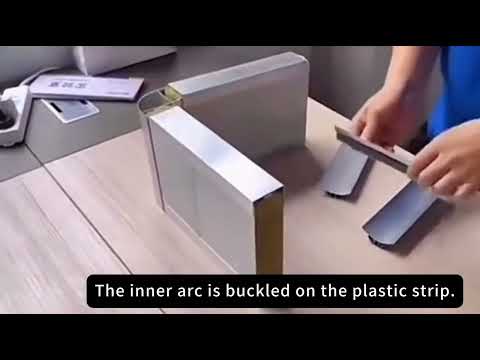
Cleanroom RockWool Panel Data
| Parameter | Specification |
|---|---|
| Effective Width | 980 mm |
| Thickness | 50 mm | 100 mm |
| Density (kg/m³) | 80 | 140 |
| Length | Custom |
| Structure and Application | Splicing of mouthpiece |
| Steel Plate Thickness | 0.376 mm | 0.426 mm | 0.476 mm |
| Steel Plate Material | Painted Steel | SS304 |
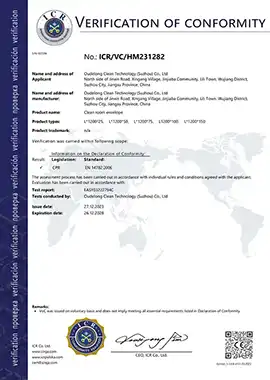
Clean room envelope CE Certification
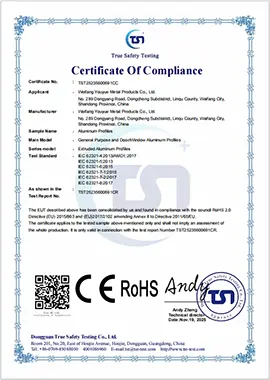
Aluminum Profiles CE Certification
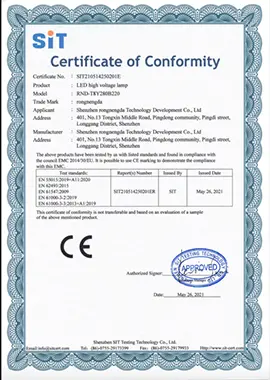
LED high voltage lamp CE Certification
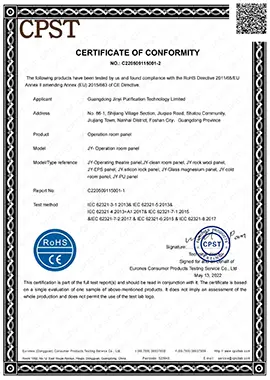
Operation room panel CE Certification
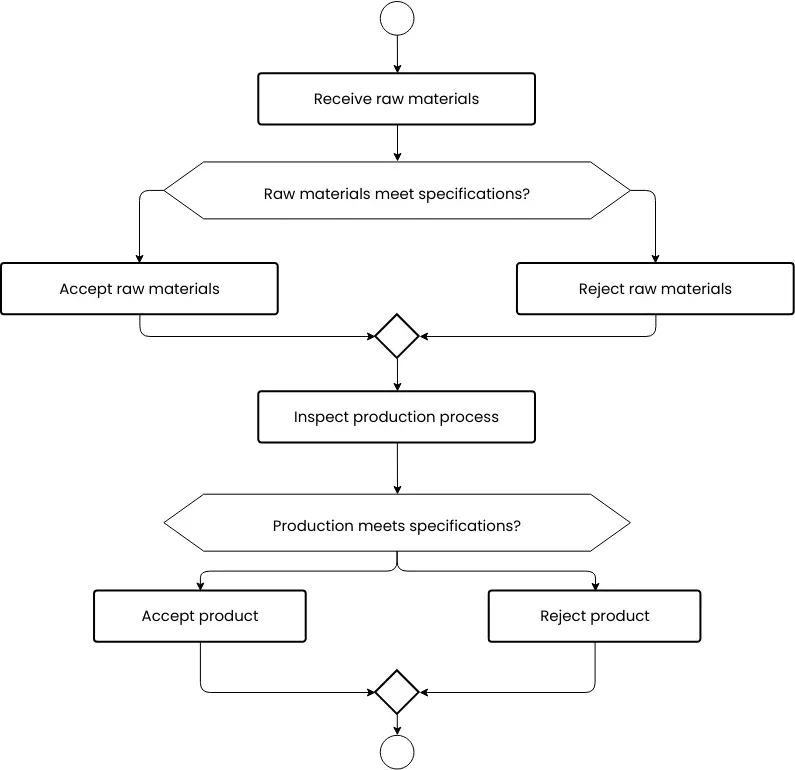
Deiiang RockWool Panel Quality Control Flowchart
DEIIANG Cleanroom Products International After-Sales Service Terms
1. Warranty Coverage
Main equipment & structures: 12-month warranty from site acceptance; max 18 months after shipment if delayed by Buyer.
Consumables (HEPA filters, seals, sensors): 6-month limited warranty from shipment.
Extended 1–3 year maintenance contracts available at extra cost.
2. Free In-Warranty Services
24-hour remote troubleshooting via email/WhatsApp/video call
Free genuine spare parts for manufacturing defects
Digital operation & maintenance manuals and ISO 14644 guidance
Remote installation, commissioning and calibration support
Free control system firmware upgrades
3. Warranty Exclusions (Paid Service Required)
Normal wear of consumables
Improper operation, unstable power or off-spec usage
Unauthorized disassembly/modification or third-party repair
Collision, flood, fire, natural disasters and post-delivery transport damage
Neglect of routine maintenance
Lost serial numbers or missing purchase documents
Indirect losses including production downtime and profit loss
4. Overseas On-Site Service
Buyer covers all round-trip flights, visa, accommodation, local transport and daily allowances.
Overtime/holiday service incurs extra charges.
Post-warranty on-site service includes spare part fees + engineer service charge.
5. Spare Parts Supply
Lifetime supply of original spare parts at factory price after warranty.
Default EXW factory; Buyer bears all international shipping and customs taxes.
Defective goods return: Buyer pays outbound freight; Deiiang covers replacement delivery freight (tax excluded).
6. Claim Procedure
Submit written claim with order info, photos/videos within 10 days of fault discovery.
Technical team replies within 24 working hours with solutions.
Stop faulty equipment operation to avoid secondary damage, or warranty will be invalidated partially or fully.
7. Post-Warranty Paid Services
One-time repair: Spare part cost + remote/on-site service fee
Annual maintenance package: Priority support, spare parts discount, regular system calibration
Custom technical training (online free; factory offline training at Buyer’s expense)
8. Response Standard
General inquiries: Reply within 12 working hours
Emergency production halt issues: Response within 4 working hours
Service quotation: Issued within 48 working hours
9. Miscellaneous
Warranty non-transferable without Deiiang’s written approval.
Disputes shall be resolved via negotiation; failing that, arbitrated in China CIETAC.
These terms apply unless otherwise agreed in formal sales contracts.