+86 13638632902
 Jason@cleanroomequips.com


 MENU
MENU
A hermetic cleanroom door represents an access mechanism that ACHieves a sealing rating which can maintain pressure differentials, prevent the entry of dirt particles, and ensure that every zone meets its ISO classification requirements by preventing any zone from exceeding certain standards. The where to use hermetic door question is exactly what this stage of the design has to settle.
The benefits of hermetic doors question is exactly what this stage of the design has to settle. The hermetic door uses question is exactly what this stage of the design has to settle.
Such hermetic door uses span hospital operating theaters, semiconductor wafer fabrication units, pharmaceutical compounding suites, and various cleanroom buildings, among other uses.
To respond simply: where to use hermetic door systems is any location which requires conscious management of pressure, particles, or cross-contaminants. This means using hermetic door systems in airlocks, on transitions between cleanroom zones, in material pass-through systems, and at gowning exit points.
The benefits of hermetic doors can easily be quantified. Catalogue data indicates leakage rates below 0.1 m³/h at 50 Pa for hermetic doors, compared with 5–20 m³/h for standard cleanroom doors.
That data provides sufficient proof regarding applications, performance specifications, product brochures from Deiiang, and 15-year total cost of ownership.
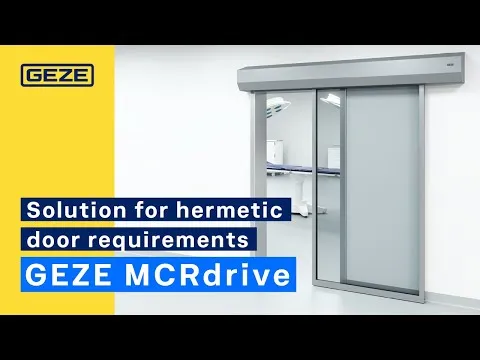
Core Functions & Key Benefits of Hermetic Cleanroom Doors
The best feature of a hermetic door is the continuous hermetic seal. Standard doors employ gravity closers and brushed seals that leave gaps at the head, jambs, and sill.
Pressure stability prevents adjacent rooms from mixing. Maintaining an air pressure difference of 5 to 50 Pa between two rooms stops particles from moving from one space to the other.
Primary Sealing & Pressure Integrity Performance
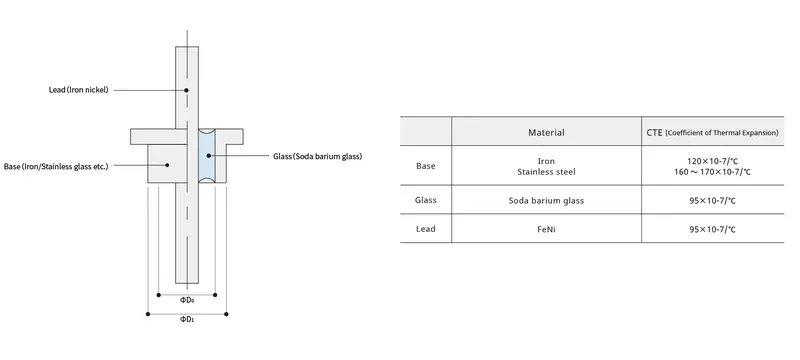
The hermetic door design ensures that an EPDM weather seal is compressed around the perimeter of the surface. Deiiang hermetic doors use EPDM gaskets on three sides plus an automatic drop-down sweep at the bottom.
The criteria for EN 1822 testing show the threshold limit for leakage [1]. The test is conducted at the calculated pressure. As per the specifications for a 50 Pa rating, there should be no measurable leakage on the hermetic door.
At a rating of 100 Pa, no leakage shall occur. At 1,000 Pa, the hermetic door can withstand a burst condition without structural failure. Having a 20× margin is very important for pharmaceutical airlocks, where pressure increases during cleaning cycles and HVAC transitions.
Contamination Control & Airflow Preservation Benefits
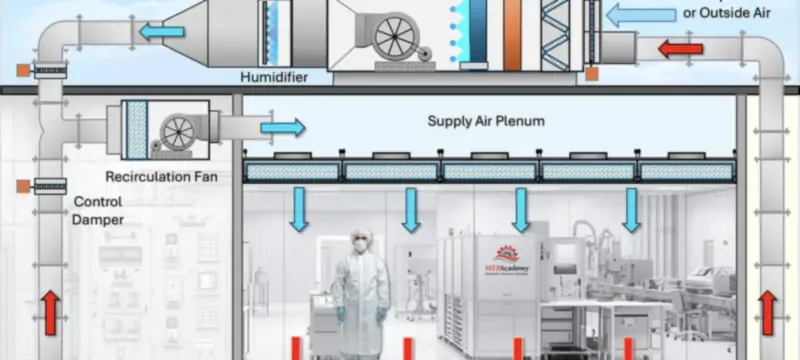
Preventing particles from entering is the most important contamination-control function. For a standard door with 3 mm perimeter gaps, millions of particles can pass through under a constant pressure gradient of 20 Pa. A hermetic door ensures zero ingress of particles.
The iso 14644 class is only possible with unidirectional airflow [4]. Any leakage in the door will cause turbulence in the airstream, carrying particles from the contaminated area to the clean area. Hermetic sealing ensures that the pressure cascade is maintained.
In an iso 5 room, the hermetic door prevents leakage of more than 3,520 particles of 0.5 µm or above. The benefits of hermetic doors in cleanrooms involve not only the doorway itself but also the entire HVAC system.
Industry-Specific Hermetic Door Uses & Applications
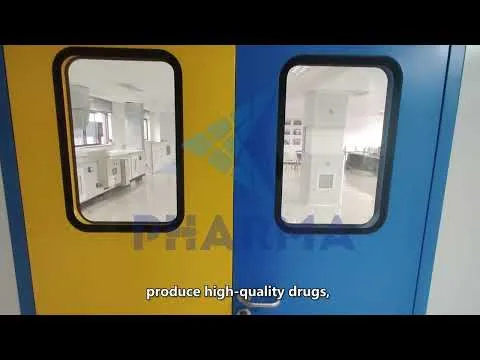
Hermetic door uses differ from industry to industry, while the principle remains the same: sealing the boundary and maintaining pressure. In the pharmaceutical sector, sterility is required.
The semiconductor industry needs particle-free air and vibration protection. In healthcare, there is a need for infection isolation.
Each sector applies the same product differently. A pharma airlock needs interlock logic and USP 797 compliance [7]. A wafer fab needs ESD compatibility and minimal vibration. A hospital theatre needs hands-free operation and acoustic control.
Pharmaceutical & Biotech Cleanroom Deployments

In sterile compounding areas, the highest level of sealing is required. Pressure gradients are confirmed through requirements that guide the pressure cascade and the locking performance of airlocks in hazardous and non-hazardous compounding [7].
The hermetic door is used at every boundary of the cleanroom and airlocks to ensure pressure gradients are achieved. The two-leaf system used in airlock systems prevents air exchange by allowing only one door to open at a time, with interlock logic in automatic doors.
Hermetic doors are also useful as transfer points for materials because of their reliable sealing characteristics. A hermetic door measuring 900 mm × 2100 mm can be used for transfer in place of a pass box where pass boxes are impractical. Catalogue data lists a 1.2 mm galvanised steel frame and a 0.8 mm leaf.
Semiconductor & Electronics Manufacturing Applications

In wafer fabrication bays, only ISO Class 1–3 environments allow wafer fabrication. That is also where where to use hermetic door decisions start to differ between facilities. That is also where benefits of hermetic doors decisions start to differ between facilities. ISO Class 1 allows a maximum of 10 particles ≥0.1 µm per m³. Even a small door leak could ruin that specification within seconds of opening the door.
The entrance of dry rooms requires not only moisture control but also particle control. Hermetic doors minimize vapor transfer through the doors. Deiiang hermetic doors with EPDM gaskets and powder-coated finishes are compliant with low-outgassing requirements.
Vibration-free operation makes for safer use of lithography equipment. Heavyweight hermetic doors with concealed hardware create no vibration through the floor. Grounded stainless-steel hardware like 304-grade stainless locks and hinges provides ESD compatibility.
Regulatory Compliance & International Standard Alignment
In controlled environments, compliance is a must. ISO 14644 defines the classification and testing of various filter levels [4][5]. Leakage criteria are defined in EN 1822 [1]. Performance of filters used with hermetic doors is defined in IEST RP-CC001 [2]. MERV ratings can be found in ASHRAE 52.2 [3].
The hermetic door is the intersection point of each of these standards. Its leakage performance greatly influences iso 14644-4 compliance [6]. Gasket integrity must be maintained to influence filter efficiency. The following table maps these standards to the specifications the door should fulfill.
Table 1: Regulatory standards versus hermetically sealed door specifications
| Standard | Overview | Special conditions relating to doors |
|---|---|---|
| ISO 14644-1 | Classification of particles | ≤3,520 particles/m³ for ISO 5 |
| ISO 14644-4 | Design and construction | Minimum pressure differential of 5–20 Pa |
| EN 1822 | Leakage testing | ≤0.1 m³/h at 50 Pa |
| IEST RP-CC001 | HEPA/ULPA filter testing | Filter integrity ensures the door seal is secure |
| ASHRAE 52.2 | MERV rating | Pre-filter efficiency lowers the load on the door |
| Standard | Overview | Door conditions |
|---|---|---|
| ISO 14644-1 | Particle classification | ≤3,520 particles/m³ for ISO 5 |
| ISO 14644-4 | Design & construction | 5–20 Pa minimum differential |
| EN 1822 | Leakage testing | ≤0.1 m³/h at 50 Pa |
| IEST RP-CC001 | HEPA/ULPA testing | Filter integrity secures the door seal |
| ASHRAE 52.2 | MERV rating | Pre-filter efficiency lowers door load |
ISO 14644 & EN 1822 Compliance Criteria
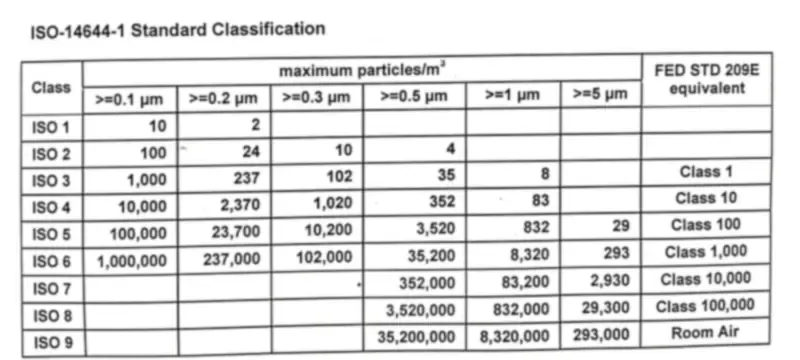
Air leakage limits generally come first. ISO 14644-4 allows a pressure differential of 5–20 Pa between adjacent classifications [6]. So long as this differential is maintained, the hermetic door exhibits little leakage. EN 1822 provides the leakage standard [1].
The second criterion is the target for particle penetration. ISO 5 allows 3,520 particles ≥0.5 µm per m³. Any door leakage that introduces unfiltered air risks exceeding that limit during operation.
Classification testing must be documented. iso 14644-3 defines airflow measurement, filter leak testing, and recovery testing [5]. Door seal integrity is verified as part of the pressure-decay test, with pressure, decay time, and pass/fail criteria recorded. Documentation sign-off follows.
IEST & ASHRAE Cleanroom Door Performance Benchmarks
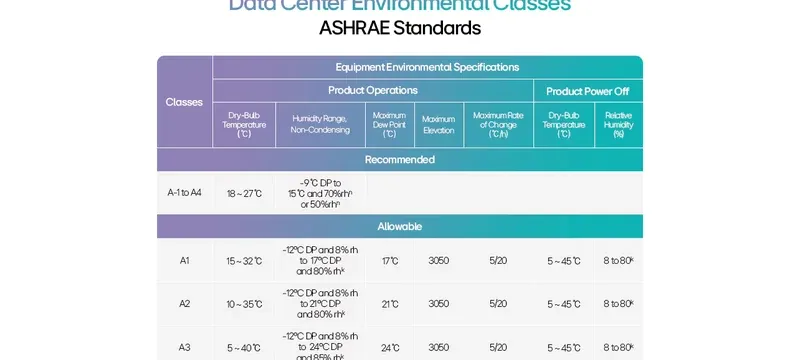
The pressure decay test determines the rate of pressure loss in a sealed room after HVAC is turned off. A hermetic door experiences a slower rate of decay; a standard door allows air loss from gaps around the perimeter.
High MERV filters result in less load being placed on the door seal, since they reduce the amount of differential pressure applied to the door compared with lower MERV filters. ASHRAE 52.2 defines the MERV range from 1 to 16 [3].
IEST guidelines for cycle durability [2] indicate that even when a door seals well, deterioration may begin after 10,000 cycles. Deiiang catalogue data shows free-swing impact doors have a hinge life of over 500,000 cycles.
Deiiang Hermetic Door Product Range & Technical Specifications
Deiiang produces a variety of cleanroom doors fitted with hermetic seals. Available sizes range from 900 mm × 2100 mm to 1500 mm × 2100 mm. Materials include powder-coated galvanised steel and 304 stainless steel for corrosion resistance.
The reference hermetic swing door model is the HD-400. Catalogue data lists a SUS304 frame, EPDM gaskets, and an automatic drop-down bottom seal. The table below summarises the specifications for this product.
Table 2: Specifications of Deiiang hermetic doors
| Item | Data |
|---|---|
| Size | 900 × 2100 mm; 1200 × 2100 mm; 1500 × 2100 mm |
| Frame material | SUS304 or galvanised metal |
| Frame thickness | 1.2 mm |
| Leaf thickness | 50 mm (0.8 mm skin) |
| Gasket type | EPDM on three sides |
| Bottom seal | Automatic drop-down |
| Leakage at 50 Pa | Less than 0.1 m³/h |
| Burst rating | 1,000 Pa |
| Item | Data |
|---|---|
| Size | 900×2100 / 1200×2100 / 1500×2100 mm |
| Frame material | SUS304 or galvanised |
| Frame thickness | 1.2 mm |
| Leaf thickness | 50 mm (0.8 mm skin) |
| Gasket type | EPDM, three sides |
| Bottom seal | Automatic drop-down |
| Leakage at 50 Pa | <0.1 m³/h |
| Burst rating | 1,000 Pa |
Standard Model Sizes & Material Configurations
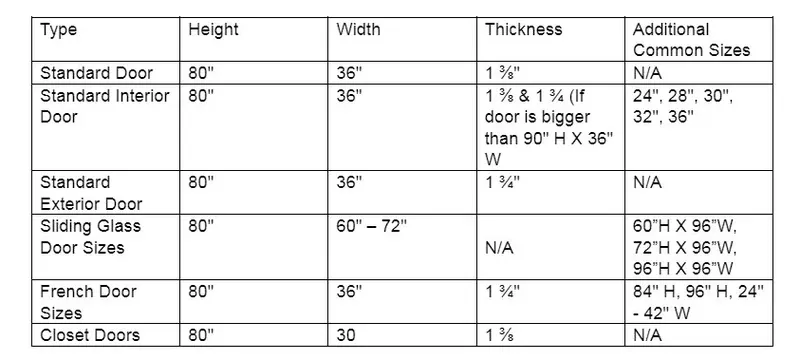
The 900 × 2100 mm size is the standard single-leaf cleanroom door. It is designed to fit manual sandwich panel walls 50–100 mm thick. The frame connects to the wall using aluminium centre-T profiles, with a flush finish on both sides.
SUS304 frames resist corrosion in washdown environments, and EPDM gaskets are resilient to ageing and compression set. Powder-coating colours include RAL 9016 Outdoor White and RAL 5005 Signal Blue.
Vision panels use double-glazed tempered glass with a 20 mm silk-screened border. The standard panel size is 400 × 600 mm. The glass surface is flush with the door surface to eliminate ledges that collect particles.
Airflow & Pressure Drop Performance Data
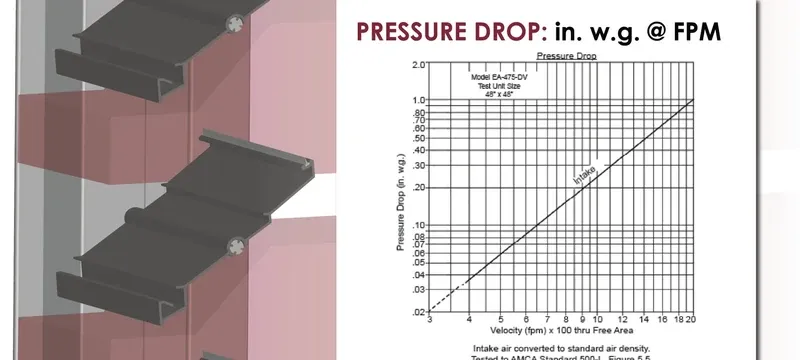
The benchmark leakage of less than 0.1 m³/h at 50 Pa is the main figure from the catalogue. A standard cleanroom door leaks 5–20 m³/h at the same pressure, a 50–200× variation that converts into HVAC energy savings.
The 1,000 Pa burst rating gives a large safety margin. Typical pressure inside a cleanroom ranges from 5 to 50 Pa, so the door operates at 5–20% of burst capacity. That headroom covers cleaning spikes and HVAC transitions.
Airflow stability data indicates the seal works properly from 10 Pa to 100 Pa. Leakage must not exceed 0.2 m³/h at 100 Pa. Under pressures higher than 100 Pa, gasket compression increases and the leakage curve remains flat.
Installation Best Practices & Cleanroom Site Requirements
Installation plays a key role in obtaining the required characteristics of a hermetic door. Buyers weighing where to use hermetic door options meet this trade-off early. Even a properly sealed door installed into an out-of-square opening will leak. A properly framed and sized opening enables uniform compression of the gasket.
Retrofit compatibility is a common requirement. Deiiang doors comply with sandwich panel and masonry wall applications. Aluminium framing bridges the difference between walls and door frames, and sealing tests follow installation.
Structural Opening & Framing Preparation Steps
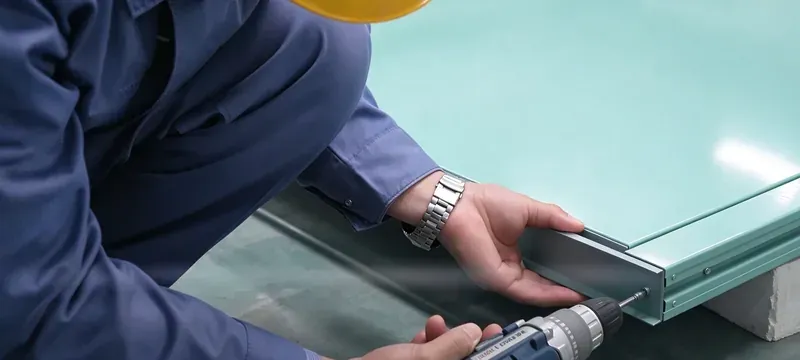
The first preparation step is dimension verification. Measure the opening height and width and both diagonals. The diagonal difference must not exceed 3 mm; a twisted opening prevents the gasket from seating evenly and creates a permanent leak path.
Aluminium extrusion framing ensures a smooth installation surface. It is compatible with modular panelling via the T-shaped profile and machine-manufactured panelling via the clamp-on profile. For masonry walls, a sub-frame fastens to the wall with a level face.
Sealing the joints with silicone prevents air leaks. Apply a continuous bead of low-outgassing silicone sealant on both sides of the frame. Check alignment with a spirit level on the head, jambs, and base of the frame.
Seal Integrity Verification On Project Completion
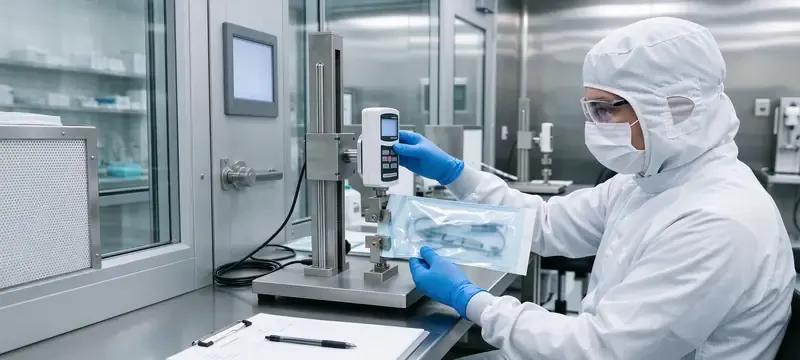
The most commonly used on-site confirmation technique is smoke testing. A smoke pencil travels around the closed door at a 10–50 Pa differential. If smoke enters, the sealing process has failed.
Pressure decay verification provides a quantitative check. Seal the room, pressurise to 50 Pa, and record the time for pressure to fall from 50 Pa to 25 Pa. The hermetic seal must give a measurement consistent with the room volume.
Documentation of the sealing process includes the following:
This serves as proof of qualification per ISO 14644-3 [5].
Operational Advantages of Hermetic Doors in Active Cleanrooms
Once installed, hermetic doors deliver daily operational benefits. Energy savings are the most visible. A 15–25% reduction in annual energy cost is possible in a 500 m² iso 7 cleanroom if total leakage rates fall by 20%.
The comparison below illustrates the operational differences between standard and hermetic doors in active service.
Table 3: Operational performance comparison — hermetic vs standard cleanroom door
| Parameter | Standard door | Hermetic door |
|---|---|---|
| Leakage at 50 Pa | 5–20 m³/h | <0.1 m³/h |
| HVAC energy impact | Baseline | 15–25% lower |
| Pressure stability | ±5 Pa fluctuation | ±1 Pa fluctuation |
| Contamination risk | Moderate | Minimal |
| Maintenance interval | 6 months | 12 months |
| Parameter | Standard | Hermetic |
|---|---|---|
| Leakage at 50 Pa | 5–20 m³/h | <0.1 m³/h |
| HVAC energy | Baseline | 15–25% lower |
| Pressure stability | ±5 Pa | ±1 Pa |
| Contamination risk | Moderate | Minimal |
| Maintenance interval | 6 months | 12 months |
Energy Efficiency & HVAC Load Reduction
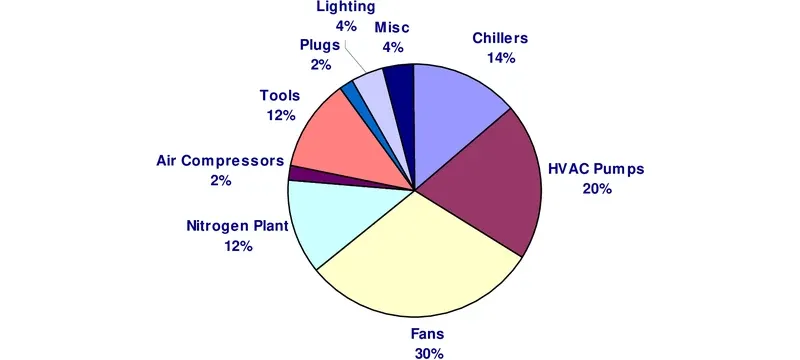
Every cubic metre of air that escapes through a door must be replaced and heated or cooled. At 20 m³/h per door, a 12-door cleanroom loses 240 m³/h of air continuously through standard doors.
The arithmetic is simple: 240 m³/h × 8,760 hours = 2.1 million m³ of air lost per year. Fan energy, heating, cooling, and filtration are needed to make up that volume. A hermetic door can cut that loss by over 95%.
Typical payback for this type of investment is 18–36 months, depending on local energy tariffs and the number of doors being replaced.
Personnel & Material Flow Optimization
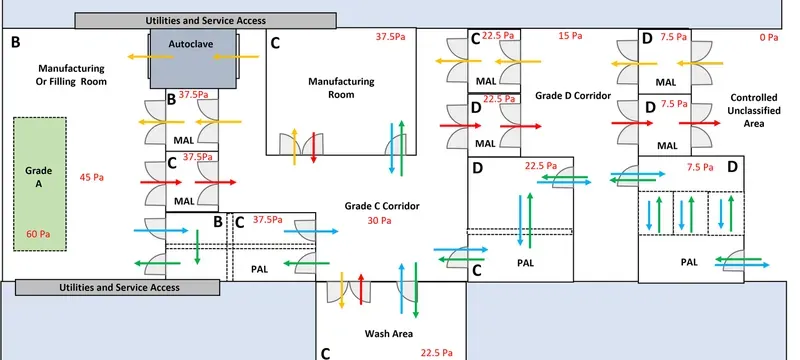
Airlock systems allow personnel and equipment flow through two separate entrances while maintaining the cleanroom environment. Closing and sealing Door A automatically unlocks Door B, preserving pressure integrity during continuous personnel movement.
Interlock systems keep traffic moving. A cycle varies from 6 to 10 seconds, and the interlock handles heavy traffic averaging 200–500 cycles per day.
Cross-contamination prevention requires a mechanical interlock performing the automatic function. Deiiang automatic sliding doors support the interlock method with adjustable time delay and anti-pinch sensors. The auto-close feature ensures the door never remains unsealed.
Maintenance, Lifespan & Service Lifecycle Management
How long does hermetic door last in service? In a class 100 cleanroom with 200–500 daily cycles, expected service life is about 10–15 years. Replacing the gasket after five years extends that life. Hardware service at year ten covers hinges, locks, and drop-down seals.
Routine inspections keep everything working properly. Inspections are quarterly and results are recorded. The schedule for inspections is below.
Table 4: Hermetic Door Inspection Schedule
| Interval | Task | Criteria |
|---|---|---|
| Quarterly | Gasket inspection | No visible cracks, compression ≥2 mm |
| Quarterly | Hinge lubrication | Free movement, no noise |
| Yearly | Leakage test | <0.2 m³/h at 50 Pa |
| 5 years | Gasket replacement | All gaskets replaced |
| 10 years | Hardware service | Hinges, locks, drop-down seal |
| Interval | Task | Criteria |
|---|---|---|
| Quarterly | Gasket inspection | No cracks, ≥2 mm compression |
| Quarterly | Hinge lubrication | Free movement |
| Yearly | Leakage test | <0.2 m³/h at 50 Pa |
| 5 years | Gasket replacement | All gaskets replaced |
| 10 years | Hardware service | Hinges, locks, seal |
Routine Inspection & Seal Replacement Schedule
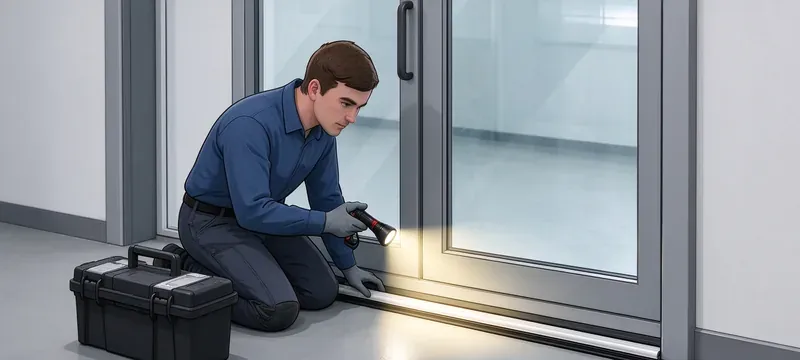
Routine inspections are visual and functional. Look for cracks, compression set, or debris adhesion in the gasket. To test the drop-down seal, place a piece of paper in the path of the door when closing. The paper should resist movement, confirming proper compression.
A core scheduled maintenance item is gasket replacement after five years. EPDM gaskets break down over time from cleaning solvents and sunlight. Replacing the gasket restores leakage performance, and catalogue EPDM gaskets are available as spare parts.
Hardware service after ten years includes inspection of hinges, locks, and the drop-down mechanism. Engineers comparing where to use hermetic door specifications see the same pattern here. Stainless-steel hinges can be removed for inspection. The drop-down mechanism requires adjustment or replacement after approximately 500,000 cycles.
Common Failure Modes & Field Troubleshooting Guide
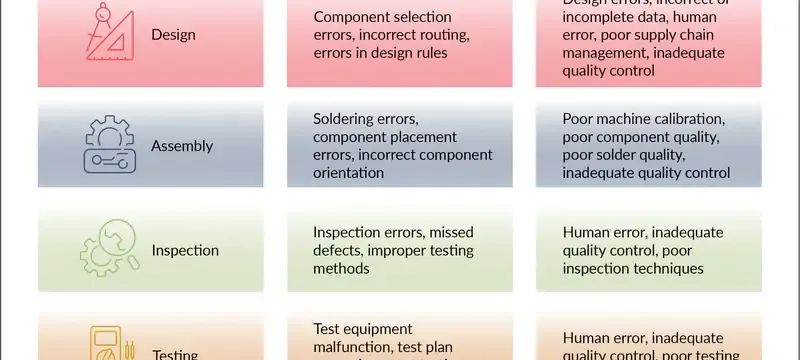
Gasket failure occurs most often due to deterioration. Symptoms include increasing leakage, visible cracks, and month-to-month pressure decay decreases. The gasket must be replaced to restore performance to catalogue specification.
Interlock faults occur when the control system fails to sequence doors correctly. Check sensor alignment and control-board fault codes. Deiiang sliding doors use microcomputer-based control with anti-pinch diagnostics for rapid field diagnosis.
Alignment issues present as uneven gasket compression or a door that will not close flush. Check hinge adjustment and frame level. A 1 mm hinge misalignment opens an avenue for leakage of approximately 0.5 m³/h.
Selection Guide & Total Cost of Ownership Planning
Selection of a hermetic door is based on matching the cleanroom classification with the model used for the cleanroom. An ISO 5 pharmaceutical cleanroom needs a completely different door from an iso 8 warehouse.
Total cost of ownership involves capital, maintenance, energy, and replacement costs. A hermetic door costs more than a standard door initially. Over 15 years, energy savings and lower maintenance costs offset the initial premium.
Application-Based Hermetic Door Type Selection Matrix
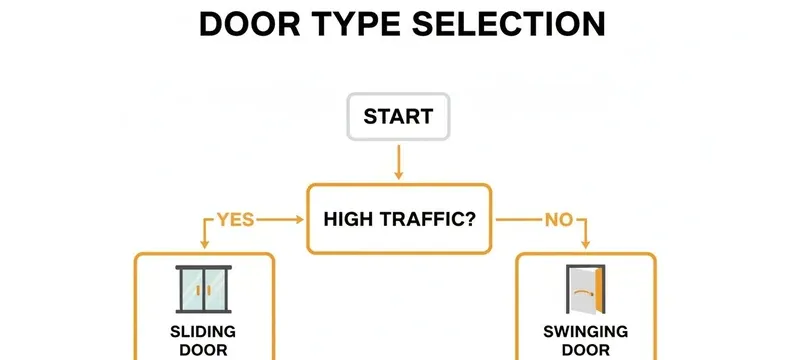
Cleanroom classification drives the specification. ISO 5 and ISO 6 require the most stringent sealing and the lowest allowable leakage. ISO 7 and ISO 8 can accept regular hermetic door types with greater leakage limits.
Traffic volume indicates the type of door to select. Swing doors suit low traffic up to about 100 cycles per day. Sliding doors suit medium and high traffic of 200–500 cycles per day. High-speed roll-up doors suit very high traffic above 500 cycles per day.
The pressure rating must match the maximum differential. Most cleanroom applications have a 50 Pa rating. For airlocks where the differential pressure is 100 Pa, a higher-rated door must be specified.
Total Cost of Ownership Over Full Service Life

Hermetic doors cost about $1,500–$4,000 depending on size and materials. Installation adds 15–25% for the device. Standard cleanroom doors fall into a lower range of about $800–$2,000.
Annually, maintenance costs average $150–$300, covering quarterly inspection and gasket replacement every five to ten years after installation.
One reason for the total cost of ownership benefit is the money saved on energy costs. A twelve-door building saves $8,000–$15,000 on heating and cooling per year. Over fifteen years, replacement costs of $120,000 to $225,000 offset the maintenance costs. The benefits of hermetic doors therefore compound over the full service lifecycle.
Frequently Asked Questions
These questions cover the topics specifiers ask most often about hermetic doors, from lifespan and benefits to retrofits and pressure ratings.
How long does a hermetic door last in a class 100 cleanroom?
The life expectancy of a hermetic door in a Class 100 cleanroom is usually ten to fifteen years. Replacing gaskets at five and ten years prolongs this duration closer to fifteen years. Door utilization matters, since doors going through 500 cycles age faster than doors used 100 times daily.
What are the core benefits of hermetic doors in iso 5 cleanrooms?
The benefits of hermetic doors in ISO 5 cleanroom facilities include virtually zero particle ingress at the perimeter, consistent pressure differentials, and proven compliance with ISO 14644-1. Unlike standard doors, a hermetic door prevents leakage rates of 5–20 m³/h, protecting the 3,520 particles/m³ limit.
Where can you install hermetic doors in a multi-zone cleanroom facility?
Where to use hermetic door systems in multi-zone facilities: airlock entrances, classified zone boundaries, material pass-throughs, and gowning room exits. Each of these areas needs a sealed boundary to maintain pressure cascades. Deiiang models fit both 50–100 mm sandwich panels and masonry walls.
Do hermetic doors require special maintenance to retain sealing performance?
Yes. Systematic quarterly checks of gasket compression and hinge alignment are necessary. Replacement of gaskets every fifth year restores the original sealing performance of the door. Cleaning schedules should use chemicals compatible with EPDM to avoid gasket degradation.
Can hermetic doors be retrofitted into existing cleanroom wall systems?
Retrofit of hermetic doors can occur in both modular sandwich panel walls and masonry walls. Custom aluminium frames bridge the gap between the door frame and the existing wall. Hermetic doors require about four to eight hours for retrofit installation with minimal downtime, followed by seal verification.
What maximum pressure differential can a standard hermetic door withstand?
The standard hermetic door has a maximum operating rating of 50 Pa. The burst resistance of the hermetic door is 1,000 Pa, which is 20 times the operating pressure. This provides ample margin for cleaning interruptions and HVAC surges, and EN 1822 test criteria confirm performance at rated pressure [1].
References
- [1] EN 1822-4, High efficiency air filters (EPA, HEPA, and ULPA) — Determination of filter element leakage.
- [2] IEST RP-CC001, HEPA and ULPA filters.
- [3] ASHRAE 52.2-2017, Method of testing general ventilation air-cleaning devices for removal efficiency by particle size.
- [4] ISO 14644-1, Cleanrooms and associated controlled environments — Classification of air cleanliness by particle concentration.
- [5] ISO 14644-3, Test methods for cleanrooms and associated controlled environments.
- [6] ISO 14644-4, Design, construction, and start-up of cleanrooms.
- [7] USP 797, Pharmaceutical compounding — Sterile preparations.