+86 13638632902
 Jason@cleanroomequips.com


 MENU
MENU
There's a simpler rule we can follow; however, ISO 7 or higher doesn't mean you must use an airlock. A single-door hatch can be used for a sealed validated transfer, given there is a stable pressure cascade with a proper risk assessment.
Should personnel break that boundary, if containment is required, or if the specifications say to use an airlock, then use an airlock. In all other cases, let the documentation dictate pass through door vs airlock.
This article will describe the design principles for eACH option, review the pressures, particles, standards, and costs, and provide a framework for selecting among them. That framework also settles the pass through vs airlock door question, including Deiiang™ product matching.
Core Design and Operating Fundamentals
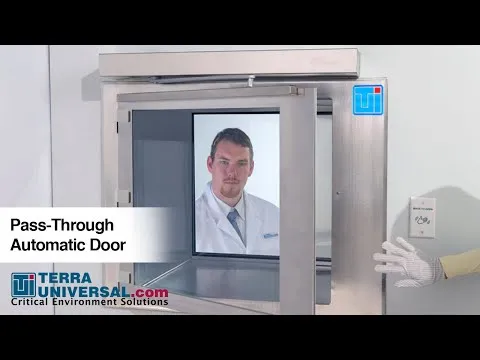
In all cases in which a decision is to be made between the use of a pass through door or an airlock — the core cleanroom pass through vs airlock question — the terminology must be established first. The term "pass through door" applies to two different products which often get confused in specifications.
A single door transfer hatch uses one leaf in one wall opening, while the dual door interlocking pass box has two leaves, the first being located on one side and the second on the opposite side. This creates an interlock that prevents the opening of both doors at the same time.
Neither of these products is automatically an airlock. An airlock is a chamber with a controlled pressure stage between two doors plus pressure monitoring and enforced door sequencing; without such a chamber, a pass box is not an airlock.
Pass-Through Door Construction and Basic Function
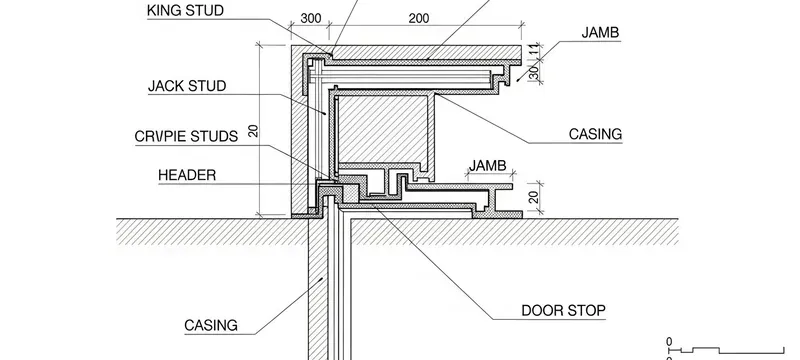
The pass-through door is an opening that provides a single barrier transfer. The dual-leaf interlocked pass-through box has two leaves, however there is not a pressurised chamber provided.
The diagram above labels the frame, leaf, perimeter sealing strip, and interlock striker so installers can identify each wear point during commissioning.
Study the information from various catalogues concerning PT-series pass-through doors where the pass-through door must be built from either stainless steel or galvanised steel that has been spray coated for hygienic reasons. This construction is typical for any pass through vs airlock door specification.
One inconsistency that appears in the catalogue is the measure for model PT-3030. This model has been described in one source of literature as being 300 mm by 300 mm whereas on the catalogue the measurement begins at 400 mm.
Therefore, in the following discussion, this PT-3030 model will not be treated as a standard model and will instead be described as a non-standard or legacy designation.
Confirm that this model PT-3030 has been properly identified on the latest datasheet before placing an order. Do not request a hatch size from any secondary document.
Airlock Chamber System Full Operating Sequence
The airlock is a chamber used to provide a consistent schedule of pressure. The outer door opens onto the lower-pressure side while the inner door will open onto the clean room side.
The diagram above traces the four-step cycle from the outer door opening through to the inner door release and pressure re-stabilisation.
The sequencing will be accomplished by electronically controlling the sequence rather than through the user/operator's discipline. That enforced sequence is the core cleanroom pass through vs airlock difference.
The operating cycle consists of 4 methods as follows. The outer door opens allowing the user or goods to enter. After that, the outer door locks so that the chamber is brought to pressure stabilization.
After stabilization, the inner door unlocks in accordance with the specified dwell period. Finally, the inner door is opened completing the transfer.
In iso 14644-3:2019, there are provided the test procedures for differential pressure measurement and recovery time [2]. However, it does not define an airlock; it tells how to test one.
Airflow and Pressure Performance Comparison
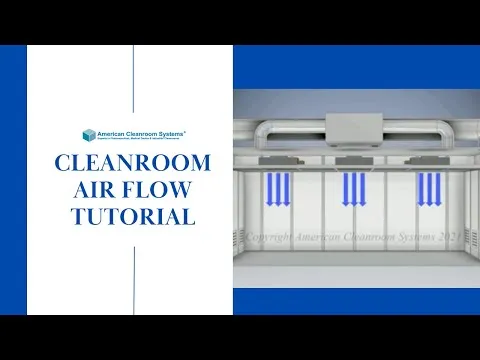
The differentiating pressure between a pass through door and an airlock becomes measurable only when testing conditions are described. Any pass through vs airlock door comparison depends on those conditions.
A pass through door does not necessarily provide a 10 Pa differential pressure and an airlock does not necessarily provide a 50 Pa differential pressure.
Differential pressure refers to the difference in pressure between two neighboring zones measured in Pascals. The hold time indicates for how long the differential pressure remains during the opening of the door.
Efficacy is designated either for the quantity of particles eliminated or for the ability to retain a specific challenge agent.
The figures in Table 1 are only for illustrative purposes and serve only for planning unless the design data of a specific door model is available. Airflow values are estimated and not measured unless the notation "measured" is put beside the value.
Table 1: Performance ranges according to stated conditions
| Parameter | Single-Door Pass-Through | Dual-Door Interlocked Pass Box | Airlock (Personnel or Material) |
|---|---|---|---|
| Pressure differential (illustrative) | 5–15 Pa across one leaf; reference points, duration, and door state must be stated | 10–30 Pa; depends on both seals | 30–50 Pa chamber setpoint; project-specific |
| Airflow basis | Leakage estimate 0–50 m³/h; not measured unless tested | Leakage estimate 20–80 m³/h | Supply or exhaust 150–500 m³/h, measured at duct |
| Leakage criterion | Project-specified | Project-specified | Project-specified, often stated at 50 Pa |
| Contamination control | Single barrier | Dual barrier, no staging | Dual barrier with pressure staging |
| Typical ISO fit (illustrative) | iso 8–9 | ISO 7–9 | iso 5–7 |
| Parameter | Pass-Through | Airlock |
|---|---|---|
| Pressure differential (illustrative) | 5–15 Pa across one leaf | 30–50 Pa chamber setpoint |
| Airflow basis | Leakage estimate 0–50 m³/h | Supply or exhaust 150–500 m³/h |
| Leakage criterion | Project-specified | Project-specified, often at 50 Pa |
| Contamination control | Single barrier | Dual barrier with pressure staging |
| Typical ISO fit (illustrative) | ISO 8–9 | ISO 5–7 |
Note: ISO fit is not a regulatory requirement, but rather a design parameter [1]. Each figure is unique to the project concerned and requires verification by strict test.
Static Pressure Retention Capabilities
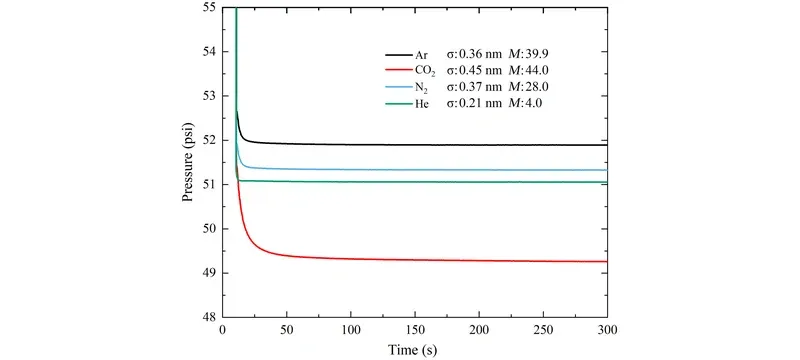
Pressure decay is affected by size of the chamber, the area of leakage, and what HVAC system is used. In any pass through vs airlock door comparison, chamber volume must be reported alongside the result. A 1 m³ chamber and a 10 m³ chamber decay at different rates for the same leak area.
The chart above compares hold times at three setpoints and explains that chamber volume must be given to accompany any decay figure obtained.
Pressure decay tests for PT-series Deiiang reveal that leakage at 10 Pa under defined conditions would be 0.5 m³/h or less. All details of the tests must be provided – test set up, test sample size and date. Project information is not a guarantee.
The EN 1822-1:2019 standard classifies high-efficiency air filters. This method does not test leaks in the door seal so it cannot be referenced for leakage in the door [3]. Instead, reference the door test method values.
An example of how this could be exemplified: if a 2 m³ chamber at 50 Pa drops to 25 Pa in 40 seconds with HVAC off, the effective leakage area would be approximately 0.0002 m² using the orifice equation. Use a measured decay test to verify this.
Particle Containment Performance Across Classifications
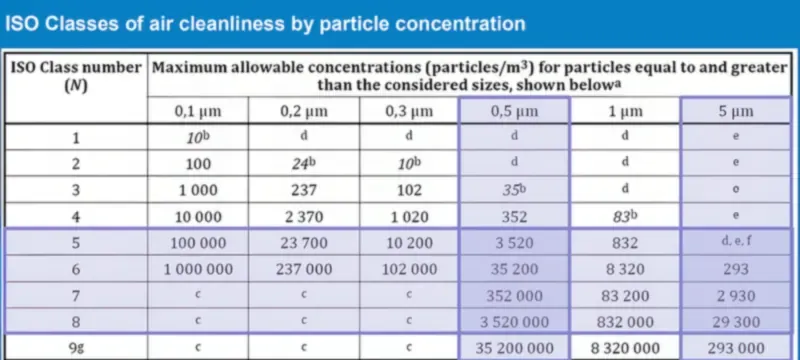
In order to make claims about particle reduction, there must be a protocol that has been documented. Every cleanroom pass through vs airlock assessment depends on such a protocol.
If the location of the particle counter, challenge method, sampling size, or operational cycle is unknown, then one-log and three-log reductions are not valid statements.
The chart above shows how the counts are reduced depending on what type of door is being used. It also displays how the gap between single barrier designs and staged designs becomes wider as standards tighten.
iso 14644-1:2015 is responsible for classifying airborne particle concentration levels. This does not dictate the type of door being used however [1].
ISO class is one of the variables used in the design process as well as pressure cascade, method of transfer, and level of risk for that process.
IEST-RP-CC001 governs filter testing practices not performance benchmarks for doors [4]. The latter will be necessary when determining door containment claims.
Application Suitability by Cleanroom Type
Choosing between a cleanroom pass through vs airlock is the result of risk assessment, not determining which cleanroom class to refer to. Although the cleanliness level and industry play a role in setting the limit, transfer type and containment level will ultimately determine what solution is employed.
The recommendations made in Table 2 should be seen as examples rather than actual requirements that must be adhered to. Be sure to verify the suitable version used in any regulation for your specific application.
Table 2: Example of applications for pass-through doors and dual-door pass boxes
| Facility Industry | Cleanliness Class | Transfer Type | Contamination or Containment Risk | Recommended Solution (Typical Example) | Key Qualification Needed |
|---|---|---|---|---|---|
| Electronics assembly | ISO 8 | Small parts, manual | Low | Dual-door interlocked pass box | Leakage test, interlock verification |
| Food processing | ISO 8–9 | Packaged goods | Low | Single-door pass-through | Hygiene and washdown rating |
| Pharmaceutical fill-finish | ISO 5–7 | Personnel and components | High | Personnel airlock plus material airlock | Annex 1 scope check, cascade validation |
| Hospital compounding | ISO 5–7 | Hazardous drugs | High | Material airlock with exhaust | USP 797 chapter scope, exhaust design |
| Laboratory sample handling | ISO 7–8 | Sealed samples | Medium | Pass-through or airlock per risk assessment | Local rules, biosafety level |
| High-containment research | ISO 5–7 | Biological agents | Very high | Airlock plus pressure containment and exhaust | National containment regulations |
| Facility Industry | Cleanliness Class | Recommended Solution (Typical Example) |
|---|---|---|
| Electronics assembly | ISO 8 | Dual-door interlocked pass box |
| Food processing | ISO 8–9 | Single-door pass-through |
| Pharmaceutical fill-finish | ISO 5–7 | Personnel airlock plus material airlock |
| Hospital compounding | ISO 5–7 | Material airlock with exhaust |
| Laboratory sample handling | ISO 7–8 | Pass-through or airlock per risk assessment |
| High-containment research | ISO 5–7 | Airlock plus pressure containment and exhaust |
Ideal Use Cases for Cleanroom Pass-Through Doors
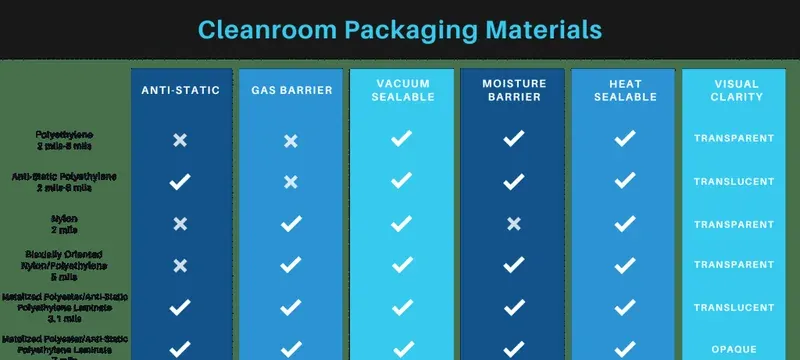
A pass-through door can safely be used for low-to-medium risk transfers of small and sealed items. In a pass through vs airlock door review, this is the case where the simpler option usually wins.
For low risk transfers of personnel and non-hazardous items it requires only a pass-through panel separated from the receiving zone by pressure difference.
The matrix above maps use cases against ISO classes and marks the boundary where a chamber-based design usually becomes the safer choice.
Illustrative example: a 400 mm hatch transferring a sealed set of vials through an ISO 8 corridor (15 cycles per hour). The risk assessment is likely to support use of pass-through exits.
According to the Deiiang catalogue data, the standard sizes provided are between 400 mm and 1200 mm and a wall thickness between 50 mm and 100 mm. The process of using single-trade installation reduces the downtime during the renovation.
Mandatory Airlock Deployment Scenarios
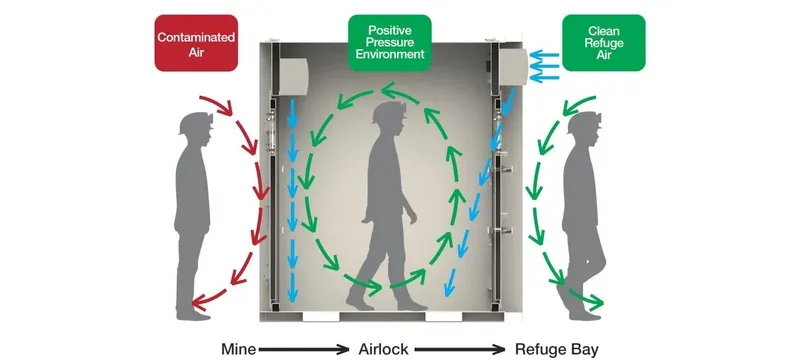
Airlocks should be implemented for a project if it is stated in all documents for the project's specifications, risk assessment, or applicable regulations. ISO class alone does not settle a pass through door vs airlock decision. Use of ISO class is not enough to make implementation mandatory.
The diagram above takes the reader through ISO class to type of transfer, to level of containment so that they can make a conditional recommendation on whether to install an airlock.
The wording of this conditional language is important. EU GMP Annex 1 deals with the manufacture of sterile products, and is used only where this scope applies [5].
Furthermore, USP 797 is applicable to sterile compounding [10] but again, does not act like the blanket statement for airlocks.
The containment of hazardous materials may involve pressure containment, gas-tight construction, and exhaust filtration apart from just an airlock. It is essential to ascertain the particular section in question and the conditions before utilizing regulations as the basis for adherence.
Regulatory and Standard Compliance Alignment
Standards regarding the various aspects of this area fall into different groups – knowing the particular section and edition mentions what it entails in respect to cleanroom classification, cleanroom test methods, filter classification, filter testing, and sector-specific GMP regulations.
To mix and match them will weaken an audit report.
Specify the particular section and edition, describe what it entails, while being sure not to imply the certification of a filter standard will somehow validate a door or airlock. For any cleanroom pass through vs airlock project, this discipline is what keeps the audit file defensible.
Pass-Through Door Compliance Benchmarks
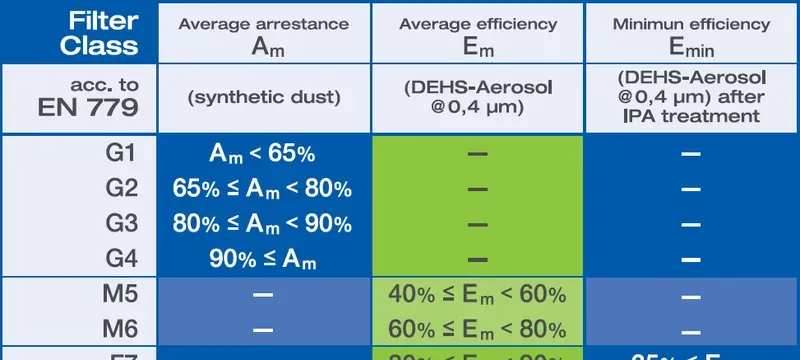
Compliance with pass-through door requirements is mainly contractual in nature and governed by that contracting body for the project; there is no one single product standard that validates a pass-through door.
The comparison above differentiates filter-related standards from door-related standards, ensuring that each standard referenced is associated with the appropriate requirement.
EN 779:2012 has been superseded by EN ISO 16890 and is therefore obsolete in this regard [7]. ISO 29463 and EN 1822 deal exclusively with filter application and not with door applications [6][3]. ASHRAE 52.2 remains as a means of testing filters [8].
In instances where a HEPA module is optional in a pass-through assembly, such standards will be defined separately by the standards governing that section of the work.
Airlock System Mandatory Certification Standards
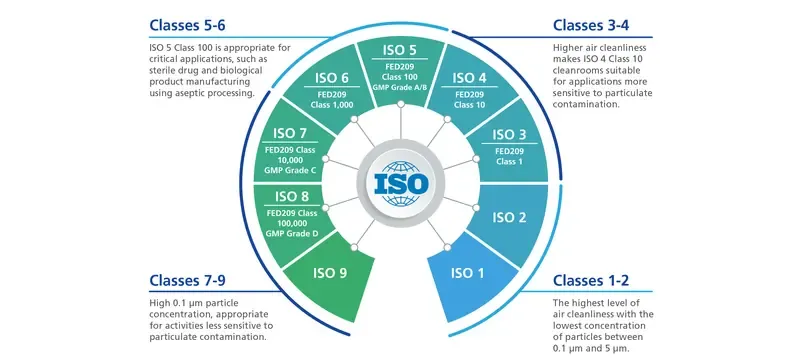
There is no general standard being used for certification of an airlock system. iso 14644-3:2019 provides testing standards for pressure differential and recovery times. There is no provision for annual certification in the standard.
The chart above delineates the standards and their hierarchy from ISO 14644 to EU GMP Annex 1.
MIL-STD-282 stands to provide performance testing of filter units, not certifications [9]. Annual recertification is an obligation when identified by means of a site, contract or jurisdiction.
Installation and Footprint Requirements
Specific requirements regarding the footprint and construction of facilities hinge upon door swing, user types, carts, accessibility, and services. The dimensions below have been provided for the various preliminary assumptions made for the configurations listed.
It is imperative to verify structural and HVAC needs during site surveys. In any pass through door vs airlock budget, the disparity in cost between pass-through doors and airlock doors can often be attributed to these variances, rather than to the door itself.
Pass-Through Door Installation Parameters and Sizing
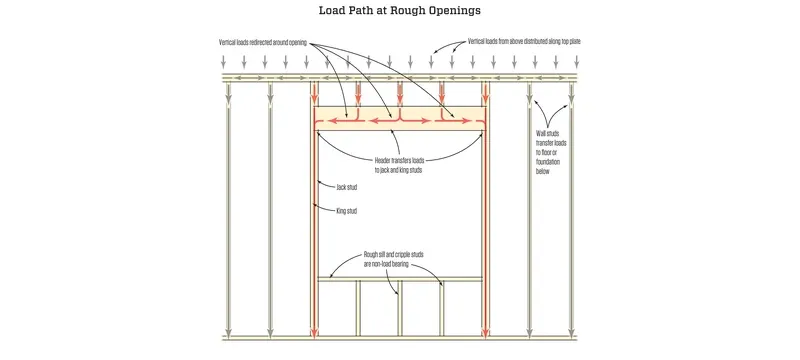
The Deiiang catalogue lists PT series rough openings from 400 mm up to 1200 mm and wall thickness from 50 mm to 100 mm. Always check every number against the current revision of the datasheet.
As seen in the diagram above, the rough opening, frame set back, and wall thickness envelope needed should be established before enclosing the wall.
Single trade installation is standard in accordance with catalogue sizes. Deiiang catalogue planning figures of 5–10 working day lead times for catalogue dimensions and 10–15 working days for custom openings should not be viewed as guarantees.
Airlock System Floor Plan and Structural Needs
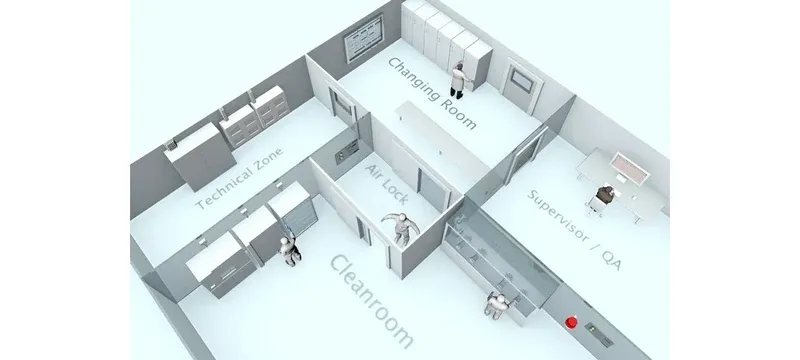
The generally stated 1.5 m minimum per chamber is a guideline planning figure for a straight line arrangement with a 900 mm door and a single user, but should not be construed as an absolute.
The plan above illustrates the differences between three arrangements and indicates the physical clearance needed for each.
Space needed for clearance zones should be based on door travel, turn radius of the cart, and access routes. Additional room for HVAC connections, for access to control panels, as well as for maintenance access must also be allocated.
A typical planning figure for multi-trade coordination extension is 2-4 weeks beyond the pass-through door installation, but this is an estimate, not a set number.
Operational and Maintenance Cost Comparison
Cost comparison only works with a stated system boundary. In a pass through vs airlock door cost study, define what is included: door, interlock, controls, HVAC, filters, installation labour, and commissioning.
Table 3 contains example costs in US dollars and is based on 2024 figures, excluding taxes and shipping, with energy prices at $0.12 per kWh.
Table 3: Example of a 5-year TCO comparison in $US on a 2024 basis
| Cost Category | Single-Door Pass-Through | Dual-Door Interlocked Pass Box | Modular Airlock, Unfiltered | Modular Airlock, Filtered |
|---|---|---|---|---|
| Upfront capital | $800–$2,500 | $1,500–$4,000 | $6,000–$14,000 | $8,000–$18,000 |
| Installation labour | $300–$600 | $400–$900 | $2,000–$5,000 | $2,500–$6,000 |
| Annual maintenance | $50–$150 | $80–$200 | $200–$500 | $400–$900 |
| Annual energy | $0–$80 | $0–$120 | $400–$1,000 | $600–$1,400 |
| Formula for 5-year TCO | Capital + Installation + 5 × (Maintenance + Energy) | Same | Same | Same |
| 5-year TCO | $1,050–$3,650 | $1,980–$5,500 | $9,000–$21,500 | $13,000–$29,500 |
| Cost Category | Single-Door Pass-Through | Modular Airlock, Filtered |
|---|---|---|
| Upfront capital | $800–$2,500 | $8,000–$18,000 |
| Installation labour | $300–$600 | $2,500–$6,000 |
| Annual maintenance | $50–$150 | $400–$900 |
| Annual energy | $0–$80 | $600–$1,400 |
| Formula for 5-year TCO | Capital + Installation + 5 × (Maintenance + Energy) | Same |
| 5-year TCO | $1,050–$3,650 | $13,000–$29,500 |
Example calculation note for Table 3: A filtered airlock at $9,000 capital plus $3,000 installation plus 5 × ($600 + $900) = $19,500. HVAC hours are at 8,760/year. replace with quotes that are properly cited.
Upfront Capital and Installation Expense Breakdown
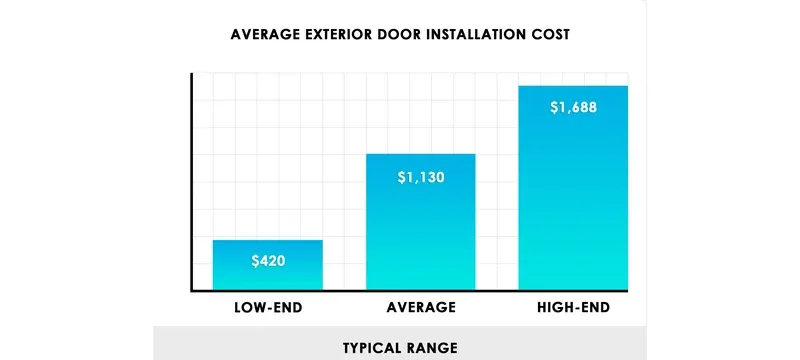
Upfront capital costs are heavily influenced by chamber and control systems, and by the cost of installation services as well. Prices in the Deiiang catalogue for pass-through doors start at $800 for a 400 mm size, not including installation.
In the chart above, the capital cost, labour cost, and accessory cost will be shown; thus realizing the full cost information regarding upfront expenditures will be possible.
Costs for items such as the electronic interlock and access control will add an additional $200-$500 to the final cost. Airlocks themselves have a 4-8 week lead time to manufacture compared to pass-through doors that can be made within 1-2 weeks.
Annual Maintenance and Energy Operating Costs
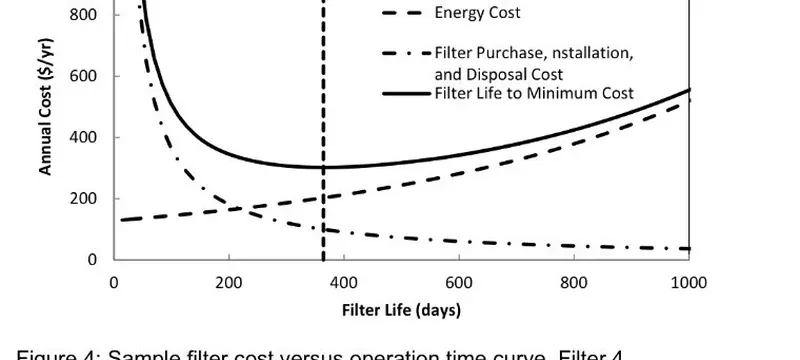
When preparing this information, it will be necessary to note the differences between filtered and unfiltered designs before looking at operating costs. Some airlocks do not have a HEPA filter therefore, the charging for filter does not come into play.
As observed in the chart above, the cost mix shifts toward HVAC energy and filters as the design becomes more complex.
In cases where filters are used, there are specific instructions on how often they should be replaced based on the pressure losses, integrity test results which show if there is any loss of integrity, or maintenance practices dictated by the facility.
The intervals below are qualified as Deiiang instructions or design-team observations where stated.
Common Integration and Performance Pitfalls
As is the case with virtually all forms of pressure management systems, the most common issues are related to system misuse such as installation errors or failure to maintain the system properly. In a pass through door vs airlock installation, those errors usually trace back to the same few points.
In order to assign a threshold to a specific product, a definitive guideline or protocol should exist to reference. Starting points are defined below as either information from Deiiang or design team experience respective to each circumstance described.
Pass-Through Door Common Failure Modes

The most common forms of failures of interlocked pass boxes fall into either misalignment of the interlocks or a seal degradation.
As shown in the photograph above, the three primary areas of wear for interlocked pass boxes are the interlock striker, perimetral gasket, and hinge pin.
A missed opportunity is noted by Jason.peng regarding interlocks where the gaskets are compressed too tightly. Hinge torque should follow the installation sheet rather than shop habit.
Table 4: Troubleshooting checklist
| Symptom | Likely Cause | Verification | Corrective Action |
|---|---|---|---|
| Interlock will not release | Striker misalignment | Feeler gauge at striker, compare to install sheet | Re-shim and re-align frame |
| Visible dust at jamb | Gasket compression set | Visual inspection and light test | replace gasket per Deiiang instruction |
| Door drifts open | Hinge torque or closer setting | Torque check against install sheet | Adjust closer, re-torque hinges |
| Pressure alarm after cycle | Seal leak or HVAC response lag | Pressure decay test | replace seal, check HVAC response |
| Symptom | Likely Cause | Corrective Action |
|---|---|---|
| Interlock will not release | Striker misalignment | Re-shim and re-align frame |
| Visible dust at jamb | Gasket compression set | replace gasket per Deiiang instruction |
| Door drifts open | Hinge torque or closer setting | Adjust closer, re-torque hinges |
| Pressure alarm after cycle | Seal leak or HVAC response lag | replace seal, check HVAC response |
Airlock System Performance Loss Triggers
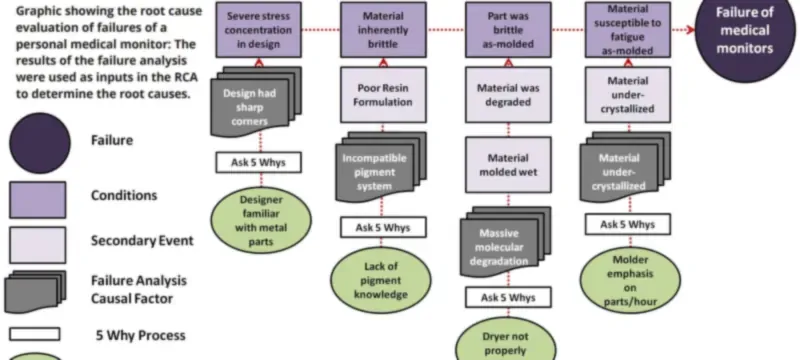
Pressure sensor drift is the leading airlock fault. A 5 Pa drift can break the staging sequence, so the acceptable drift limit should come from the project specification.
The chart above traces pressure failure back to four root causes and shows which are controls issues versus envelope issues.
Calibration frequency is set by the site quality system. Quarterly is common; monthly applies to high-use units when the site risk assessment supports it.
Other triggers include door seal leaks, HVAC imbalance, and lapsed calibration. Verify each with a documented test before adjusting setpoints.
Selection Framework and Product Recommendation
The framework converts the pass through door vs airlock question into five inputs: cleanliness class, transfer type, risk, space, and compliance. No single input decides the answer.
Deiiang matching follows the same order, whether the project is a simple hatch or a full cleanroom pass through vs airlock retrofit. Standard pass-through models cover low-risk transfer; modular airlock systems cover containment and personnel crossing.
Step-by-Step Selection Decision Framework

The flowchart above consolidates the five inputs into a single decision path ending at a product family rather than a model number.
Deiiang Product Line Matching Guide
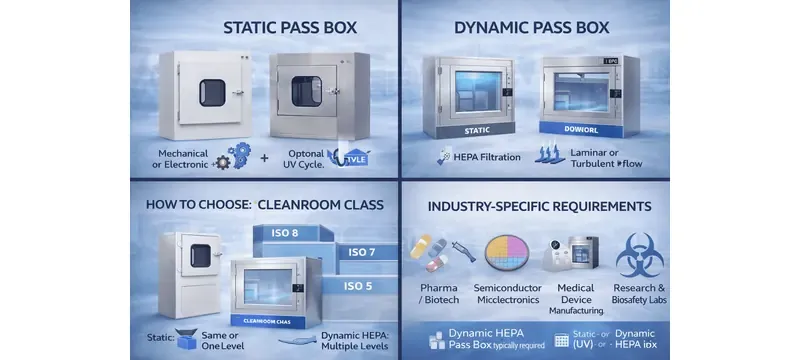
Deiiang catalogue data covers standard pass-through models from 400 mm to 1200 mm, dual-door interlocked pass boxes, and modular airlock systems in personnel and material configurations.
The comparison above shows the range side by side so buyers can compare hatch sizes, interlock positions, and chamber footprints at a glance.
Frequently Asked Questions
Can a pass-through door replace an airlock for small material transfer?
Sometimes, but not by default. A dual-door interlocked pass box may be acceptable for sealed, low-risk items entering ISO 8–9 zones when the risk assessment supports it. Size limits and contamination risk must still be assessed.
What is the minimum space required for a cleanroom airlock?
There is no universal minimum. The 1.5 m per chamber figure is an illustrative planning assumption for a straight-through layout with a 900 mm door. Confirm clearances against door swing, users, carts, and accessibility.
Do pass-through doors require interlocks for GMP compliance?
Dual-door pass boxes require a functioning interlock where cgmp design requirements apply. Single-door hatches have no second opening to interlock. Verify the specific clause in your applicable regulation.
How often do airlock pressure sensors need calibration?
Frequency comes from the site quality system. Quarterly is common practice; monthly applies to high-use units where the site risk assessment supports it. Log every calibration for audit review.
Can I upgrade an existing pass-through to airlock functionality?
Only if floor space, structure, and HVAC capacity allow a chamber to be added. Upgrades typically cost 60–80% of a new installation. A new modular airlock is often the simpler and more defensible route.
What warranty does a cleanroom pass through door manufacturer typically offer?
One year on parts and labour is common, with extended options of 3–5 years. Deiiang warranty terms should be confirmed in the current contract or datasheet by the cleanroom pass through door manufacturer, because coverage varies by component.
References
- [1] iso 14644-1:2015, Cleanrooms and associated controlled environments — Classification of air cleanliness by particle concentration. Scope: classification only; does not prescribe door types.
- [2] ISO 14644-3:2019, Cleanrooms and associated controlled environments — Test methods. Relevant: pressure differential and recovery time test methods.
- [3] EN 1822-1:2019, High efficiency air filters (EPA, HEPA and ULPA) — Classification, performance testing, marking. Scope: filters, not door seals.
- [4] IEST-RP-CC001, HEPA and ULPA Filters. Scope: filter testing practice.
- [5] EU GMP Annex 1, Manufacture of Sterile Medicinal Products. Scope: sterile manufacture; verify applicability and clause.
- [6] ISO 29463-1:2017, High-efficiency filters and filter media for removing particles in air. Scope: filters, not doors.
- [7] EN ISO 16890-1:2016, Air filters for general ventilation. Supersedes EN 779:2012; cite as current.
- [8] ASHRAE 52.2-2017, Method of Testing General Ventilation Air-Cleaning Devices for Removal Efficiency by Particle Size. Scope: filter test method.
- [9] MIL-STD-282, Filter units, protective clothing, gas-mask components and related products: performance test methods. Scope: filter testing, not airlock certification.
- [10] USP 797, Pharmaceutical Compounding — Sterile Preparations. Scope: sterile compounding; verify chapter applicability.