+86 13638632902
 Jason@cleanroomequips.com


 MENU
MENU
In cleanroom environments, maintaining stringent
contamination control is essential. One of the critical parameters that
contribute to this is the nozzle velocity of air showers. This velocity
determines how effectively the air shower can dislodge particles from personnel
and cleanroom equipment, ensuring a clean and safe workspace. Understanding nozzle
velocity helps optimize air shower performance, aligning it with industry
standards and enabling compliance with both domestic and international
regulations.
What is the nozzle velocity of an air shower?
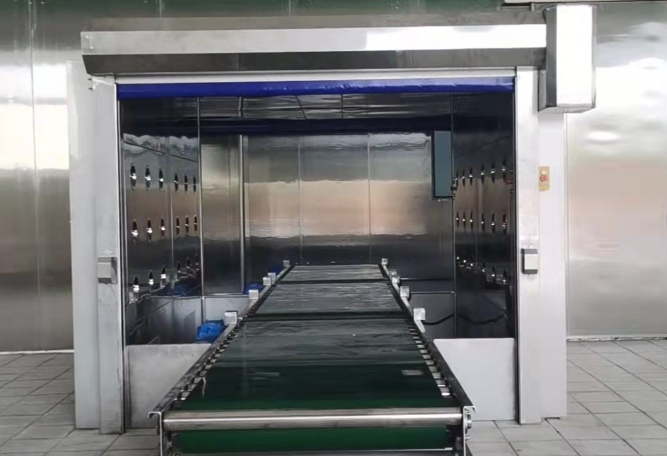
The nozzle velocity of an air shower refers to the speed at which air is expelled from the nozzles. This velocity is crucial for effectively removing contaminants from surfaces and personnel, ensuring a sterile environment.
M_Ese6Q5ilk
1. Importance of Nozzle Velocity
Nozzle velocity impacts the air shower's efficiency in particle removal. Higher velocities facilitate better dislodging of contaminants, while lower velocities may lead to insufficient cleaning, compromising the cleanroom environment.
2. Standard Nozzle Velocities
Typically, the nozzle velocity of an air shower ranges from 20 to 30 meters per second. This range is optimal for creating sufficient airflow to displace particles without causing discomfort to the user. Different cleanroom applications may necessitate adjustments in nozzle design and velocity settings to maintain compliance with various standards, such as ISO 14644-1 and GMP guidelines.
3. Factors Influencing Nozzle Velocity
Several factors can affect nozzle velocity, such as the design of the air shower, air supply pressure, and ambient conditions. Proper calibration and regular maintenance are essential to ensure consistent nozzle performance.
4. Measuring Nozzle Velocity
Nozzle velocity can be measured using an anemometer, which quantifies airflow speed at the nozzle exit. Regular measurements help determine if the air shower is functioning within the prescribed velocity range.
5. Impact on Cleanroom Operations
Inadequate nozzle velocity can lead to particle accumulation and contamination, posing risks to sensitive processes and products. Maintaining optimal velocities is vital for compliance and operational efficiency.
Air Shower Air Flow
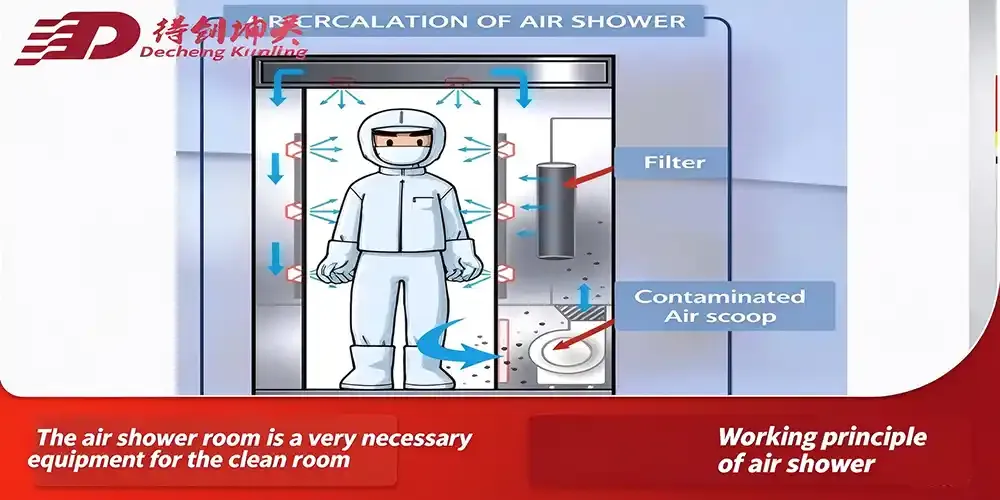
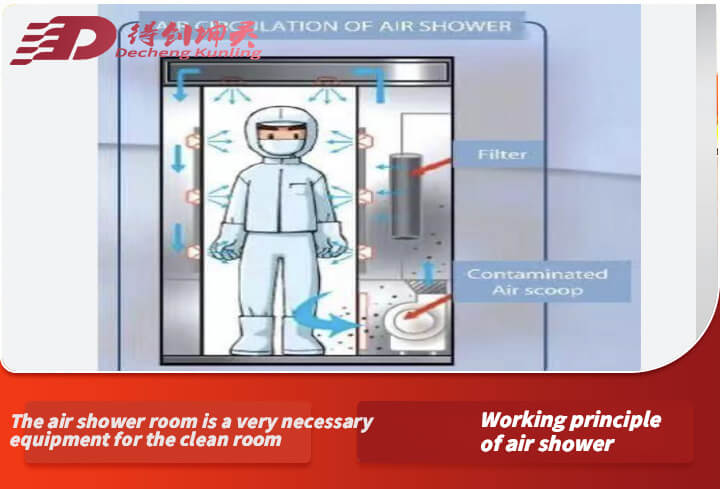
Airflow within an air shower is a critical aspect of its function. The design typically incorporates a high-velocity airflow system that directs air through strategically placed nozzles. This airflow ensures that contaminants are effectively swept away from personnel and materials entering the cleanroom. The volume and velocity of the air are engineered to optimize particle removal while maintaining a comfortable environment for the user.
Proper airflow design balances the need for cleanliness with the comfort of operators. Excessive airflow can create discomfort, while insufficient airflow may not adequately remove contaminants. The air shower should provide a uniform distribution of airflow across all nozzles to maximize efficiency.
Regular monitoring of air flow rates is essential for maintaining optimal performance. Adjustments may be necessary based on changes in the cleanroom environment or usage patterns. Understanding and controlling the air shower's airflow is vital to ensuring air quality and compliance with industry regulations.
Air Shower Nozzle Angle Adjustment
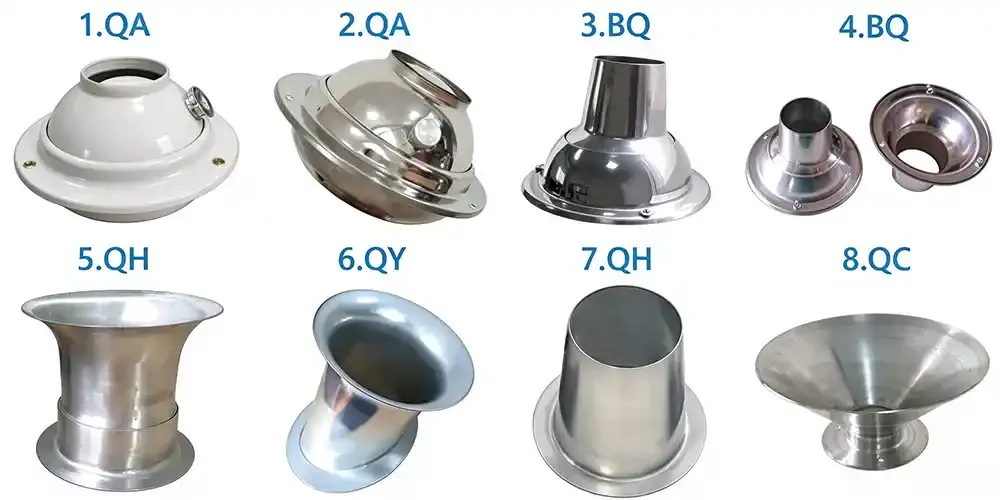
Adjusting the angle of the air shower nozzles helps optimize airflow patterns. Proper angle settings ensure effective particle removal from various surfaces, accommodating different user heights and equipment configurations.
The angle at which air is directed plays a significant role in the effectiveness of particle dislodging. Adjustments may be required based on the specific application or user needs.
To ACHieve optimal performance, nozzle angles should be adjustable during installation and periodically reviewed. Aligning nozzles to target key contamination zones enhances the air shower's efficacy. Regular checks and adjustments ensure that airflow remains directed efficiently, enhancing the overall cleaning process.
Air Shower Spray Effect Optimization
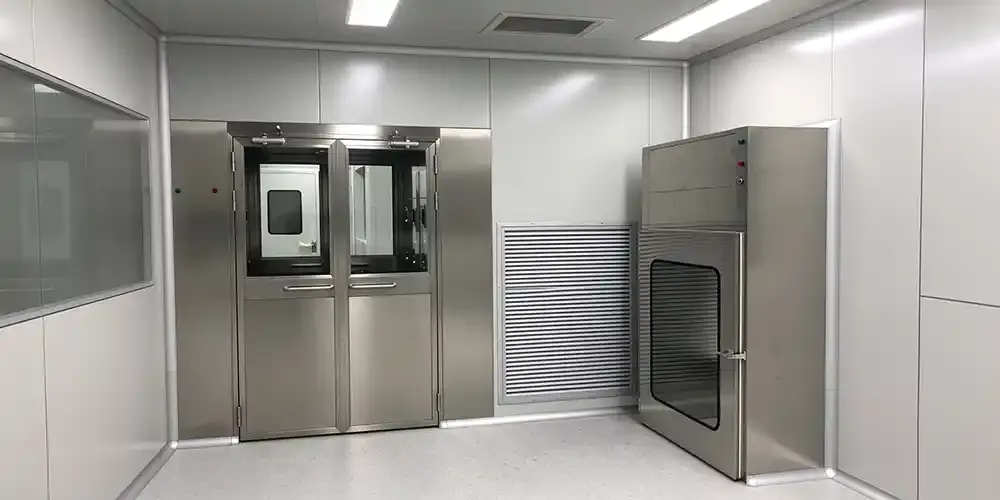
Optimize Airflow Distribution
Even distribution of airflow ensures that all areas receive adequate cleaning. Adjusting nozzle placement can enhance the effectiveness of the air shower.
Strategies for Optimization
To optimize spray effects, consider the following strategies:
Regular Maintenance:Ensure that nozzles are clean and unobstructed to maintain consistent airflow.
Calibration:Periodically calibrate the air shower to ensure velocities remain within the optimal range.
User Feedback:Monitor user experiences to identify potential areas for improvement and make necessary adjustments.
By implementing these strategies, air showers can achieve enhanced performance and maintain compliance with cleanliness standards.
Monitoring Performance
Regularly evaluating the performance of air showers helps identify inefficiencies early. Employing monitoring systems can provide real-time data on airflow and particle removal effectiveness.
Air Shower Operator Requirements
Operators of air showers must be adequately trained and understand the importance of maintaining cleanroom standards. Proper training ensures compliance with safety and operational protocols.
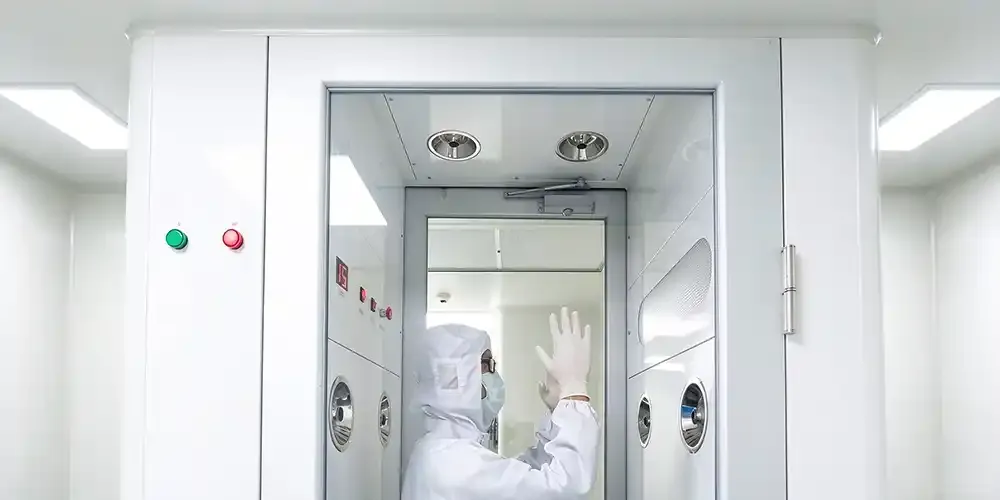
Training Programs:
Operators should undergo training programs that cover equipment usage, maintenance practices, and contamination control.
Understanding Cleanroom Standards:
Operators must be familiar with both domestic and international standards, such as ISO 14644 and Good Manufacturing Practices (GMP). This knowledge ensures they can maintain the air shower's effectiveness while complying with regulatory requirements.
Best Practices for Operation:
Operators should follow best practices for air shower usage, including:
Pre-Entry Protocols:Ensure that personnel are clean and wear appropriate protective gear before entering the air shower.
Operational Checks:Conduct regular checks on the air shower’s functionality, including nozzle conditions and airflow rates.
Documentation:Maintain records of training and operational procedures to ensure compliance and continuous improvement.
Air Shower Troubleshooting and Maintenance
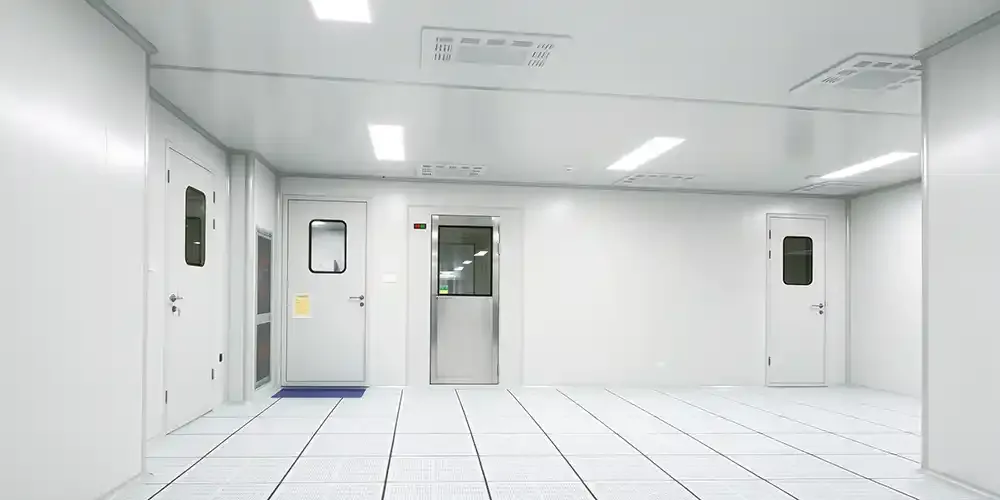
Routine maintenance and troubleshooting are essential to ensure the air shower operates efficiently and effectively. Addressing issues promptly can prevent contamination and extend the life of the equipment.
1. Common Issues
Common problems include inconsistent airflow, blocked nozzles, and mechanical failures. Regular inspections help identify these issues before they impact performance.
2. Maintenance Practices
Regular Cleaning:Nozzles and filters should be cleaned frequently to prevent blockages and ensure optimal airflow.
Performance Checks:Schedule periodic performance tests to verify that airflow and nozzle velocities meet specified standards.
Component Replacement:replace worn or malfunctioning components promptly to maintain system integrity and compliance with cleanroom standards.
3. Deiiang Company Case Introduction
At Deiiang Company, we prioritize the integrity of our cleanroom environments. By implementing rigorous maintenance and troubleshooting protocols, we ensure that our air showers remain at peak performance. Our commitment to quality not only enhances our brand image but also reinforces our reputation as a leader in cleanroom technology solutions. By adhering to industry standards and continuously improving our processes, we provide clients with reliable and efficient cleanroom solutions tailored to their needs.
faq(Frequently Asked Questions)
What is the range of nozzle velocity for air showers?
Most nozzles of air shower operate at a range of 20–25 m/s (4,000-5,000 fpm). However, there may be instances when different manufacturer have different velocities in line with the design and application of air showers.
How high is the nozzle velocity for air showers and why.
High-velocity airflow creates a scrubbing effect that helps in removal of loose particles from the garments of operators, personnel, and surface of materials being handled in a cleanroom. As a result, the removed pollutants goes into return-air grilles and are trapped by filtration system.
How is nozzle velocity measured for air showers?
Nozzle velocity can be measured very near the nozzle outlet. For this a calibrated anemometer can be used. Each organization must follow the previously established procedures for making the calculations.
Is it good to have a higher value of nozzle velocity?
No. Depending on the situation high velocity can create noise, discomfort, damage to garments. However, good performance also depends on uniform airflow, covering area, position of nozzles, filtering system.
Does iso 14644 dictates the necessary nozzle velocity for air showers?
According to iso 14644 there is no one maximum velocity for all air shower systems. The value should be specified in the requirements of the customer and law regulations.
What causes low nozzle velocity for air showers?
One may easily know that low nozzle velocity is caused by dirty air filters, damaged fans, blocked return-air grilles, improper settings for fans, too many holes in duct or damaged nozzle or electrical equipment.
How often does air shower nozzle velocity has to be measured?
The velocity should be measured during commissioning and qualification, after maintenance, as well as, at periods specified in the maintenance schedule according to the building of risk-based maintenance program. It is possible that in case of more critical application of air showers the velocity has to be measured more frequently.
Is nozzle velocity the only criterion for measuring operation of air showers?
No. Apart from the nozzle velocity, one also needs to take into account the number and the location of the nozzles, airflow uniformity, timing of cycle, performance of HEPA filters, interlocks of Doors, configuration of the chamber and behavior of the staff.