+86 13638632902
 Jason@cleanroomequips.com


 MENU

If you are asking the question “how much does a medium filter cost”, the answer is fairly straightforward. As of early 2026, a standard-size medium filter bought individually ranges from $10 to $120 across North America and the European union, setting a clear baseline for medium filter cost.
Within that range, the MERV 8 filter price sits at $8 to $18 for basic pleated panels. The MERV 13 filter cost runs $20 to $40 for pleated or rigid units, and commercial-size F7–F9 bag filters fall between $25 and $90, aligning with typical commercial air filter pricing.
These prices reflect unit cost only. They do not include shipping, custom fabrication, or cleanroom documentation and testing fees that can push cleanroom medium filter price points higher for specialized orders.
This article breaks down the specifications that drive medium filter cost, compares rating systems, and explains total ownership cost modeling for medium-efficiency air filter cost planning. It also includes a project case study and quotation checklist. Data was provided by Jason.peng, product designer at cleanroom equipment manufacturer Deiiang™.
What counts as a medium filter, and what does it cost?
The term “medium filter” is a common market reference, not a formal standardized classification across the global filtration industry. It covers a range of product designs and efficiency levels that shape both HVAC medium filter cost and cleanroom medium filter price points.
This diagram places the four most common medium filter constructions next to the grade bands they usually cover. It helps buyers decide which product category a quoted unit belongs to before comparing medium air filter price quotes like for like.
What does “medium filter” mean in HVAC and cleanroom applications?
In North America, medium filters for HVAC and cleanroom use align with ANSI/ASHRAE 52.2 MERV ratings, most commonly MERV 8 through MERV 13, forming the core range for HVAC medium filter cost calculations.
The MERV system scores removal efficiency across three particle size bins: E1 (0.3–1.0 µm), E2 (1.0–3.0 µm), and E3 (3.0–10.0 µm). A MERV rating is a composite score across all three bins, not a measure for any single particle size.
In Europe, legacy EN 779 F5–F9 classifications are still used in practice, even though the standard has been replaced by ISO 16890 for general ventilation. ISO 16890 uses ePM1, ePM2.5, and ePM10 groupings instead.
MERV, F-class, and ePM ratings use different test methodologies, so there is no exact one-to-one conversion between the systems.
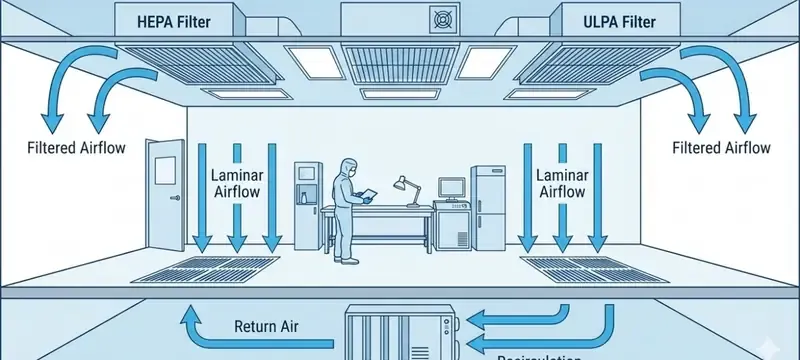
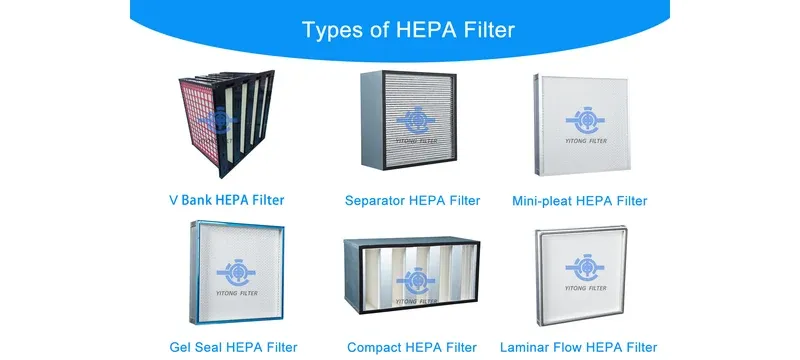
For cleanrooms, “medium filter” typically refers to a medium-efficiency pre-filter sized during airflow design. It may be specified to ISO 16890 or legacy F-class criteria, and is a key factor in cleanroom medium filter price planning. HEPA and ULPA filters fall under separate standards: EN 1822 and ISO 29463.
Pre-filter selection depends on the downstream final filter, ambient contamination levels, and system pressure limits, not just a general efficiency target.
What price range should buyers use as a starting point?
A baseline price range of $10–$120 per unit works as a starting point for stock medium filters, based on early 2026 list pricing for single units and standard commercial air filter pricing benchmarks.
Typical price points by product type:
- 1” MERV 8 pleated filter: $8–$18
- 1” MERV 11–13 pleated filter: $18–$40
- 4” MERV 13 rigid filter: $25–$50
- 454 × 454 × 150 mm F7–F9 bag filter: $25–$90
These are general market estimates, not formal quotations for medium filter cost. Pricing for the same product can vary by sales channel, order quantity, and delivery terms.
Always base budgeting on a dated supplier quote that clearly states currency, quantity, and Incoterms to avoid unexpected cost differences.
Which specifications drive the medium filter price?
Five core specification categories account for nearly all variation in medium air filter price: size, media type, frame construction, efficiency rating, and pressure drop. These factors are interdependent, so changing one often shifts the others and impacts overall medium filter cost.
Table 1: Cost drivers associated with medium filters (basis and assumptions)
| Specification | Buyer options | Effect on medium filter cost | Basis / assumption |
|---|---|---|---|
| Dimensions / face area | Standard vs custom | Custom production tooling increases per-unit cost | Quote-specific; follow up per supplier |
| Media material | Synthetic vs glass fiber vs activated carbon | Glass fiber and activated carbon add unit cost premium | Catalogue data; may vary by type |
| Frame material | Plastic vs aluminum vs galvanized or stainless steel | Metal framing increases cost compared to plastic | Catalogue data; may vary by model |
| Efficiency | MERV 8 / 11 / 13; legacy F5–F9 | Higher efficiency ratings typically cost more | Quote-specific; rating systems may vary |
| Flow rate | 1,000 vs 2,050 vs 3,700 m³/h | Higher flow rates generally lead to higher costs | Catalogue data; values vary by catalogue |
| Resistance | Low vs high initial resistance | Depends on media type, face size, velocity, and construction | Cost tied to media used |
| Specification | Buyer options | Cost effect |
|---|---|---|
| Dimensions / face area | Standard vs custom | Custom tooling increases per-unit cost |
| Media material | Synthetic vs glass fiber vs activated carbon | Glass fiber and carbon add cost premium |
| Frame material | Plastic vs aluminum vs stainless steel | Metal framing costs more than plastic |
| Efficiency | MERV 8–13; legacy F5–F9 | Higher ratings typically cost more |
| Flow rate | 1,000 to 3,700 m³/h | Higher flow rates increase cost |
| Resistance | Low vs high initial resistance | Varies by media, size, and construction |
Note: Entries reflect general market structure as of early 2025. No single published dataset validates these variables; treat as directional, not measured.
The diagram groups the six specification families that move unit price into one view. It helps buyers settle the parameters that are hardest to change late — dimensions, media, and frame — before those choices reopen the medium-efficiency air filter cost discussion.
How do size, media, and frame construction affect cost?
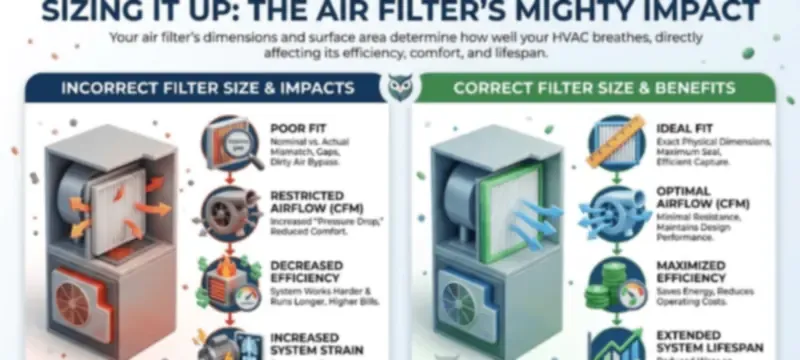
Filter dimensions directly drive material usage and medium filter cost. A 592×592×292 mm filter has roughly four times the media area of a 287×287×292 mm unit, and media is usually the single largest cost component.
Custom sizes require specialized tooling and smaller production runs, which raise the per-unit cost compared to standard stock dimensions.
Synthetic fiber media is the lowest-cost option, with a typical temperature rating of up to 80 °C per Deiiang catalogue data.
Glass fiber media carries a higher material cost, pushing MERV 13 filter cost higher, with a 150 °C temperature rating and greater dust-holding capacity. Activated carbon media for gas and odor control adds an additional price premium.
All media values are sourced from supplier catalogues and should be confirmed against the current model datasheet before purchase.
Frame material also impacts medium air filter price. Deiiang offers aluminum folding frames for glass fiber bag filters, and aluminum profile frames for synthetic bag filters, with stainless steel options on select models.
Metal frames cost more than plastic, but they maintain pleat structure more reliably at higher airflow rates. Together, size, media, and frame account for most of a filter’s upfront unit cost.
How do efficiency, airflow, and pressure drop affect cost?
Efficiency rating is the most consistent predictor of medium filter cost, though the relationship is not linear. Under ANSI/ASHRAE 52.2-2017, MERV 13 requires minimum 50% efficiency in E1, 85% in E2, and 90% in E3 particle bins [1].
Meeting the E1 (0.3–1.0 µm) threshold requires denser media and more pleat area, which is the primary reason the MERV 13 filter cost is higher than lower-rated units.
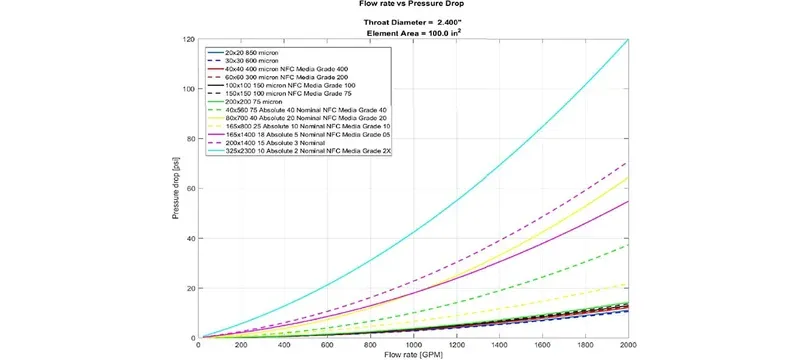
Airflow capacity is tied to filter face area. For example, a Deiiang W-bank medium filter rated for 3400 m³/h at F7 uses more media than a 1700 m³/h F8 unit of the same design.
Higher airflow generally increases pressure drop, but resistance also depends on air velocity, media type, and pleat geometry. Low resistance does not automatically mean lower medium filter cost, or vice versa.
When comparing filter value relative to price, always evaluate initial pressure drop and unit cost together at the same rated airflow.
How do filter types and ratings compare in price?
Both filter construction type and efficiency rating system influence medium air filter price, but they work independently. Medium-efficiency products fall into distinct construction categories, eACH with different performance and cost profiles that shape commercial air filter pricing.
Table 2: Medium filter product categories and rating systems
| Product category | Rating system used | Standard application | Quote details to verify |
|---|---|---|---|
| (Medium) Pleated panels | ASHRAE 52.2 MERV 8–13 | Commercial ventilation, office settings | Efficiency and pressure drop at rated flow |
| (Medium) Synthetic bag filter | ISO 16890 ePM; obsolete EN 779 | General ventilation, pre-filtration | Test standard edition; filter area; max temperature |
| (Medium) Glass fiber bag filter | ISO 16890 ePM; obsolete EN 779 | High-temperature ventilation; cleanroom pre-filters | Media area; temperature limit; housing material |
| (Medium) V-bank filter | ASHRAE 52.2 MERV 8–13 | High-efficiency air handling units | Flow rating; pressure drop |
| (Medium) Activated carbon V-bank | Odor removal; no particle rating | Pharmaceutical; food industries | Media type; service life; disposal method |
| (Non-medium) HEPA/ULPA terminal | EN 1822; ISO 29463 | Semiconductor and cleanroom applications | Test method; leak testing; certification |
| Product category | Rating system | Application |
|---|---|---|
| (Medium) Pleated panels | ASHRAE 52.2 MERV 8–13 | Commercial ventilation, offices |
| (Medium) Synthetic bag filter | ISO 16890 ePM; obsolete EN 779 | General ventilation, pre-filtration |
| (Medium) Glass fiber bag filter | ISO 16890 ePM; obsolete EN 779 | High-temp ventilation; cleanroom pre-filters |
| (Medium) V-bank filter | ASHRAE 52.2 MERV 8–13 | High-efficiency air handling units |
| (Medium) Activated carbon V-bank | Odor removal; no particle rating | Pharmaceutical; food industries |
| (Non-medium) HEPA/ULPA terminal | EN 1822; ISO 29463 | Semiconductor and cleanroom uses |
Note: EN 779 is obsolete and no longer active. ISO 16890 is the current standard for general ventilation filters.
The table sets the four rating families side by side with the markets and applications each one governs. It helps buyers keep a comparison honest when a quotation cites MERV, ePM, or the withdrawn F-class scale on the same page.
How do MERV ratings relate to medium-filter pricing?
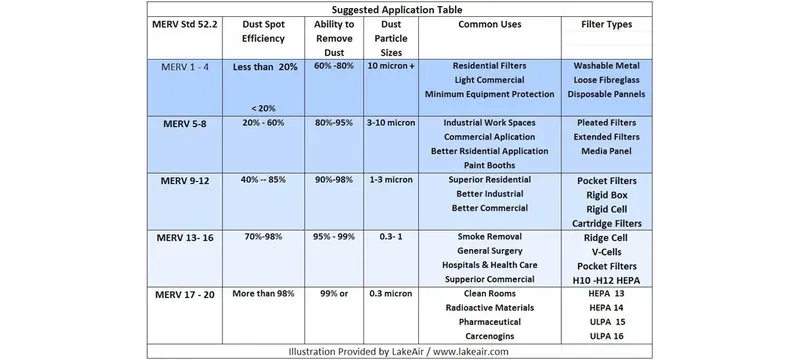
ANSI/ASHRAE 52.2-2017 defines the MERV rating system, which measures filter particle removal efficiency across standardized size bins [1]. Medium filters typically fall in the MERV 8 to MERV 13 range.
The MERV 8 filter price sits at a lower point because units do not require E1 particle bin compliance. MERV 8 mandates ≥70% efficiency in E2 and ≥85% in E3, with no minimum for the smallest particles.
MERV 13 raises the bar to require 50% minimum E1 efficiency, which demands denser media and more pleated surface area. This is the single biggest driver of the price gap between MERV 8 and MERV 13 units.
Rating alone does not determine final medium filter cost, however. Two MERV 13 filters with different media, frame designs, or airflow ratings can have very different prices.
For accurate cost comparison, always evaluate filters with matched airflow and pressure drop specifications, not just efficiency rating.
When are cleanroom requirements likely to change the quote?
cleanroom specifications almost always push cleanroom medium filter price points higher compared to standard HVAC units. The exact premium varies by requirement and supplier, so no fixed percentage applies across the board.
Common cleanroom pre-filter requirements that add cost:
Note that per-unit DOP and photometer scanning is required for HEPA and ULPA filters under EN 1822 and ISO 29463, but not for medium pre-filters.
Always confirm the required testing class for your application and request documentation that clearly states test methodology and standard revision.
How can buyers estimate total ownership cost?
Upfront purchase price is only one part of the full medium filter cost over time. A complete total ownership cost (TOC) model accounts for all expenses across the filter’s service life, including long-term medium-efficiency air filter cost drivers.
The bars show how much of a five-year total each category takes on this illustrative basis: purchase price and freight together are roughly two fifths, while fan energy and replacement labour make up most of the remainder. In high-airflow systems, energy is frequently the largest single item.
What costs should be included beyond the purchase price?
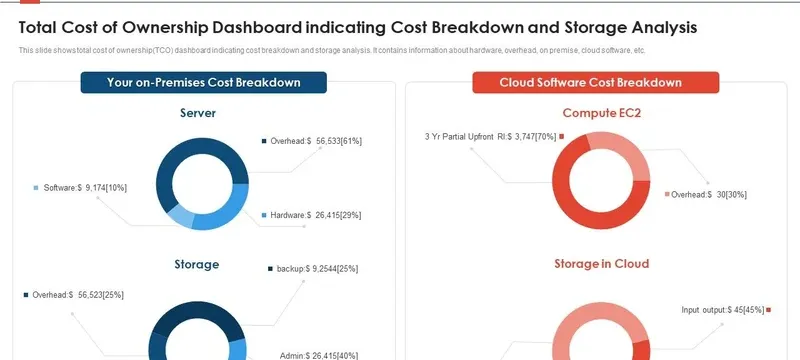
A complete lifecycle cost model for medium filters should include five core cost categories beyond unit price.
Included cost components:
These costs vary significantly by region. Disposal costs in particular depend on filter media type and local waste handling regulations.
How can pressure drop and service life affect lifecycle cost?
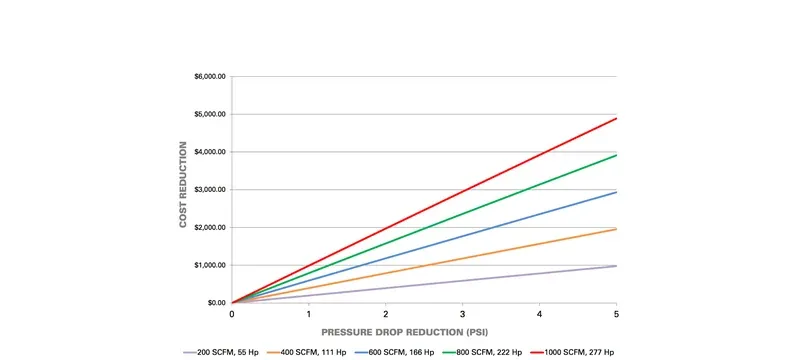
Fan power consumption from filter pressure drop is often the largest component of total medium filter cost over time in high-airflow systems. Power is calculated as airflow (m³/s) multiplied by pressure drop (Pa), divided by fan efficiency.
For example: 2500 m³/h equals 0.694 m³/s. At 50 Pa pressure drop and 60% fan efficiency, input power equals (0.694 × 50) ÷ 0.60 = 57.9 W.
Over 6000 operating hours at $0.10 per kWh, this adds roughly $35 in annual energy costs per filter. A 250 m³/h system under the same conditions would add only about $3.50 per year.
These are estimates; actual values depend on measured fan efficiency and real operating hours.
Do not estimate service life based solely on unit price or initial resistance. replace filters when they reach the manufacturer’s recommended final pressure drop, or your system’s pressure budget limit.
For reference, Deiiang catalogue data specifies a final resistance of 250–400 Pa for its medium-efficiency bag filter range.
Only compare pressure drop values between filters with identical airflow, configuration, and test methodology. Confirm these parameters before using pressure drop in lifecycle cost calculations.
What information should a buyer provide for an accurate quote?
The most reliable way to get an accurate medium air filter price quote is to provide complete, detailed specifications up front. Incomplete information forces suppliers to make assumptions that may lead to medium filter cost revisions later.
The five steps summarise what a supplier needs to price a medium filter without guessing. Sending all five at once shortens the quotation cycle and reduces the chance of a revised figure later.
Which filter dimensions and performance details are essential?
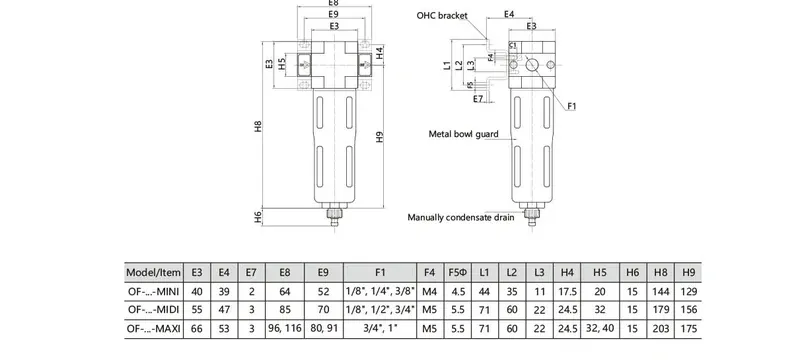
Include all of the following details in your inquiry to get the most accurate initial quotation.
Core required information:
For cleanroom applications, add:
How should buyers compare supplier quotations?
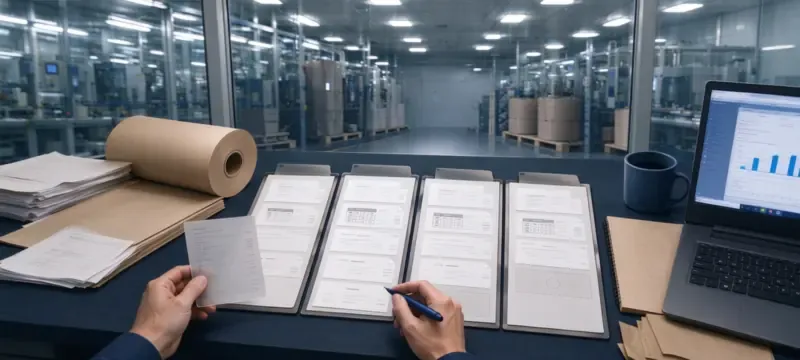
Always normalize specifications before comparing medium filter cost quotes from different suppliers. A lower medium air filter price may reflect thinner media, lower-grade frames, or shorter service life than your requirements.
Key comparison checks:
How can Deiiang product data support a local price estimate?
Deiiang’s published product catalogue provides detailed performance data that buyers can use to define specifications before requesting local medium filter cost estimates. Catalogue values are for reference only and do not include direct medium air filter price data.
Table 3: Deiiang medium efficiency catalogue data
| Model Series | Dimensions | Efficiency Class | Capacity | Initial Pressure Drop | Test Standard |
|---|---|---|---|---|---|
| Medium Efficiency Glass Fiber Bag Filter | 592×592×381 mm 6-bag | F5 | 2050 m³/h | <50 Pa | EN779 legacy; 3.18 m² media area |
| Medium Efficiency Glass Fiber Bag Filter | 592×592×381 mm 6-bag | F6 | 2050 m³/h | Not published | EN779 legacy; 3.18 m² media area |
| Medium Efficiency Glass Fiber Bag Filter | 592×592×381 mm 6-bag | F8 | 2050 m³/h | <100 Pa | EN779 legacy; 3.18 m² media area |
| Medium Efficiency Glass Fiber Bag Filter | Not published | F5/F8 | 1700 m³/h | Not published | EN779 legacy |
| Medium Efficiency Chemical Fiber Bag Filter | Not published | F6/F7/F9 | 1000 m³/h | Not published | EN779 legacy |
| Medium Efficiency Chemical Fiber Bag Filter | Not published | F5/F9 | 1700 m³/h | Not published | EN779 legacy |
| Plastic Frame W-Bank Combined Medium Filter | 23 × 23 × 11.50 inches | F7 | 3400 m³/h | Not published | EN779 legacy |
| Plastic Frame W-Bank Combined Medium Filter | 11.30 × 11.30 × 11.50 inches | F8 | 1700 m³/h | Not published | EN779 legacy |
| Combined Activated Carbon Medium Filter (V-Bank) | Not published | Gas/Odour Duty | 3700 m³/h | Not published | Not a particle efficiency rating |
| Model Series | Efficiency Class | Capacity |
|---|---|---|
| Medium Efficiency Glass Fiber Bag Filter | F5 | 2050 m³/h |
| Medium Efficiency Glass Fiber Bag Filter | F6 | 2050 m³/h |
| Medium Efficiency Glass Fiber Bag Filter | F8 | 2050 m³/h |
| Medium Efficiency Glass Fiber Bag Filter | F5/F8 | 1700 m³/h |
| Medium Efficiency Chemical Fiber Bag Filter | F6/F7/F9 | 1000 m³/h |
| Medium Efficiency Chemical Fiber Bag Filter | F5/F9 | 1700 m³/h |
| Plastic Frame W-Bank Combined Medium Filter | F7 | 3400 m³/h |
| Plastic Frame W-Bank Combined Medium Filter | F8 | 1700 m³/h |
| Combined Activated Carbon Medium Filter (V-Bank) | Gas/Odour Duty | 3700 m³/h |
Note: Values are catalogue rated and do not include price. Final resistance for the 592×592×381 mm bag range is 250–400 Pa. Unavailable values are marked “not published”, not assumed. Confirm latest datasheet before use.
The panel is a checklist rather than a chart: it sets the fields a complete quotation must state against the loose wording that makes two prices impossible to compare. It is the fastest check to run before accepting any medium filter price figure.
Which Deiiang catalogue details should buyers verify?
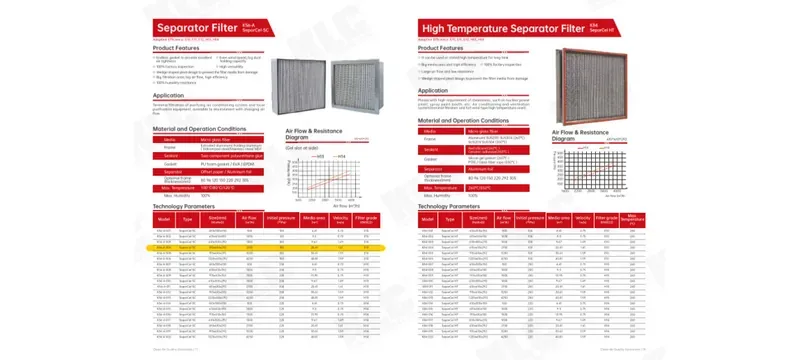
Always verify the following catalogue details before using Deiiang product data for purchasing decisions.
Details to confirm:
Supplier claims such as glass fiber media sourcing, adhesive type, or media weight (e.g., 120 g/m²) apply to specific models only, not entire product lines. Always cross-reference against the model-specific datasheet.
How do region, currency, shipping, and order quantity affect quotes?
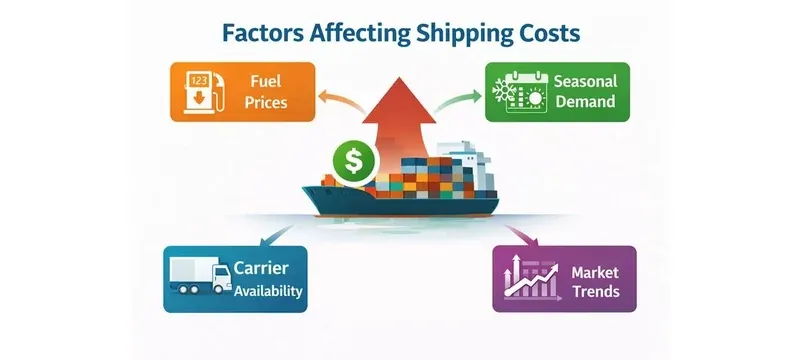
Regional factors like local competition, import duties, freight costs, and currency risk all impact final delivered medium filter cost and medium air filter price points.
For example, a USD-denominated quote delivered to Southeast Asia cannot be directly compared to an ex-works RMB quote without adjusting for freight and Incoterms.
Order quantity is the most controllable medium filter cost factor. Volume discounts and minimum order quantities are quote-specific and change frequently, so always confirm current commercial air filter pricing with Deiiang sales at time of purchase.
A valid delivered-cost comparison requires five matching factors: destination, currency, Incoterm, order quantity, and quotation date. Missing any of these makes side-by-side pricing unreliable.
How should standards and compliance affect filter selection?
Industry standards define how filter performance is measured and what suppliers must demonstrate to validate their products. Compliance requirements also add to medium filter cost through testing and documentation, particularly for cleanroom medium filter price points.
The rows map each standard to the filter grades it rates and the scope it covers. It helps buyers quote the right standard and edition when a rating or filter class appears in a specification or a supplier’s data sheet.
Which standards are relevant to medium-filter specifications?
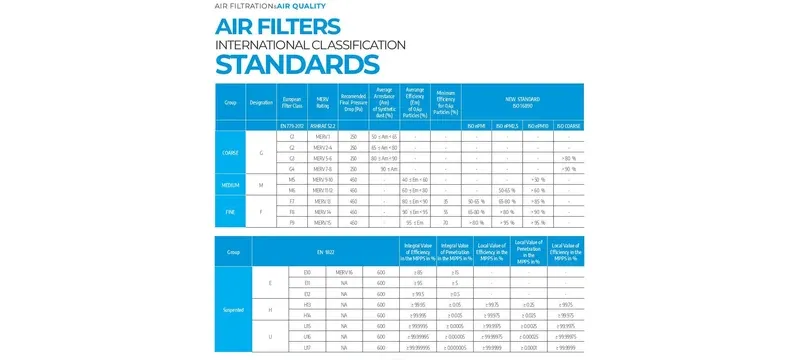
ANSI/ASHRAE 52.2-2017 defines the MERV rating system and is the primary reference for HVAC medium filter cost and specifications in North America.
ISO 16890-1:2016 is the current international standard for general ventilation filters, using ePM1, ePM2.5, and ePM10 classifications.
EN 779 is now obsolete and should only be referenced for historical context when reviewing existing site specifications.
High-efficiency HEPA and ULPA filters fall under EN 1822-1:2019 and ISO 29463-1:2017 for classification and testing.
iso 14644-1:2015 defines cleanroom cleanliness classes, and iso 14644-3:2019 outlines test methods for verifying cleanroom performance.
Additional relevant references include IEST-RP-CC001 for HEPA/ULPA filter specifications, and MIL-STD-282 Method 102.9 for DOP testing protocols.
How can compliance requirements affect cost and documentation?
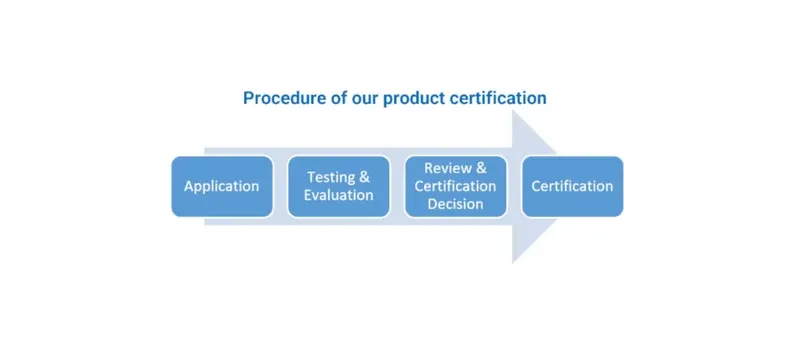
Type testing (single product sample) and batch testing (sample from production) both add to medium filter cost. Per-unit DOP or photometer scanning adds the most, as it is performed on every individual unit.
Per-unit scanning is required for HEPA and ULPA terminal filters under EN 1822 and ISO 29463, but it does not apply to medium pre-filters. Contracts requiring per-unit scanning for medium filters should be reviewed before quotation.
Standard documentation for medium pre-filters includes a type-test report (per ASHRAE 52.2 or ISO 16890) and a material declaration.
Buyers should also request details on test methodology, standard revision used, and report scope to confirm compliance with project requirements.
What does a real-project cost assessment look like?
A real-world project cost assessment puts medium air filter price in context with facility requirements and system performance. The example below is based on Deiiang catalogue data for a pharmaceutical cleanroom application, illustrating real-world cleanroom medium filter price dynamics.
This is an illustrative product view, not a documented project installation. Frame material, media colour and pocket count vary by model, so confirm the exact configuration, media grade and gasket type on the current model datasheet before ordering.
What project details make a filter cost case study useful?

A useful filter cost case study clearly defines the facility type, cleanroom classification, site constraints, filter specifications, unit quantity, calculation method, and measured results. It also separates measured data from client observations.
This example features a pharmaceutical packaging area targeting iso 6 cleanliness per ISO 14644-1 [6]. Site constraints include high ambient particle load, limited plenum height, and a strict pressure drop budget for laminar flow.
The proposed solution pairs low-profile H14 HEPA filters (592×592×292 mm, 2500 m³/h, ≤220 Pa initial, 20.04 m² media area) with F7 medium pre-filters and silicone-free gaskets.
All H14 performance figures are from Deiiang catalogue data, used here for illustrative combination purposes.
How should buyers interpret project pricing and performance results?
Project pricing is always indicative, not universally applicable. Medium filter cost reflects project-specific factors like quantity, delivery terms, and testing scope that do not transfer directly to other sites.
Performance claims require the same scrutiny. For example, an iso 7 cleanroom must demonstrate compliance via particle measurements per ISO 14644-1 and ISO 14644-3 [6][7].
If a supplier cannot provide full project records, the reference should be clearly labeled hypothetical. This is not a negative; it prevents buyers from making budgeting decisions based on unverifiable data.
Frequently Asked Questions
Below are answers to the most common questions about medium filter pricing and specification.
How much does a medium air filter cost?
As of early 2026, single-unit medium air filter price points range from $10 to $120 across North America and Europe, answering the question “how much does a medium filter cost” for standard stock units.
The MERV 8 filter price sits at $8 to $18 each, the MERV 13 filter cost runs $20 to $40, and F7–F9 commercial bag filters fall between $25 and $90, in line with standard commercial air filter pricing.
Custom sizes and cleanroom-specific specifications typically fall outside this baseline, with cleanroom medium filter price points often running higher.
What factors affect the price of a medium air filter?
Core factors affecting medium air filter cost include dimensions, media material, frame construction, efficiency rating, airflow capacity, and order quantity.
Pressure drop is also a critical cost factor, as it impacts long-term operating energy costs rather than just upfront unit price.
Regional differences, currency, shipping terms, and testing/documentation requirements also influence final delivered cost.
Are cleanroom medium filters more expensive than standard HVAC filters?
In most cases, yes, though there is no fixed price premium. Cleanroom medium filter price points run higher than standard HVAC medium filter cost due to added requirements like certified test reports, low-shedding media, silicone-free seals, and batch traceability.
Note that per-unit DOP scanning is required for HEPA and ULPA filters, not for medium pre-filters, so it does not typically add to medium filter costs.
Does the MERV rating affect medium filter cost?
Yes, MERV rating directly impacts medium filter cost. The MERV 13 filter cost runs higher than the MERV 8 filter price because units require minimum 50% efficiency in the 0.3–1.0 µm particle bin per ASHRAE 52.2-2017.
MERV rating is not the only factor, however. Face area, media type, and frame construction also play a major role in final pricing.
Can I get a lower price by buying medium filters in bulk?
Yes, volume discounts are available that lower per-unit medium air filter price, but they vary by filter model, order quantity, delivery requirements, and current raw material costs.
Deiiang sets different minimum order quantities and volume discount levels for each medium filter model, with final pricing confirmed at time of quote.
For the clearest picture of bulk pricing, request quotes for two different order quantity brackets to compare discount levels.
What information do I need to request a medium filter quote?
To request an accurate medium filter cost quote, provide exact dimensions, order quantity, efficiency rating and standard, rated airflow, maximum allowable initial pressure drop, frame and media type, operating conditions, and delivery location.
For cleanroom applications, also include the ISO 14644-1 cleanroom class and any required testing or documentation levels.
References
- [1] ANSI/ASHRAE Standard 52.2-2017 — Method of Testing General Ventilation Air-Cleaning Devices for Removal Efficiency by Particle Size. ASHRAE.
- [2] EN 779:2012 — Particulate air filters for general ventilation — Determination of the filtration performance. CEN. Withdrawn and superseded by ISO 16890.
- [3] ISO 16890-1:2016 — Air filters for general ventilation — Part 1: Technical specifications, requirements and classification system based upon particulate matter (PM). ISO.
- [4] EN 1822-1:2019 — High efficiency air filters (EPA, HEPA and ULPA) — Part 1: Classification, performance testing, marking. CEN.
- [5] ISO 29463-1:2017 — High-efficiency filters and filter media for removing particles in air — Part 1: Classification, performance testing and marking. ISO.
- [6] ISO 14644-1:2015 — Cleanrooms and associated controlled environments — Part 1: Classification of air cleanliness by particle concentration. ISO.
- [7] iso 14644-3:2019 — Cleanrooms and associated controlled environments — Part 3: Test methods. ISO.
- [8] IEST-RP-CC001 — HEPA and ULPA Filters. Institute of Environmental Sciences and Technology, current edition.
- [9] MIL-STD-282 — Filter units, protective clothing, gas-mask components and related products: Performance-test methods, Method 102.9 (DOP test). U.S. Department of Defense.