+86 13638632902
 Jason@cleanroomequips.com


 MENU

Cleanrooms offer controlled environments with little contamination necessary for the work of the pharmaceutical, bio-technology electronics and aerospace industries, which guarantees that the products are up to the required quality and compliance with international regulations. The risks that the various industries face differ enormously. Thus, in the pharmaceutical industry risk is comprised of issues like the risk of microbial contamination and failure to comply with GMP. In the electronics industry, the problems are yield loss and ESD damage. In food and bio-tech, it is an issue of microbial proliferation and cross-contamination that causes short shelf life and recalls of goods. Examples of how Deiiang designs solutions, providing its 15 years of experience in cleanroom R&D and engineering are presented.
_ek4vpmHGos
Contamination Control
One of the primary purposes of Class A CleanRoom is to control contamination. In environments where even microscopic particles can compromise product quality, maintaining cleanliness is paramount. Contaminants like dust, bacteria, and chemical vapors can adversely affect sensitive processes and materials.
Key Contaminants to Control:
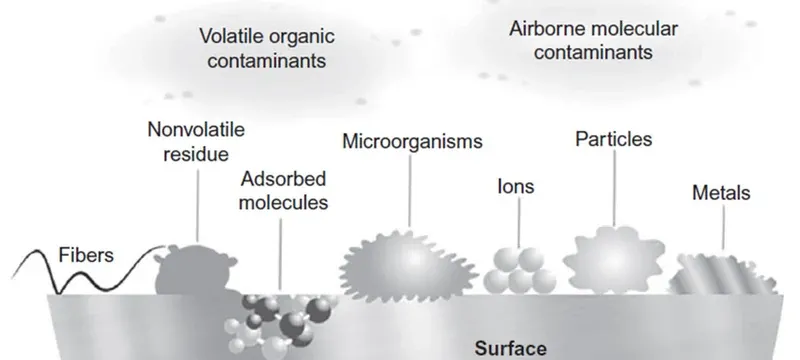
- Particulates: Dust and airborne particles
- Microorganisms: Bacteria and viruses
- Chemical Vapors: Residual solvents and gases
Physical particles: airborne particles, dust, skin flakes, fibers and smoke. In semiconductors to control the airborne molecular contamination, particles such as acids, bases, organics as well as other dopants must also be taken into account. The pharmaceutical cleanroom needs to check both settle plates and active air samples at all times, especially iso 5 aseptic environments where microbial counts could greatly vary based on the method of monitoring and GMP annex.
Chemical vapors: made of residual solvents and gases along with cleaning products and volatile organic chemicals. This can result in product damage, erroneous results and cross contamination.
How Cleanrooms Work
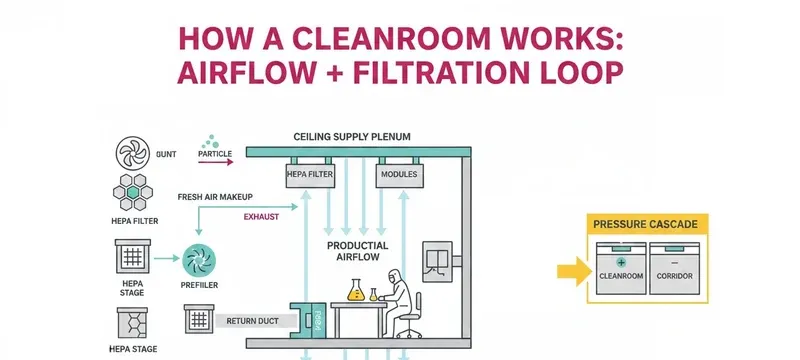
There are three principles that cleanrooms used for the purpose of contamination control: filtration, controlling the pressure and organizing the airflow. HEPA filters can minimize the number of particles to 99.97% (for particles of more than 0.3 microns), while ULPA filters lower this number to 99.999% (for particles over 0.12 microns). The clean rooms are kept at higher pressure than the adjacent non-clean areas within the pressure cascade causing the air to flow from clean rooms to less clean ones. In the case laminate airflow is applied in the main contamination area while turbulent flow is used in lower classification passenger areas. According to Deiiang with 15 years of experience in the field, most of contamination comes from cleaning personnel (over 75% of total contamination level), thus the safe and efficient movement of personnel is one of the first steps of ensuring the clean room safety.
By adhering to international standards such as ISO 14644, cleanrooms can effectively manage these contaminants, ensuring the integrity of the products being manufactured.
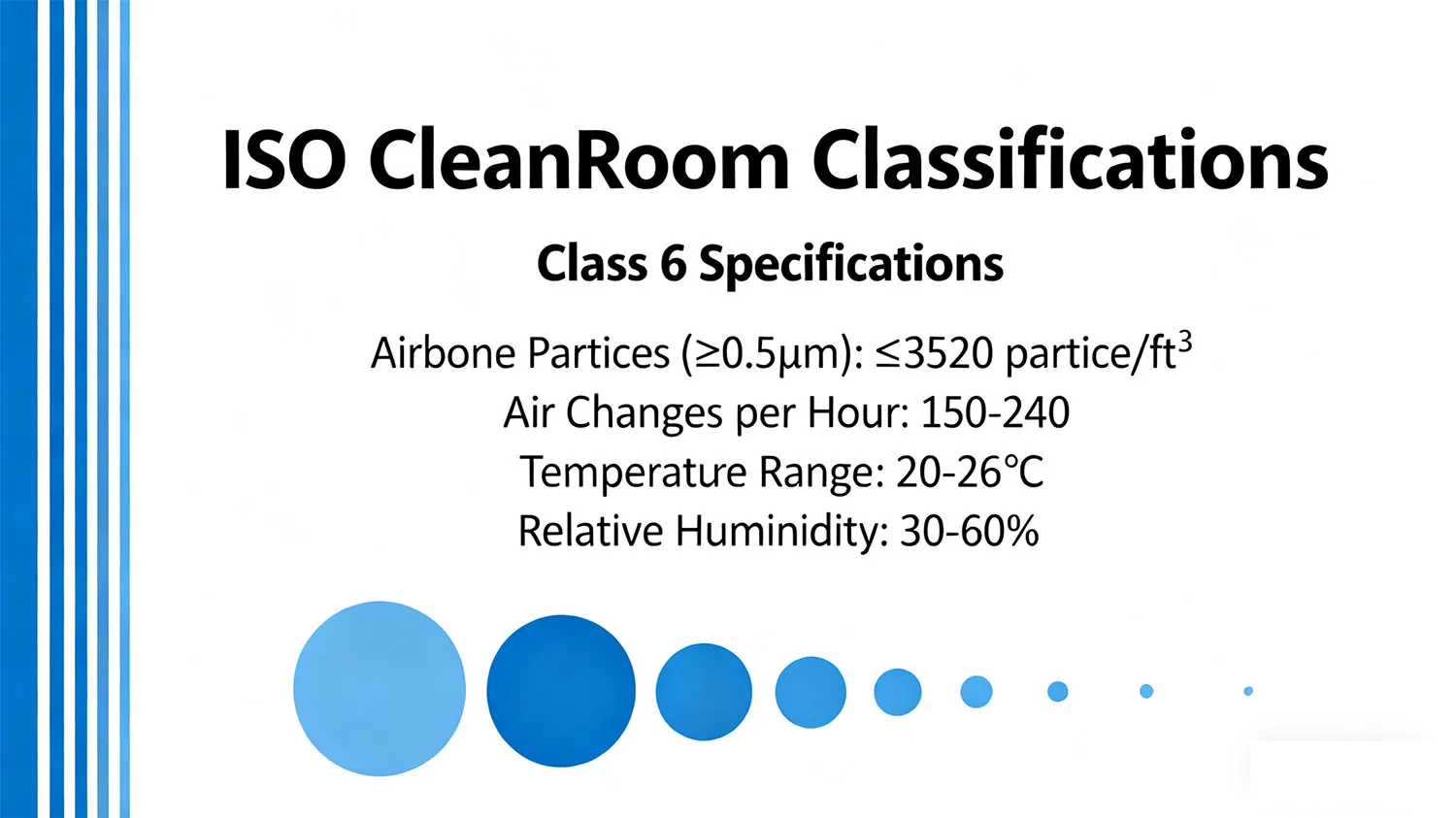
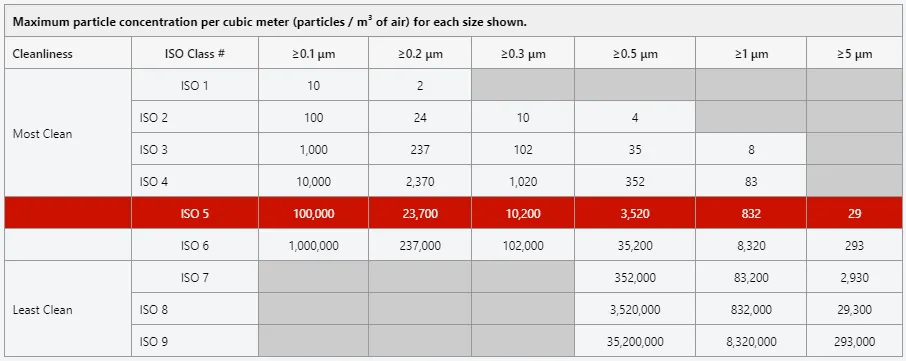
cleanroom class comparison (iso 5 – iso 8)
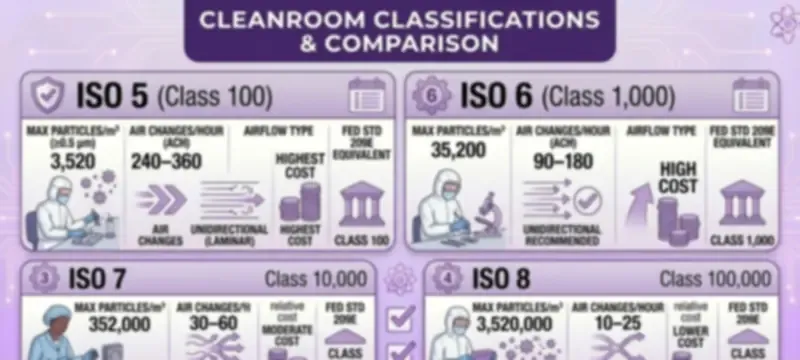
| iso class | ≥0.5 μm particle count | Approximate air changes/hour | Static pressure | Common uses | PPE level |
|---|---|---|---|---|---|
| ISO 5 | 3,520 particles/m³ | 240-480 | 10-15 Pa positive to the next lower class | Aseptic filling, sterile mixing, semiconductor lithography | Full coveralls, cap, facial mask, goggles, gloves, boots |
| iso 6 | 35,200 particles/m³ | 90-180 | 10-15 Pa positive to the next lower class | Sterile mixing, biologics, important sites for medical devices | Full coveralls, cap, facial mask, gloves, boots |
| iso 7 | 352,000 particles/m³ | 30-60 | 10 Pa positive to the next lower class | Sterile mixing background, IVD rooms, electronics | Coveralls, cap, facial mask and gloves |
| ISO 8 | 3,520,000 particles/m³ | 15-25 | 5-10 Pa positive with the next uncontrolled area | Packing, electronics assembly, food and beverage manufacturing | Lab coat or coveralls, cap, gloves if necessary |
Note: Air changing speed and pressure metrics shall be considered only as design references and not the obligatory ISO requirements. The ultimate configuration will always depend on processes, equipment and location as well as local GMP standards.
Product Quality Assurance
Cleanrooms are integral to ensuring product quality. In industries such as pharmaceuticals, even minor contamination can lead to significant quality control issues. Cleanrooms help maintain consistent production environments that are essential for meeting regulatory requirements and customer expectations.
Benefits of Quality Assurance in Cleanrooms:
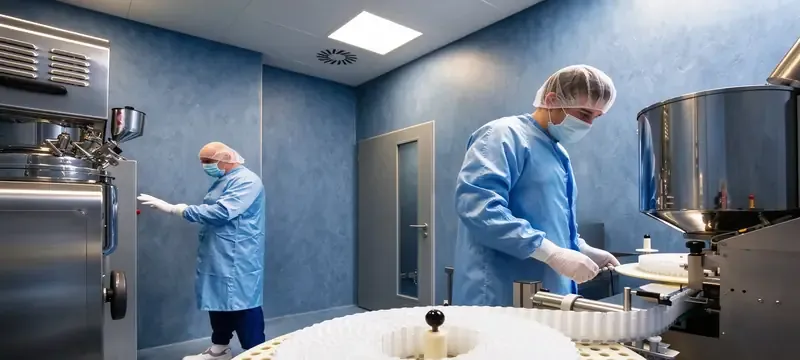
- Regulatory Compliance: Adhering to Good Manufacturing Practices (GMP). The requirements for documentation, validation, and environmental monitoring differ from market to market, and Deiiang can assist clients in adapting cleanroom design based on the targeted market.
- Reduced Defects: Minimizing the risk of product recalls. An iso 5 cleanroom can help reduce germs and microorganisms by at least 90% in sterile pharmaceuticals if compared to unprotected surroundings. For example, in one project in Guangdong, the ISO 5 aseptic filling cleanroom deployed by Deiiang helped the pharmaceutical company to acquire the EU GMP Annex 1 certification and to decrease the amount of nonconforming sterile goods by 92%.
- Increased Reliability: Building trust with consumers and stakeholders with the help of uniform quality of the batches and lower deviations.
- Brand Reputation: Maintaining high standards for customer satisfaction and avoiding the costs associated with the recalls.
The quality chain suggests that contamination leads to faults, and faults lead to rejection or recall, while recalls lead to direct costs, regulatory affairs, and brand loss. Cleanrooms break this chain right from the source.
Companies like Deiiang emphasize the importance of maintaining rigorous quality assurance protocols within cleanrooms to adhere to industry regulations.
Enhanced Research and Development
In research and development (R&D) sectors, cleanrooms provide an environment conducive to innovation. Researchers need to ensure that their experiments are not affected by external contaminants. Whether developing new drugs or advanced electronic components, a cleanroom allows for precise and reproducible results.
R&D Benefits in cleanroom environments:
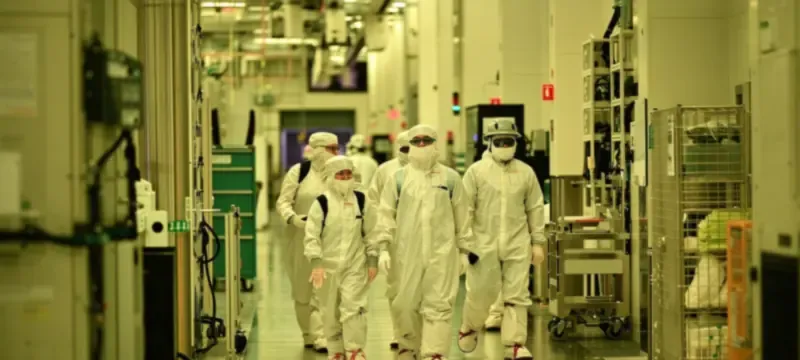
- Controlled Variables: Consistent environmental conditions for experiments
- Improved Collaboration: Facilitating interdisciplinary research without contamination concerns
- Accelerated Development: Faster innovation cycles due to reliable conditions
Biopharmaceutical cell cultures, as well as CAR-T research, may require ISO 7 or ISO 6 environments to avoid contamination with microbes or prevent cross-contamination among batches. Semiconductor photolithography and advanced packaging may require ISO 5 or even higher class of cleanrooms in order to protect the most important sections against pollution and AMC.
ISO 17025 international standards for testing and calibration laboratories, as well as GLP (Good Laboratory Practice), provide support for the concept of quality in R&D organizations and show the importance of maintaining controlled cleanroom environments.
Safety and Compliance
Um0VA6iycY4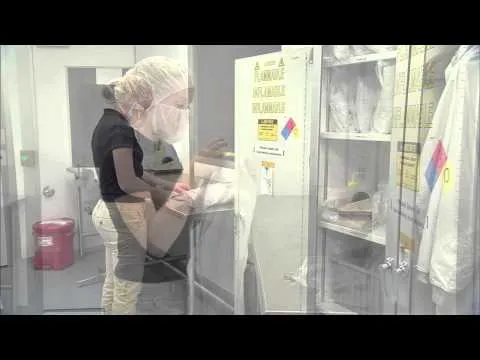
Cleanroom safety encompass personnel safety, product safety and process safety. Safety for personnel saves operators from the hazardous materials; product safety prevents microbial, particulate and chemical contamination; process safety controls ESD, flammable vapors, humidity and cross contamination. Cleanrooms help mitigate risks associated with hazardous materials and processes. They provide a controlled atmosphere where personnel can work safely without exposure to harmful contaminants.
Personal Protective Equipment (PPE)
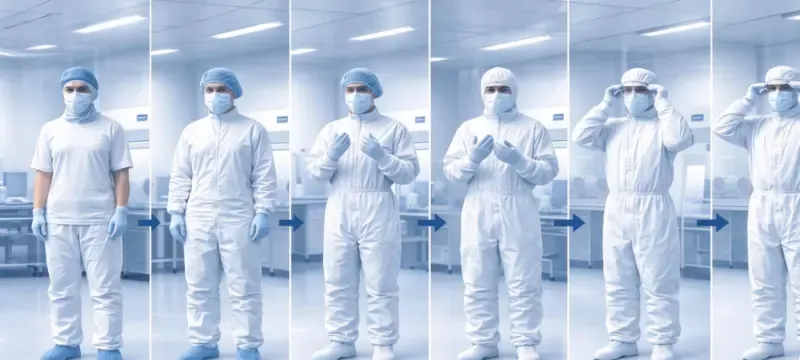
Required to minimize contamination risks and protect both products and personnel. ISO 5 area normally calls for full suits, hood, face masks, goggles, gloves and boots; ISO 7 area usually requires suits, hood, masks and gloves; in ISO 8 area, depending on the operation process, lab coats, hair caps and shoe covers can be used.
Controlled Access
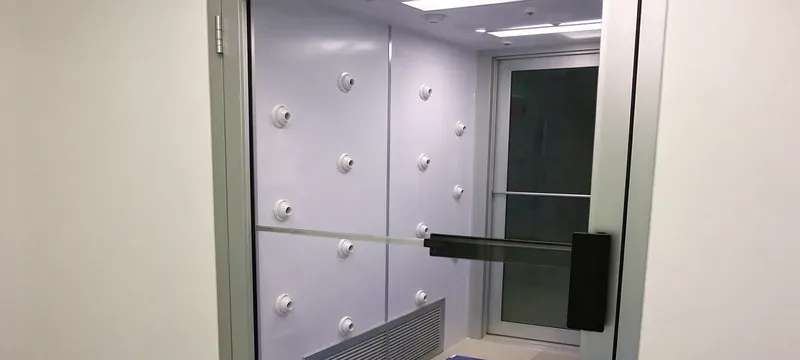
Limiting entry to authorized personnel only to maintain environment integrity. A good controlling system would include the use of airlocks, interlock system, separation of personnel flow and material flow, and the implementation of good gowning practices.
Regular monitoring
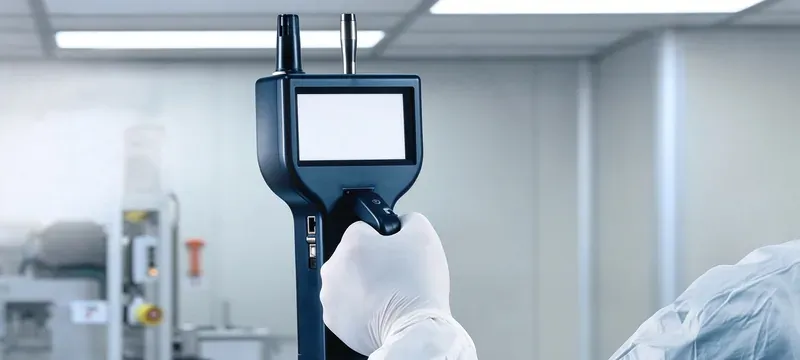
Ensuring compliance with safety regulations through continuous assessment. Key monitoring parameters include particle concentration, temperature, relative humidity, room pressure difference, settle plates and surface microbiological assay. Monitoring frequency depends on ISO class, GMP requirements and potential risk levels.
ESD Control
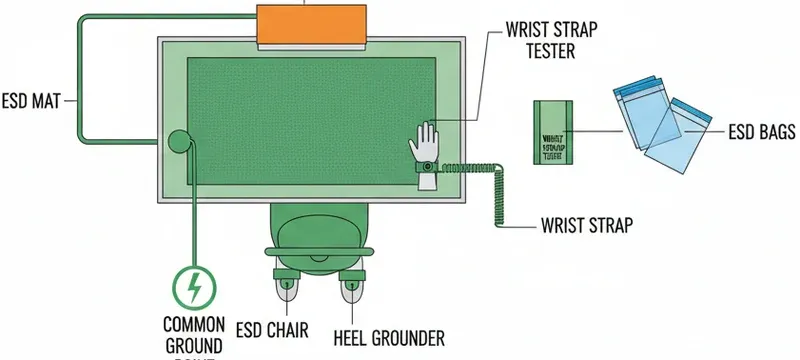
The most important safety and yield requirement in electronics cleanrooms is ESD control. Use of conductive or dissipative floor, wrist straps, grounding workstations and humidity control helps to prevent ESD damage.
Humidity Management
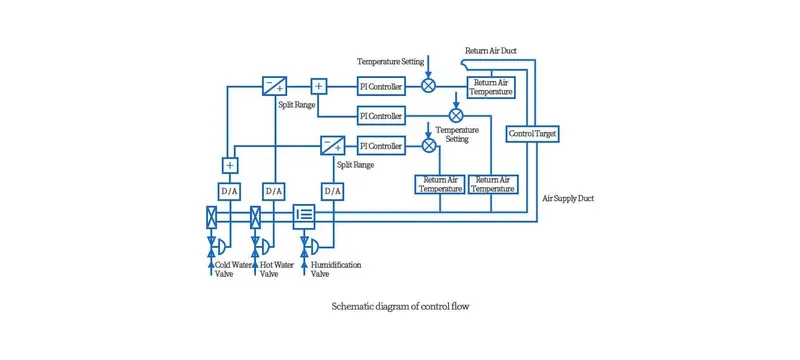
Managing high humidity levels becomes an issue in regions with high humidity like South China. Deiiang desiccating solutions enable the maintenance of an optimal humidity level between 40% and 60% relative humidity which helps to prevent both damage caused by microorganisms and damage from moisture.
Deiiang provides advanced CleanRoom solutions that integrate safety features with compliance to international standards, ensuring a secure environment for all personnel.
Cost Efficiency and Operational Excellence
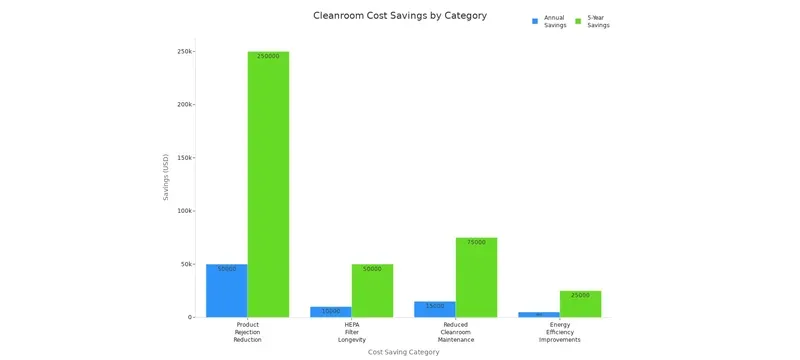
Investing in cleanroom technology can lead to long-term cost savings. By reducing defects and ensuring product quality, companies can decrease waste and improve operational efficiency. Cleanrooms enable organizations to streamline their processes and reduce the need for rework or recalls.
It is critical to evaluate the efficiency of investment in clean room technologies not only in terms of construction but in terms of total cost of ownership and return of investment as well. The initial investment consists of design, construction, and so on. Operating expenses are usually stated in terms of energy, cleaning and labor costs, and of course, equipment operation. The benefits can be described as a lower level of defects, better quality of products, and the quick approval of the project. It is worth noting that there is a timeframe for the projects' payback that varies between 18 and 36 months depending on the industry.
Economic Advantages of Cleanrooms:
- Lower Defect Rates: Minimizing production errors
- Increased Yield: Maximizing output through controlled processes
- Long-Term Savings: Reducing costs associated with contamination-related issues
Common Selection Pitfalls
One of the most common mistakes is chasing a higher cleanliness class than what is needed. According to Deiiang’s operational results, the energy consumption of cleanrooms of class iso 5 is 3 to 4 times higher than that of cleanrooms of class ISO 8. Proper class matching could save on operating costs by up to 30% in the long run. Hidden costs include low-cost bidding which leads to oversized ventilation systems, poor airflow designs, difficult validation process, and higher energy consumption.
Standards Compliance
When it comes to medical devices, ISO 13485 draws a link between cleanroom conditions control and the requirements of quality management system validation, traceability, and risk management. Adhering to these standards can further enhance operational excellence within cleanroom environments, enabling companies to maintain a competitive edge.
Conclusion
In summary, cleanrooms are essential for various industries, providing controlled environments that ensure product quality, safety, and compliance with international standards. Their role in contamination control, product assurance, R&D, safety, and cost efficiency cannot be overstated. As an executive director unit of the Guangdong Cleanroom Industry Association with 15 years of R&D and engineering experience, Deiiang contributes to this essential infrastructure by providing end-to-end innovative cleanroom solutions — from design, construction to validation and operation management — that meet the highest standards of cleanliness and operational excellence.
cleanroom class Selector
Select your industry and process to get a preliminary recommendation.
Recommended ISO class: ISO 5
Typical air change: ACH">240 - 480 ACH
Mean pressure difference: 10 - 15 Pa (positive to lower class)
Estimated construction cost range: $1,800 - $2,500 / m²
Note: For guidance only. Final design should be based on process requirements, GMP standards and location conditions.
Frequently Asked Questions
What is a cleanroom?
A controlled environment designed to minimize contamination through filtration, pressure control and regulated airflow, adhering to standards such as iso 14644.
What industries use cleanrooms?
Pharmaceuticals, biotechnology, electronics, medical devices, food processing and aerospace.
What are the main contaminants in cleanrooms?
Particulates (dust, skin flakes, fibers), microorganisms (bacteria, viruses), and chemical vapors (residual solvents, VOCs). For semiconductor facilities, airborne molecular contamination (AMC) is also a critical concern.
How are cleanrooms classified?
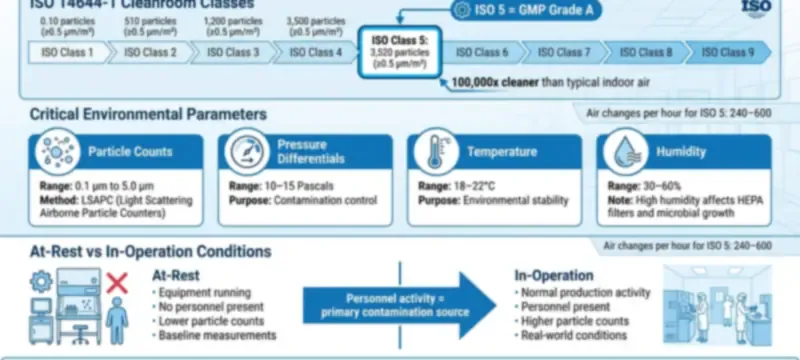
Cleanrooms are classified according to iso 14644-1 based on airborne particle concentration, ranging from ISO 1 (cleanest) to ISO 9 (least controlled). gmp classification (A/B/C/D) adds additional requirements for microbial control, documentation and operational procedures.
What is the best method for determining ISO class for my cleanroom?
To select the right ISO class for your cleanroom, start with the process risk assessment rather than choosing preferred ISO class. Define the type of product you deal with, how sensitive it is to contamination, and what the market and crucial operations require. For instance, for aseptic filling, ISO 5 in operation and ISO 7 in the background are usually needed. Cleanroom reference standards generally include ISO 14644-1 for classifications, iso 14644-2 for monitoring parameters, iso 14644-3 for test methods under cleanroom standards, EU GMP Annex 1, FDA 21 CFR Part 211 and China GMP specifications. General acceptance tests include examining airborne particle counts, airflow rates, pressure differentials, filter integrity, temperature and humidity.
What is the importance of PPE in cleanrooms?
PPE protects products from personnel-related contaminants (which account for over 75% of total contamination) and protects personnel from hazardous materials. Required PPE varies by cleanroom class, from full coveralls in ISO 5 areas to basic lab coats in ISO 8 areas.
How often should cleanrooms be cleaned?
Cleaning frequency is determined by the ISO class as well as usage. According to the on-site cleaning experiences of Deiiang, an iso 5 cleanroom requires surface cleaning every day and deep cleaning once in a week, while iso 7 cleanrooms need to be cleaned every day for basic cleaning and every two weeks for deep cleaning; iso 8 cleanrooms should also be cleaned every day for surface cleaning and must have a deep cleaning once a month. Increased risk of contamination, work schedules, and GMP criteria could mean more frequent cleaning needs.
What is the difference between ISO 14644 and gmp cleanroom classification?
ISO 14644 classifies cleanrooms based mostly on airborne particulate buildup. gmp classification adds requirements for microbial control, gowning, airflow, pressure differences, cleaning, validation and documentation. Thus, a room may achieve the ISO 14644 requirements numerically, but still not meet GMP requirements.
How much energy do cleanrooms consume?
Energy usage for cleanrooms depends on numerous factors such as ISO class, total area, air change rates, type of outdoor climate and HVAC design. Energy use is always higher for cleanroom classes that are higher in number. For example, an ISO 5 cleanroom can consume between 3 & 4 times more energy than an iso 8 cleanroom per unit area. Additionally, making sure that the class chosen suits the needs of the cleanroom, using variable frequency drives, heat recovery and effective dehumidification can help in decreasing costs.
What should I do if cleanroom pressure fails?
The initial steps to take should verify door status, airlock interlock, HVAC fan operation, filter loading and duct leakage. A verification of the pressure and control setpoints must be made. It is important to restore designed pressure cascade without failure and to document it. If failure is associated with any aseptic zone, then deviation and CAPA steps must be taken.
What is the role of Deiiang in cleanroom management?
Deiiang supplies advanced cleanroom products and technologies – from design and construction to validation and operation management. As the executive director unit of the Guangdong cleanroom industry association with 15 year history in R&D and engineering, Deiiang helps its customers in pharmaceutical, electronic and biotech industries achieve compliance as well as reduce costs.
What standards must cleanrooms comply with?
Core standards include iso 14644 series for cleanroom classification and testing, EU GMP Annex 1 for sterile pharmaceutical production, FDA 21 CFR Part 211 for US GMP compliance, ISO 13485 for medical devices, and ISO 17025 for testing and calibration laboratories.
Authoritative Standards References
- iso 14644-1:2015 Cleanrooms and controlled environments – Part 1: Classification of air cleanliness by means of particulate contamination.
- EU GMP Annex 1: Production of sterile medicines.
- FDA 21 CFR Part 211: Current good manufacturing practice.
- ISO 13485:2016 Medical devices – Quality management systems – Requirements for compliance with various laws.
- ISO 17025:2017 General requirements and law compliance for testing and calibration laboratories.