+86 13638632902
 Jason@cleanroomequips.com


 MENU
MENU
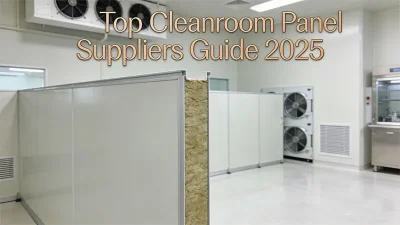
Why Choosing the Right Cleanroom Panel Supplier Matters in 2025
In the current market, too many project managers still treat cleanroom panels as a commodity—just "walls to hold the roof up." But as we move into 2025, with GMP Annex 1 revisions tightening contamination control strategies and semiconductor nodes hitting new extremes, that mindset is a liability.
Your choice of cleanroom panel supplier isn't just a procurement decision; it's a compliance decision.
The Real Cost of "Good Enough"
I've seen it happen on site too many times. A project team saves 15% upfront by choosing a supplier based solely on price per square meter. It looks like a win on the spreadsheet. But the reality hits during commissioning:
- Panel Flatness Issues: Slight bowing that you can't see with the naked eye but creates turbulence during smoke studies.
- Sealing Failures: Joints that degrade after the first few cycles of VHP (Vaporized Hydrogen Peroxide) sterilization.
Just last year, we consulted for a biotech facility that had to delay validation by four months because their "budget" panels couldn't hold the required pressure differential. The cost of that delay? It dwarfed the initial savings by a factor of ten.
At Deiiang™, we argue that your panels are the first line of defense for your product yield. You need a supplier who understands the physics of your cleanroom, not just the dimensions.
Cleanroom Failure Risk Analysis
As shown, panel-related issues account for nearly half of all cleanroom failures. That's why vetting cleanroom panel suppliers carefully is non-negotiable.
When you're evaluating potential cleanroom panel suppliers, remember you're not just buying panels - you're investing in the integrity of your controlled environment. The best cleanroom panel suppliers understand this and act as true partners, not just product sellers.
What Do Cleanroom Panel Suppliers Actually Provide?
Supplier ≠ Panel Seller
Let’s be precise. If you think cleanroom panel suppliers are just vendors shipping pallets of steel sandwiches, you’re setting your project up for integration headACHes.
At Deiiang™, our lead designer Jason.peng often corrects clients during the design phase: "We aren't just selling you a wall; we are engineering your airtight envelope."
What does that mean in practice? It means that top-tier cleanroom panel suppliers don't just look at the panels; they obsess over the connections. We focus on the aluminum profiles, the radius corners (coving), and how the door frames interface with the wall system to ensure zero leakage.
If your current cleanroom panel suppliers aren't reviewing your shop drawings to check for clashes between the ceiling grid and your HVAC ducting before production, they aren't doing their job. They are just moving boxes.
Typical Supply Scope Explained
Here's where the rubber meets the road. When we talk about "supply depth," we're referring to how much of the complete solution a supplier provides. Let me break it down:
Panel Materials & Structures
Not just the panels themselves, but the right core material for your specific application (more on that later).
Ceiling & Wall Systems Compatibility
How panels integrate with HEPA filters, lighting, and other cleanroom components.
Profiles, Sealing & Accessories
The "connective tissue" that makes your cleanroom airtight and structurally sound.
Technical Drawings & Project Support
Helping you visualize and plan before a single panel is manufactured.
Cleanroom Panel System Supply Scope
A true cleanroom panel supplier provides the complete ecosystem, not just individual components.
Types of Cleanroom Panel Suppliers in the Global Market
Supplier Classification Logic
Let’s stop judging suppliers by their flag and start judging them by their factory floor. The global map is misleading. We all know the industry secret: many prestigious "Western" brands are actually just sourcing from the same high-end Asian cleanroom panel suppliers that you could be dealing with directly.
They call it "white-labeling"; we call it paying a 40% markup for a logo.
At Deiiang™, we believe the only classification that matters is Manufacturing Depth. Are you talking to a broker who has to email a factory to ask if a custom window size is possible? Or are you talking to cleanroom panel suppliers who own the steel decoiling line and can re-calibrate the machine for your project this afternoon?
That direct line to production isn't just about saving money—it's about control.
Main Supplier Types
| Supplier Type | Manufacturing Capability | Project Risk | Best For |
|---|---|---|---|
| Panel Manufacturers | High (in-house) | Low | Large projects, custom requirements |
| Cleanroom System Solution Providers | Medium-High | Low | Turnkey projects, technical complexity |
| Local Installers | Low (installation only) | Medium | Small projects, quick turnaround |
| Trading Companies | None (resellers) | High | Budget projects with minimal technical requirements |
From my experience working with clients worldwide, I'd recommend working directly with panel manufacturers or system solution providers for projects over 500 m². The cost savings from avoiding middlemen typically range from 18-25%, and you get direct technical support. For smaller projects, reputable local installers might be more practical.
Core Capabilities to Evaluate Cleanroom Panel Suppliers
Compliance & Certifications
Let's talk certifications - the "alphabet soup" that actually matters. When evaluating cleanroom panel suppliers, don't just check for certifications; understand what they mean for your project. iso 14644 isn't just a fancy certificate; it's your ticket to validation success.
Standards & Industry Applications
Pharmaceutical
Regulatory compliance for pharma
EU Markets & Safety
Market access & fire safety
Core Material Diversity: Why It Matters
Here's where many cleanroom panel suppliers fall short: offering only one or two core materials. At Deiiang™, we manufacture 8+ different core materials because no single solution fits all applications. Pharma needs chemical resistance, electronics needs ESD protection, and biotech needs cleanability.
Machinemade Cleanroom Panels
These are produced on automated lines with consistent quality. Perfect for large projects where uniformity matters. Our Deiiang™ machinemade panels include:
MGO Cleanroom Panel
High strength, moisture resistant
MGO Rock Wool Cleanroom Panel
Fireproof with thermal insulation
Rock Wool Cleanroom Panel
Excellent sound absorption
PU Cleanroom Panel
Lightweight with good insulation
Silica Cleanroom Panel
High temperature resistance
Handmade Cleanroom Panels
For specialized applications where customization is key. At Deiiang™, our handmade options include:
Handmade Cleanroom Panel Standard
Custom sizes and thicknesses
Handmade Cleanroom Panel Electrolysis
ESD protection for electronics
Inorganic Pre-Coated Handmade Board
Chemical resistance for labs
Machinemade vs Handmade Panels Comparison
| Criteria | Machinemade Panels | Handmade Panels |
|---|---|---|
| Flatness | Excellent (±0.5mm) | Good (±1.5mm) |
| Strength | High, consistent | Variable by batch |
| Customization | Limited to standard sizes | Highly customizable |
| Cost per m² | $85-150 | $120-200+ |
| Lead Time | 2-3 weeks | 4-6 weeks |
Fire Resistance & Safety Performance
Fire safety isn't just about compliance; it's about protecting your investment and people. Different core materials have different fire resistance properties. For example, our MGO rock wool panels achieve Class A fire rating (non-combustible), while some PU panels might only reach Class B.
Fire Test Performance
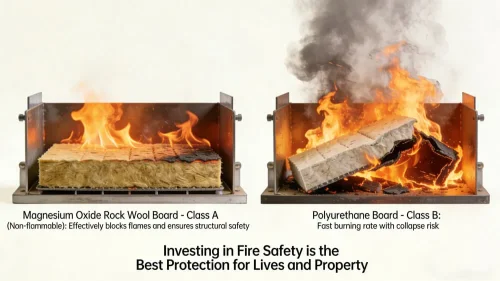
Fire testing is crucial when evaluating cleanroom panel suppliers. Ask for test reports from accredited laboratories.
Here's a pro tip: Insurance premiums for facilities with Class A fire-rated panels can be 15-20% lower. Over 10 years, that savings often exceeds the upfront cost difference. The best cleanroom panel suppliers will help you understand these total cost implications.
Manufacturing Capability: How to Verify a Supplier's Real Strength
Automated Production Lines
Let me be blunt: if a supplier doesn't have automated production lines, walk away. In 2025, manual production simply can't achieve the consistency needed for modern cleanrooms. At Deiiang™, our automated lines maintain tolerances of ±0.3mm - critical for airtightness.
Here's why 1mm matters: In a Class 100 Cleanroom (iso 5), that seemingly small gap can allow 500-1000 particles ≥0.5μm per cubic meter to infiltrate. That's the difference between passing and failing validation. Top cleanroom panel suppliers invest millions in automation because they understand this physics.
Production Process: From Steel Coil to Finished Panel
Automated production ensures consistency at every stage. Ask potential cleanroom panel suppliers for factory tour videos if you can't visit in person.
Quality Control & Testing
QC isn't just a department; it's a mindset. At Deiiang™, we test every batch, not just random samples. Here's what to look for when evaluating cleanroom panel suppliers:
Flatness Testing
Using laser scanners to ensure surface deviation < 0.5mm over 3m length. Critical for laminar airflow.
Bonding Strength Testing
Peel tests to ensure steel-to-core adhesion > 0.6MPa. Prevents delamination over time.
Airtightness Inspection
Pressure differential tests to verify seam integrity under ±500Pa conditions.
Load Bearing Test
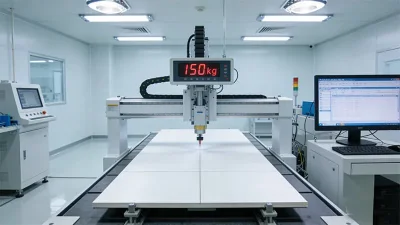 Load: 150kg/m²
Quality cleanroom panel suppliers conduct regular load tests to ensure structural integrity.
Comparing Cleanroom Panel Suppliers: Beyond Price
Local vs Global Suppliers
Let’s nuance the "automation" debate. If you are building a 20,000m² electronics factory, then yes—you absolutely need fully automated lines. Speed and consistency are king. At Deiiang™, our automated systems hit tolerances of ±0.5mm, which is essential when you're installing panels by the kilometer.
However, don't be fooled into thinking machines are the only answer. For complex pharmaceutical suites with embedded conduits and custom returns, Handmade Panels are often superior.
The real test isn't just "do they have robots?" It's "do they have the right tool for your specific job?"
That said, for the bulk of your wall system, consistency is non-negotiable. A 1mm gap might look small on a drawing, but under positive pressure, it’s a particle highway. That’s why top-tier cleanroom panel suppliers will always invite you to audit their QC process—whether it's laser-measured automated lines or their manual welding stations.
Total Cost of Ownership (TCO)
Here's where many buyers get tripped up. The panel price per m² is just the tip of the iceberg. Let me break down the real costs:
| Cost Component | Budget Panel ($85/m²) | Quality Panel ($120/m²) | Difference |
|---|---|---|---|
| Panel Cost (1000m²) | $85,000 | $120,000 | +$35,000 |
| Installation Time | 220 hours | 180 hours | -40 hours |
| Rework/Modifications | 12% of project | 3% of project | -9% |
| Energy Efficiency (10 yrs) | $45,000 | $32,000 | -$13,000 |
| 10-Year TCO | $162,000 | $155,000 | -$7,000 |
See the paradox? The "cheaper" panels actually cost more over 10 years. That's why savvy facility managers look beyond initial quotes when evaluating cleanroom panel suppliers. They ask about energy efficiency, installation efficiency, and lifecycle costs.
Quality Comparison: Standard vs Premium Panels
Standard Panel Issues
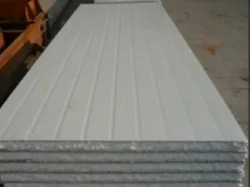
Uneven seams
Premium Panel Advantages
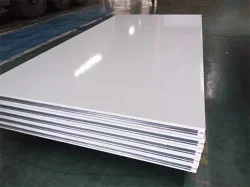
Seamless appearance
The visual difference reflects underlying quality differences in manufacturing precision.
Global Top Cleanroom Panel Suppliers: Market Recognition
Let's talk about the players in the field. I've compiled a list of well-known cleanroom panel suppliers based on market presence and project references. Remember, this isn't a ranking - different suppliers excel in different areas. Some are premium specialists, others are volume manufacturers.
Global Cleanroom Panel Supplier Distribution
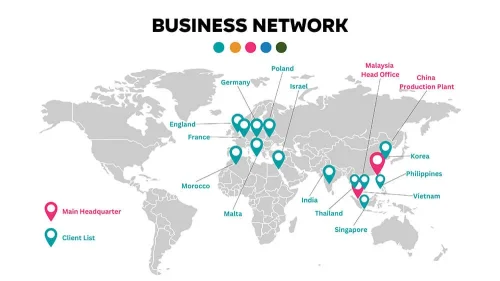
Asia has become the manufacturing hub for cleanroom panels, but suppliers operate globally.
Well-Known Cleanroom Panel Suppliers Worldwide

Terra Universal
USA
Known for modular cleanroom solutions and technical support for complex projects.
Website →
Gilcrest
USA
Specializes in cleanroom wall and ceiling systems with focus on pharmaceutical applications.
Website →
Nicomac
Italy
Italian manufacturer with strong presence in European pharmaceutical and biotech markets.
Website →
Deiiang™ Cleanroom System
China (Global)
Engineering-oriented manufacturer with 8+ core material options. Product designer: Jason.peng. Known for technical customization and global project support.
Website →When reviewing these cleanroom panel suppliers, stop looking for a "No. 1" and start looking for a "Type A" or "Type B." The market is split. You have the European giants (great for Pharma validation but expensive) and the Asian powerhouses (unbeatable for massive Electronics fabs).
The mistake I see most often? Trying to use a Rolls-Royce supplier for a warehouse job, or vice versa.
Here is a piece of advice I give to every client: Mix and Match.
The most successful projects I've managed didn't just pick one product line blindly. We engaged cleanroom panel suppliers early to run a Value Engineering exercise. For example, we used premium Handmade Panels for the critical ISO 5 filling suites, but switched to standard Machine-made rockwool panels for the iso 8 packaging corridors. That simple strategy—differentiating by risk zone—cut the material budget by 20% overnight.
Why Engineering-Oriented Manufacturers Are Preferred
In this industry, there is a massive difference between a factory that just follows a Bill of Materials and a partner who actually scrutinizes your design. The cleanroom panel suppliers who will dominate in 2025 are the latter—the true problem-solvers.
At Deiiang™, we don't just run production lines; we engineer the envelope.
Real engineering-oriented cleanroom panel suppliers catch the mistakes before the steel coil is cut. We look at your drawings and spot the thermal bridge in the corner detail that will cause condensation. We identify where your panel layout is fighting against the building's seismic expansion joints. We fix it on paper so you don't have to fix it on site.
Real-World Example:
A semiconductor client needed panels for a facility in a high-humidity coastal area. Standard panels would have corroded in 3-5 years. Our engineering team (led by Jason.peng) recommended a customized solution: MGO Panels with additional zinc coating and specialized edge sealing. The cost was 18% higher than standard panels, but the lifespan increased from 5 to 15+ years.
That's the value of engineering-oriented cleanroom panel suppliers: they solve problems you didn't know you had.
This is why collaboration matters. When you work with engineering-focused cleanroom panel suppliers, you are working with partners who speak fluent "validation." We understand that a 200-page technical spec isn't just paperwork;
it's the blueprint for your facility's yield. By designing connections that handle building movement and selecting materials that resist harsh VHP sterilization, we protect your OpEx for the next decade.
How to Shortlist the Right Cleanroom Panel Supplier for Your Project
Alright, let's get practical. You've got a project, you've read this guide, now how do you actually choose from the dozens of cleanroom panel suppliers out there? Here's a battle-tested checklist I've developed over 15 years in the industry:
Supplier Shortlisting Workflow
Initial Screening (Week 1)
Identify 8-12 potential cleanroom panel suppliers based on project scope and geography.
RFQ & Initial Response (Week 2)
Send detailed RFQ to 5-8 suppliers. Evaluate responses for completeness and technical understanding.
Technical Evaluation (Week 3)
Shortlist 3-4 suppliers. Review project references, request material samples and test reports.
Final Selection (Week 4)
Conduct factory visits or virtual tours. Negotiate terms with 2 suppliers. Select winner.
Project References
Ask for 3-5 projects similar to yours in scale and application. Contact those clients directly if possible.
Material Samples & Reports
Get physical samples (not just datasheets). Test them if possible. Review third-party test reports.
Technical Communication
Evaluate how quickly and thoroughly they respond to technical questions. This predicts future support quality.
After-sales & Support
What happens after delivery? Do they provide installation guidance? Spare parts? Technical support during validation?
One more tip: when you've narrowed it down to 2-3 cleanroom panel suppliers, ask for a "design review" meeting. Present a challenging detail from your project and see how each supplier proposes to solve it. The quality of their solution will tell you everything you need to know.
FAQ: Cleanroom Panel Suppliers
Conclusion & Call to Action
We've covered a lot of ground here! Choosing the right cleanroom panel suppliers in 2025 isn't about finding the lowest price; it's about finding the right partner for your specific project. Whether you're building a semiconductor fab, a biotech GMP facility, or a research lab, the principles are the same: evaluate technical capability, manufacturing quality, and long-term partnership potential.
Remember the key takeaways: look beyond price to total cost of ownership, prioritize engineering capability over simple manufacturing, and verify quality through samples and references. The right cleanroom panel suppliers will act as an extension of your team, solving problems before they become costly issues.
Ready to Find Your Cleanroom Panel Partner?
Get personalized recommendations based on your project specifics
Pro Tip: Bring your project drawings for a free BOM and technical recommendations from our engineering team (including Jason.peng at Deiiang™).