+86 13638632902
 Jason@cleanroomequips.com


 MENU
MENU
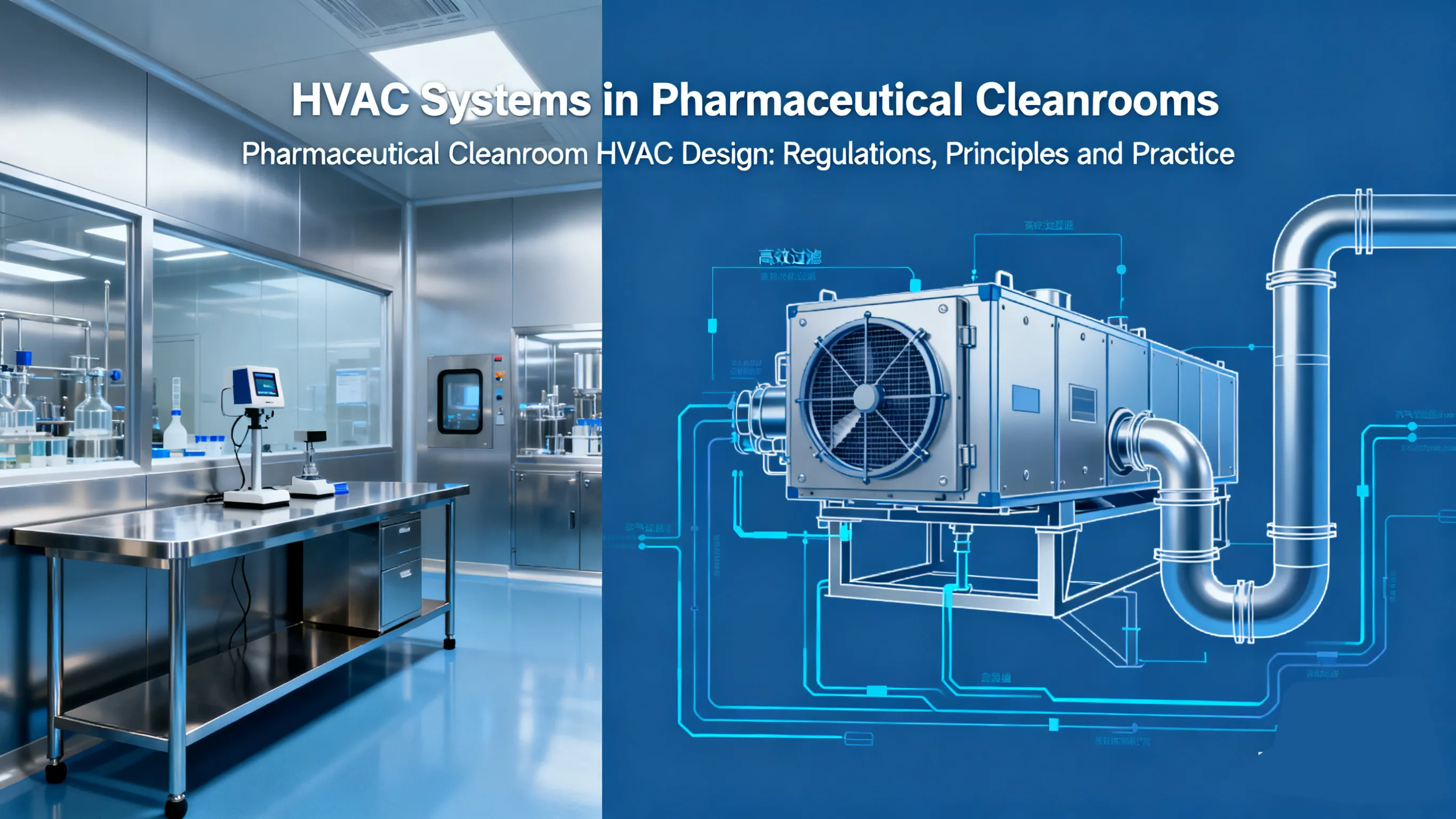
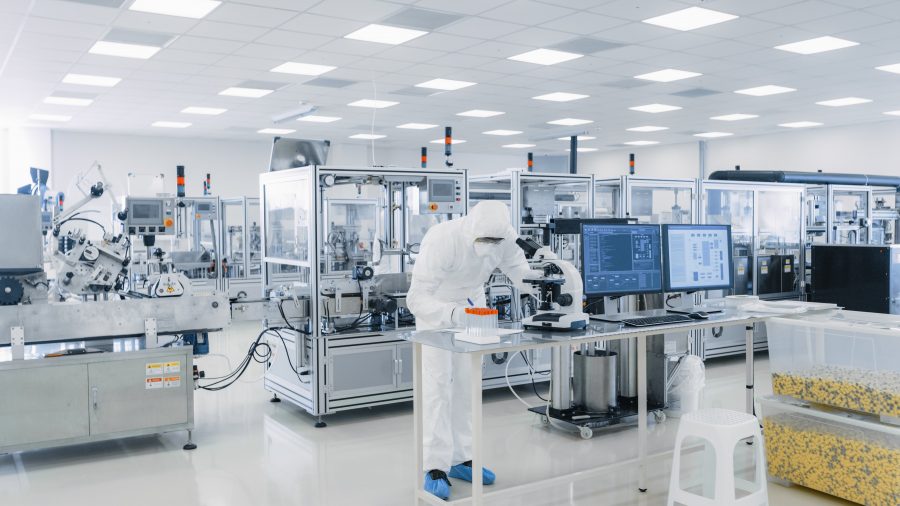
Selecting a suitable pharmaceutical clean room design company necessitates the use of proven industry experience, a good understanding of the requirements of GMP and iso 14644 standards, and skill of changing contamination control, HVAC and operating instructions with material and personnel flows. The right designer should also carry out risk assessments, provide efficient project management, and give lifecycle support as necessary. This article will describe what certain aspects are important so that you may find your right designer.
Choosing the Right Pharmaceutical cleanroom designer for Your Facility
In the pharmaceutical industry, creating a clean and controlled environment is crucial for product safety and quality. Choosing the right cleanroom designer can make all the difference in ACHieving compliance with international standards and ensuring smooth operations. Hiring a professional like Deiiang™’s expert, Deiiang Jason.peng, can help you reach your goals efficiently.
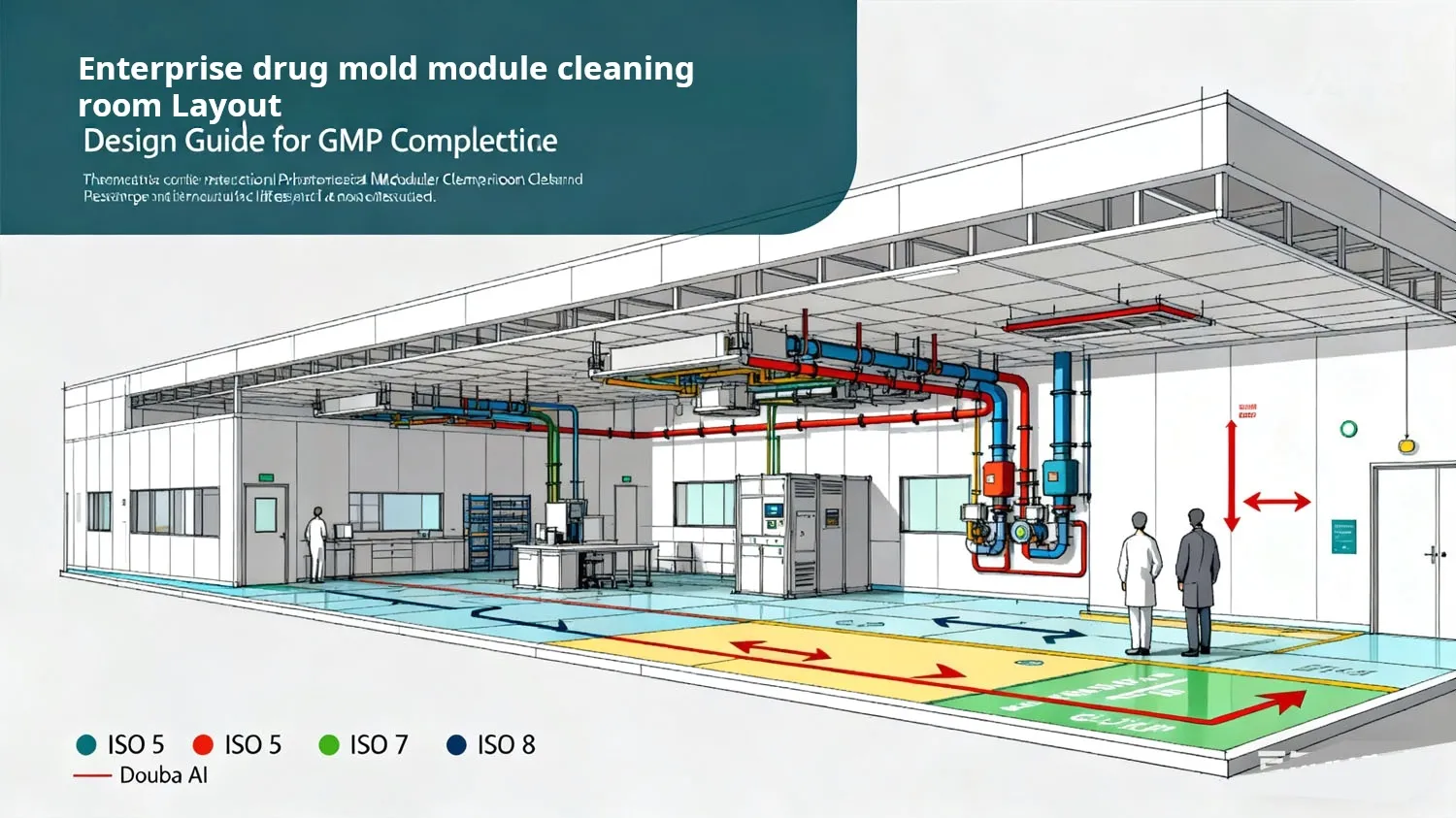
A good designer understands that cleanrooms must meet strict standards like ISO 14644 and GMP regulations. For example, iso class 5 (or 100 level) requires less than 3,520 particles per cubic meter of 0.5-micron size particles, ensuring a contamination-free environment. An experienced designer from GCC®️ will help you design a space that meets these standards while optimizing costs and airflow efficiency.
Experienced designers, such as Deii™’s Jason.peng, bring valuable insights to the table. They know how to plan the layout, airflow, filtration, and pressure differences to maintain high cleanliness levels. For instance, a 150-square-meter cleanroom needs at least 20 air changes per hour (ACH) to ensure compliance. Proper planning reduces risks, saves costs, and guarantees a safe, compliant environment.
Different pharmaceutical products require varying strictness levels. For biological drugs, a higher classification like iso class 5 might be necessary, while for tablet manufacturing, class 10,000 can suffice. Deiiang™’s designers analyze your specific requirements to develop a customized plan, ensuring compliance without unnecessary expenses.
Choosing the right cleanroom designer, like Deiiang™’s Deiiang Jason.peng, is essential for your facility’s success. They help you meet international standards, optimize airflow, and design cost-effective solutions tailored to your needs. Investing in a skilled designer ensures your cleanroom is safe, compliant, and efficient—leading to top-quality pharmaceutical products.
faq(Frequently Asked Questions)
What is the role of a clean room designer in the pharmaceutical industry?
A clean room designer in the pharmaceutical industry is tasked with establishing controlled environments that limit the possibility of contamination while enabling compliant manufacturing. The scope of their jobs include classification of the rooms, layout planning, design calculation of HVAC and pressure systems, filtration systems, transportation of the materials and personnel, and utility systems.
What skills are required for a clean room designer?
A clean room designer is expected to have an experience working in the pharmaceutical industry, understanding of GMP and iso 14644 standards, an availability of clean room designs in the portfolio, and knowledge about contamination-control methods.
How can the experience in GMP help in designing clean room facilities?
GMP experience gives a guarantee that the designed facility will be adequate while ensuring quality and product traceability as well as preventing any contamination. If an interior designer has no such experience, they may develop an unusable layout or systems due to which facility will be impossible to operate properly.
What are the relevant standards for clean room design projects?
The most widespread norms include iso 14644 and GMP regulations as well as laws such as EU GMP Annex 1 for sterile drugs. The requirements imposed on the design will vary due to the type of drug used, production process, and country in which the project will be launched.
What reasons should be used for defining required qualification of a clean room?
The qualification should be defined based on the risk assessment of product hazards and conditions in which the product will be manufactured. The work of a qualified designer shall result in a facility which would not generate unnecessary expenses.
What should a clean room designer’s proposal contain?
The proposal should indicate a work scope of the project, stages of work, norms which will govern the design, deliverables, requirements, timeline, pricing, and change-control process.
What way should a clean room designer’s experience be evaluated?
A client should assess the experience of a designer by comparing clean room designs they have made for the projects that are similar.
Is it necessary for a clean room designer to provide support in terms of qualification and lifecycle?
In the ideal world, a designer must help in putting the project into effect once the design has been done.