+86 13638632902
 Jason@cleanroomequips.com


 MENU
MENU
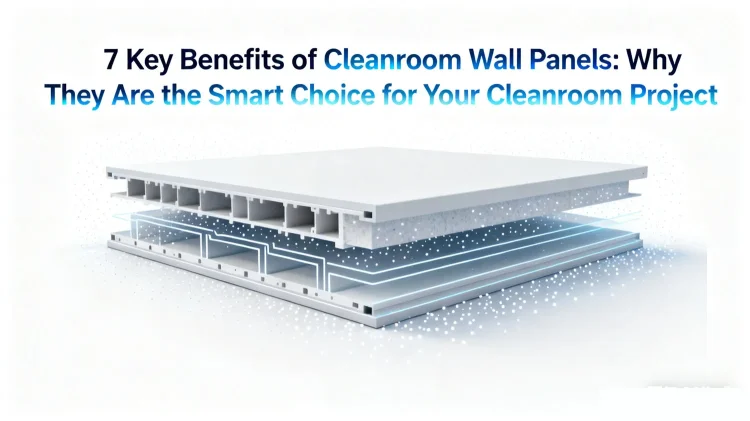
High-performance cleanroom wall panels refer to wall systems that are smooth, sealed, and strong, and they meet the classifications of cleanrooms according to cleanliness. Both GMP and ISO compliance depend on a complete design of the facility, which includes the installation of the panels and documented operations.
The direct answer: high-performance cleanroom wall panels deliver compliance only when the panel specification, the facility design, the cleanroom wall panel installation, and documented operations all align. GMP and ISO alignment is a facility-level outcome, never a panel-only claim.
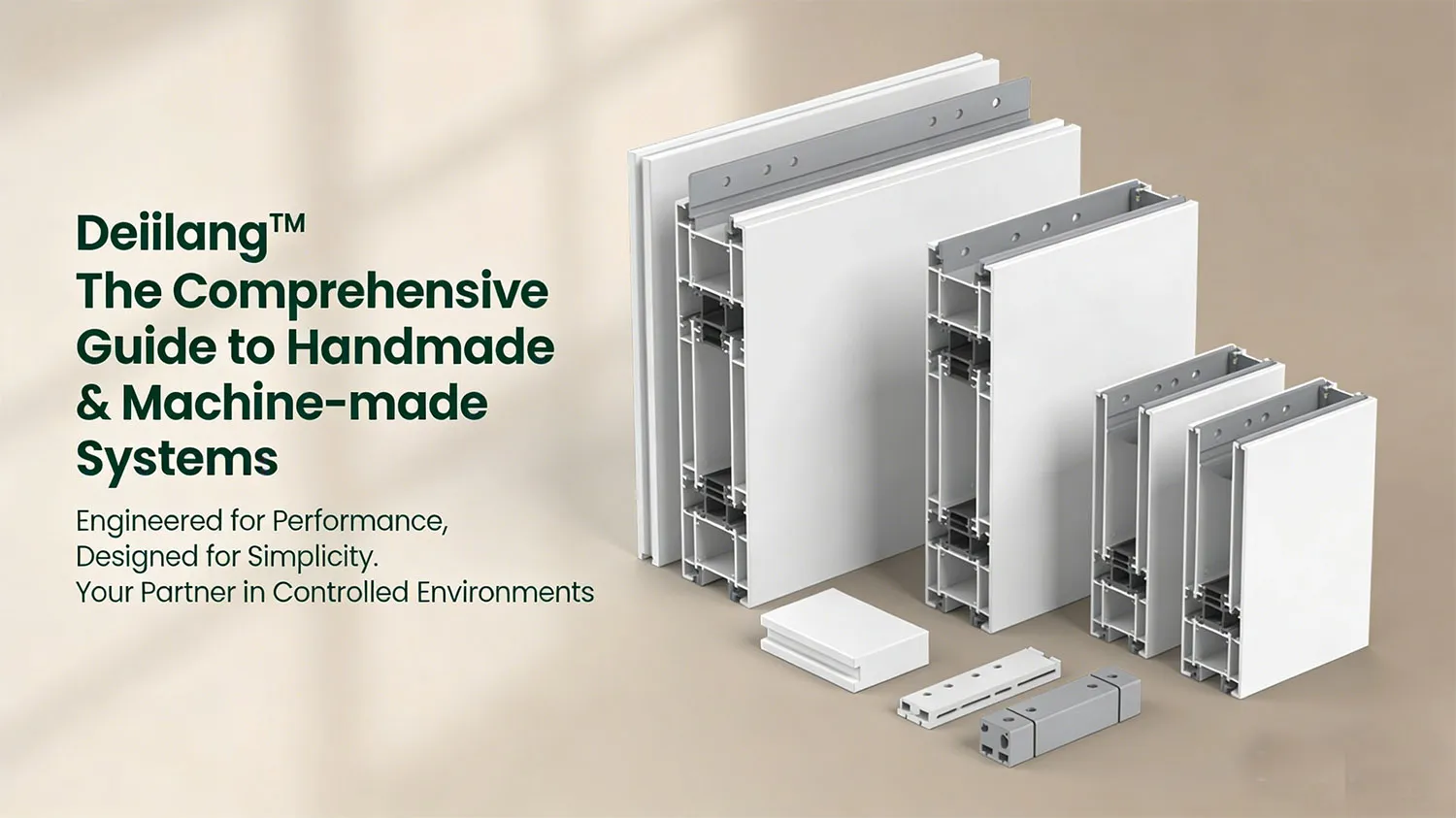
This guide includes the performance specifications, compliance information, cleanroom panel materials, cleanroom wall panel maintenance, cleanroom wall panel system selections, installation of cleanroom wall panels, and maintenance of cleanroom wall panels. Deiiang™ cleanroom wall systems come in sizes from 2m×3m×3m to 10m×8m×3m.
Cleanroom wall panels provide the major barrier for containment in controlled environments, which is why high-performance cleanroom wall panels are specified as a complete system. Therefore, cleanroom wall panels must prevent the shedding of particles from the wall panels, be able to withstand frequent cleaning, and integrate well with HVAC systems, HEPA filter terminals, doors, and installation services.
As noted by Jason.peng (a product designer with Deiiang), panels that follow the specifications of the cleanroom system cannot maintain certification unless the panel properties follow the same technical specifications.
hHYXYBSm2ZA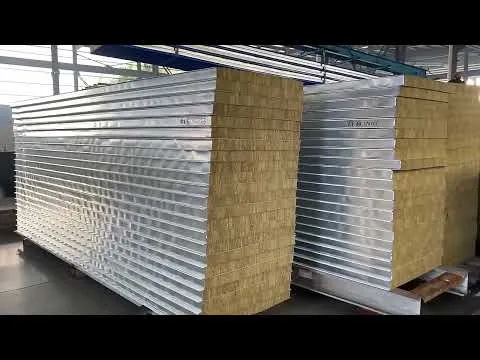
Cleanroom wall panel performance requirements
There are two types of cleanroom wall panel performance requirements: those related to contamination control and those related to structural durability. A cleanroom wall panel can perform well in one of these areas but may fail to perform well in another area, so cleanroom construction panels are always matched to the dominant risk.
For example, coated steel may resist particle build-up while being scratched easily because it has been subjected to heavy traffic and usage. The following summary provides a comparison of high-performance cleanroom wall panels requirements to performance specifications and verification methods.
The distinctions between panel performance and performance of a cleanroom as a whole must be understood clearly.
Table 1: Performance specifications along with relevant proofs and means of verification
| Specification | Importance of specification | Proof of specification | Means of verification |
|---|---|---|---|
| Resistance to shedding | Prevents contamination of surroundings and products | Surface roughness parameters (Ra ≤ 0.8 μm if specified) along with declaration of non-shedding coating | Testing of surface wipes in addition to particle count comparison |
| Cleanability | Ensures that validation of cleaning methods can be accomplished | Chemical compatibility list in addition to smoothness of surface defined as being non-porous | Validation coupon created for cleaning and measurement of cleansing residues |
| Durability against impact or abrasion | Maintains integrity of surface in the midst of traffic | Statement from impact tests (ASTM D2794), and adhesion of coating | Visual inspection will suffice as well as adhesion pull-off measurements |
| Fire safety | Compliance with standard codes of building safety and insurance | Compliance as stated in EN 13501-1 classification and ASTM E84 data | Comparison of test certificates as well as verification of core materials |
| Chemical compatibility | Prevention of degradation of surface due to exposure of cleaning agents | List of materials that are confirmed by the manufacturer as being resistant | Accelerated testing of material under exposure |
| Seal integrity | Is responsible for the maintenance of a pressure differential as well as lack of ingress from contamination | Illustration of sections as per finished sealant | Testing using smoke pencils as well as verification of pressure drop |
| Specification | Importance | Verification |
|---|---|---|
| Resistance to shedding | Prevents contamination of surroundings and products | Surface wipe testing and particle count comparison |
| Cleanability | Ensures validation of cleaning methods | Validation coupon and cleansing residue measurement |
| Durability against impact or abrasion | Maintains integrity of surface in traffic | Visual inspection and adhesion pull-off measurements |
| Fire safety | Compliance with building and insurance codes | Review of test certificates and core material verification |
| Chemical compatibility | Prevents surface degradation from cleaning agents | Accelerated testing of material under exposure |
| Seal integrity | Maintains pressure differential and prevents ingress | Smoke pencil testing and pressure drop verification |
Surface integrity, cleanability, and contamination control
A cleanroom wall panel has to be made of material that allows it to be cleaned without shedding particles. For effective cleaning, cleanroom wall panels must have a smooth, non-shedding finish in order to keep the joints sealed, a defining trait of hygienic wall panels. All coatings must be able to endure cleaning agents like 70% isopropyl alcohol as well as pH neutral detergent.
Claims that lack supporting performance records (e.g. "antimicrobial surface") shall be disapproved during the review process. When it comes to gmp cleanroom panels, the joint itself is the vital component.
Jointing consists of filling a gap of between 3 and 5 mm with smooth, low-shrinkage, elastic sealant, which ensures a non-porous seal. Use of tongue-and-groove designs help to reduce air leakage and ensure pressure differentials in the air flow.
According to Deiiang documentation, pull rivets are spaced 300 mm apart to hold the aluminum configurations in place in order to ensure that the joints are correctly sealed.
Mechanical, fire, and service-life requirements
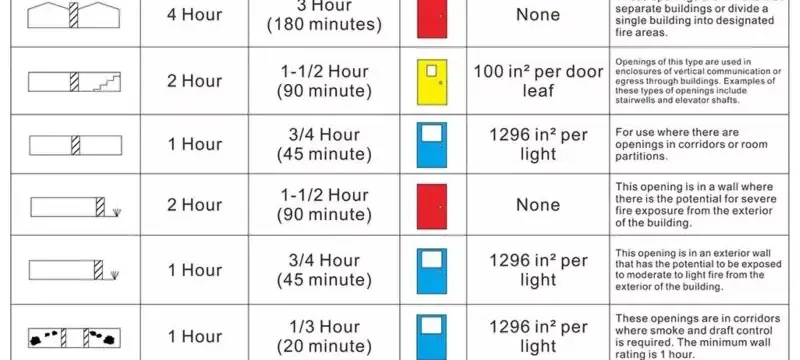
Mechanical performance pertains to impact, abrasion, and load-bearing performance. For instance, a cleanroom wall for use inside a cart passage has to have a different level of impact resistance compared to a low-traffic area for storing goods. Fire performance does not allow negotiation as building regulations require that at least Class A or Euroclass A2-s1,d0 standards be adhered to.
A fire-rated Deiiang MGO panel has a rating of 60 minutes of fire-resistance while an MGO rockwool panel has a fire-resistance rating that exceeds the 120-minute standard, thus allowing a density between 60-140 kg/m³.
To ensure the specified mechanical and fire performance specifications are met:
- Impact test: Confirm the test method as well as the energy level set out in the test (e.g. the impact of 10J without the creation of any cracks).
- Abrasion: Ensure that the hardness of the coating is set to at least a pencil hardness of 2H and that the rating associated with the adhesion of the coating is rated higher than ASTM D3359 4B.
- Fire: Confirm ASTM E84 or EN 13501-1 fire certificates from an accredited testing body.
- Chemical exposure: Ensure that the chemical agent specified by the manufacturer for cleaning the panels matches the coating of the cleanroom wall panels.
- Life expectancy: Consider the warranty as well as the replacement schedule.
GMP and ISO compliance considerations
Complying with GMP regulations and International Organization for Standardization (ISO) standards in the use of cleanroom wall panels and ISO cleanroom wall systems occurs at two levels: that of the product and that of the entire facility. GMP insists that cleanroom wall panels have smooth surfaces that are tightly sealed and do not have any cracks, which is the baseline expectation for gmp cleanroom panels.
The corners must have a rounded shape, and any penetrations through walls must be sealed as well [3].
The International Standard iso 14644-1:2015 categorizes cleanrooms according to the presence of different types of particles between size 0.1 μm and 5 μm [1]. According to iso 14644-3:2019, the various parameters used to measure the performance of cleanrooms include air pressure and air flow characteristics, as well as filtering mechanism [2].
There is great difference between documents purporting to fulfill product claims and what is required for facility compliance.
Table 2: Standards and their Relation to Wall Panels; as Well as Project Validation
| Standard or Guidance | Scope | Relation to Wall Panels | Project Verification |
|---|---|---|---|
| EU GMP Annex 1 | Sterile Medicinal Product Production | Contains requirements for smooth, sealed and easy-to-clean surfaces along with coved joints | Documentation for Cleaning Validation and Joint Seal Integrity Inspection |
| iso 14644-1:2015 | Cleanliness Classification of Ambient Air | Defines the cleanliness class and how the panels contribute to containment | Particle counting in areas |
| iso 14644-3:2019 | Cleanroom Performance Testing | Studies how the cleanroom performs and not necessarily how the panel performs | On-site Testing with results documented |
| EN 13501-1 / ASTM E84 | Fire Classification of Building Products | Allows you to see if the panels meet the required code for fire testing | Review of Testing Certificates as per Accreditation |
| ISO 29463 / EN 1822 | Classification for HEPA and ULPA Filters | Primarily for filtration systems, not the panels used | Reports to prove that testing of filters has been approved, along with testing to confirm that the filter is free of leaks |
| Standard | Scope | Project Verification |
|---|---|---|
| EU GMP Annex 1 | Sterile Medicinal Product Production | Cleaning validation and joint seal integrity inspection |
| ISO 14644-1:2015 | Cleanliness Classification of Ambient Air | Particle counting in areas |
| ISO 14644-3:2019 | Cleanroom Performance Testing | On-site testing with results documented |
| EN 13501-1 / ASTM E84 | Fire Classification of Building Products | Review of testing certificates as per accreditation |
| ISO 29463 / EN 1822 | Classification for HEPA and ULPA Filters | Filter test reports and leak verification |
Selecting GMP cleanroom panels for regulated facilities
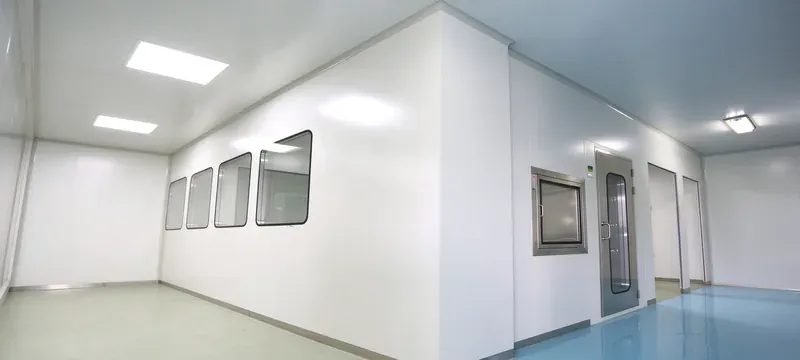
Choosing GMP cleanroom panels begins with the User Requirements. There are several factors that must be considered: the classification of the room; the type of cleaning agents needed; the level of risk involved in the processes and how the traffic is controlled in these areas. The design must incorporate hygiene which can be done by utilizing hygienic design.
Jason.peng states that one of the most common failures of GMP submissions is due to not considering the specific integrity of the seal at the corners, which often differs from the details involving standard CAD outlines. The material data contained and structural adequacy found in the submission documents must be obtained. The panels themselves are only contributing factors to GMP compliance status of a facility, so GMP cleanroom panels are documented as part of the whole room design.
ISO cleanroom wall systems and classification context
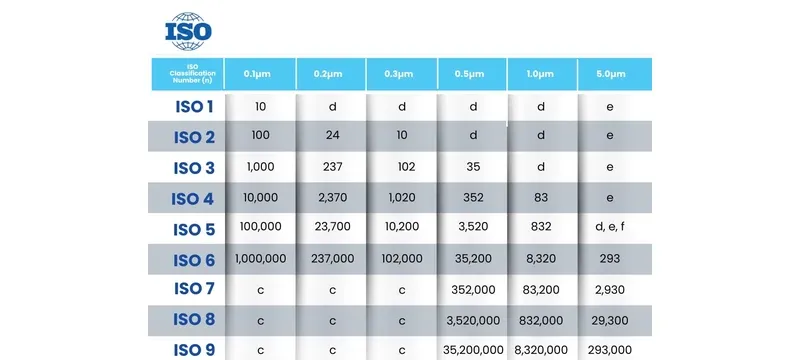
The cleanroom wall systems provide containment and cleanability to help establish its classification; however, classification status itself is determined by room testing. Classification according to ISO 14644-1:2015 is based upon total particle counts with size distribution between 0.1 µm and 5 µm [1]. Testing context for classification according to ISO 14644-3 consists of referring to three occupancy modes [2].
An ISO class 5 cleanroom wall system will consist of fully flush panels, welded or sealed joints, and coves; whereas iso class 8 may use a form of lapped jointing and L angle corners if cleaning programs can control contamination adequately. It must be noted that simply having ISO certified panels does not certify a room itself, because ISO cleanroom wall systems are verified as installed assemblies.
Cleanroom panel materials and construction options
There is a variety of materials for the surface finish, core design, and chemical resistance of cleanroom panel materials. Coated steel, stainless steel, laminates, metals (aluminum), etc. are some of the types of surface material. Types of core include magnesium oxide, rock wool, aluminum honeycomb, honeycomb paper, polyurethane, and expanded polystyrene.
Deiiang data informs that the effective panel width is 1150 mm with thickness between 50mm to 100mm and includes core variations like glass magnesium hollow core, glass magnesium rock wool, glass magnesium foam, and glass magnesium aluminum honeycomb.
Table 3: Comparison of Cleanroom panel materials
| Material/Style of Materials | Advantages | Disadvantages | Frequent Cleaning | Applications |
|---|---|---|---|---|
| Coated Steel (PET coating) | Excellent corrosion resistance; Class A fire core; low cost | Surface of the coating material prone to scratches | Compatible with 70% isopropyl alcohol (IPA) and pH-neutral detergents | General cleanroom partitions; corridors; change rooms |
| Stainless Steel (AISI 304/316) | Non-porous; excellent chemical resistance | More expensive; scratches can be seen | Compatible with high temperature cleaning agents | Cleanroom applications; pharmaceutical filling rooms |
| HPL Laminate (4 mm thickness) | Excellent impact resistance; durability | Requires edge sealing; delamination possible | Compatible with standard cleaning agents | Corridors; less critical areas |
| Aluminum Honeycomb | Strong bending strength; lightweight | Has lower fire rating as compared to rockwool and MGO | Depends on the finish of the surface | Use as ceiling panels; long-span partitions |
| MGO (MagnesOX) core | Provides 60-minute fire rating; has high strength | Heavier than honeycomb | Compatible with standard cleaning agents | Pharmaceutical area |
| MGO rock wool core | Excellent sound insulation with 120-minute rated | Heavy; high density | Compatible using standard cleaning agents | Use in high-risk areas |
| Material | Advantages | Applications |
|---|---|---|
| Coated Steel (PET coating) | Excellent corrosion resistance; Class A fire core; low cost | General cleanroom partitions; corridors; change rooms |
| Stainless Steel (AISI 304/316) | Non-porous; excellent chemical resistance | Cleanroom applications; pharmaceutical filling rooms |
| HPL Laminate (4 mm thickness) | Excellent impact resistance; durability | Corridors; less critical areas |
| Aluminum Honeycomb | Strong bending strength; lightweight | Use as ceiling panels; long-span partitions |
| MGO (MagnesOX) core | Provides 60-minute fire rating; has high strength | Pharmaceutical area |
| MGO rock wool core | Excellent sound insulation with 120-minute rated | Use in high-risk areas |
Table 4: Weight-to-strength ratios of MGO vs. aluminum honeycomb cores
| Core Type | Thickness (mm) | Weight (kg/m²) | Load capacity (kg/m²) | Weight-to-strength Ratio |
|---|---|---|---|---|
| MGO | 50 | 18 | 120 | 0.15 |
| MGO | 75 | 24 | 180 | 0.13 |
| MGO | 100 | 32 | 240 | 0.13 |
| Aluminum Honeycomb | 50 | 8 | 80 | 0.10 |
| Aluminum Honeycomb | 75 | 11 | 110 | 0.10 |
| Aluminum Honeycomb | 100 | 14 | 140 | 0.10 |
| Core Type | Thickness (mm) | Load capacity (kg/m²) |
|---|---|---|
| MGO | 50 | 120 |
| MGO | 75 | 180 |
| MGO | 100 | 240 |
| Aluminum Honeycomb | 50 | 80 |
| Aluminum Honeycomb | 75 | 110 |
| Aluminum Honeycomb | 100 | 140 |
Comparing common cleanroom panel materials and finishes
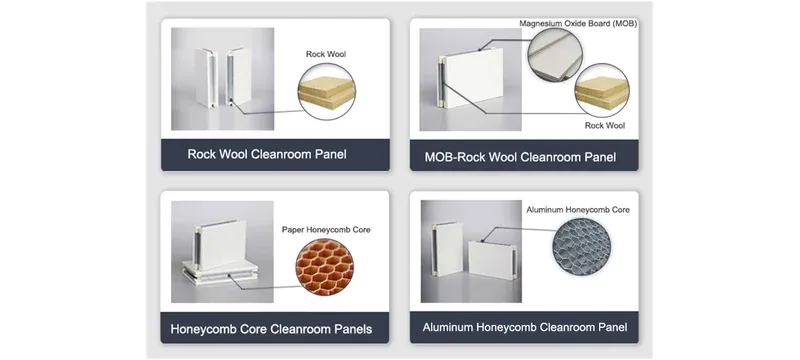
Among coated steel, stainless steel, aluminum, and composite options, each serves a distinct category of performance and suitability of application. Coated steel is popular in regular cleanroom construction as it is affordable while protecting against corrosion and fire. Either AISI 304 or AISI 316 stainless steel is employed whenever sporicides or solvents are to be used in that area.
Avoid specifying stainless steel on designs with frequent application of spores without verifying the alloy (ex. 316L) as surface pitting will degrade the metal over time. The corrosion assessment must reflect the manufacturer's compatibility chart instead of general mechanical properties of the material. A 4 mm HPL laminate can fail when pitted by concentrated peracetic acid although it performs well against most disinfectant applications.
Panel joints, corners, doors, and service penetrations
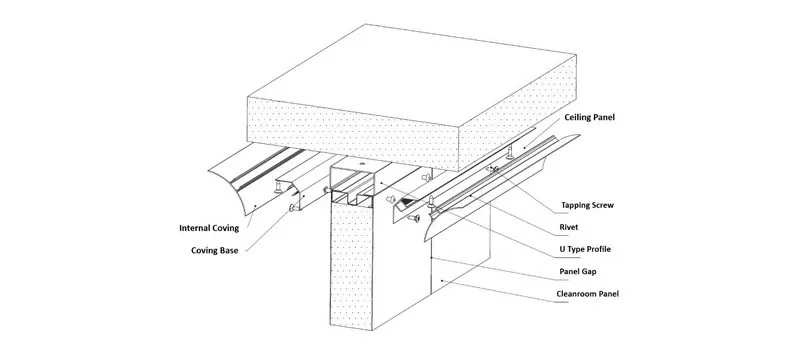
The interface finishes determine if the cleanroom panel system is effective in controlling environmental contamination. Every joint, corner, door frame, and service penetration should be a flush joint and sealed. Tongue and groove assembly with a tight profile prevents air leakage.
Deiiang CAD details require 50 mm tongue and groove panels that interconnect mechanically using pull rivets at 300 mm intervals. All utility penetrations should be planned for coordination among different trades. Coved corners are required in GMP areas. Ceiling suspension occurs with round steel hanger rods installed in 1200 mm spacing.
System selection and project specification
The selection of a system is the process through which wall system performance is aligned with the purpose of the facility, operating conditions, and risk profile. The cleanroom construction panels must meet user needs such as process classification, cleaning, exposure, traffic flow, and the effect of equipment. The procedure for selection helps produce the specification with design and procurement criteria.
Table 5: Selection criteria, questions relating to the project, and recommended actions for specification
| Selection Factor | Project Question | Required Evidence | Specification Action |
|---|---|---|---|
| Room classification | What gmp grade or ISO class must the room reach? | Target for room classification; particle count requirement | Specify the type of finish and jointing detail of the panel |
| Cleaning exposure | Which cleaning agents and methods will be applied? | Cleaning agent list; Compatibility data | Confirm chemical compatibility |
| Traffic and impact | What type of personnel and equipment traffic will the room encounter? | Impact test data; Coating certification | Specify the type of impact-resistant surface |
| Fire compartmentation | Which fire rating is demanded by the building code? | EN 13501-1 or ASTM E84 test certificates | Specify the core material which fulfills the fire class needed |
| Durability | What will be the possible schedule of replacement? | Warranty information; history of maintenance | Specify system that allows access to joints |
| Selection Factor | Project Question | Specification Action |
|---|---|---|
| Room classification | What GMP grade or ISO class must the room reach? | Specify finish and jointing detail of the panel |
| Cleaning exposure | Which cleaning agents and methods will be applied? | Confirm chemical compatibility |
| Traffic and impact | What type of personnel and equipment traffic will the room encounter? | Specify impact-resistant surface |
| Fire compartmentation | Which fire rating is demanded by the building code? | Specify core material meeting required fire class |
| Durability | What will be the possible schedule of replacement? | Specify system that allows access to joints |
Matching wall systems to facility use and operating conditions
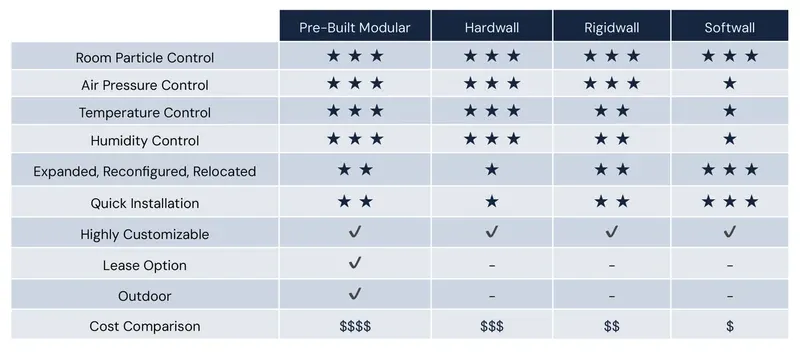
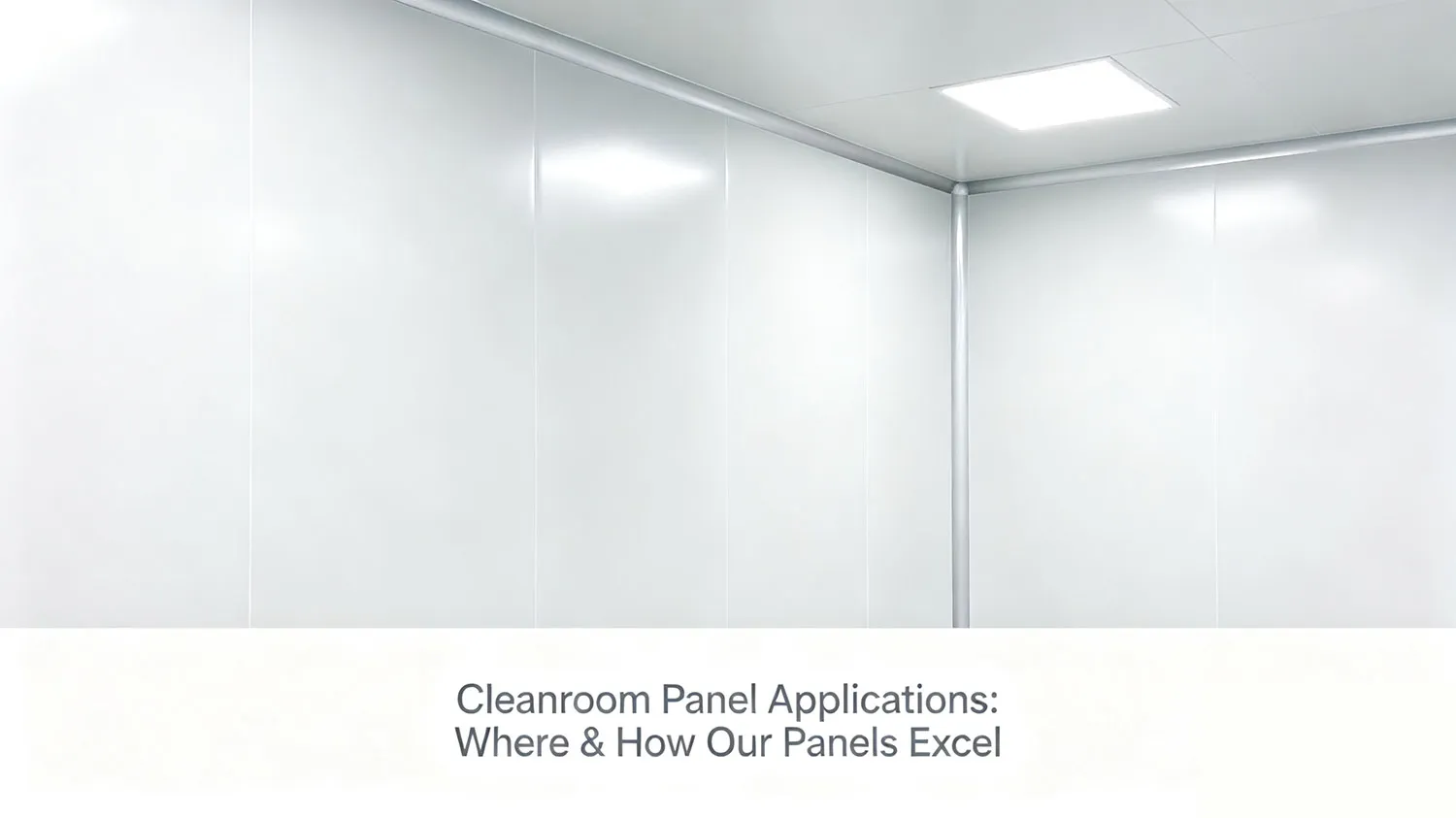
To correlate the systems of wall to facility use, one must understand both the process and the requirements in relation to the classification of rooms and operating conditions. A sterile filling room (EU gmp grade a/B) must possess sealed and smooth surfaces and coved corners. An ISO Class 8 electronics assembly area, on the other hand, can accept the application of coated steel.
Cleaning methods and exposure vary by facility type. Food processing would utilize a high-pressured wash clean down system with alkaline cleaners. Pharmaceuticals would use sporicides and 70% IPA. Stainless steel is usually required for direct chemical exposure areas [8]. Establish end-user criteria in a formal URS.
Specifying products and verifying supplier data
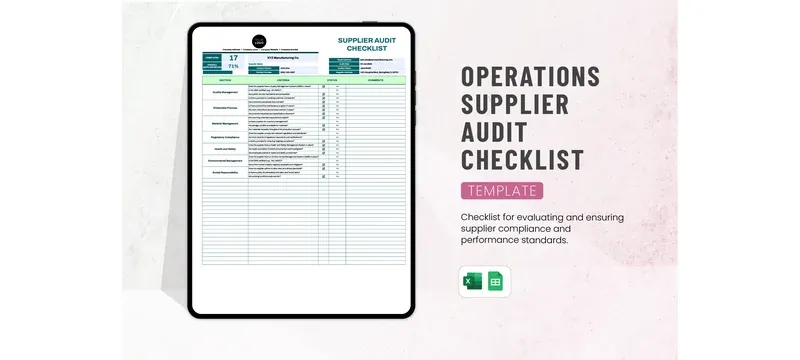
Specification begins at the point of submittal review and continues through acceptance. Request construction drawings and material declarations that include component dimensions, assembly anchoring, fasteners, and infill. Confirm actual catalog codes and model numbers from the current documentation.
Only incorporate verified efficiencies, airflow, or pressure-drop information where required as part of the cleanroom panel materials documentation. The submittal package should contain: panel information sheet, fire test report, chemical compatibility listing, joint detail drawings, and installation guidance. Reject submittals that refer to an expired certificate.
Cleanroom wall panel installation and coordination
Cleanroom wall panel installation is a systematic process that must be coordinated with HVAC, electrical, and process trades. Site contamination control must be maintained: panels should be placed in protected areas, protective film should remain intact until final cleaning, and dust-making work should be finished before hygienic wall panels are installed. Installing the panels.
Installation checklist:
Confirm approved shop drawings and wall panel arrangement against site sizes.
Verify that the panel model, core type, and finish of the cleanroom construction panels are in accordance with the approved submission.
Inspect the panels for any damage caused during transit before proceeding with the cleanroom wall panel installation.
Coordinate the locations of any service duct and openings for the HVAC and electrical trades.
Stage the materials on their edge, in a clean and dry space.
Set hold points for the inspection of framing, placing the panels, sealing of joints, and for any penetrations.
Record the results of the inspection at pre-installation and at post-installation.
Pre-installation planning and interface coordination
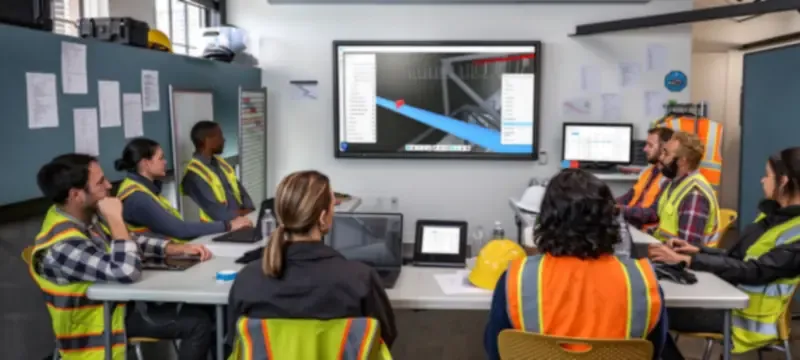
Pre-installation planning verifies approved drawings and tolerances, coordinates ducts and openings for services, stages materials and protects finished surfaces, and sets inspection hold points. Tolerances should be checked; this confirms that the floor level, ceiling heights, and wall alignment are within ±2.0 mm per meter.
Coordination of all penetrations should occur before the placement of the cleanroom wall panels. If a penetration has to be added after panels have been installed, the process will require the removal or field cutting; both of which will damage the sealed surface. For suspension from the ceiling, confirm the locations of the hanger rods at 1200 mm on centers and check the strength of the structural system.
Installation sequence, sealing, and quality checks
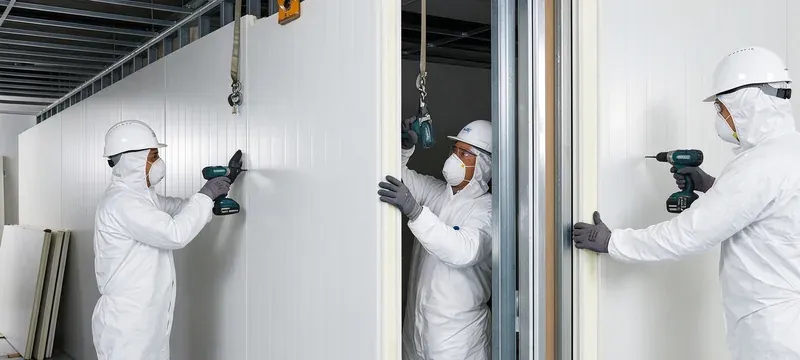
After install, the product will follow the approved directions given by the manufacturer and will proceed in a prescribed manner – framing and base channels, placement of panels, aligning panels at the joints, sealing joints, and sealing where penetrations have occurred.
A more recent project of Deiiang in Singapore used panels of 1150 mm in width with Z-profile connection which cut the site sealing time by 15% on account of the design of the interlocking tolerance (project-reported).
Quality checks being done through the following components:
- Alignment: edges of the panel fit within ±1 mm of each other and vertical and horizontal alignment in terms of ±2 mm/metre.
- Joint continuity: sealant needs to look smooth, continuous and recessed.
- Sealing of penetrations: all openings to services sealed with gasket sleeve.
- Finish condition: opening should be without any scratches, dents or coating issues.
Cleaning, maintenance, and lifecycle management
The hygienic wall panels should be maintained as per a cleaning protocol. Maintenance intervals should be based on risk and facility procedures.
Maintenance check list:
Daily: Use a lint-free cloth and appropriate cleaning agent.
Weekly: Inspect joints, corners and penetrations.
Monthly: Inspect panels for scratches or coatings.
Quarterly: Inspect frames, seals and sealed penetrations.
Annually: Full inspection of sometimes hidden areas.
Cleaning protocols and chemical compatibility
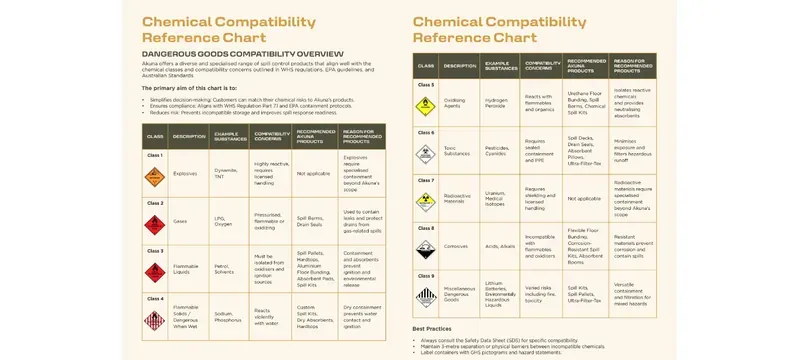
The protocols have to be validated first and make sure that it is compatible. Make sure to establish standard procedures for approved cleaning methods and maintain compatibility records accordingly.
Integration of cleaning method, agent type, types of finish, and verification is depicted in the compatibility matrix. To prevent surface damage and residue, it is important to use the proper dilution, contact time, and rinsing processes. In particular, sporicidal materials like peracetic acid should be verified for compatibility with specific panel structures. Compatibility verification must be performed for at least each cleaning agent with evidence retained from the manufacturer.
Inspection, repair, and cleanroom wall panel maintenance
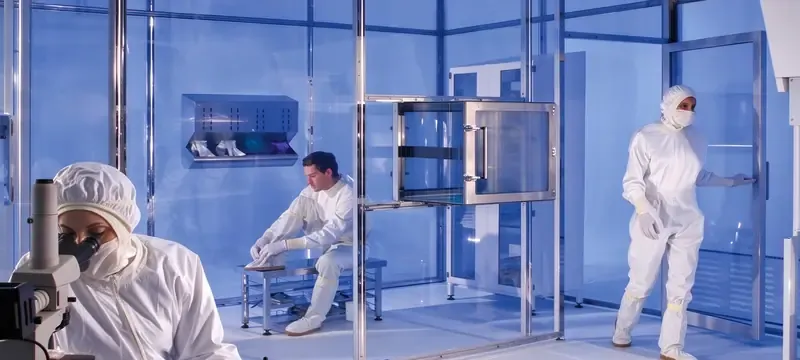
The process of inspection involves discovering defects before they interfere with the proper functioning of the cleanroom environment. During every preventative maintenance intervention, all joints and areas of thermal impact damage should be inspected.
Specific guidelines for progression of the repair process should be followed depending on whether minor scratches require only a touch-up whereas major areas of damage should involve panel replacement. Repair processes must provide surfaces that are clean and will permit cleaning. For sealant repairs, all remnants of old material should be removed, joint areas cleaned, and new sealant applied. These procedures must be maintained in an ongoing fashion.
Performance verification and standards context
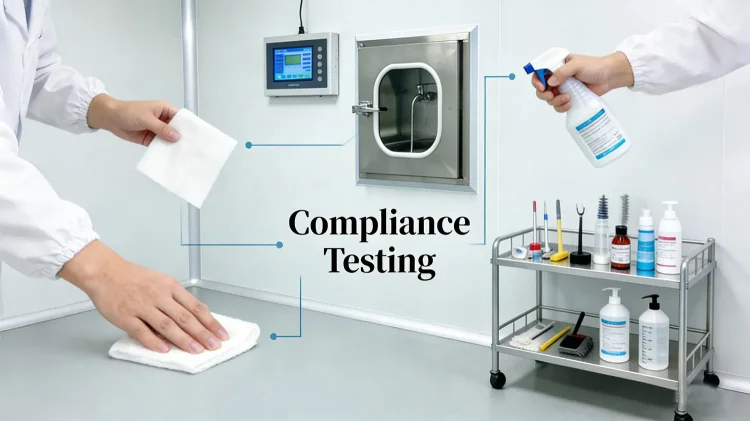
As part of the performance verification the tests that are performed on the panel product are separate from the qualifications of the cleanroom space. The evaluations that are performed on the cleanroom panel involve its fire performance, as well as evaluations of chemical resistance and properties of the surface.
Room qualification - particle assessment, pressure drop tests, airflow visibility assessment - confirms that the installed system works according to its classification purpose.
Table 6: Standards, primary field of application, relevance, and limitations of use
| Standard/guideline | Primary field of interest | Relevance | Limits of use |
|---|---|---|---|
| ISO 14644-1:2015 | Classification of air purity in accordance with the amount of airborne particles | Defines the cleanliness class required [1] | No certification for panels; testing should be carried out in the room |
| ISO 14644-3:2019 | Methods for testing cleanrooms | Provides testing methods for pressure, airflow, recovery rate [2] | Measures room efficiency, not panels |
| EN 1822-1:2019 | HEPA/ULPA filter classification | Applies to filtering systems [4] | Not relevant in wall panels testing |
| ISO 29463-1:2024 | Classification of high-efficiency filters | Applies to filter media and parts [5] | Not relevant in wall panels testing |
| IEST-RP-CC001 | HEPA and ULPA filter performance | Provides certain efficiency values of filters [6] | Applies to filters, not to wall panels |
| ASHRAE 52.2 / EN 779 | Test procedures for ventilation filters | MERV rating system for coarse and fine filters [9] | Not directly relevant to HEPA/ULPA filters or wall panels |
| Standard | Primary field | Limits of use |
|---|---|---|
| ISO 14644-1:2015 | Classification of air purity | No panel certification; room testing required |
| ISO 14644-3:2019 | cleanroom test methods | Measures room efficiency, not panels |
| EN 1822-1:2019 | HEPA/ULPA filter classification | Not relevant in wall panels testing |
| ISO 29463-1:2024 | High-efficiency filter classification | Not relevant in wall panels testing |
| IEST-RP-CC001 | HEPA and ULPA filter performance | Applies to filters, not wall panels |
| ASHRAE 52.2 / EN 779 | Ventilation filter test procedures | Not directly relevant to HEPA/ULPA or panels |
Applicable cleanroom and filtration standards
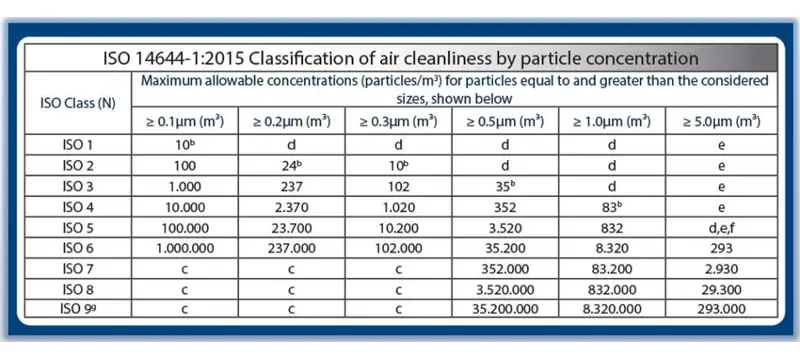
ISO 14644-1:2015 addresses the classification of air purity in terms of particle concentrations in the air for particles ranging in size from 0.1 µm to 5 µm, using light-scattering methods [1]. ISO 14644-3:2019 sets forth test procedures for assessing the performance of cleanrooms [2].
EN 1822-1:2019 specifies the efficiency classification of EPA, HEPA, and ULPA filters [4]. ISO 29463-1:2024 is used for the classification of high-efficiency filters as it is based on EN 1822 [5]. IEST-RP-CC001 describes HEPA and ULPA filter units [6]. ASHRAE 52.2 provides the definitions of MERV ratings and EN 779 has now been replaced by ISO 16890 [9].
Documenting acceptance and ongoing compliance evidence
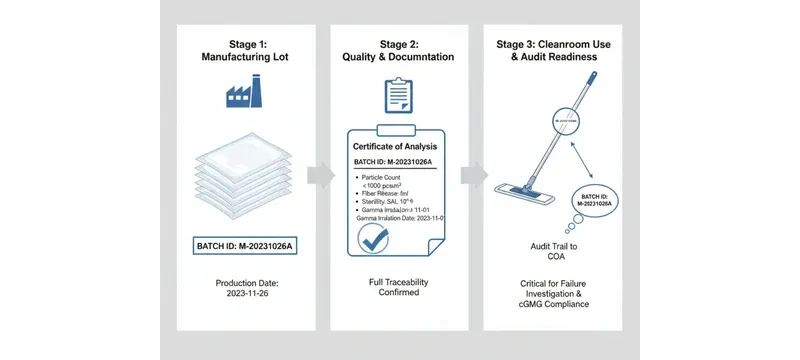
The acceptance criteria must be included in the project specifications before installations begin. Document approved submissions, inspection reports, cleaning reports, and facility qualification information as proof of compliance. Do not consider system data as room certification.
Compliance evidence package consists of approved panel submissions with test certificates, shop drawing approvals, installation inspection records, sealant records, cleaning validation reports, and room qualification test data in accordance with ISO 14644-3 standards [2]. Document any changes and maintenance actions through the life cycle of the facility.
Common specification and project pitfalls
Specification and hazards are classified into two categories: design and procurement errors and installation and handover errors. Prevention of these problems can be achieved through disciplined submission review, trade coordination, and documentation of acceptance criteria.
Dos and Don'ts:
- Make sure of chemical compatibility with the actual cleaning agents and concentrations.
- Do not accept generic "chemical resistant" statements without a manufacturer compatibility list.
- Ensure that the tested fire assembly corresponds with the panel construction specified.
- Never use panel materials that you claim to be equivalent without documented testing.
- Make sure to coordinate all penetrations prior to installation of the panel materials.
- Do not cut the panel materials in the field for any impromptu penetrations after it has been installed.
- Document all inspection results and discrepancies with photographs and signing off on them.
- Do not hand over the area for occupancy until all punch list items are closed.
Avoiding design and procurement mismatches
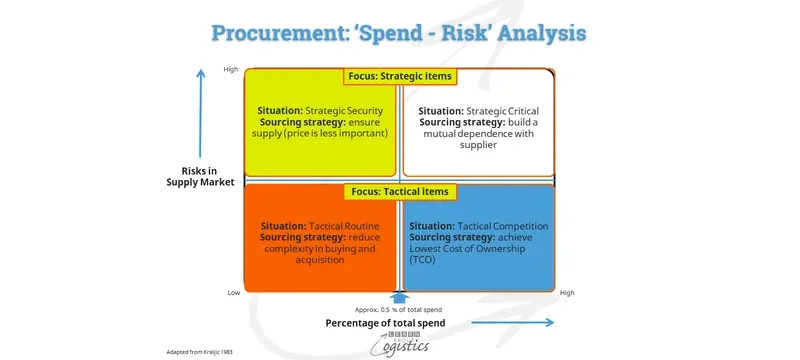
Conflicts in design and procurement arise when the specified panel does not match the actual use conditions. Cleaning and compatibility of chemicals must be verified for the actual cleaning chemicals being used in the facility rather than against general guidelines. Details of the panel must be consistent with the layout of the room.
Always make sure that you verify product documentation prior to bidding on a project. Manufacturer catalogs, test reports, and compatibility lists change at regular intervals. To prevent unsupported equivalencies, obtain the appropriate documentation on any proposed substitution — the documentation should include test data, reports and manufacturer declarations related to the same performance standard.
Resolving installation and handover gaps
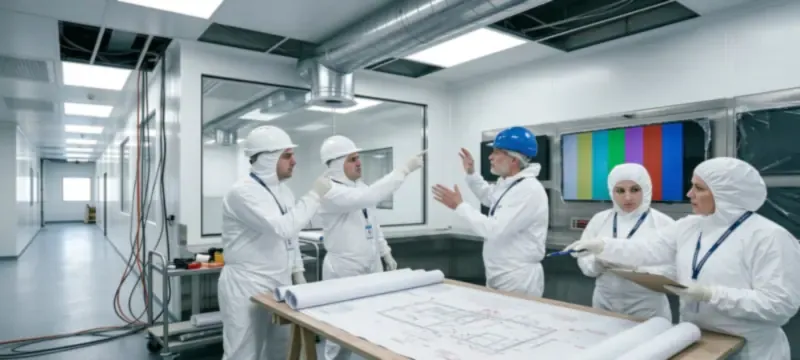
Installation and handover gaps exist because deficiencies are not addressed before the area is occupied, asbuilt drawings are not correct or not communicated, or cleaning and maintenance instructions are not communicated.
Reconciliation of as-built drawings with actual installation based on approved deviations. Hand over cleaning and service instructions to operations including approved list of cleaners.
Conclusion takeaway: high-performance cleanroom wall panels support GMP and ISO goals only when they are correctly specified, correctly installed as part of a coordinated cleanroom wall panel installation, and maintained under a documented cleanroom wall panel maintenance program. Panels enable hygienic design — they do not deliver certification by themselves.
Frequently Asked Questions
What makes cleanroom wall panels suitable for GMP and ISO environments?
Appropriateness means smoothness and cleanability, sealed joints and penetrations, and resistance to cleaning agents. Panel specifications should be provided to meet room classification and cleaning validation standards. Deiiang MGO and MGO rockwool give 60 and 120 fire ratings with coved corner options.
Which cleanroom panel materials are easiest to clean?
Stainless steel wall panels are generally easy to clean since they are non-porous, homogenous, and chemically resist. Likewise, HPL laminated and coated steel panels can be cleaned, provided that finishes and joints are done right. Although, finishes and joint constructions are just as important as the base material.
Do GMP cleanroom panels guarantee GMP compliance?
No. Wall panels help ensure hygienic design with cleanable surfaces and sealed interfaces, but compliance is guaranteed through overall facility controls that include validated cleaning operations, environment monitoring, staff training, and documentation. Hence, a wall panel cannot compensate for poorly balanced air conditioning systems and insufficient cleaning validation.
How do ISO cleanroom wall systems support an ISO classification?
ISO cleanroom walls contribute to classification by containing materials and cleanability. However, classification will be determined independently through room tests as per ISO 14644-1 and ISO 14644-3. They are essential for the maintenance of pressure differentials and minimization of particle ingress to meet the required cleanliness class.
What should be checked during cleanroom wall panel installation?
Confirm approved drawings to existing site conditions and inspect for the continuity of joint seals and seal all penetrations before release of the area. Perform inspection of panel alignment, finish conditions, and sealant application at every hold point. Always document inspection findings in photos followed by sign-offs.
How often should cleanroom wall panels be maintained?
Maintenance intervals should be based on risk and facility procedures. iso 5–6 cleanrooms typically need daily cleaning and weekly joint inspection, while ISO 7–8 rooms may need cleaning twice weekly. Inspect routinely and repair defects promptly, keeping records for lifecycle decisions.
References
- [1] ISO 14644-1:2015 - ISO 14644-1.
- [2] ISO 14644-3:2019 - ISO 14644-3.
- [3] EU GMP Annex 1 - EU GMP Annex 1.
- [4] EN 1822-1:2019 - EN 1822-1.
- [5] ISO 29463-1:2024 - ISO 29463-1.
- [6] IEST-RP-CC001 - IEST-RP-CC001.
- [7] EN 13501-1:2018 - EN 13501-1.
- [8] ASTM E84 - ASTM E84.
- [9] ASHRAE 52.2 - ASHRAE 52.2.
- [10] ISO 16890 - ISO 16890.
- [11] Deiiang Cleanroom Panel Catalogue - Deiiang Panel Catalogue.