+86 13638632902
 Jason@cleanroomequips.com


 MENU
MENU
The biotechnology and biopharmaceutical industries face unprecedented challenges: stringent regulatory requirements, increasingly complex manufacturing processes, and the need for rapid response to market demands. Among these challenges, maintaining controlled environments to prevent contamination has become critical to ensuring product quality and safety. Industry data shows that product recalls due to environmental control issues cost the pharmaceutical industry over $500 million annually.
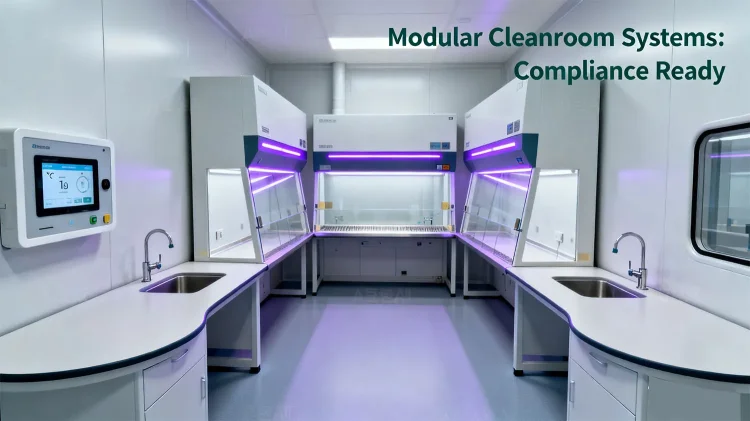
modular cleanroom technology is revolutionizing how biotech laboratories are designed and operated. Compared to traditional construction methods, modular systems offer unprecedented flexibility, speed, and cost-effectiveness. The implementation of modular cleanrooms for Biotech Labs provides proven solutions that can adapt to the most stringent environmental requirements while maintaining operational efficiency.
Did You Know?
A single contamination event in cell culture processes can lead to complete batch loss, with average costs exceeding $250,000. Modular cleanrooms from Deiiang™ help prevent such losses through superior environmental control.
Why Biotech Labs Need Cleanrooms?
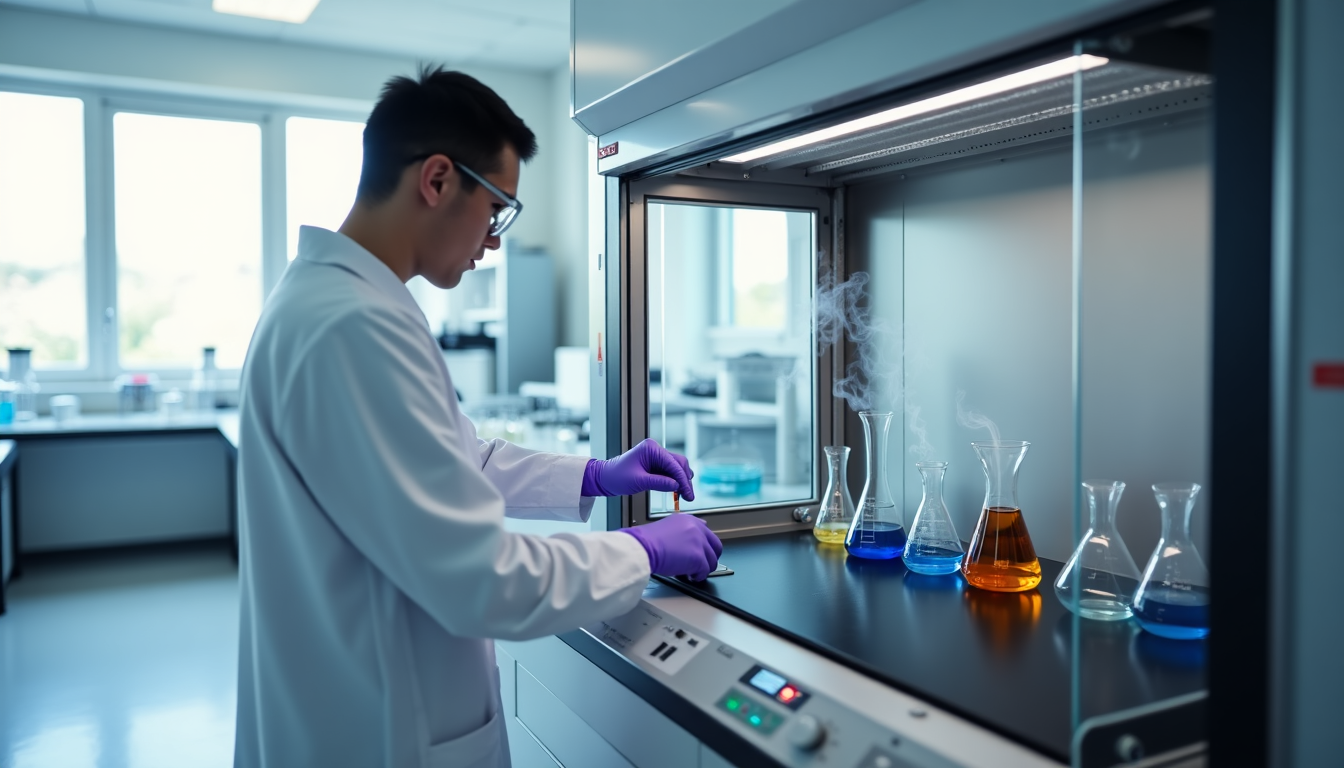
In biotechnological applications, even the slightest traces of contaminants can significantly affect the integrity of the product being produced. Studies indicate that in cell culture processes, even a single instance of microbial contamination may cause total rejects. The effects of particulate contamination can be even worse – in gene editing processes, dust particles with a diameter of over 0.5 microns may interfere with the operation of precision instruments which could lead to deviations from expected experimental results of up to 30%.
The use of Modular Cleanrooms for Biotech Labs proves to be a perfect solution to eliminate the contamination problem while allowing the necessary flexibility required in today’s research and production environments.
Contamination Risks and Product Safety
Biotechnology processes are particularly vulnerable to various contaminants:
- Microbial Contamination: Bacteria, fungi, and viruses can contaminate cell cultures, altering biological reaction outcomes
- Particulate Contamination: Airborne particles can introduce foreign substances, affecting product purity and potency
- Cross-Contamination: Contamination between different products can have severe consequences, especially in multi-product facilities
Regulatory Requirements
International regulatory organizations have established stringent criteria for the manufacturing of biotechnological products. The FDA's cGMP stipulates standards mandated to be observed by the pharmaceutical industry while producing and controlling the production processes. The GMP Annex 1 developed by the EU states the classification requirements of cleanroom environments. If a developer fails to comply with the above-mentioned regulations, he can face serious consequences such as seizing of products as well as closing hisproduction facility.
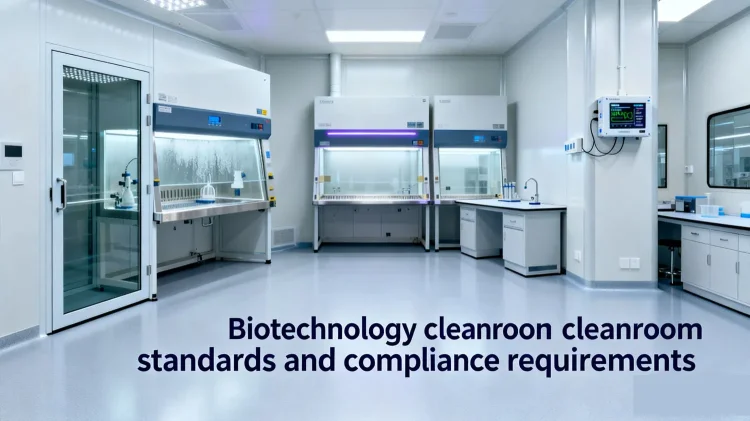
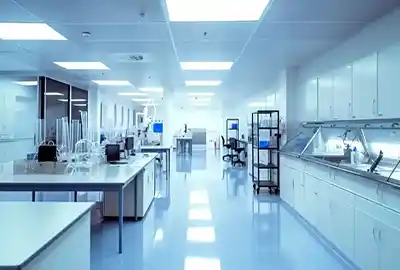
Modern biotech cleanrooms must meet stringent regulatory standards for environmental control
Modular vs. Traditional Cleanrooms: The Biotech Choice
Traditional cleanroom construction takes 6-12 months for completion while modular cleanrooms can be installed in a matter of 4-8 weeks. This time difference is very important for rapidly changing biotech firms because it reduces the time-to-market for their products considerably. In addition to that, modular cleanrooms cost at least 30-50% less than traditional construction while providing comparable features in terms of environmental control.
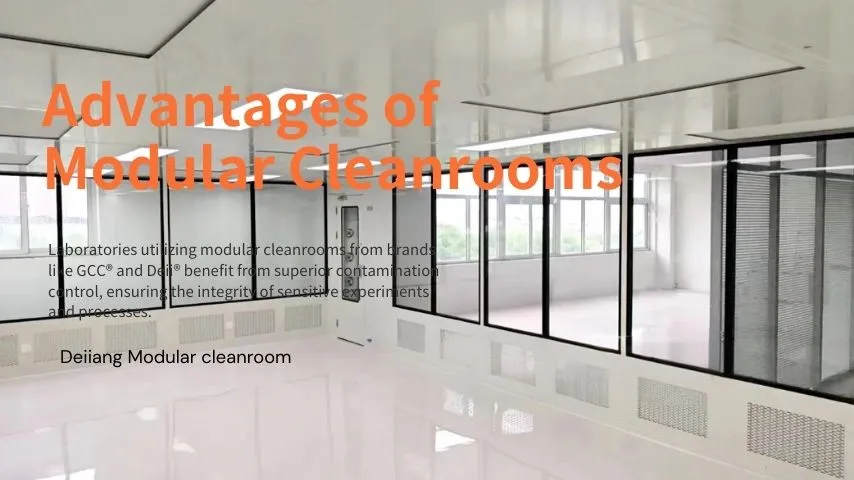
The benefits of Modular Cleanrooms for Biotech Labs do not stop at the lower initial costs. modular cleanroom systems offer unmatched flexibility and can easily adapt to change in research goals or manufacturing needs. At Deiiang™, we provide you with modular solutions that are based on the best practices in the industry and allow adapting to the demands of the future at the same time.
Traditional Cleanroom Limitations
- Long Construction Cycles: 6-12 month typical completion time
- High Costs: Initial investment 40-60% higher than modular alternatives
- Limited Flexibility: Difficult and expensive to modify or expand
- Significant Facility Disruption: Major construction impacts existing operations
Modular Cleanroom Advantages
- Rapid Deployment: 4-8 week installation timelines
- High Flexibility & Scalability: Easy modification and expansion capabilities
- Cost Efficiency: 30-50% lower total cost of ownership
- Quality Control: Factory precision manufacturing ensures consistent quality
- Minimized Downtime: Quick installation reduces operational disruption
- Compliance Ready: Designed to meet GMP and other regulatory requirements
| Parameter | Traditional Cleanrooms | Modular Cleanrooms |
|---|---|---|
| Construction Time | 6-12 months | 4-8 weeks |
| Initial Investment | $500-$800 per sq. ft. | $300-$500 per sq. ft. |
| Flexibility for Modification | Limited, expensive | High, cost-effective |
| Relocation Possibility | Minimal | Excellent |
| Regulatory Compliance | Standard | Enhanced with proper design |
Key Design Elements for Biotech Modular Cleanrooms
The efficient design of Modular Cleanrooms for Biotech Labs is extremely important. In determining class of cleanroom, iso 14644-1 provides basis for classification of cleanrooms with various classes suited for various applications. For instance, iso 5 (Class 100/A级) cleanrooms are needed in sterile filling process, while ISO 7 (Class 10,000/C级) cleanrooms are used in cell culture and gene therapy processes.
The design strategy at Deiiang™ is based on operational efficiency rather than just compliance to standard practices as demonstrated by Jason.peng’s efforts. Modal Cleanrooms for Biotech Labs that we design integrate the state-of-the-art monitoring systems that allows obtaining the real-time data relating to the environment ensuring the compliance of cleanroom to requirements and timely response to any deviations.
7vGXFa3MLrU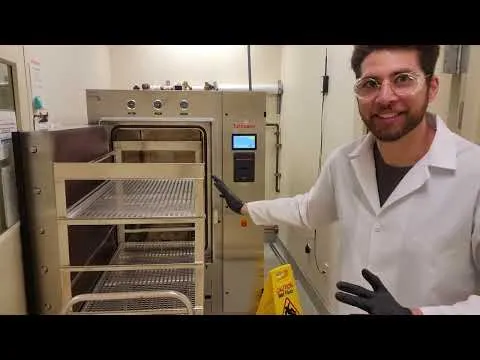
ISO Classification Standards
The ISO 14644-1 standard defines cleanroom classes based on maximum allowable particle concentrations:
| ISO Class | Former Classification | Max Particles/m³ (≥0.5μm) | Typical Biotech Applications |
|---|---|---|---|
| ISO 5 | Class 100 | 3,520 | Aseptic filling, critical operations |
| ISO 6 | Class 1,000 | 35,200 | Biologics preparation |
| ISO 7 | Class 10,000 | 352,000 | Cell culture, gene therapy |
| iso 8 | class 100,000 | 3,520,000 | Support areas, gowning rooms |
Airflow Control and Pressure Differentials
Reasonably good airflow design is essential for contamination control. Among the forms of airflow design, unidirectional (laminar) airflow gives maximum protection in critical areas, while non-unidirectional (turbulent) airflow is more suitable for less critical places. Pressures differing in adjacent areas prevent cross-contamination use of which involves maintaining the typical differentials between cleaning classes of 10-15 Pa.
Material Selection
Surface materials must be smooth, non-shedding, easy to clean, and resistant to disinfectants and corrosion. Common materials include:
- Wall Panels: Powder-coated steel, stainless steel, or fiberglass-reinforced plastic
- Flooring: Epoxy resin, PVC sheet flooring, or methyl methacrylate
- Ceilings: Grid systems with cleanroom-rated panels
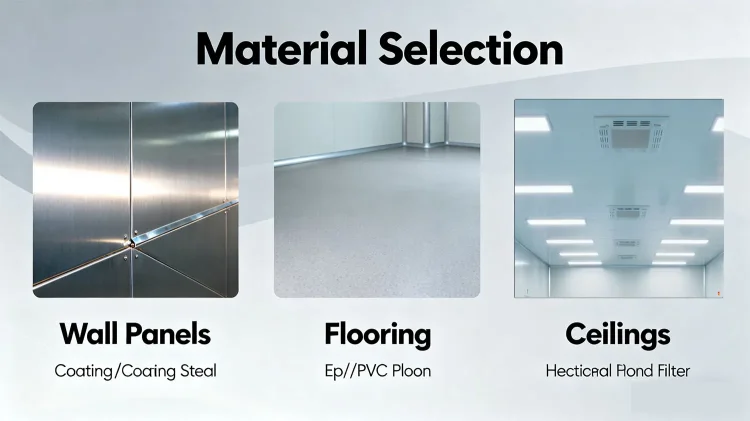
Proper material selection ensures cleanability and durability in biotech environments
HVAC Systems
Precise temperature and humidity control are essential for both product integrity and operator comfort. Typical biotech cleanrooms maintain temperatures of 20-22°C (±2°C) and relative humidity of 45-55% (±5%). Air change rates vary by classification:
- ISO 5: 240-600 air changes per hour
- ISO 7: 30-70 air changes per hour
- ISO 8: 10-25 air changes per hour
Layout and Functional Zoning
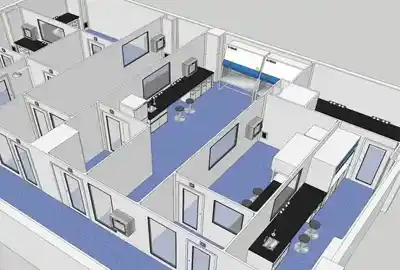
Proper facility layout minimizes contamination risks through strategic separation of personnel, material, and waste flows. Key design considerations include:
- Sequential gowning areas with increasing cleanliness levels
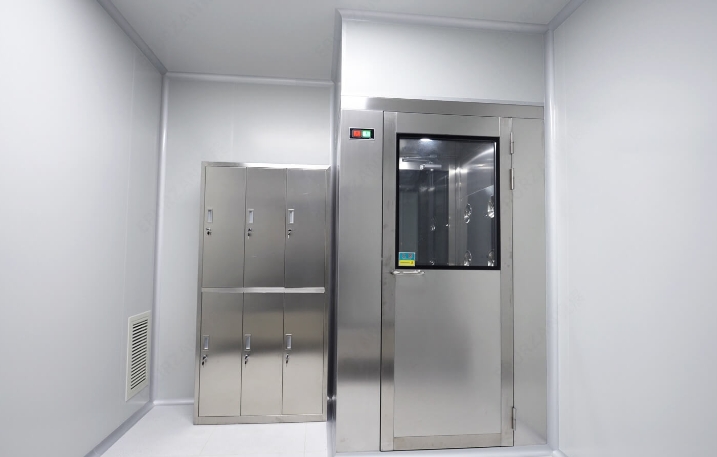
- Material pass-throughs and airlocks between zones
- Clear separation of core production, support, and quality control areas
- Equipment integration with maintenance access considerations
Compliance and Regulatory Requirements
In biotech manufacturing, regulatory compliance cannot be avoided. The cGMP regulations set forth by the FDA provide standards for pharmaceutical manufacturing. The European union GMP Annex 1 provides instruction for medically sterile products, while standards ISO 14644 outlines requirements for cleanroom structure, testing, and monitoring.
In order for Modular Cleanrooms for Biotech Labs to be compliant, the regulatory standard must be followed from the beginning of the design stage. At Deiiang™, we take the necessary measures to implement the approach that ensures that all cleanroom solutions comply with regulatory standards and provide sufficient documentation for installation qualification, operational qualification, and performance qualification.
Key Regulatory Standards
- FDA cGMP: 21 CFR Part 210, 211, and 600 (biologics)
- EU GMP: Annex 1 - Manufacture of Sterile Medicinal Products
- ISO Standards: ISO 14644 (cleanrooms), iso 14698 (biocontamination control)
- USP: Chapters <797> and <800> for compounding and hazardous drugs
- PIC/S: Pharmaceutical Inspection Co-operation Scheme guidelines
Validation Requirements
The validation process for biotech cleanrooms follows a structured approach:
- Design Qualification (DQ): Confirming design meets user requirements and regulatory standards
- Installation Qualification (IQ): Verifying proper installation according to specifications
- Operational Qualification (OQ): Testing systems under operational conditions
- Performance Qualification (PQ): Demonstrating consistent performance under routine operation
Compliance Tip
Regular monitoring and documentation are essential for maintaining compliance. Deiiang™ cleanrooms include integrated monitoring systems that track particle counts, pressure differentials, temperature, and humidity, automatically documenting compliance data.
Application Scenarios in Biotech
Modular cleanrooms are employed in a wide range of applications in the field of biotechnology and are tailored to fulfill the specific needs and challenges of each application. These controlled environments allow for innovations through research and development as well as commercially producing high-quality products.
The flexibility and versatility of modular cleanrooms makes them suitable for many biotech laboratory applications, ranging from innovative therapies to common biologics production. Deiiang™ modular cleanroom systems developed by Jason.peng meet the specific needs of every application while still being adaptable for future changes in the cleanroom solutions requirements.
Cell and Gene Therapy
These advanced therapies require exceptionally controlled environments due to their personalized nature and limited shelf life. Typical requirements include:
- iso 5 environments for critical processing steps
- Restricted access barrier systems (RABS) or isolators
- Temperature-controlled workstations
- Rapid deployment capabilities for clinical trials
Biologics Manufacturing
Large-scale production of monoclonal antibodies, recombinant proteins, and other biologics demands robust contamination control:
- ISO 7/8 classification for bulk production areas
- Integrated HVAC with precise environmental control
- Scalable designs accommodating production expansion
- Utilities integration for WFI, clean steam, and process gases
Vaccine Production
Vaccine manufacturing, particularly for live-attenuated or viral vector vaccines, requires careful containment and segregation:
- Negative pressure areas for live virus handling
- Segregated areas for different production stages
- Rapid deployment capabilities for pandemic response
- Enhanced personnel protection features
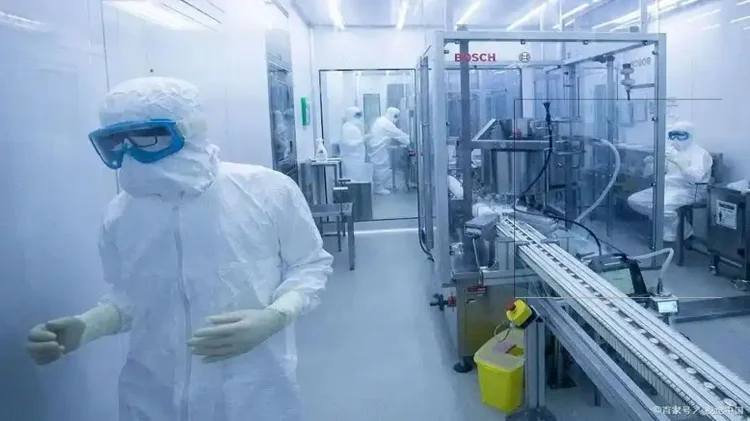
Modular cleanrooms support diverse biotech applications from R&D to commercial production
Additional Applications
- Diagnostic Reagent Production: ISO 7/8 environments with specific temperature requirements
- R&D and Pilot Plants: Flexible configurations supporting process development
- Aseptic Filling: ISO 5 environments with advanced barrier technology
How to Choose the Right Modular Cleanroom Provider
Choosing the right cleanroom supplier is vital for the success of a project. The best choice entails a supplier who brings together theoretical knowledge expertise in scientific fields and practical practice as far as biotech systems are concerned.
In assessing suppliers of Modular Cleanrooms designed for biotech labs, the history of successful implementation of other similar projects has to be factored in, along with the supplier’s capacity for forming comprehensive solutions starting from the design process and finishing with validation of cleanrooms.
Deiiang™, managed by Jason Peng, is prepared to offer all-continuum packages of Modular Cleanrooms devised specifically for biotech needs.
Key Selection Criteria
- Industry Experience: Proven track record in biotech/pharmaceutical projects
- Design and Engineering Capabilities: Customized solutions meeting specific requirements
- Product Quality: High-quality materials and manufacturing processes
- Validation Support: Comprehensive IQ/OQ/PQ documentation and assistance
- Service and Support: Ongoing maintenance and technical support
- Project Management: Proven ability to deliver projects on time and within budget
Questions to Ask Potential Providers
- Can you provide references from similar biotech projects?
- What is your experience with regulatory inspections and audits?
- How do you handle design changes during project execution?
- What post-installation support and maintenance services do you offer?
- Can you provide examples of validation documentation for similar projects?
Selection Tip
Look for providers who understand both cleanroom technology and bioprocess requirements. The best partners can optimize cleanroom design based on process flow and operational considerations, not just technical specifications.
Conclusion and Future Outlook
The rise of modular cleanrooms marks the new wave of cleanroom constructions in biotechnology businesses, providing unique opportunities for adaptability, efficiency, and speed. Thus, with the changing paradigm of biotech production, it is critical to be able to quickly set up and modify production environments.
In the future, modular cleanrooms will likely employ Industry 4.0 technology, including various IoT sensors for ongoing monitoring and data analysis, intelligent maintenance, and process automation. Such advancement would help increase efficiency while keeping high quality.
Emerging Trends
- Smart Cleanrooms: Integrated IoT sensors and data analytics
- Automation Integration: Robotic systems and automated material handling
- Sustainability: Energy-efficient designs and sustainable materials
- Flexible Manufacturing: Multi-product facilities with rapid changeover capabilities
- Digital Twins: Virtual models for design optimization and operational training
At Deiiang™, we have always been the leader in the field of cleanroom technology, thereby constantly upgrading ourselves to provide our clients with the best cleanroom solutions available in the market. Our commitment to perfection and our technological know-how from professionals like Jason.peng makes sure that our clients can sustain themselves in the fast-growing biotechnology industry.
Ready to Transform Your Biotech Facility?
Contact our experts at Deiiang™ to discuss your modular cleanroom requirements
Contact Us Download Technical Brochure
© 2024 Deiiang™ | modular cleanroom solutions | Product Designer: Jason.peng
Professional modular cleanroom solutions for biotechnology, pharmaceuticals, and healthcare industries
faq(Frequently Asked Questions)
What exactly does modular cleanroom refer to in the biotech lab?
The Modular Cleanroom can be described as a controlled environment which is constructed using modular wall panels, ceiling panels, and integrated services. It is used to manage the contamination due to airborne particles and helps in regulating other factors like temperature, pressure, and humidity. In case of biotech laboratories, the arrangement of the entire setup should be in accordance with the procedures, materials, and biological hazards involved.
What is the ISO class for biotech lab cleanroom?
There is no single ISO number that refers to all biotech laboratories. The selection of a certain iso class depends on the sensitivity of the different processes, exposure to the product, and requirements. The cleanliness with respect to airborne particles has been classified in ISO 14644-1, but this does not state anything related to biological containment or microbiological acceptability limits. Users need to understand which class or state they need.
Do modular cleanrooms comply with GMP standards?
Modular cleanrooms may help in complying with GMP, but just because it has been constructed using prefab construction does not mean it is safe in this regard. The same applies everywhere where there is some GMP regulation in place as there would be suitable design and qualification, as well as contamination control and operating procedures and the concerned organization should have documented reference.
What is the difference between a cleanroom and biosafety laboratory?
A cleanroom is concerned with contamination control and helps in protecting something from being affected due to this contamination. A biosafety laboratory serves to keep people, the environment, and other others safe from being affected by the biological agents. In many cases, both facilities are required, and in order to avoid confusion, risk assessment should be coordinated.
Would the biotech cleanroom be under positive or negative pressure?
The direction of pressure will depend on the purpose of protection. Positive pressure would help in protecting the clean areas from contamination, while negative pressure might help in preventing the containment of biological agents. In cases where both should be achieved, the design should include some zoning and air locks.
Please tell me the major advantages of modular construction?
There are many potential advantages of the modular cleanroom like off-site construction, less disruption during installation, and the ease of reconfiguration. The level of these benefits depends on the layout of the building, utility, scope of the project, and construction process. However, it may be stated that a module does not necessarily mean that it will have lower cost.
Let me know regarding the costs of the modular biotech cleanroom?
Costs will depend on the area, cleanliness of the site, requirements of containment, and HVAC requirements. It is important to compare the quotes using the same simple design assumption and clearly defined exclusions. Furthermore, this process comprises such actions as the installation of commissioning and testing of the system.
How is a modular cleanroom qualified before starting its use?
Qualification means making sure the installed facility operates in compliance with the documented requirements. Depending on the purpose of usage, the range of the necessary testing may include air monitoring, pressure checking, and temperature content.