wap_menu MENU
X
Trusted by
companies like
FLIR Logo 1
electrolux Logo 3
abb Logo 4
bmw Logo 5
i-dent Logo 6
SINOPEC Logo 7
CATL Logo 8
INOVANCE Logo 9
EVE Logo 10
HONDA Logo 11
FOXCONN Logo 12

Downflow Booth

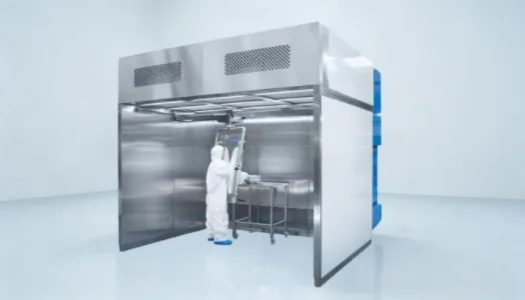
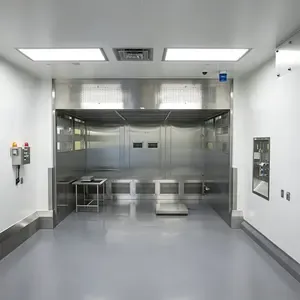
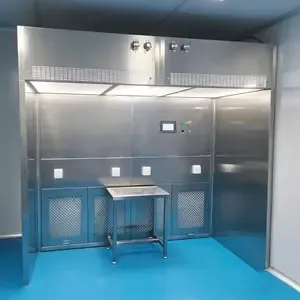
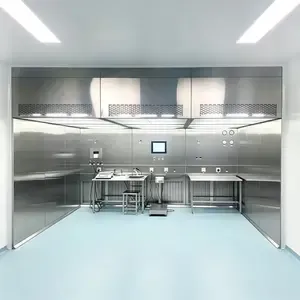
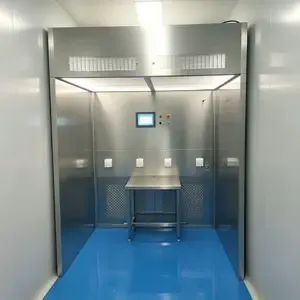
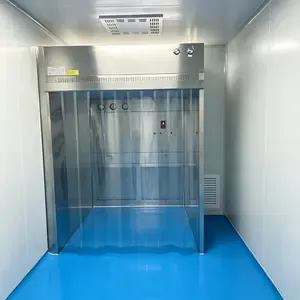
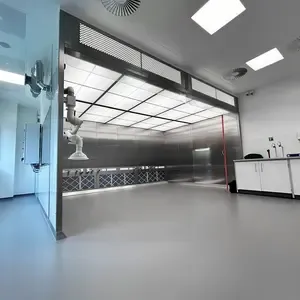
Downflow Booth is a cleanroom device specifically designed for workplaces requiring high cleanliness levels, it can provide you with a dust-free and pollution-free working environment.

It continuously delivers filtered clean air to your work area from top to bottom, this will quickly remove the dust and impurities that are already in the air, on the one hand, ensure the operator's breathing safety, on the other hand, maintain your work environment in a stable, clean, and reliable state.

/uploads/allimg/20260724/1-260H4163232924.webp

Need a reliable downflow booth solution?

Our expert team engineers customized downflow booths for safe powder handling, precise weighing, and contamination‑controlled sampling in your critical environments.

Types Of Downflow Booths

Explore Deiiang Downflow Booths engineered for uniform downflow, effective operator and product protection, and compliant performance in pharmaceutical, biotech, food, and high‑tech manufacturing facilities.

Product Feature

Negative-Downflow-Booth-compare.webp
Negative Downflow Booth
VS
Vertical-Laminar-Flow-Hood-compare.webp
Vertical Laminar Flow Hood

Negative Downflow Booth

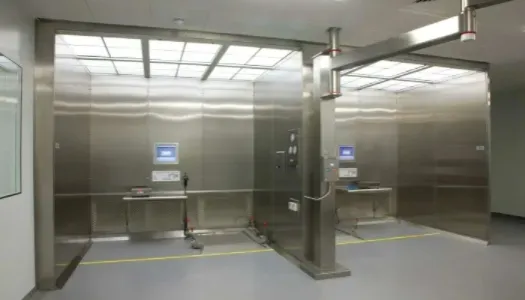
The clean air, filtered by a HEPA filter, is blown out from top to bottom of the room while the entire room is kept under a slightly negative pressure. This ensures that no airborne dust can reach the operators.

It is best suited for use in powder weighing, sampling, and dispensing. The key is to protect people and the workshop environment, instead of creating a completely sterile work area.

It offers a reasonable balance of protection and practicality.It has a good sealing effect, the operating space is not too compact, and it can generally be easily connected to existing air conditioning and ventilation systems.

If the biggest problem in your clean area is human exposure or cross-contamination between rooms, rather than the need for sterile/ultra-cleanliness processes, then I recommend that you choose this option.

This maintenance checks a few key components for clean room maintenance like filters, airflow and face velocity and makes sure all the requirements for clean and safe work are still met.

Vertical Laminar Flow Hood

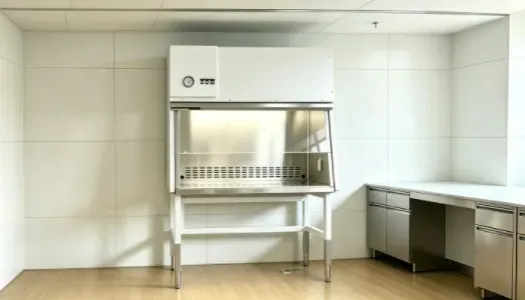
The clean air is blown downwards using a row of high-efficiency filters at the top of the work area, creating a layer of stable vertical airflow, this separates particles and contaminants from the product.

Suitable for situations where product protection is the priority,  examples include aseptic operation, making of culture medium and clean assembly.

It only offers limited protection for operators, it usually needs to be done in conjunction with other protective measures.

It is generally selected when your pollution control strategy clearly requires a certain ISO cleanliness level to be achieved in the operation.

As routine maintenance of the system, checking the filter, air velocity and flow field uniformity and cleaning of the products surface and pre-filter thoroughly are necessary.

Technical Resources

Total 0 resources

Industry Applications

Pharmaceutical-Manufacturing-Downflow-Booth.webp

Pharmaceutical Manufacturing

In pharmaceutical factory processes such as weighing and packaging, which generate a lot of dust, Deiiang Downflow Booths can clean up the site effectively, reduce the risk of cross-contamination. Make it easier for your cleanroom to pass GMP inspections, no major layout changes are needed.

Send inquiry Now
Biologics-Biotech-Labs-Downflow-Booth.webp

Biologics & Biotech Labs

In the biotechnology workshop, using Deiiang Downflow Booths allows for safe and stable handling of powders and excipients, even in a non-fully enclosed environment, it can perfectly protect objects and people. With it, you don't have to use an isolator.

Send inquiry Now
API-HPAPI-Production-Downflow-Booth.webp

API & HPAPI Production

When producing highly active pharmaceutical ingredients, the purpose of Deiiang Downflow Booths is to add an extra layer of protection for critical steps such as material feeding and sampling, reduce personnel safety risks.

Send inquiry Now
Solid-Dose-OSD-Plants-Downflow-Booth.webp

Solid Dose / OSD Plants

In the tablet and capsule workshop, Deiiang Downflow Booths can reduce dust contamination between batches, do cleaning inspections for you, maintain the cleanliness level within the required range.

Send inquiry Now
Food-Nutraceuticals-Downflow-Booth.webp

Food & Nutraceuticals

When producing and processing food and health products, Deiiang Downflow Booths can control the dust generated by powders containing fragrances, vitamins, and additives, reduce cross-contact, lower the risk of allergen and labeling issues.

Send inquiry Now
Chemical-Fine-Chemical-Downflow-Booth.webp

Chemical & Fine Chemical

At the fine chemical plant site, Deiiang Downflow Booths provide a relatively safe operating area for weighing and sampling processes, it is especially suitable for factories that are not convenient to install fully enclosed or large duct systems.

Send inquiry Now

How to Work With Us

Upload CAD File

Upload a CAD File

To start, simply select a manufacturing process and upload a 3D CAD file.

Get Quote with DFM

Get Quote with DFM

Within a few hours we'll send you design for manufacturability (DFM) analysis and real-time pricing.

Manufacturing Begins

Manufacturing Begins

Once you review your quote and place your order, we'll start the manufacturing process. We also offer finishing options.

Parts are Shipped

Parts are Shipped!

Our digital manufacturing process allows us to produce parts in as fast as 1 day.

ABOUT

Learn More About Deiiang Downflow Booth

GpCnCiSvYVA YouTube Video

Engineered for strict pharmaceutical and chemical safety, the Deiiang™ Downflow Booth (Dispensing Booth) provides an uncompromising barrier against airborne dust and cross-contamination. Our systems utilize a precision-balanced vertical laminar airflow to push dust downward and away from the operator’s breathing zone, achieving containment performance that exceeds OEL (Occupational Exposure Limit) requirements.

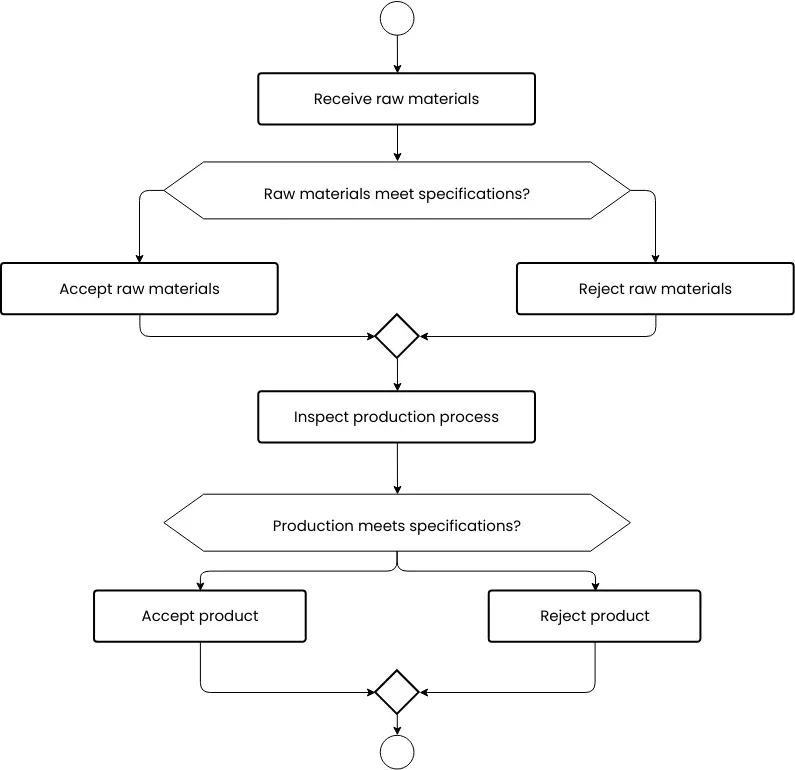
Deiiang Downflow Booth Quality Control Flowchart

traffic-cone-quality-control-flowchart.webp

Response within 24 hours

Customer feedback reflects our value—take a look at what our customers say about our products and services.

Since installing Deiiang's Downflow Booth, our clean area has become much cleaner and safer. Previously, we were always troubled by dust problems when repackaging products, but now there's no need to worry about these issues at all. I am very satisfied with this purchase experience, looking forward to the next collaboration.

Farid Khoury

I purchased several downflow booths for our pharmaceutical factory, and they are used for weighing and sampling APIs, this is so much better than our previous open work surface. I can easily list many of its advantages, for example, it has stable airflow, low noise, and easy-to-clean countertop...The occupational health team was also very satisfied with the audit data, they said our weighing area is now under very good control.

Petra Benesova

This Downflow Booth perfectly met our expectations, it removes all the dust, dust no longer floats everywhere in the hallways and on the ceiling. It is not as troublesome to use as an isolator. Although the protection level is not as high as that of an isolator, it is more than sufficient for our moderately toxic product.

Ricardo Pineda

Deiiang's Downflow Booth worked perfectly in our small sampling room, it can also be operated and processed very conveniently. Now, when the inspectors ask us how we control dust, we have a clear and presentable solution.

Chloe Walker

We installed two Deiiang Downflow Booths in the solid dosage form workshop, this solved the long-standing problem of cross-contamination between batches, exactly what I was looking for. Our employees have a great feeling about this product, they said that there was no sense of confinement when operating inside. Deiiang's after-sales service is also excellent, and I highly recommend them.

Pranav Desai

With stable airflow, good quality, works as described and arrived on time. Deiiang does an excellent job with product packaging, no damage was found upon delivery of the goods. Really satisfy with this purchase.

Mette Andersen
Frequently Asked Questions (FAQ)
What is a downflow booth?

A downflow booth can be understood as a small room with a constant airflow, it will blow filtered, clean air from top to bottom into your work area, this ensures safe and low-risk operation. Its main function is to isolate impurities in the air when you are performing sensitive processes or handling sensitive products, this ensures that it won’t affect product quality and safety.

This product typically uses high-efficiency filters such as HEPA or ULPA, it filters the absorbed pollutants, this ensures that the work area is maintained at a relatively high level of cleanliness.

The airflow in this room is strictly controlled, this will ensure that a slightly negative pressure environment is created, this makes it easier for dirty air to be absorbed. At the same time, the descending airflow will carry the particles generated during operation down to the exhaust vent or filter, instead of floating onto the operator's face.

It is commonly used in electronics manufacturing, pharmaceuticals, medical device production, and various laboratories, it can be used in almost any process that is sensitive to dust/particles.

How does the downflow booth work?

The core working principle of a downflow booth is to use high-efficiency filtration for air supply at the top and exhaust/recover gas at the bottom or rear. Clean air is delivered from the top via high-efficiency filters, a uniform vertical downward airflow is formed, which controls the dust in the lower part of the operating area, and then the polluted airflow is drawn away through the return air vent.

This prevents operators from inhaling dust, also prevents dust from spreading to other areas of the cleanroom.

Where can we use the downflow booth?

Downflow Booths are suitable for any process that easily generates dust. Typical application scenarios include weighing pharmaceutical raw materials and excipients, adding ingredients, pretreatment before powder mixing, product packaging/dispensing, and processing of powder samples in laboratories and pilot production lines.

For factories that need to comply with GMP or ISO 14644, downflow boots are often used as critical local protective facilities in dusty processes. It can both improve the safety of cleanrooms and serve as strong evidence during verification and auditing, many pharmaceutical companies recommend its use in their technical guidelines.

What standards are typically referenced for downflow booths?

Air cleanliness: ISO 14644 series

HEPA filter: EN 1822 / ISO 29463

General guidelines for pharmaceutical plants: WHO TRS, EU GMP, ISPE Baseline, etc.

These documents all clearly state that dust and particulate matter should be controlled through methods such as localized downdraft ventilation. In real-world projects, it is even more important to provide accompanying IQ/OQ documentation, wind speed and smoke test reports, and, if necessary, particle count or dust exposure test data.

We can also provide relevant data to prove that Downflow Booth's performance meets relevant standards and design goals.

Is Downflow Booth enough for occupational protection?

For most dusty operations, a well-designed downflow booth can significantly reduce the risk of operator exposure, it is one of the commonly recommended measures in EHS audits. It works through a stable descending airflow, keep dust contained below the operating platform, when used in conjunction with protective clothing, it can meet the occupational health requirements of the vast majority of pharmaceutical, food, and chemical companies.

However, for highly toxic materials with exceptionally high OEB levels, it often requires integrating downflow booths with isolators, closed-loop conveyors, and other solutions, to meet more stringent OEL requirements.

How to choose a downflow booth?

To choose a suitable Downflow Booth, we recommend focusing on three key aspects: technology, site, and standards. In terms of technology, first understand the characteristics, toxicity, and processing time of the dust from the material you need to handle, then decide what wind speed and what kind of filter configuration are needed.

For the site, verify the floor height, power supply, ventilation conditions, and whether there are any restrictions on renovation; regarding standards, consider whether you are following GMP, ISO 14644, or your internal EHS standards.

Please provide this information before making a purchase, then we can recommend the most suitable Downflow Booth for your needs, instead of simply comparing size and price.

How do I maintain and validate Downflow Booth on a regular basis?

To maintain the long-term performance and lifespan of the Downflow Booth, it is recommended to establish a regular maintenance and verification plan. During routine maintenance, you can check the differential pressure gauge or the filter differential pressure in the control system, check if the wind speed is within the set range, and confirm if the airflow direction is normal through a smoke test.

Furthermore, you should conduct a comprehensive Operation Qualification test and revalidation at regular intervals (e.g., annually), including filtration integrity testing, wind speed and airflow testing, and necessary particle counting.

Finally, please check the efficiency of the HEPA filter and whether it is clogged regularly, if a problem is found, it should be promptly replaced and tested by trained professionals, to ensure that the Downflow Booth is always in optimal condition.

How to choose Downflow Booth?

1

Industry Standards

Identify the execution standards applicable to your Downflow Booth and industry (e.g., ISO 14644, GMP, WHO TRS, FDA / ISPE guidance for powder handling).

2

Process Layout

Based on your material handling process (weighing, dispensing, sampling, charging), determine the optimal Downflow Booth position, opening direction, and operator workflow.

3

Core Parameters

Define target exposure level (OEL/OEB), required ISO class (or background GMP grade), and key parameters such as face velocity, airflow volume, and noise limits for your Downflow Booth.

4

Wall Material

Select based on your environment: Powder‑coated steel (cost‑effective), HPL (scratch‑resistant), or Stainless Steel 304/316L (frequent cleaning and aggressive sanitization).

5

Airflow Strategy

Choose recirculating Downflow Booth (energy‑saving, stable airflow) or partial‑exhaust design (for higher‑risk dust, connection to plant exhaust) according to your process and EHS requirements.

6

Compliance & Industry

Ensure design of the Downflow Booth meets GMP/FDA expectations for pharma/medical, or specific requirements for food, cosmetics, fine chemicals, or other regulated industries.

7

Future Flexibility

Opt for a modular Downflow Booth design if you anticipate changing equipment, adding more weighing stations, or relocating/expanding the production area later.

Follow these steps to select the ideal Downflow Booth for your application.

Home

PHONE

Email

Inquiry