+86 13638632902
 Jason@cleanroomequips.com


 MENU
MENU
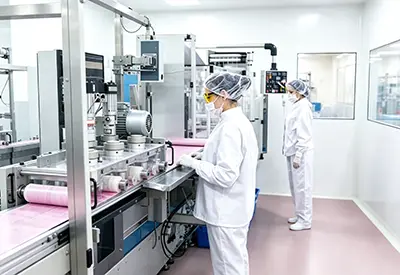
Biological cleanrooms merge microbial control + biosafety + airtight fireproofing. BSL‑3 requires ≤‑40Pa; BSL‑4 ≤‑60Pa. ISO grades follow GB/ISO standards. Materials must resist VHP sterilization and meet fire rating A.
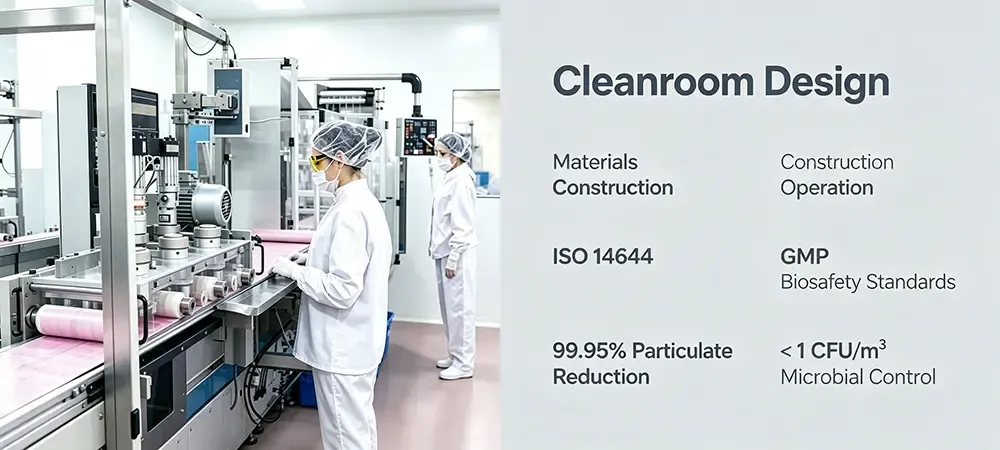
This guide explains cleanroom design, cleanroom materials, cleanroom construction, and operation. It covers iso 14644, GMP, and biosafety standards for building or upgrading a biological cleanroom. A properly executed sterile cleanroom project reduces particulate levels by 99.97% and maintains microbial counts below 1 CFU/m³ in critical zones.
What Is a Biological Laboratory Cleanroom
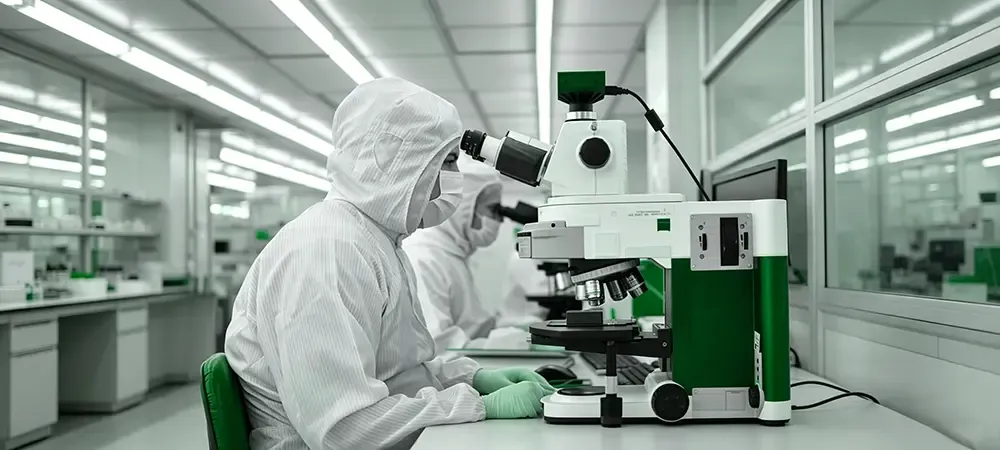
A biological cleanroom controls airborne particles, microbes, temperature, humidity, and pressure. It protects samples, operators, and the environment. Compared to industrial cleanrooms, it focuses on contamination control of microorganisms, uses negative pressure for biosafety, and requires frequent bio‑decontamination. Human operators shed roughly 100,000 particles per minute, making gowning and behavioral protocols just as critical as engineering systems.
Definition & Basic Concepts
A cleanroom is a controlled space where airborne particle concentration is limited, and temperature, humidity, pressure, and airflow are regulated. It is not just a “clean” room but a fully engineered sterile cleanroom system. ISO 14644‑1 defines particle limits by size; GMP adds viable microbe limits.
Biological vs. Industrial Cleanrooms
| Aspect | Industrial | Biological |
|---|---|---|
| Control Core | Particulates | Microbial |
| Pressure | Positive | Negative/gradient |
| Filtration | HEPA particles | HEPA + bio‑inactivation |
| Material | Non‑shedding | Chemical‑resistant |
| Sterilization | Not required | Periodic VHP |
Industrial vs. Biological Cleanroom
ControlIndustrial: Particulates
Biological: Microbial
Biological: Microbial
PressureIndustrial: Positive
Biological: Negative/gradient
Biological: Negative/gradient
FiltrationBiological: HEPA + inactivation
MaterialBiological: Chemical‑resistant
SterilizationBiological: Periodic VHP
Hazards of Microbial Contamination
Contamination causes sample loss, personnel infection, environmental release, and cross‑contamination. In cell‑culture suites, a single mould spore can invalidate months of work. A biological cleanroom must therefore prioritize microbial control from design through daily operation, with validated kill rates of 6‑log reduction during VHP sterilization cycles.
Cleanliness Classification Standards
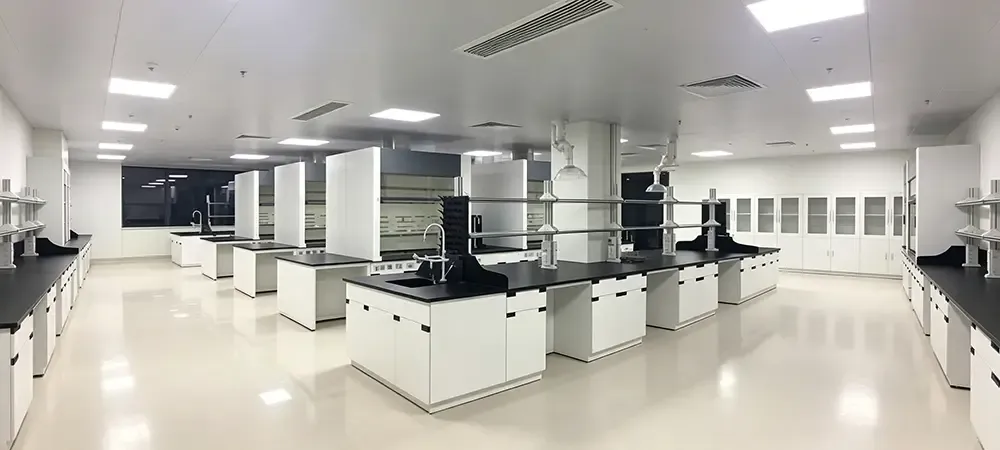
Contamination control relies on correct classification. ISO 14644 defines particle limits; GMP sets microbial limits for pharmaceutical sterile cleanroom operations. Biosafety labs follow GB 50346 for pressure and cleanliness. For example, an ISO 7 room must hold ≤352,000 particles ≥0.5µm per m³, while GMP Grade B adds a settle‑plate limit of ≤5 CFU/4h.
ISO 14644
| ISO | ≥0.5µm particles/m³ | Typical Use |
|---|---|---|
| 5 | ≤3,520 | Aseptic filling, cell culture |
| 7 | ≤352,000 | Sterility testing, micro limits |
| 8 | ≤3,520,000 | Clean corridors, gowning |
ISO 14644
⚠️ ISO 14644 does not specify microbial limits. Use GMP for bioburden.
gmp grades A‑D
| Grade | Airborne (CFU/m³) | Settle (CFU/4h) | Application |
|---|---|---|---|
| A (ISO 5) | ≤1 | ≤1 | Aseptic filling point |
| B (ISO 5/7) | ≤10 | ≤5 | A grade background |
| C (ISO 7/8) | ≤100 | ≤50 | Compounding |
| D (ISO 8/9) | ≤200 | ≤100 | General clean |
A≤1 CFU/m³, ≤1 CFU/4h
B≤10 CFU/m³, ≤5 CFU/4h
C≤100 CFU/m³, ≤50 CFU/4h
D≤200 CFU/m³, ≤100 CFU/4h
Biosafety Levels (BSL)
| BSL | Cleanliness | Pressure | Agent Risk |
|---|---|---|---|
| 1 | General | None | Non‑pathogenic |
| 2 | ≥ISO 8 | Negative/zero | Moderate |
| 3 | ISO 7 | ≤‑40Pa | High individual |
| 4 | ≥ISO 7 | ≤‑60Pa | High individual & community |
Biosafety Levels
BSL‑1General ventilation
BSL‑2ISO 8+, negative
BSL‑3ISO 7, ≤‑40Pa
BSL‑4ISO 7+, ≤‑60Pa
Core System Components
The HVAC system and VHP sterilization define a biological cleanroom. Deiiang™ panels withstand over 200 VHP cycles, validated by third‑party reports. In a typical ISO 7 setup, air change rates of 30–60 per hour are required, demanding robust ductwork and precise pressure control.
HVAC Purification
The HVAC chain includes: fresh air + mixing → G4 pre‑filter → cooling/heating (RH 40–60%) → F7–F9 medium filter → H13/H14 HEPA filter → supply air. Medium filters protect HEPAs; HEPA efficiency is ≥99.95% at 0.3µm. A pressure drop across the HEPA of 250–500 Pa is typical at end of life.
Airflow: Unidirectional vs. Non‑Unidirectional
Unidirectional (laminar): Air moves in parallel streamlines, 300–600 air changes/h, for ISO 5 (Grade A). Non‑unidirectional (turbulent): Dilution mixing, 15–60 changes/h, for ISO 6–8. Turbulent airflow still achieves high cleanliness when properly balanced with sufficient filtration and pressure differentials.
Pressure Differentials
Positive gradient: core +25Pa > auxiliary +20Pa > corridor +15Pa > gowning +10Pa. Negative gradient (BSL‑3): core ≤‑40Pa > semi‑contaminated ≤‑25Pa > buffer ≤‑10Pa. Control via relief dampers or VFD fans with pressure transmitters. A ±3Pa stability band is achievable with well‑tuned VFD systems.
VHP Sterilization Process
Dehumidification: Reduce RH<40% (30–60 min)
Injection: H₂O₂ at 200–1000 ppm (30–60 min)
Dwell: Maintain concentration, room sealed (60–120 min)
Aeration: Exhaust to<1 ppm (30–60 min)
Envelope & Finishing
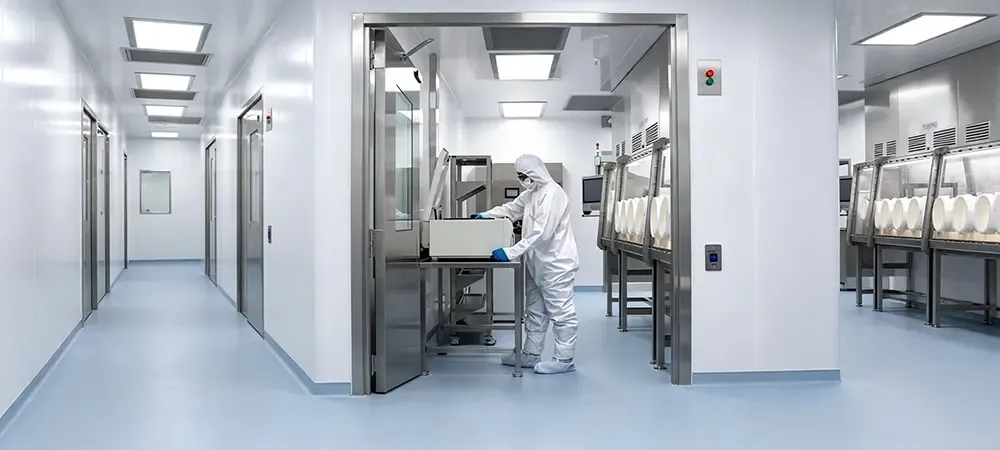
Cleanroom materials must be fire‑rated (Grade A), VHP‑resistant, and non‑shedding. Deiiang™ rockwool panels (50mm, 0.035 W/m·K, PVDF face) are tested for ≥200 VHP cycles. Panels with mineral‑wool cores also provide acoustic attenuation, reducing HVAC noise by up to 8 dB.
Wall Panels
Core: rockwool (A) or honeycomb (B1); face ≥0.5mm steel
Coating: PVDF or antimicrobial; Deiiang™ panels use PVDF for chemical resistance
Joints: Tongue‑and‑groove + neutral silicone sealant
Flooring
Epoxy (2–3mm): seamless, excellent chemical/VHP tolerance, for ISO 5–7. PVC: heat‑welded seams, anti‑static available, not for high‑temperature zones. Epoxy typically withstands 10% H₂O₂ vapor without discoloration.
Airtight Elements
Doors: EPDM or silicone seals, electromagnetic interlock. Deiiang™ EPDM strips have rebound ≥85%, for 3–8mm gaps. Cove corners: R≥30mm to eliminate dead zones. Penetrations: Fire‑rated sealant or modules; duct gaps filled with non‑combustible material. Firestop materials must match wall rating (≥1.5h).
Fire Ratings
| Location | Rating |
|---|---|
| Wall core | Grade A |
| Ceiling (walkable) | Grade A |
| Flooring | B1 |
Fire Ratings
Wall coreGrade A
CeilingA or B1
FlooringB1
Key Equipment
Equipment forms the operational backbone of a sterile cleanroom. BSCs, air showers, and water systems must integrate seamlessly with the cleanroom construction envelope. Even small devices like pass‑through boxes must maintain interlock integrity to avoid pressure disruption.
Biological Safety Cabinets
| Class | Airflow | Protection |
|---|---|---|
| II A2 | 70% recirc, 30% exhaust | Personnel, product, environment |
| II B2 | 100% exhaust | For volatiles |
| III | Glove box | BSL‑4 agents |
BSC Types
II A270% recirc – most common
II B2100% exhaust – volatiles
IIIGlove box – BSL‑4
Annual HEPA filter leak test required; downflow 0.25–0.50 m/s, inflow ≥0.50 m/s.
Pass‑Through & air showers
Pass‑through boxes use UV (≥30 min) with mechanical interlock. Air showers blow 15–30 s with interlocked doors. Buffer rooms create stepwise pressure transitions (5–10Pa per stage).
Purified Water
PW (≥0.5 MΩ·cm) via RO; WFI (≥1.0 MΩ·cm, pyrogen‑free) via RO+distillation/EDI. WFI loops run >70°C in 316L electropolished piping with periodic heat sanitization (≥80°C, 1h). Biofilm formation is prevented when flow velocity exceeds 1.5 m/s.
Construction & Acceptance
Cleanroom construction follows “dirty first, clean last.” Deiiang™ panels allow MEP rough‑in before final sealing. The HEPA filter leak test (PAO) is the final gate. Early sequencing of ductwork cleaning drastically reduces post‑construction particle counts.
Construction Sequence
Preparation & layout
Steel framing & MEP rough‑in
Envelope (panels, ceiling)
HVAC & duct installation
Flooring (epoxy/PVC)
Equipment set
Commissioning & PAO testing
PAO Leak Test
Upstream PAO aerosol (10–20 µg/L). Scan downstream; penetration ≤0.01% (H13) or ≤0.005% (H14). Leaks often from gasket compression; Deiiang™ protocol compresses gaskets to 25–30% of original thickness.
Cleanliness Testing
Test suspended particles, airborne microbes, settle plates, air velocity, and pressure differential per GB/T 16292–16294 and ISO 14644. All sampling points must pass. At least 2 points for rooms ≤10 m², plus additional points proportional to area.
Case: Shanghai biopharma ISO 7 retrofit (420 m², 10‑week delivery). Used Deiiang™ 50mm rockwool panels + PVDF, EPDM double seals. PAO pass 100%, pressure stable ±5Pa, no corrosion after VHP cycles. Designer: Jason.peng.
Daily Operation & Maintenance
Maintaining a sterile room demands rigorous SOPs. People shed ~100,000 particles/min — the largest contamination source. Consistent logging of temperature and pressure trends helps predict filter loading and damper drift.
HVAC Daily Checks
Temp 18–26°C, RH 40–60% (each shift)
Pressure differentials within ±5Pa of baseline
Filter pressure drop: replace when doubled
Filter Replacement
| Filter | Trigger | Cycle |
|---|---|---|
| G4 pre | Resistance doubled | 1–2 months |
| F7–F9 | Resistance doubled | 3–6 months |
| H13/H14 | PAO fail or >2× resistance | 3–5 years |
Filter Cycles
G41–2 months
F7–F93–6 months
HEPA3–5 years
Cleaning & Disinfection
Rotate 75% ethanol, 0.1% benzalkonium chloride, 500 mg/L chlorine. Daily: surfaces & floor. Weekly: walls & grilles. Monthly: ceiling. VHP sterilization every 1–3 months; never spray liquids on HEPA.
Gowning (ISO 7)
Outer room: change shoes. Inner room: cap, mask, coverall, gloves (cuffs over sleeves). Air shower 15–30 s. No paper or pencils; garments washed twice weekly.
Regulations & Standards
Cleanroom design must follow GB 50346, GB 19489, and GMP. ISO 14644 is the global baseline. Mandatory clauses affect cleanroom construction permits. Regular audits ensure ongoing compliance with evolving national and international requirements.
Key Standards
| Standard | Scope | Mandatory |
|---|---|---|
| GB 50346 | BSL building tech | Partial |
| GB 19489 | Biosafety general | Yes |
| GB/T 16292‑16294 | Pharma cleanroom tests | Recommended |
| ISO 14644‑1 | Classification | International |
| GMP (2010) | Aseptic production | Yes (pharma) |
Key Standards
GB 50346BSL building – partial mandatory
GB 19489Biosafety – mandatory
ISO 14644‑1International classification
GMPPharma – mandatory
Compliance Tips
Design to both GB 50346 and GB 19489
Third‑party witness for HEPA installation & PAO
CMA‑accredited testing for acceptance
Maintain SOPs and logs; review every 2–3 years
References
ISO 14644‑1:2015 – ISO.org
GB 50346‑2011 – Chinese Standard
GB 19489‑2008 – Chinese Standard
GB/T 16292‑2010 – Chinese Standard
WHO Lab Biosafety Manual – WHO.int
GMP (2010) – NMPA China
Deiiang™ technical datasheets – Deiiang.com
Glossary
| Term | Definition |
|---|---|
| HEPA H13/H14 | ≥99.95% / 99.995% at 0.3µm |
| PAO test | Aerosol leak test; penetration ≤0.01% |
| VHP | Vaporized H₂O₂; aeration to<1 ppm |
| EPDM | Ethylene propylene rubber seal, ‑40 to 120°C |
| BSL | Biosafety level 1–4 |
Glossary
HEPA≥99.95% at 0.3µm
PAOLeak test ≤0.01%
VHPVaporized H₂O₂, safe<1ppm
EPDMSeal, -40 to 120°C
BSLLevels 1–4
Engineered by Deiiang™ Cleanroom Systems
Product Designer: Jason.peng | Deiiang.com
© 2026 Deiiang™. Always consult regulations and qualified engineers for project requirements.