+86 13638632902
 Jason@cleanroomequips.com


 MENU
MENU
The protocol describes the cleanroom particle excursion event in sufficient detail to enable implementation of the immediate incident containment, root cause analysis and measures to prevent recurrence of such events. The protocol complies with global and local regulatory requirements (e.g. iso 14644, FDA 21 CFR, EU GMP Annex 1, China GB 50073-2013) for facilities used for production of pharmaceuticals, for production of electronic or other equipment, and for life science applications.
Excursion Severity Grading System
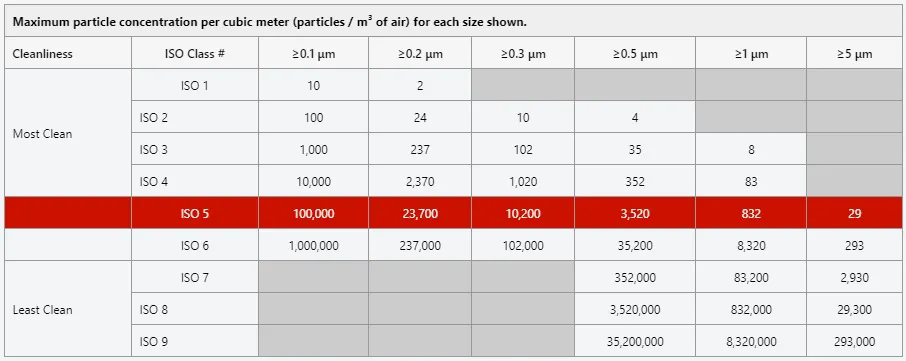
The particle excursions can be classified into three severity levels, based on the magnitude of exceedance relative to the cleanroom’s designated ISO class limits. The classification into these three levels of severity enables a proportional response to be allocated, thereby avoiding unnecessary production disruption.
5AuEqtXzbgg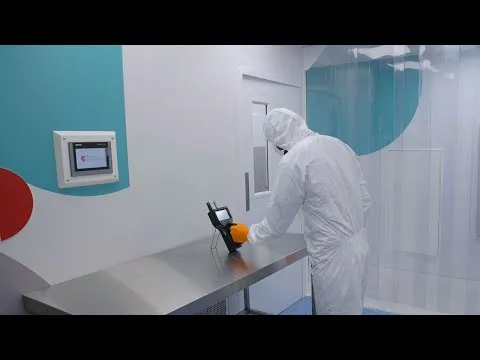
| Severity Level | Concentration Exceedance (vs. ISO Class Limit, ≥0.5μm) | Response Tier | Notification Scope | Resolution Time SLA |
|---|---|---|---|---|
| Level 1 – Minor | 1.0× – 2.0× limit, sustained ≥ 2 sampling cycles | On-site operator response | Shift supervisor, cleanroom operator | Resolve within 1 hour |
| Level 2 – Moderate | 2.0× – 5.0× limit, or multi-point concurrent exceedance | Cross-functional response team | Production manager, QA, engineering lead | Resolve within 4 hours |
| Level 3 – Critical | > 5.0× limit, or any exceedance in iso 5 / Grade A critical zones | Full emergency response activation | Plant management, regulatory affairs, client liaison | Contain within 2 hours; full resolution within 24 hours |
Emergency Response Process Overview
An 8-step emergency response process for particle excursion events is designed to enable Detection, Containment and Prevention of adverse product and compliance impacts in a systematic manner. EACH phase has defined time SLAs and contains elements of regulatory alignment to allow for consistent execution that is audit-able.
1
Immediate Identification & Notification
Rapid detection of particle concentration excursions and multi-channel notification to activate response teams.
2
Initial Response & Containment
Halting operations and isolating the affected area to prevent contamination spread to adjacent zones.
3
Assessment & Root Cause Investigation
Evaluate excursion scope and assemble cross-functional experts to complete formal root cause analysis.
4
Targeted Corrective Actions
Implement immediate fixes aligned with root cause findings to eliminate contamination sources.
5
Decontamination & Environmental Revalidation
Full-area decontamination followed by formal environmental validation to confirm return to cleanroom standards.
6
Stakeholder Communication
Timely updates to all relevant parties including operations staff, quality teams, and regulatory bodies.
7
Documentation & Regulatory Reporting
Comprehensive incident records and formal regulatory reporting to ensure full audit compliance.
8
Post-Incident Review & Continuous Improvement
Post-incident effectiveness evaluation and SOP updates to prevent future particle excursion events.
Each phase of the response protocol is critical for minimizing product quality impact and maintaining compliance with global cleanroom industry standards.
Phase 1: Immediate Identification & Notification
Rapid detection and initial notification of particle concentration excursions to activate the formal response team.
Key Activities:
Utilize automated real-time particle monitoring systems for threshold breach detection.
Trigger multi-channel alert systems (audible alarms, email, SMS) to operators, supervisors, and stakeholders.
Stream live particle concentration data to track concentration trends and to enable the tracking of the spread of particles.
Time SLA: Acknowledge Alert within 5 minutes and assemble response team within 15 minutes for Level 2+ events.
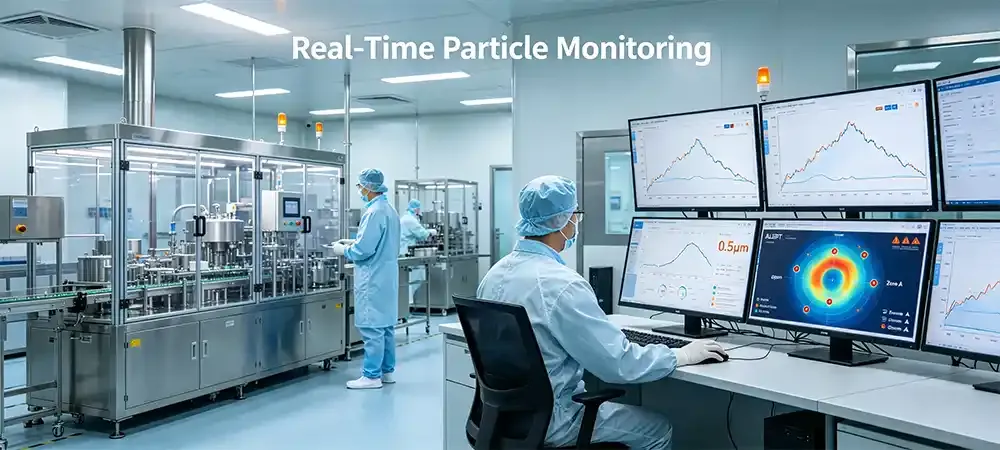
Automated Real-Time Particle Monitoring System
False Alarm Verification Step
Particle monitoring can generate false alarms up to 30% of all alarm situations, such as sensor calibration drift, temporary airflow changes, or other interferences. We recommend verifying the following within 10 minutes of an alarm in order to check for a production stop:
Cross-reference data from adjacent monitoring points to confirm spatial consistency of the excursion.
Dispatch on-site personnel to do a visual check on the area under investigation and see if there are any obvious contamination sources.
Check if the alarm is caused by a malfunctioning sensor by performing a quick self-calibration of the sensor.
Verify whether data from multiple independent sensors has confirmed the measured excursion. If not, the alarm must be classified as false and documented. In addition, the sensors affected by this alarm must be scheduled for recalcibration.
Outcome: Timely detection and verified alarm status to initiate a coordinated, proportional response within minutes of excursion occurrence.
Aligns with: iso 14644-2:2015, Clause 6 – Monitoring the cleanroom; FDA 21 CFR Part 211.160 – Laboratory control.
Phase 2: Initial Response & Containment
The priority of initial response is to contain the contamination event and prevent cross-contamination to adjacent cleanroom zones and unaffected product batches.
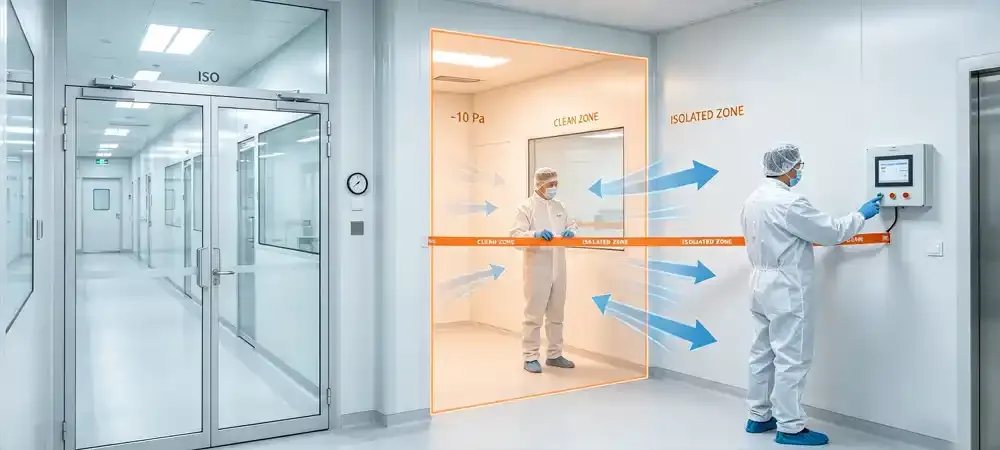
Cleanroom Area Isolation & Pressure Control Protocol
Key Containment Measures:
Immediately suspend all production operations and material transfer in the affected zone.
Establish physical cordoning and restrict access to the zone, and permit response personnel authorized by the Incident Commander.
Continuously monitor and maintain negative pressure in the affected area (at 10–15 Pa relative to adjacent areas) by readjusting HVAC systems as required.
Verify the differential pressure across all interzone doors within a 10 minute time frame to assess if airflow is reversing.
Field Insight (15+ Years On-Site Experience)
Over-adjusting of negative pressure in isolated areas may even reverse airflow in adjacent cleaner areas and distribute contamination within the cleaner areas. Always verify pressure differences for all surrounding cleanrooms, not only for the directly adjacent neighbor.
Act fast to contain the spread and to prevent exposure of products. Also cross-contamination has to be prevented for adjacent cleanroom suites.
Alignment to regulatory requirements for Cleanrooms: EU GMP Annex 1, Clause 7.8 Air handling systems; iso 14644-4:2019, Clause 7 Airflow design.
Phase 3: Assessment & Root Cause Investigation
This phase has two core objectives: first, to establish the full scope and severity of the excursion; second, to mobilize expert resources to identify the definitive root cause.
Investigation Steps:
Perform quantitative analysis (e.g. of the amount of particles, the distribution of these particles and the duration of these events).
Mobilize cross-functional response team (cleanroom operations, QA, process engineering, maintenance)
Analyze historical environmental monitoring data, HVAC performance logs, and equipment maintenance records.
Outline all processes affected, product batches and production time frames affected by this event.
Inspect HVAC systems, final filters, production equipment and the gowning of personnel for cleanliness.
Formally apply root cause analysis (using 5-Why for simple causes and Fishbone/Ishikawa diagrams for more complex multi-cause scenarios).
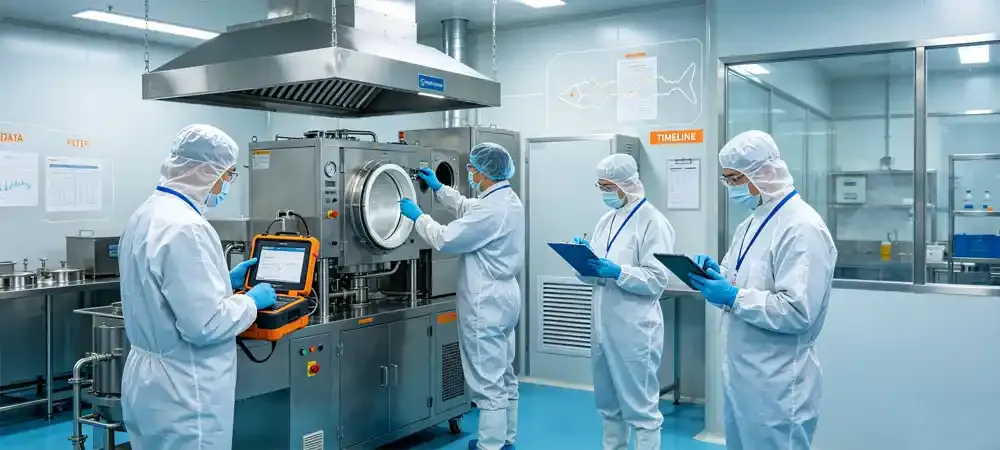
Cross-Functional Incident Response Team On-Site Investigation
Top 5 Most Common Root Causes of Particle Excursions
Based on analysis of 50+ cleanroom incident projects, over 85% of particle excursions originate from one of the following sources:
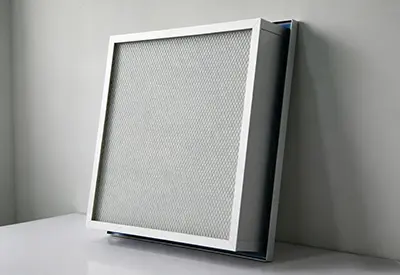
Filter leakage: Pinhole damage or seal failure in HEPA/ULPA terminal filters (≈35% of incidents)
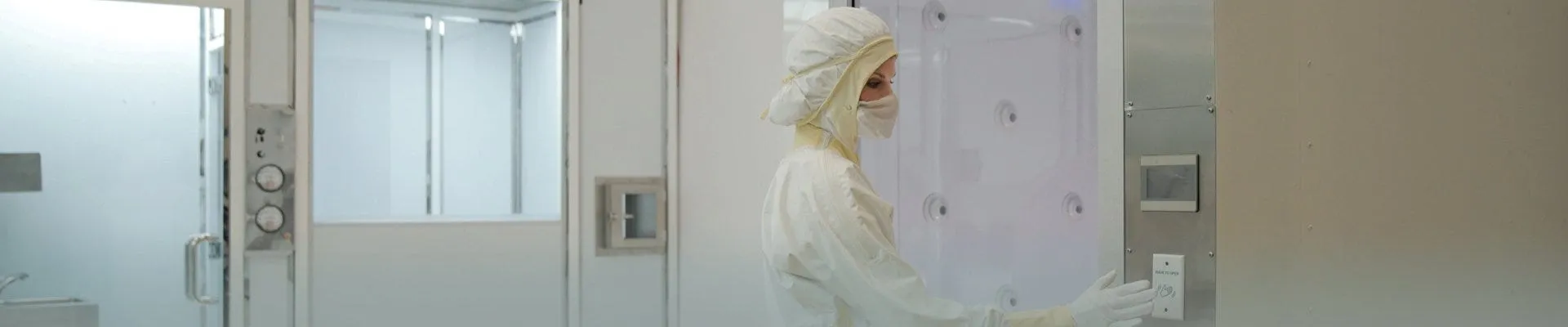
Personnel non-compliance: Individuals improperly attired for the clean area are rapidly moving through said area and are bringing in materials that are not supposed to be in the clean area (≈25% of incidents).
Equipment wear: This type of contamination can occur from friction between moving mechanical parts, and from the particles generated as a result.
Pressure imbalance: Unstable airflow as a result of malfunctioning HVAC systems or as a consequence of incorrect opening sequences for doors (≈15% of incidents).
Material-borne contamination: Materials (including packaging) that are dirty and not cleaned prior to use are introduced into the clean zone (≈10% of incidents).
Differentiated Requirements by Cleanroom Classification
Investigation rigor and impact scope scale with the cleanroom's ISO classification:
ISO 5 / Grade A zones:Full filter integrity testing (PAO scan) for all terminal filters in affected suites (and all other suites within affected suites). Investigate all up-stream and down-stream Process Areas (and all areas between processes) and treat all exposed product as having high risk of contamination.
ISO 6–7 / Grade B-C: Targeted filter testing within the affected area and a corresponding impact assessment limited to the investigated area and to material transfer paths that are directly connected.
iso 8 / Grade D zones: A focused investigation is conducted for obvious contamination sources. The impact to product for these areas will be determined on a case by case basis.
Product Impact Assessment & Material Disposition Rules
Evaluate all in-process and finished materials exposed to the excursion based on four core risk dimensions:
- Exposure duration:Length of time the material was present during the excursion
- Process stage:Was the product in an exposed, i.e. unprotected state or was it in sealed packaging?
Cleanroom classification: Intrinsic risk level of the operating zone
- Product criticality: What are the patient safety implications or product failure implications of particle contamination for a given material.
The Disposition outcomes for all findings are determined in a specific hierarchy: Full quarantine, Additional sampling & testing, Deviation release with quality approval approval, find a way to Repower, Scrap. All outcomes are formally approved by QA with corresponding documentation.
In this phase of the process we gather information to take effective and lasting corrective actions.
Regulatory alignment: FDA 21 CFR Part 211.192 (Production record review); EU GMP Annex 1 Clause 8.11 (Investigation of deviations); ISO 14644-2:2015 Clause 7
Phase 4: Targeted Corrective Actions
Implement prioritized corrective solutions directly addressing the identified root causes, with execution timelines proportional to risk severity.
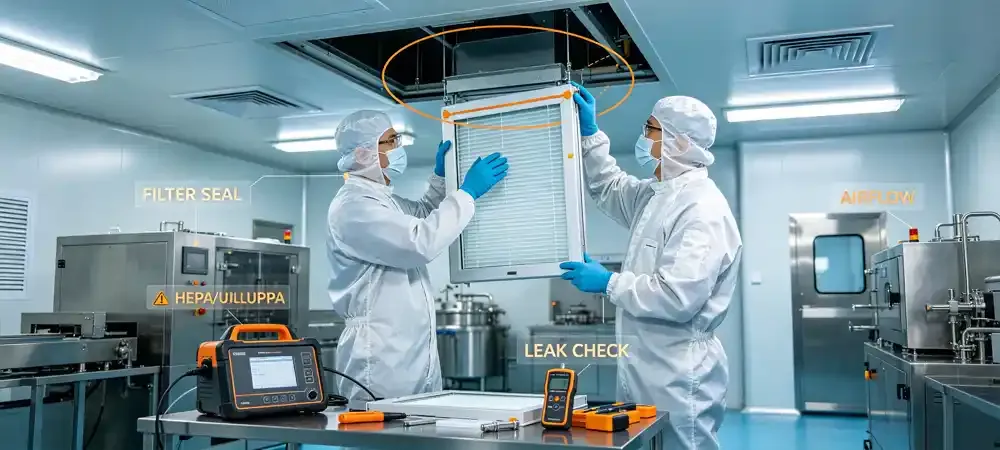
HVAC System & Filter Corrective Maintenance
Common Corrective Action Types:
- HVAC airflow rebalancing and differential pressure optimization
- On-site repair or full replacement of leaking HEPA/ULPA terminal filters
- Production process modification or equipment enclosure to eliminate generation sources
- Upgrade of equipment seals, gaskets, and material transfer interface systems
- Refresher training for personnel on gowning protocol and contamination control practices
Case Example
A 0.3mm pinhole leak in the frame of a ULPA filter was found to be the root cause of non-compliance for an iso 5 cleanroom dedicated to the production of electronic components. The filters in question were replaced, and a localized decontamination of the cleanroom area carried out. Cleanroom returned to full compliance within 4 hours.
Corrective actions for all critical risk items are addressed within the same shift for Level 2 and Level 3 events.
Regulatory alignment: FDA 21 CFR Part 211.166 (Corrective and preventive actions); EU GMP Chapter 8 (Complaints and product recalls)
Phase 5: Decontamination & Environmental Revalidation
Rigorous, structured decontamination procedures are executed to restore the cleanroom environment to its designated classification, followed by formal validation testing to confirm compliance before production resumption.
Decontamination Protocol:
Multi-stage wet cleaning with IPA-based disinfectants validated in wet cleaning and industrial HEPA-filtered vacuums.
Top-to-bottom sanitization of all surfaces, production equipment and fixed fixtures.
Deep cleaning of hidden areas such as behind return air grilles, in ceiling voids, within cable trays and underneath production equipment and fixed products.
HVAC system airflow flush and ductwork inspection for residual contamination.
Continuous real-time particle monitoring throughout the decontamination process and subsequent to its completion.
Industry Insight
Return air grilles, ceiling cavities and cable trays are the top 3 hidden contamination sources missed in 60% of sanitization operations, leading to secondary particle excursions within 72 hours of the initial event.
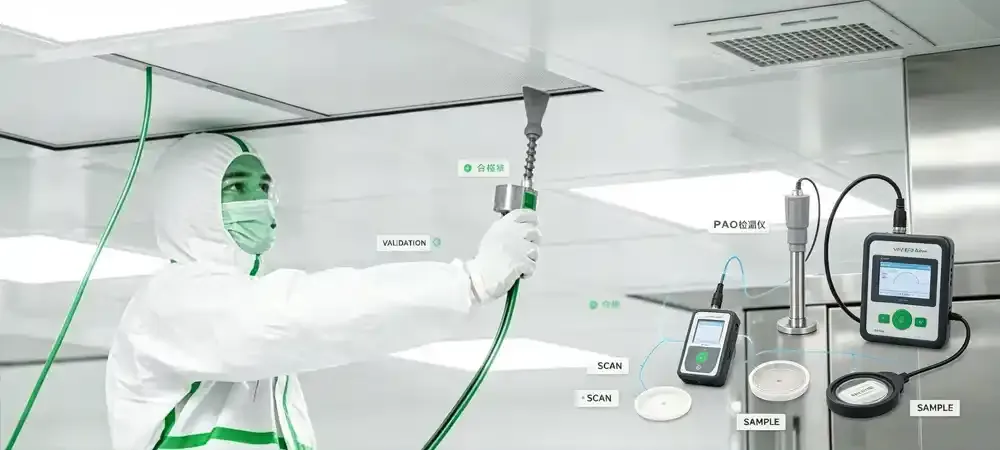
HEPA filter Integrity Testing & Cleanroom Validation
Environmental Revalidation Acceptance Criteria
Production may only resume after all of the following criteria are met and formally documented:
| Validation Parameter | Test Method | Acceptance Standard |
|---|---|---|
| Particle concentration (0.5μm & 5.0μm) | Continuous optical particle counting | Meet designated ISO class limits for 3 consecutive 15-minute sampling periods |
| Differential pressure | Calibrated pressure gauge verification | Maintain specified pressure gradient (≥10Pa between classification zones) |
| air change rate / airflow velocity | Hot-wire anemometer testing | Within 10% of original design specification |
| Surface bioburden (sterile facilities) | Contact plate / swab sampling | Meet regulatory limits for corresponding cleanroom grade |
Full revalidation confirms that the facility has been fully restored to its original cleanroom classification and compliance status.
Regulatory alignment: iso 14644-3:2019 (Testing methods); EU GMP Annex 1 Clause 7.11 (Cleaning and disinfection)
Phase 6: Stakeholder Communication
Structured, accurate communication throughout the response lifecycle ensures all relevant stakeholders are informed of incident status, impact, and resolution progress.
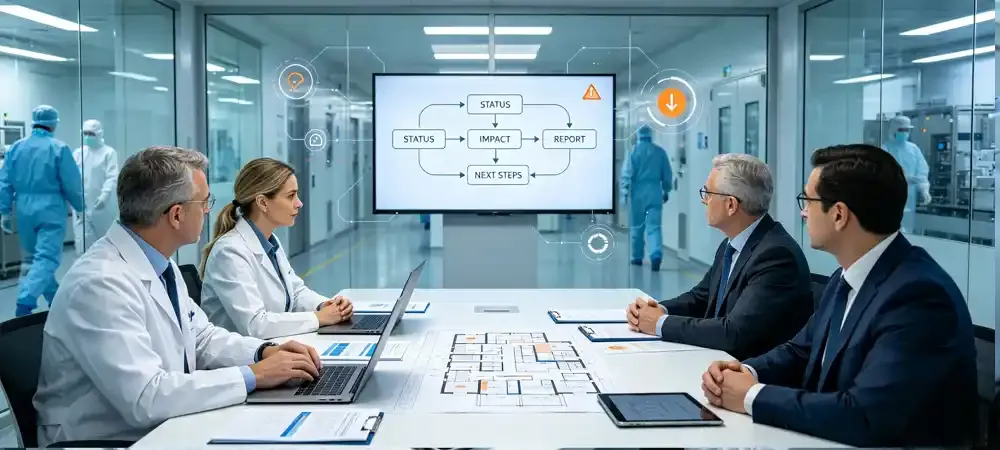
Regulatory & Stakeholder Communication Workflow
Communication Channels & Cadence:
- Daily shift briefings for all cleanroom personnel on incident status and access restrictions
- Formal written progress updates to quality assurance and regulatory affairs teams
- Urgent notification to clients and partners if confirmed product quality impact is identified
- Formal incident reports to regulatory bodies (FDA, NMPA, etc.) as required by compliance mandates
- Post-resolution cross-functional debrief meeting for knowledge sharing and process improvement
Timely, transparent, and accurate communication is essential for maintaining stakeholder trust and ensuring full regulatory compliance.
Regulatory alignment: FDA 21 CFR Part 211.180 (General requirements); EU GMP Chapter 7 (Outsourced activities)
Phase 7: Documentation & Regulatory Reporting
Comprehensive, time-stamped record-keeping ensures full traceability of the incident and response, and demonstrates compliance with regulatory requirements during audits and inspections.
Required Documentation Scope:
- Detailed incident log with exact timestamps, particle concentration data, and chronological action records
- Formal root cause analysis report with supporting data, photographic evidence, and team sign-off
- Corrective and preventive action (CAPA) plan with assigned responsible parties and completion deadlines
- Decontamination records and full validation test results with pass/fail criteria clearly defined
- Product disposition records with QA approval for all affected batches
- Regulatory submission packages when required by applicable compliance standards
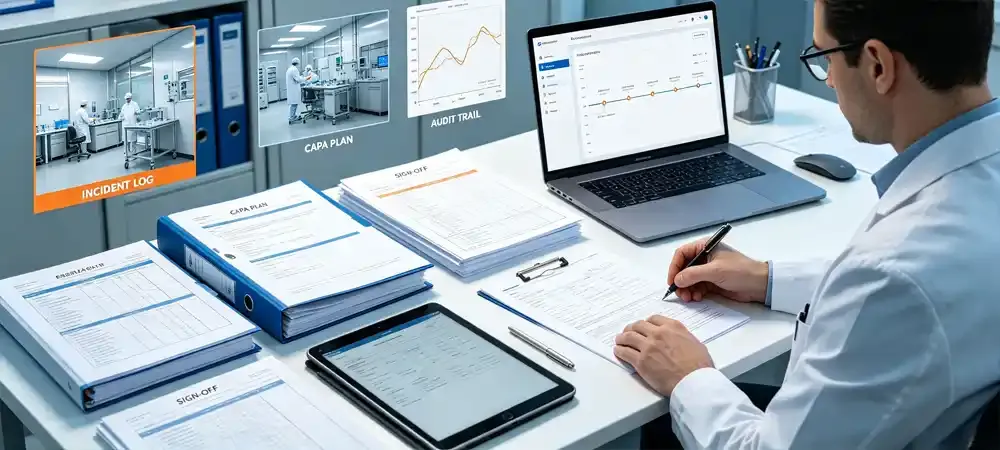
Regulatory Compliance Incident Documentation
All incident documentation is stored in a centralized, controlled document repository for easy retrieval during regulatory audits or future reference.
Regulatory alignment: FDA 21 CFR Part 211.192 (Production record review); EU GMP Annex 1 Clause 8.12 (Documentation); ISO 14644-2:2015 Clause 8
Phase 8: Post-Incident Review & Continuous Improvement
Formal post-incident review evaluates the effectiveness of the response process, identifies systemic gaps, and implements permanent improvements to prevent recurrence of similar events.
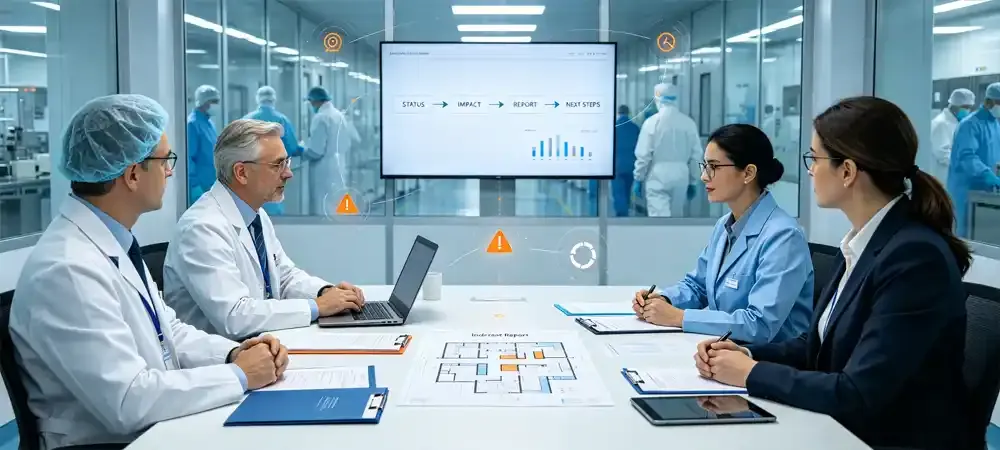
Cross-Functional Continuous Improvement Workshop
Improvement Action Areas:
- Structured post-incident review sessions to evaluate response speed, accuracy, and effectiveness
- Revision of standard operating procedures (SOPs) based on lessons learned from the event
- Enhanced training programs and targeted drills for cleanroom personnel
- Upgrade of monitoring systems, alert threshold calibration, and sensor coverage
- Implementation of preventive maintenance schedules for high-risk equipment and filtration systems
- Establishment of ongoing cross-functional continuous improvement teams
Protocol Effectiveness
Based on 50+ incident response projects for pharmaceutical and electronics cleanrooms across China, clients adopting this structured 8-phase protocol achieve a 72% reduction in average resolution time and a 58% drop in recurring particle excursions compared to unstructured, ad-hoc response workflows.
Regulatory alignment: FDA 21 CFR Part 820.100 (Corrective and preventive action); ISO 9001 Clause 10 (Improvement)
Key Success Factors for Effective Response
These critical success factors are derived from industry best practices and decades of on-site cleanroom incident management experience.
Automated Monitoring Systems
Advanced particle counters with real-time alerting enable sub-minute detection of concentration excursions.
Practical field data: Fixed-point monitoring misses approximately 30% of localized excursions. We recommend adding portable spot checks in high-risk zones (passboxes, gowning rooms, material airlocks) for all ISO 5+ cleanrooms.
Cross-Functional Response Teams
Dedicated, trained incident response teams with cross-functional expertise deliver fast, accurate root cause analysis for even the most complex contamination events.
Best practice: Assign clearly defined roles (Incident Commander, QA Lead, Engineering Lead, Operations Lead) before an event occurs to eliminate decision delays during response.
Regulatory Alignment
Response protocols designed and validated to meet ISO 14644, FDA, and EU GMP requirements ensure audit-ready compliance for every incident.
Local compliance note: For facilities in China, this protocol also aligns with GB 50073-2013 and China GMP Appendix 1, supporting full NMPA inspection readiness.
Continuous Training & Drills
Regular response drills and ongoing training programs maintain full team readiness for unexpected contamination incidents.
Training insight: Quarterly tabletop drills combined with semi-annual full-scale drills deliver 3x better response speed than annual theoretical training alone, based on our client training program data.
Regulatory References
This protocol is aligned with the following international and domestic cleanroom and pharmaceutical regulatory standards:
- ISO 14644-2:2015 – Cleanrooms and associated controlled environments – Part 2: Monitoring to provide evidence of cleanroom performance related to air cleanliness by particle concentration
- iso 14644-3:2019 – Cleanrooms and associated controlled environments – Part 3: Test methods
- ISO 14644-4:2019 – Cleanrooms and associated controlled environments – Part 4: Design, construction and start-up
- FDA 21 CFR Part 211 – Current good manufacturing practice for finished pharmaceuticals
- EU GMP Annex 1 (2023 Revision) – Manufacture of Sterile Medicinal Products
- GB 50073-2013 – Code for design of clean room (China national standard)
- China GMP Appendix 1 – Sterile Products (NMPA)
Frequently Asked Questions
What formally qualifies as a particle excursion in a cleanroom?
A particle excursion is defined as any sustained (≥ 2 consecutive sampling periods) particle concentration level that exceeds the maximum permitted limit for the cleanroom's designated ISO classification, as measured by calibrated, validated particle counting equipment. Single-point, transient spikes are investigated but not classified as formal excursions unless confirmed as sustained.
How long does cleanroom recovery typically take after a particle excursion?
Recovery time varies by severity: Level 1 minor excursions typically resolve in 30–60 minutes; Level 2 moderate events require 2–6 hours including decontamination and validation; Level 3 critical events involving filter replacement or extensive contamination may require 12–24 hours for full recovery and revalidation.
Is every particle excursion required to be reported to regulatory authorities?
No. Routine, minor excursions with no product impact are documented internally as part of routine environmental monitoring. Only excursions that result in confirmed product quality impact, deviation from registered processes, or violate regulatory reporting thresholds require formal notification to authorities. All reporting decisions require QA and Regulatory Affairs review.
How often should cleanroom personnel practice excursion response drills?
We recommend quarterly tabletop exercises and at least one full-scale simulated response drill per year for all cleanroom facilities. High-risk ISO 5 facilities should conduct full-scale drills semi-annually to maintain peak response readiness.