wap_menu MENU
X
Trusted by
companies like
FLIR Logo 1
electrolux Logo 3
abb Logo 4
bmw Logo 5
i-dent Logo 6
SINOPEC Logo 7
CATL Logo 8
INOVANCE Logo 9
EVE Logo 10
HONDA Logo 11
FOXCONN Logo 12

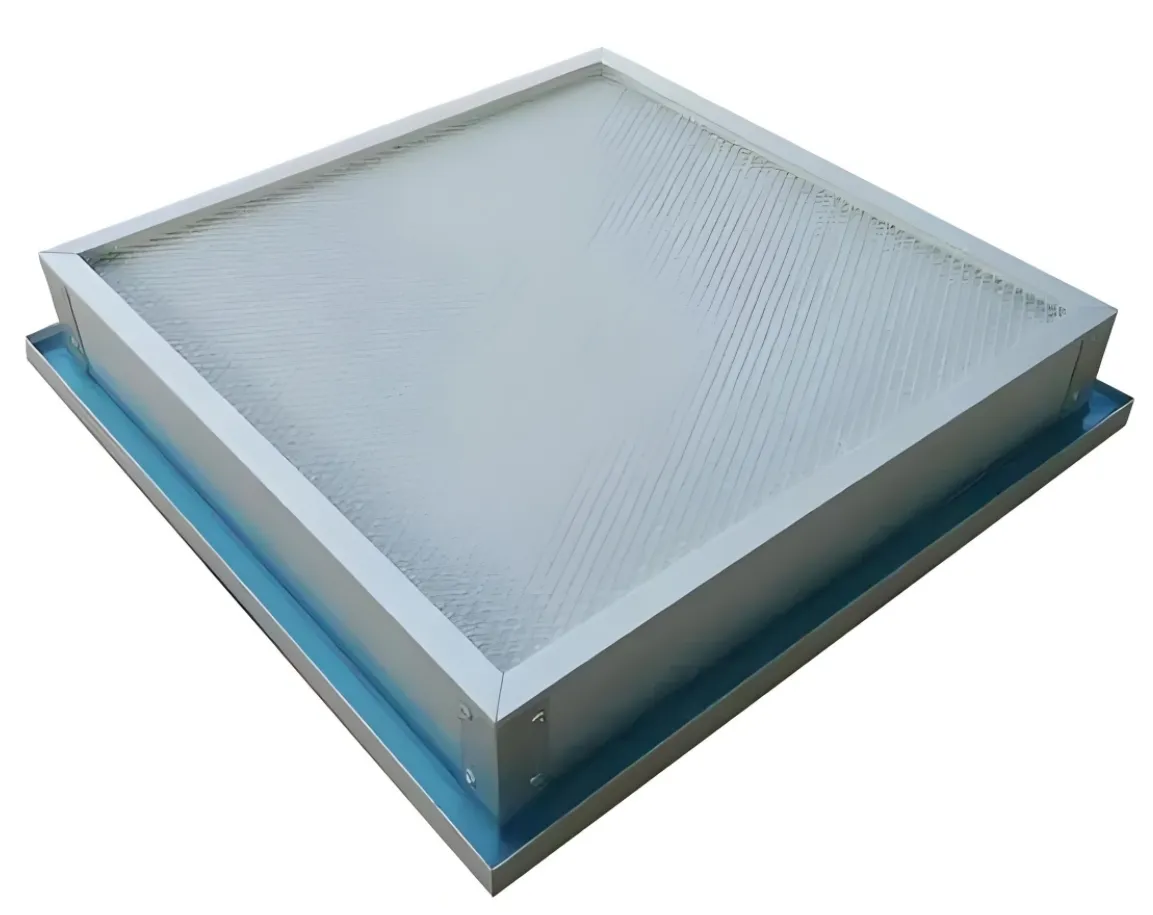
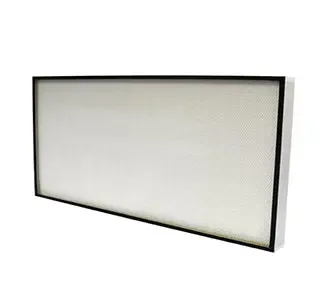
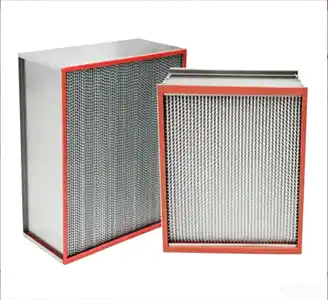
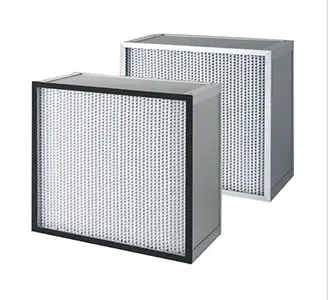
HEPA filter

Deiiang's high-efficiency HEPA filters are core components used in cleanrooms to purify the air.

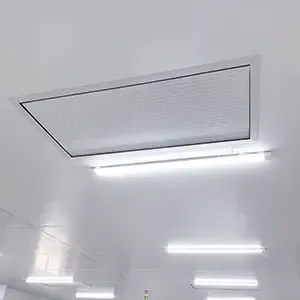
High-efficiency particulate air (HEPA) filters can be used with air handling units, temperature and humidity control units, and large central air conditioning systems to provide clean air for cleanrooms, laboratories, hospitals, factory workshops, and more.

Deiiang helps customers meet ISO, GMP, and healthcare air quality requirements, while maintaining stable airflow circulation and controllable operating costs, thanks to its stringent third-party certifications, leak testing, and factory reports.

/uploads/allimg/20260710/1-260G01T33E15.webp

Need a Cleanroom HEPA filter overall Solution?

Our professional team provides a one-stop, customized supply of cleanroom HEPA filter to meet your specific requirements.

Types of Cleanroom HEPA filter

Explore a full range of cleanroom HEPA filters designed for ceilings, terminals, fan filter units, and equipment integration, delivering stable airflow, low leakage, and validated particle removal for critical environments.
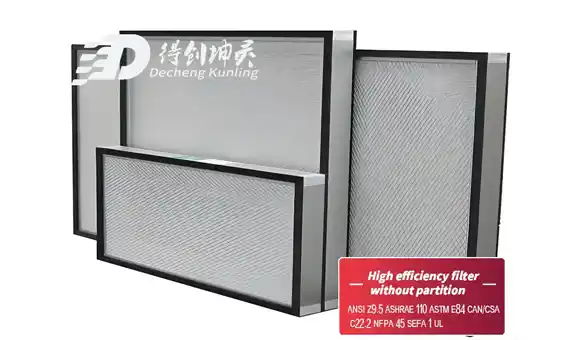
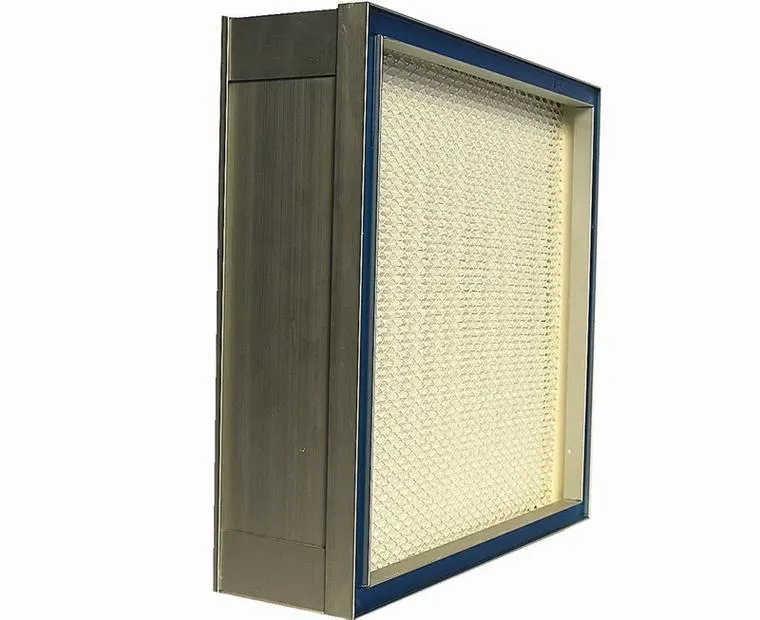
With its excellent design and performance, the compartmentless filter has become an indispensable part of modern air purification systems.
Check the details
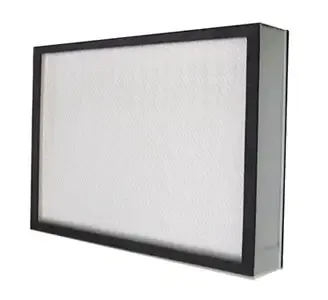
In modern cleanroom technology, DOP integrated high-efficiency filters have become important equipment for various high-cleanliness environments due to their excellent performance and convenient use.
Check the details
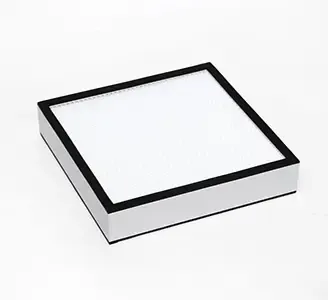
With its excellent filtration performance and advanced design, knife-rack, compartmentless HEPA filters have become a key device for air pollution control in a number of industries.
Check the details
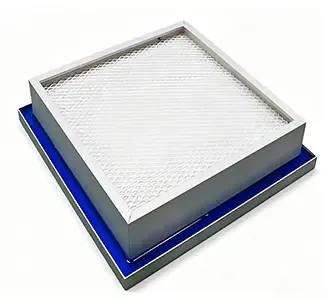
With its high efficiency filtration performance, high quality materials and unique design, the liquid tank type high efficiency filter without partition is widely used in clean rooms and environments with very high requirements for air quality.
Check the details
In today's world of air quality control and purification, the choice of filtration technology is critical, and ULPA-rated Ultra Low Penetration Air Filters and HEPA-rated High Efficiency Particulate Air Filters (HEPA) are two of the most widely used filter types.
Check the details
With the acceleration of industrialization, especially in the fields of painting, baking and sterilizing under high temperature environment, the requirements for air quality are getting higher and higher.
Check the details
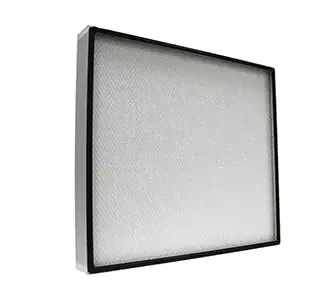
HEPA air filter.webp
HEPA air filter
General high‑efficiency air filters for HVAC and clean environments.
Send inquiry Now
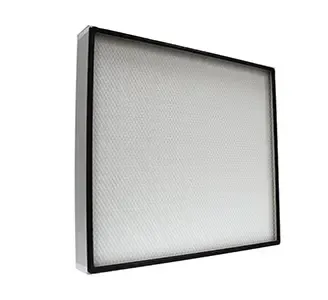
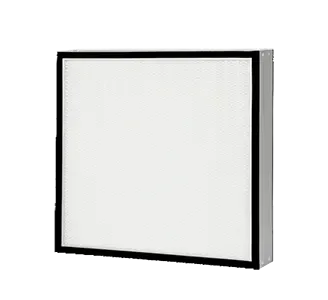
HEPA filter for cleanroom.webp
HEPA filter for cleanroom
HEPA filters designed specifically for ISO‑class cleanrooms.
Send inquiry Now
H13 HEPA filter.png
H13 HEPA filter
H13‑rated HEPA filters with ≥99.95% particle removal.
Send inquiry Now
H14 HEPA filter.webp
H14 HEPA filter
H14‑rated HEPA filters for the most critical clean zones.
Send inquiry Now
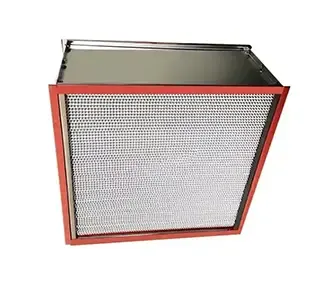
High temperature HEPA filter.webp
High temperature HEPA filter
HEPA filters for high‑temperature ovens and sterilization.
Send inquiry Now
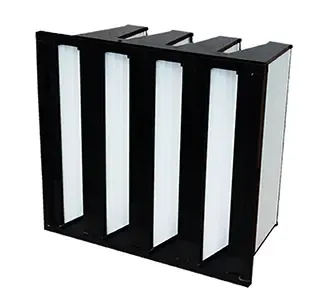
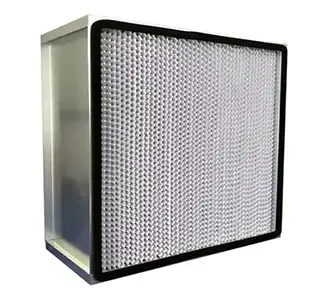
V bank HEPA filter.webp
V bank HEPA filter
V‑shaped high‑capacity HEPA filters for large airflow systems.
Send inquiry Now
Gel seal HEPA filter.webp
Gel seal HEPA filter
Gel‑sealed HEPA filters for ultra‑low leakage installations.
Send inquiry Now
Gasket Type HEPA Filter.webp
Gasket Type HEPA Filter
HEPA filters with gasket frame for standard sealing.
Send inquiry Now
BoxHeader Type HEPA Filter.webp
BoxHeader Type HEPA Filter
Box‑style header HEPA filters for ceiling or terminal units.
Send inquiry Now
U15 HEPA filter.webp
U15 HEPA filter
Ultra‑clean air for top‑tier cleanrooms.
Send inquiry Now
U16 HEPA filter.webp
U16 HEPA filter
Extreme particle control for critical tools.
Send inquiry Now
U17 HEPA filter.webp
U17 HEPA filter
Maximum filtration where failure is not allowed.
Send inquiry Now

Product Feature

Deiiang aims to design and create cleanbooths products that offer high cleanliness, superior quality, intelligent operation, low energy consumption, and low noise.

Verified Filtration Efficiency.webp
Proven Filtration Efficiency

Our production team runs independent lab inspections for every finished filter unit. This delivers reliable particle capture performance hitting 99.95% up to 99.995% for tiny airborne particles sized 0.1 to 0.3 microns.

Ultra‑Low Leakage Design.webp
Ultra-low Leakage Design

Unfiltered bypass air will easily ruin controlled cleanroom classifications, so we developed three practical sealing structures for site selection: gel seals, standard gaskets, and knife-edge frames. All variants block stray air from slipping past filter edges once fully mounted.

Low Pressure Drop, High Airflow.webp
Low Pressure, High Airflow

V-bank folded layouts greatly enlarge the usable media area inside each filter. Ventilation fans won’t operate at overload to push sufficient air volume, cutting recurring power expenses month by month.

Multiple Structural Types.webp
Multiple Structural Types

No matter which cleanroom air systems you deploy, our diverse HEPA filter lineup fits your unique site demands. Box, V-bank and heat-resistant variants work seamlessly with air handling units (AHUs), FFUs and ceiling grid frameworks.

High‑Temperature Capability.webp
High Temperature Resistance

Heat curing ovens and routine disinfection cycles are standard across many manufacturing plants. Our tailor-made HEPA units adopt reinforced housings paired with red silicone or ceramic sealants, keeping stable performance through long-duration high-heat operations.

Traceability and Documentation.webp
Traceability and Documentation

Complete verified records are mandatory during third-party factory audits. We supply serial-number tagged leak scan test documents on demand, and all filed paperwork meets formal ISO and GMP compliance standards.

Robust, Long‑Life Construction.webp
Robust, Long‑Life Construction

Thin lightweight frames warp easily under unstable workshop temperature and humidity. Our heavy-duty anti-corrosion housing stays dimensionally stable over time, extending service cycles and cutting replacement frequency.

Engineering and Technical Support.webp
Engineering and Technical Support

We offer far more than just HEPA filter product supply. The Deiiang Cleanroom team supports your whole project lifecycle. Our specialists pick matching filter models and deliver on-site practical advice during field installation processes.

The difference between Cleanroom HEPA Filter and Cleanroom Pre-filter

HEPA Filter.webp
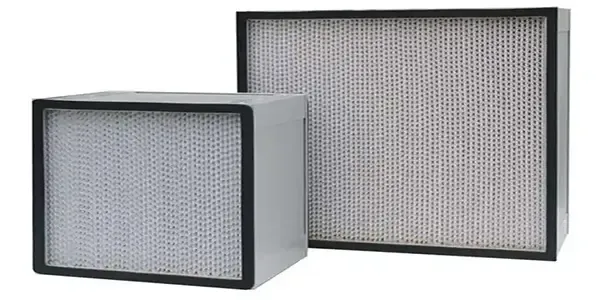
HEPA Filter
VS
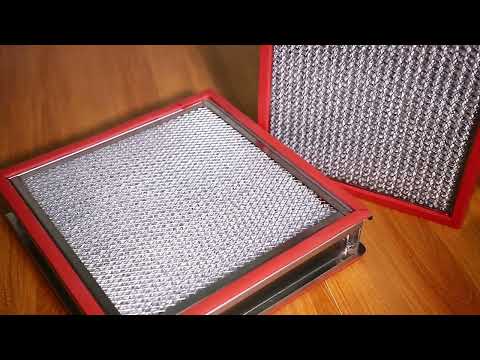
Pre-filter.webp
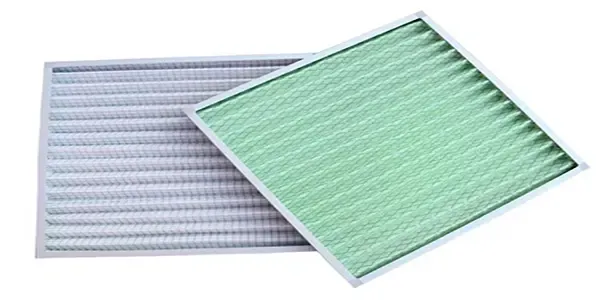
Pre-filter

Cleanroom air handling units are generally equipped with pre-filters and high-efficiency filters, but these two types of filters serve very different purposes. The purpose of the pre-filter is to intercept large particles (dust, fibers, and hair, etc.) at the air inlet, preventing clogging of the ducts and HEPA filters in the subsequent air handling unit. HEPA filters are located at the end of the airflow process. They intercept and filter ultrafine particles and microorganisms, contaminants that pre-filters cannot intercept and that directly affect the cleanliness level. To break it down quick: pre filters maintain smooth system operation and let your HEPA filters last far longer. HEPA filters meanwhile generate traceable clean air records you’ll need to present to auditors.

HEPA Filter

  • Particle Size and Efficiency: It traps micro particles, bacteria and airborne aerosols from 0.1 to 0.3 μm. Our certified H13 and H14 grades deliver 99.95% to 99.995% removal efficiency.

  • Role in the System: HEPA filters are installed at the end of multi-stage filtration systems. The step-by-step particle interception process ensures strict air cleanliness standards, perfectly fitting the demands of GMP production areas and medical environments.

Pre-filter

  • Particle Size and Filtration Efficiency: This filter captures larger debris such as dust, hair, fabric fibers, and small insects. Its filtration efficiency is low to medium, but it can handle large dust particles entering the room, thus reducing the workload on downstream filters (such as HEPA filters).

  • Role in the System: The primary filter is installed at the upstream air inlet of the AHU; its function is simple yet extremely important. They protect pipe coils and downstream medium- and high-efficiency filters from clogging and damage in the early stages of AHU operation, as these higher-grade filters are more expensive.

Industry Applications

Pharmaceutical & Biotech Cleanrooms.webp

Pharmaceutical & Biotech Cleanrooms

The Deiiang H13/H14 HEPA filter has traceable test reports, facilitating compliance with stringent GMP inspections. It helps control active particulate matter in GMP Class A-C rooms, supporting pre-filtration for aseptic filling.

Send inquiry Now
Hospitals & Healthcare Isolation.webp

Hospitals & Healthcare Isolation

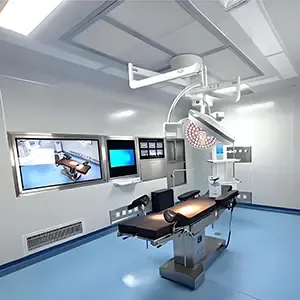
High-efficiency filters installed in the ceilings of operating rooms and intensive care units filter out airborne contaminants, reducing the possibility of infection transmission. They meet the stringent requirements of hospital accreditation inspections.

Send inquiry Now
Electronics & Semiconductor Lines.webp

Electronics & Semiconductor Lines

When used with an FFU, V-bank HEPA filters achieve a balance between filtering particulate matter and pressure drop, consistently maintaining cleanroom cleanliness.

Send inquiry Now
Food & Beverage Processing.webp

Food & Beverage Processing

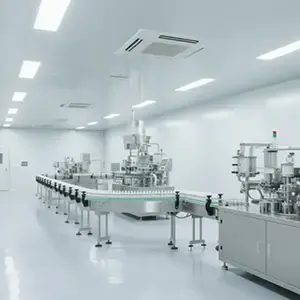
HEPA filters installed in the filling area not only prevent HVAC overload but also help reduce the risk of contaminants such as dust, achieving cleanliness goals.

Send inquiry Now
Laboratories & Research Centers.webp

Laboratories & Research Centers

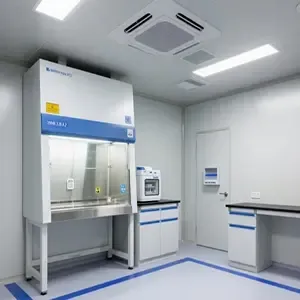
Deiiang HEPA filters can be installed in AHUs and biosafety cabinets to protect the experimental environment from airborne contamination during operations. They also make maintenance and replacement predictable.

Send inquiry Now
Aseptic & High‑Risk Zones.webp

Aseptic & High‑Risk Zones

Gel seal HEPA filters with knife‑edge frames minimize leakage in high‑risk corridors and containment rooms, giving reliable data for ISO and GMP requalification.

Send inquiry Now

How to Work With Us

Upload CAD File

Upload a CAD File

To start, simply select a manufacturing process and upload a 3D CAD file.

Get Quote with DFM

Get Quote with DFM

Within a few hours we'll send you design for manufacturability (DFM) analysis and real-time pricing.

Manufacturing Begins

Manufacturing Begins

Once you review your quote and place your order, we'll start the manufacturing process. We also offer finishing options.

Parts are Shipped

Parts are Shipped!

Our digital manufacturing process allows us to produce parts in as fast as 1 day.

ABOUT

Learn More About Deiiang HEPA filter

Deiiang is a professional cleanroom system integrator, providing you with a one-stop comprehensive solution for cleanroom construction.

e5TxYfO5skg YouTube Video
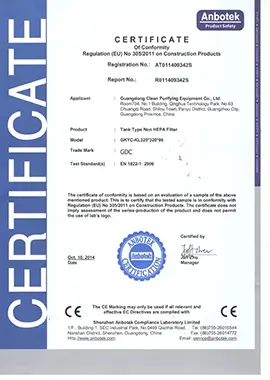
Certificate

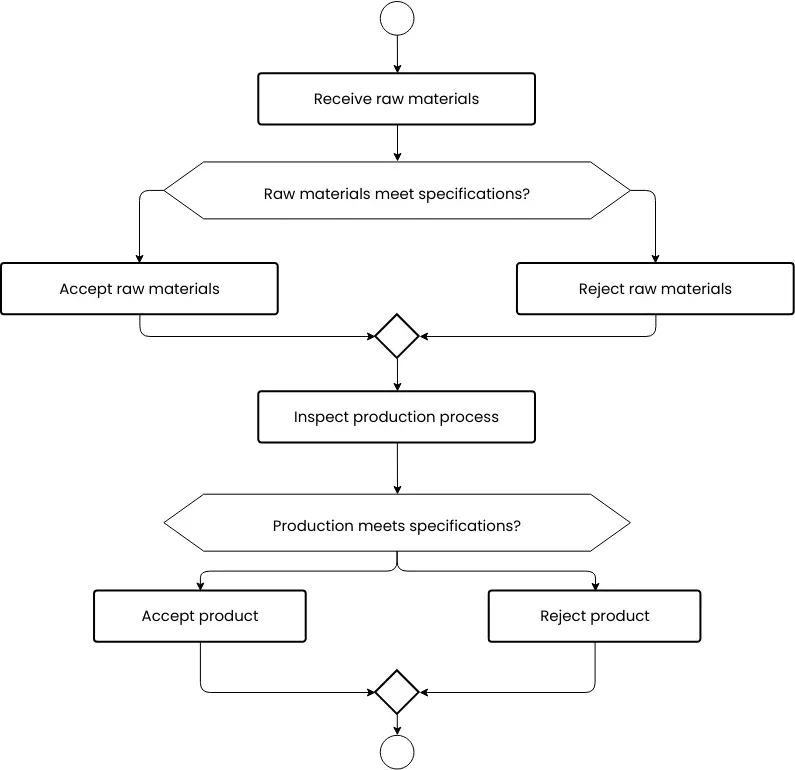
Deiiang HEPA filter Quality Control Flowchart

traffic-cone-quality-control-flowchart.webp

Response within 24 hours

Customer feedback reflects our value—take a look at what our customers say about our products and services.

Last week, our hospital upgraded its air conditioning units, this time replacing the filters with Deiiang H13 HEPA filter. On-site leak tests were conducted, and the actual pressure drop data was compared; both passed perfectly!

Michael Turner

The BoxHeader Type HEPA Filter is a perfect match for our current terminal filter housing inlets, allowing for direct and seamless installation and preventing air pollution.

Dr. Angela King

In the area where the ISO 5 level electronics production line is located, we used Deiiang V bank HEPA filter. This equipment, paired with an FFU (Fan Filter Unit), provides stable airflow and low noise—it's excellent.

Thomas Müller

We use Gel seal HEPA filter in our aseptic filling rooms. The knife-edge and gel track seal perfectly with the ceiling, and we’ve had zero bypass issues during annual requalification.

Gaia

Our curing ovens run at high temperature, so we went with Deiiang High temperature HEPA filter. After more than a year, the frames and seals are still in great shape with no deformation.

Sophia Martinez

Gasket-type HEPA filters and H14 HEPA filter purchased from Deiiang were delivered on time, securely packaged, and arrived undamaged by sea. Most importantly, the test certificates also meet our stringent requirements.

Emily Davis
Frequently Asked Questions (FAQ)
Can a HEPA filter be washed?

Don’t wash your HEPA filter at all. Cleaning can deform the filter media, create gaps, and reduce filtration efficiency. In most cases, dust cannot be completely washed away.

A damp filter saturated with moisture also becomes a breeding ground for mold and bacteria. For these reasons, manufacturers and standards bodies recommend replacing, not washing, HEPA filters.

What substances cannot HEPA filters remove?

HEPA filters are designed to capture particles, not gases. They cannot remove gases, volatile organic compounds (VOCs), fumes, or many odor molecules. Very ultrafine smoke particles may also pass through.

While HEPA filters can intercept most bacteria and droplets carrying microorganisms, they do not kill them. If you need gas‑phase removal or sterilization, you must add activated carbon, chemical filters, or UV/other disinfection technologies.

How are HEPA filters classified?

The EN 1822 standard classifies high‑efficiency filters into H10–H14 (HEPA) and U15 and above (ULPA). H13 removes 99.95% of 0.3 μm particles, and H14 removes 99.995% at the most penetrating particle size (MPPS).

Standard HEPA filters also meet the U.S. Department of Energy (DOE) requirement of at least 99.97% efficiency at 0.3 μm. In cleanroom projects, H13 and H14 grades are most commonly used.

What is HEPA H13 rating?

H13 HEPA filters capture at least 99.95% of particles ≥0.3 μm according to EN 1822. They are widely used in laboratories, hospitals, and many pharmaceutical cleanrooms where high, but not ultra‑extreme, air cleanliness is required.

H13 filters are also compatible with ISO 14644‑1 cleanroom classifications and are often selected as terminal filters in ISO 5–7 areas, depending on process risk and regulatory expectations.

What is a HEPA filter rating?

A HEPA filter’s rating (for example H13 or H14) indicates its certified filtration efficiency at the most penetrating particle size. H13 and H14 are commonly used in industrial cleanrooms and critical HVAC systems.

These ratings show how effectively the filter blocks fine particles and microorganisms in environments such as medical facilities, pharmaceutical plants, electronics factories, and high‑tech production lines. Each rating fits different air purity demands, from general clean areas to strict cleanrooms.

What are HEPA filters used for?

HEPA filters are used wherever very clean air is required. Typical applications include cleanrooms, laboratories, hospitals, operating rooms, isolation rooms, and high‑tech manufacturing.

They are also integrated into air handling units, air purifiers, and high‑end vacuum cleaners to improve indoor air quality in commercial buildings and some residential settings.

How much does a HEPA filter cost?

HEPA filter prices vary with size, grade (H13, H14, etc.), frame structure, and intended use. Smaller or basic units can range from around $100–500, while large industrial cleanroom HEPA filters may exceed $1,000 per piece.

When budgeting, also consider recurring costs such as pre‑filters, installation labor, leak testing, and periodic replacement, as these often exceed the one‑time purchase price over the life of the system.

How much does it cost to install a HEPA filter?

Standard installation costs can be roughly $200–500 per filter in typical commercial systems, depending on access, height, and safety requirements. Complex air handling units, custom housings, or cleanroom retrofits usually cost more.

For regulated projects, factor in additional expenses for leak testing, balancing, and validation in line with ISO 14644‑2 and other relevant filtration and HVAC standards.

Why are HEPA filters so expensive?

HEPA filters use high‑grade filter media, precise pleating, and robust frames, and many units undergo individual leak testing and third‑party certification. All of this adds material, labor, and quality‑control cost.

However, this rigorous process ensures that each filter truly meets its rated performance, which is critical for pharmaceutical, healthcare, and high‑tech applications where product safety and regulatory compliance are non‑negotiable.

Are HEPA filters worth the cost?

For cleanrooms, hospitals, and critical manufacturing, HEPA filters are usually essential and well worth the investment. They reduce contamination risk, support ISO and GMP compliance, and help you pass audits.

Their stable performance and extended service life, especially when combined with proper pre‑filtration, often offset the higher initial price by reducing product losses, downtime, and regulatory issues.

How to choose HEPA filter?

How to Select the Right HEPA Filter


First, lock down your air cleanliness rules

List your ISO grade, GMP or medical rules plus key zones like operating rooms and semiconductor workshops. These details set whether you need H13 or H14 HEPA Filter, full leak tests and official compliance papers.


Next, pick matching HEPA efficiency levels

H13 works for regular pharmaceutical and medical terminal points. Pick H14 for sterile, high-risk spaces. Always ask makers for full test records covering efficiency, MPPS and pressure loss.


Don’t skip airflow and pressure loss checks

Hand over your planned air volume and acceptable system pressure. Mini-pleat or V-bank cuts airflow resistance, easing fan load and trimming power bills long term.


Choose the filter model suitable for your installation location

Installation locations include AHUs, FFUs, ceiling mounts, and high-temperature areas. Depending on your specific installation needs, you can choose gel-sealed, gasket-free, V-type, or high-temperature resistant filters.


Pay attention to the on-site conditions

The use of high temperatures, steam sterilization, or strong chemical disinfectants will have some impact on the choice of frame materials (aluminum or stainless steel) and adhesives.


Never skip pre-filter setups

Adding pre and medium filters greatly stretches your HEPA Filter lifespan. Match multi-stage filtration to local dust levels to cut running costs.


Properly maintain test records for future audits

Larger, regulated projects typically require leak testing and factory documentation for each filter unit to pass subsequent Installation Qualification/Operational Qualification (IQ/OQ), ISO, and GMP inspections.


Get our engineering advice as early as possible

Please send your layout and airflow diagrams to Deiiang as soon as possible. Our team will assist you in selecting the appropriate HEPA filter size and sealing method to avoid validation and installation problems.