+86 18186671616
 Jason@cleanroomequips.com


 MENU

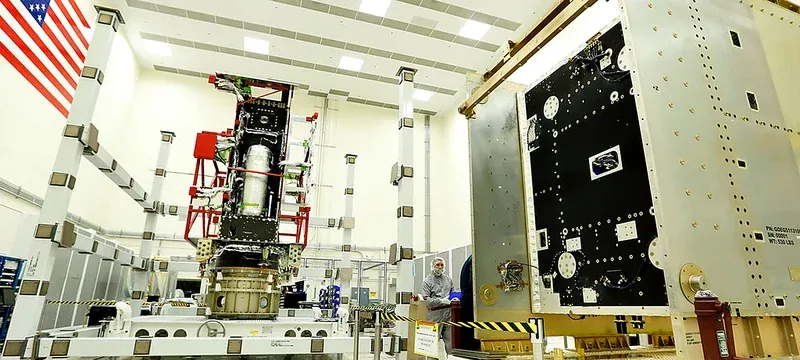
If you have ever asked “what is a clean room actually for,” you are in the right place. Most people picture a sterile white room, but the real story is far more practical. Think of it as a shield for your product at the exact moment it is vulnerable.
This guide walks through the industries that rely on a clean room application, the specific processes involved, the contamination being controlled, and how to decide whether your own process needs one. No fluff, just the useful bits.
Quick answer: cleanrooms are used to keep particles, microbes and surface contamination inside defined limits, so a sensitive product or process stays protected while it is exposed to the air.
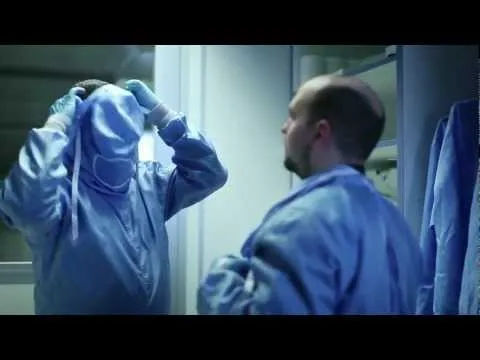
What Are cleanrooms Used For?
Before we list industries, let us nail the purpose. A clean room application is not about making an entire building “sterile.” It is about controlling contamination where the product is actually exposed. That distinction saves you a lot of money later.
A Quick Definition
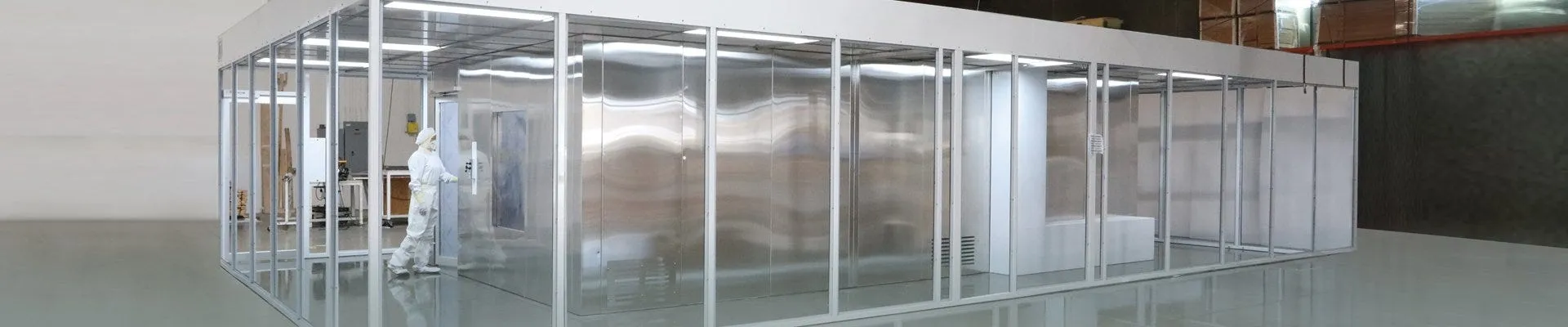
A cleanroom is a controlled space where the air and surfaces are filtered and monitored so particle and microbial levels stay within set limits. Filtered air keeps moving in a planned pattern, and people follow strict entry and behavior rules.
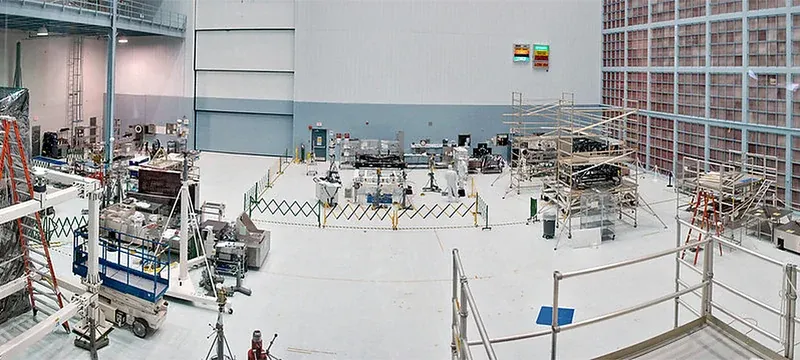
The Core Purpose — Controlling Contamination at the Point of Exposure
Here is the simple logic behind every cleanroom, and it only takes three moves:
- Stop it getting in — gowning, airlocks, sealed envelope, controlled material transfer.
- Limit it being made inside — calm behavior, smooth non-shedding surfaces.
- Keep removing it — filtered supply air, organized airflow, controlled return or exhaust.
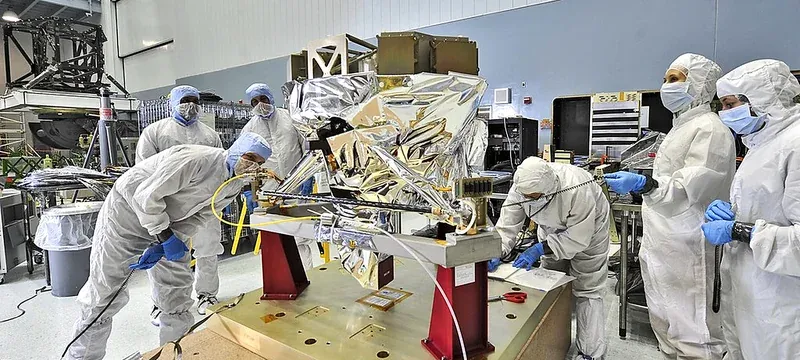
Which Industries Use Cleanrooms?
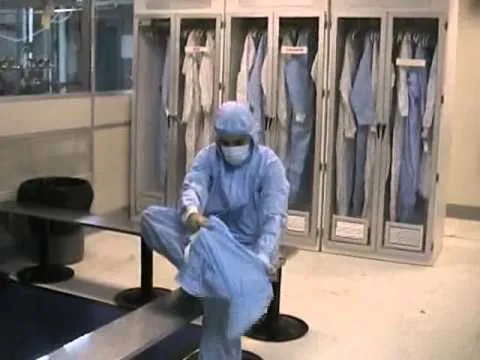
Now the part you probably came for. The same contamination-control logic pops up across many sectors, but eACH one worries about a different enemy. Below, every industry follows the same four-part pattern: typical process, contamination risk, and why control matters.
One warning up front — there is no single fixed class per industry. The grade always depends on the process and its risk, so treat the standards below as a map, not a rulebook.
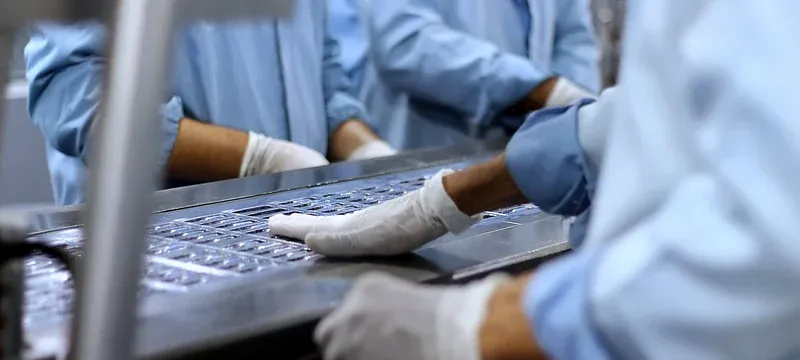
💊Pharmaceutical & Biotechnology
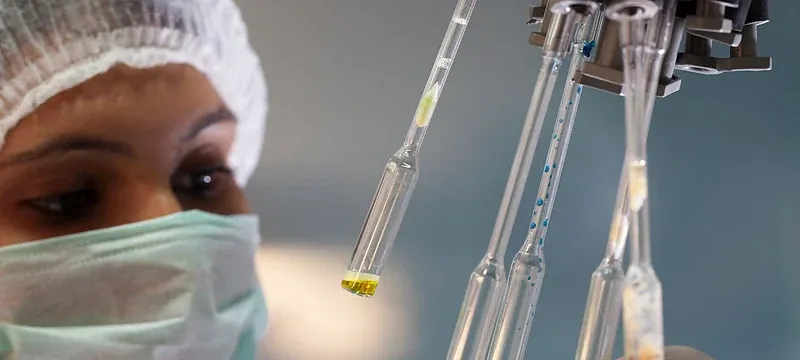
Processes: aseptic filling, sterile solution preparation, lyophilization, RABS and isolators.
Risk: microbial contamination plus particles.
Why it matters: a contaminated sterile drug can directly harm patients, so EU GMP Annex 1 and Grade A–D drive the requirements. Explore pharma cleanrooms →
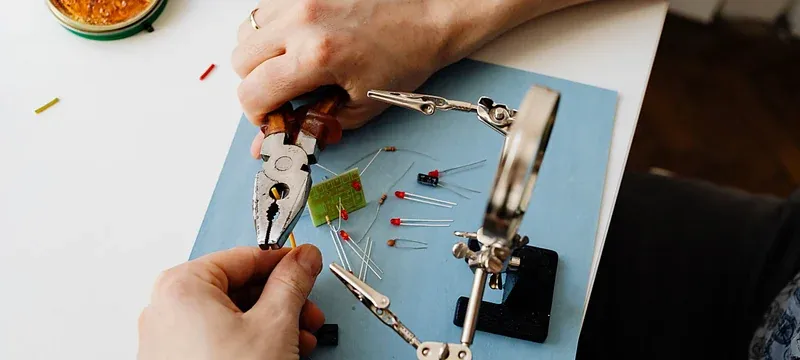
🩺Medical Device Manufacturing
Processes: injection molding, micro-assembly, packaging, sterilization, final inspection.
Risk: particles and bioburden on devices that touch the body.
Why it matters: ISO 13485 and FDA expectations set the bar, especially for implants. Medical device cleanrooms →
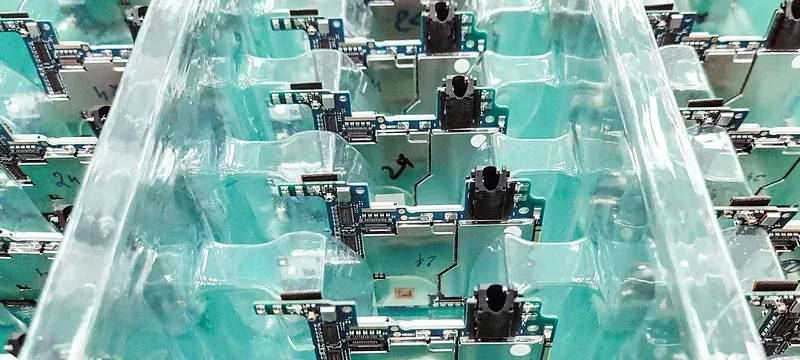
🔬Semiconductor & Microelectronics
Processes: photolithography, etching, wafer bonding, packaging and testing.
Risk: tiny particles and electrostatic discharge (ESD).
Why it matters: one speck can ruin a chip and kill yield, so these rooms often run high grades. Semiconductor cleanrooms →
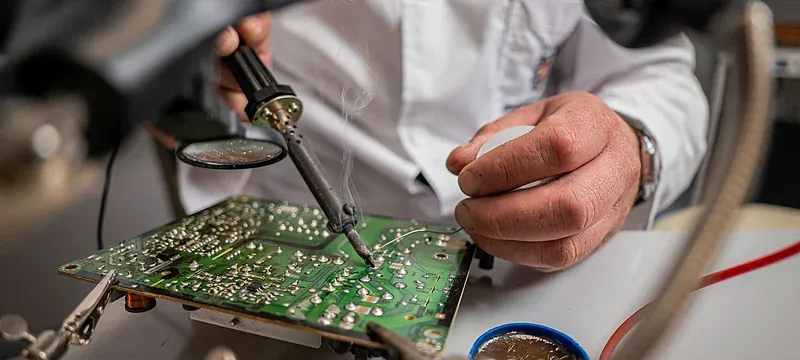
💡Electronics & Precision Optics
Processes: electronic assembly, laser and optical inspection, precision measurement.
Risk: particles, fibers and static.
Why it matters: lenses and sensors cannot tolerate dust settling on a critical surface.
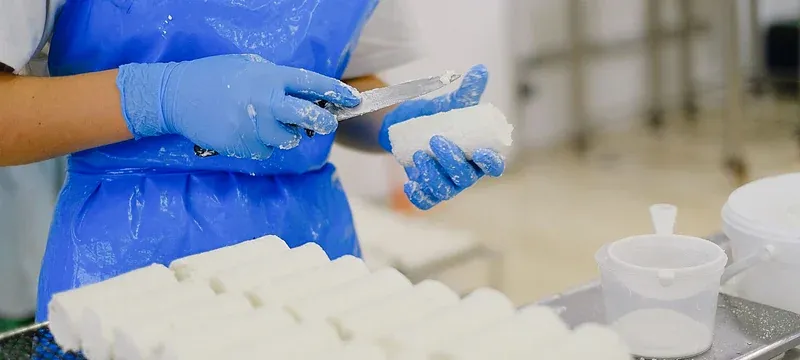
🍽️Food, Beverage & Cosmetics
Processes: sensitive packaging and production, hygiene-controlled lines.
Risk: microbes and cross-contamination.
Why it matters: not every area needs a formal particle class, but exposed packaging often does.
🏥Hospitals & Healthcare
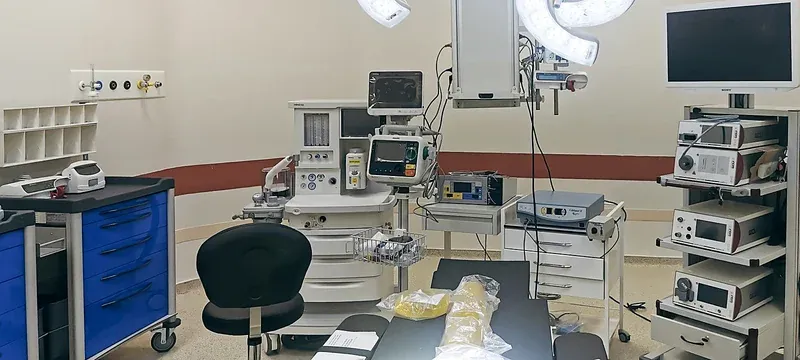
Processes: sterile compounding (USP 797/800), isolation rooms, operating theatres.
Risk: infection spreading between patients and staff.
Why it matters: positive pressure protects vulnerable patients; negative pressure contains airborne pathogens.
🧬Specialty & Emerging Applications
Once you know the pattern, you start seeing cleanrooms everywhere. Other fast-growing uses include:
- Vaccine manufacturing and cell & gene therapy
- Cannabis cultivation and processing
- Automotive high-precision sensors and electronics
- Aerospace components and lithium-battery production
Functional Clean Areas Within a Facility
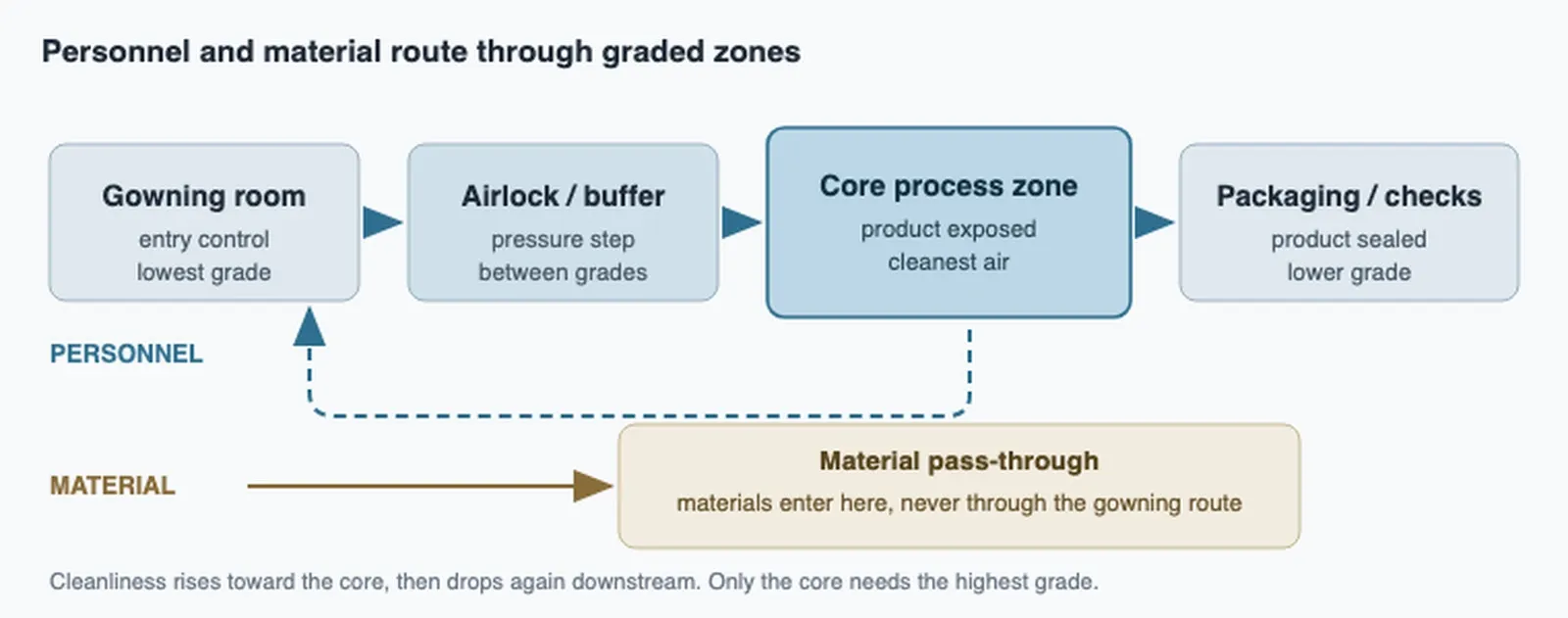
You asked whether the whole cleanroom workshop needs classifying. Good news — usually not. A cleanroom facility is split into functional zones, each with a job and a relative cleanliness level. Here is how the clean room areas fit together.
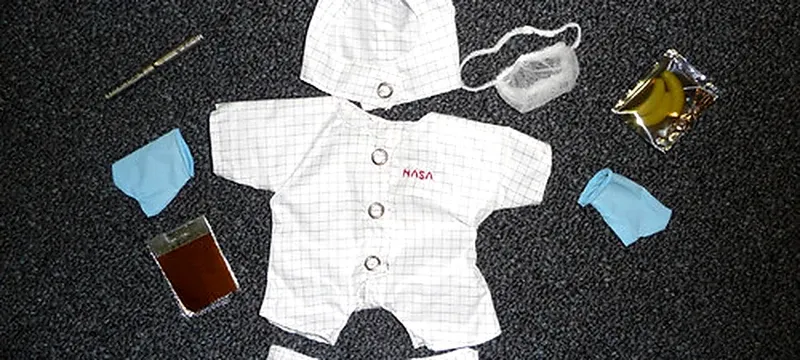
Gowning Rooms & Airlocks
People change cleanroom garments here and pass through a pressure buffer before entering the clean room side.
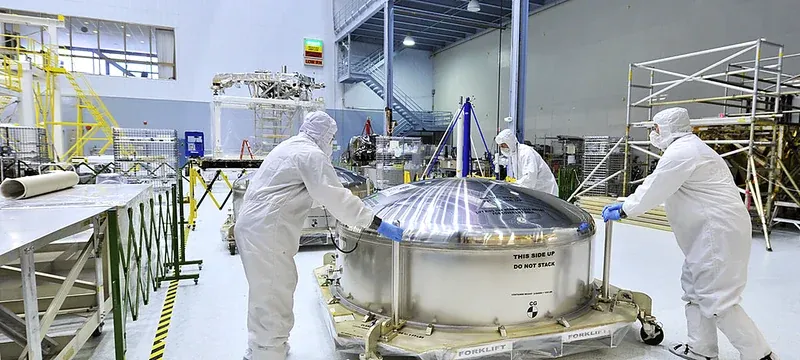
Buffer Rooms & Material Pass-Through
Cleanroom materials enter through pass boxes while personnel and material routes stay separated.
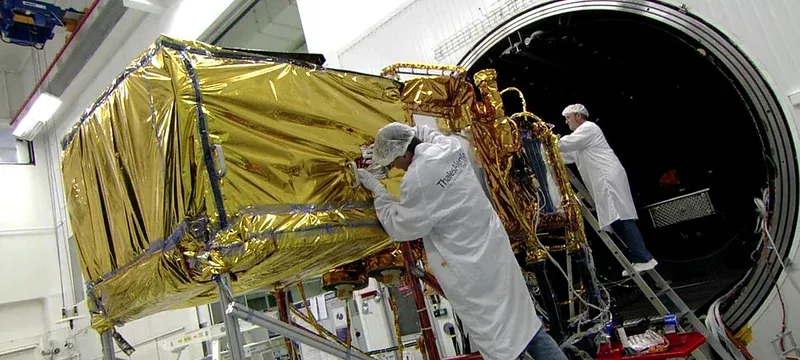
Core Process, Filling & Assembly Zones
This is the cleanest cleanroom zone, where the product is exposed and cleanroom airflow and pressure matter most.
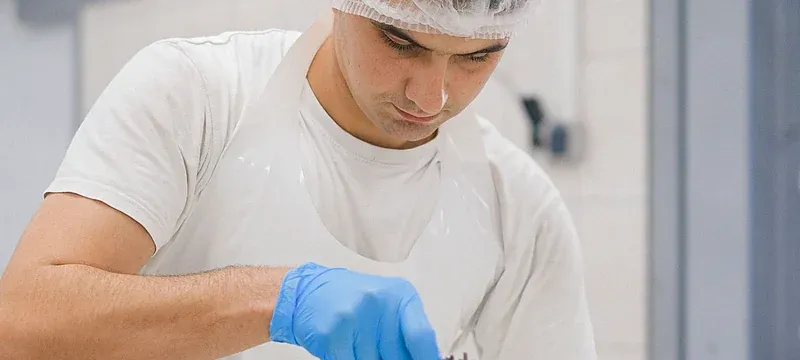
Packaging & Inspection Areas
Downstream zones sit at a lower grade, since the product is usually sealed by this point.
| Functional area | Job | Relative position |
|---|---|---|
| Gowning room | Garment change, entry control | Entry, lowest grade |
| Airlock / buffer | Pressure transition | Between zones |
| Core process zone | Product exposure | Cleanest, center |
| Packaging / inspection | Sealing and checks | Exit, lower grade |
Gowning room
JobGarment change, entry control
PositionEntry, lowest grade
Airlock / buffer
JobPressure transition
PositionBetween zones
Core process zone
JobProduct exposure
PositionCleanest, center
Packaging / inspection
JobSealing and checks
PositionExit, lower grade
What Contamination Do Cleanrooms Control?
“Contamination” is a broad word in cleanroom applications, so let us break it into the enemies you actually meet. Some are alive, some are not, and one you cannot even see until something breaks.
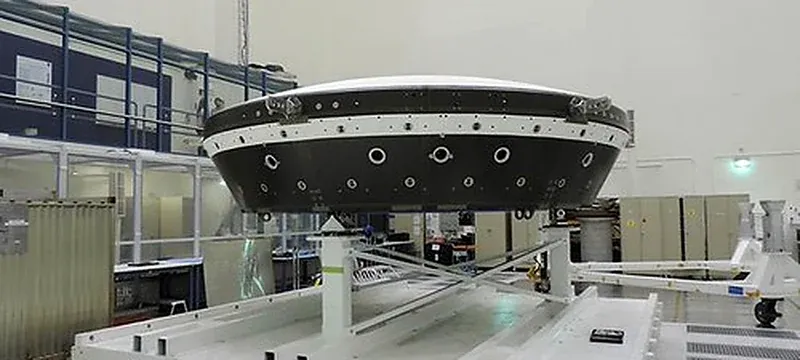
Airborne Particles (Non-Viable)
Dust, skin cells and fibers that are not alive. Filtration and airflow handle these, and particle counts prove they are under control.
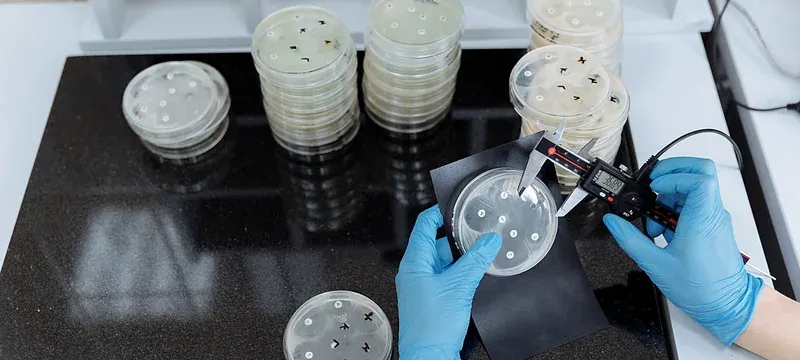
Microbial Contamination (Viable)
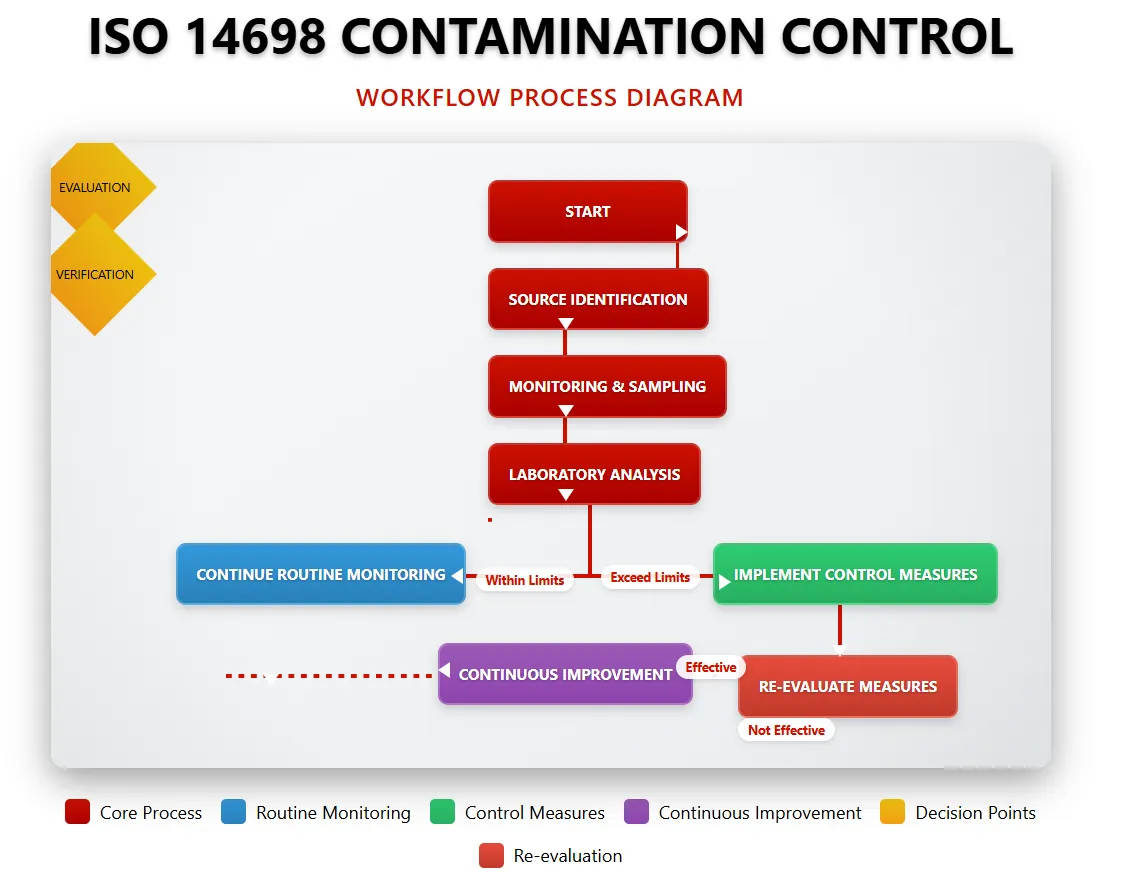
Living bacteria and fungi. These need microbial monitoring plus hygiene and disinfection, not just filters.
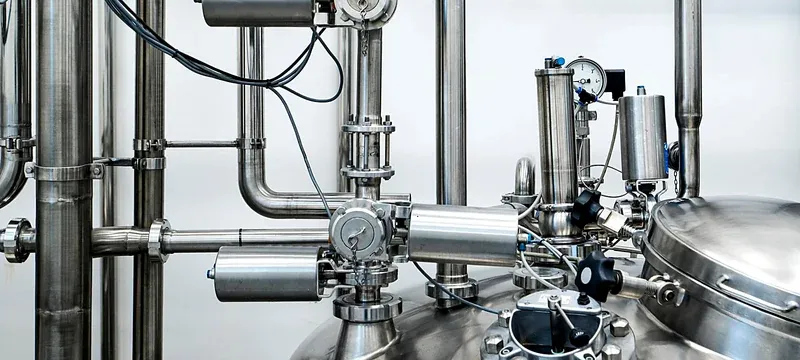
Surface Contamination & Fibers
Particles that settle and films left behind. Smooth, cleanable surfaces and a cleaning SOP keep them in check.
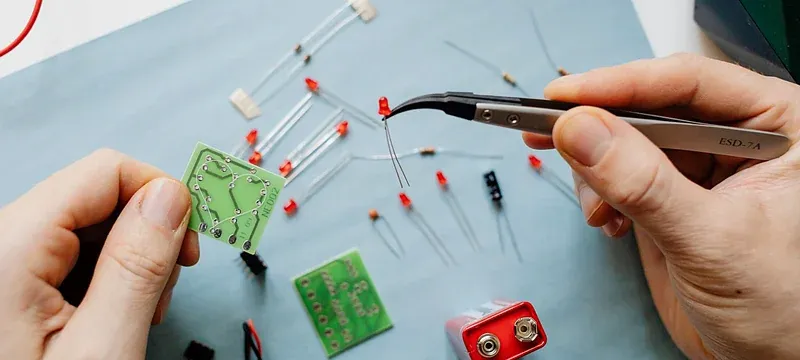
Electrostatic Discharge — A Related Risk
Static both attracts particles and can fry electronics. It is the hidden risk that electronics and semiconductor teams take seriously.
Where Contamination Comes From
There are four usual sources, and people are the biggest inside a running room:
- People — shedding skin, hair and fibers with every movement
- Process — dust or fumes generated by the work itself
- Materials — contamination carried in on parts and packaging
- Supply air — why filtration and duct sealing matter
How To Decide If Your Process Needs a Cleanroom
This is the moment of truth. You do not need to guess — a few honest questions will tell you whether a clean room application is justified or overkill.
Key Questions To Ask First
- Is the product exposed to air at any critical stage?
- What happens if a particle or microbe reaches it — defect, safety risk, compliance failure?
- Does a standard or regulator formally require a controlled environment?
Whole Facility vs Critical-Process Control
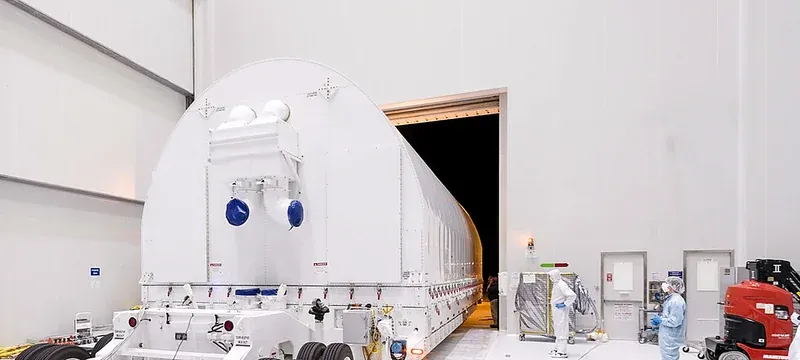
You often only need to control the point of exposure with a local booth or isolator, while surrounding zones stay at a lower grade. That is far cheaper than classifying an entire factory.
A Short Self-Check Checklist
My product is exposed to air during a key step
Contamination would cause a defect or safety issue
A standard or customer audit expects a cleanroom controlled space
I know whether I need whole-room or local control
I have a monitoring and cleaning plan in mind
If several boxes are ticked, it is worth a proper review. The Deiiang™ team can help you pinpoint the right scope without over-building.
Get a free assessment
Application Requirements & Key Considerations
Once you know your process needs a clean room, a handful of cleanroom application requirements decide the design. Here are the moving parts, in plain language.
cleanliness class — No Single Fixed Grade per Industry
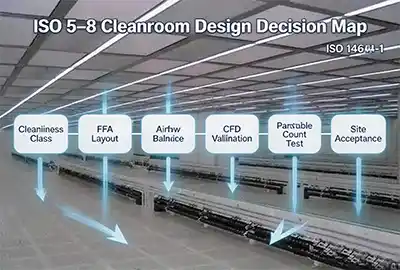
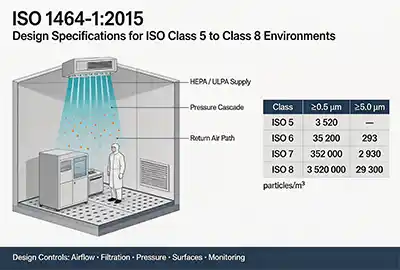
Two classification languages are still in use, especially in the US market, so it helps to know both:
| Framework | Basis | Notes |
|---|---|---|
| iso 14644 | iso classes (ISO 1–9) | Current international standard |
| federal standard 209e | class 100, 1000, 10000… | Legacy, retired but still widely referenced |
Airflow, Pressure & Filtration Basics
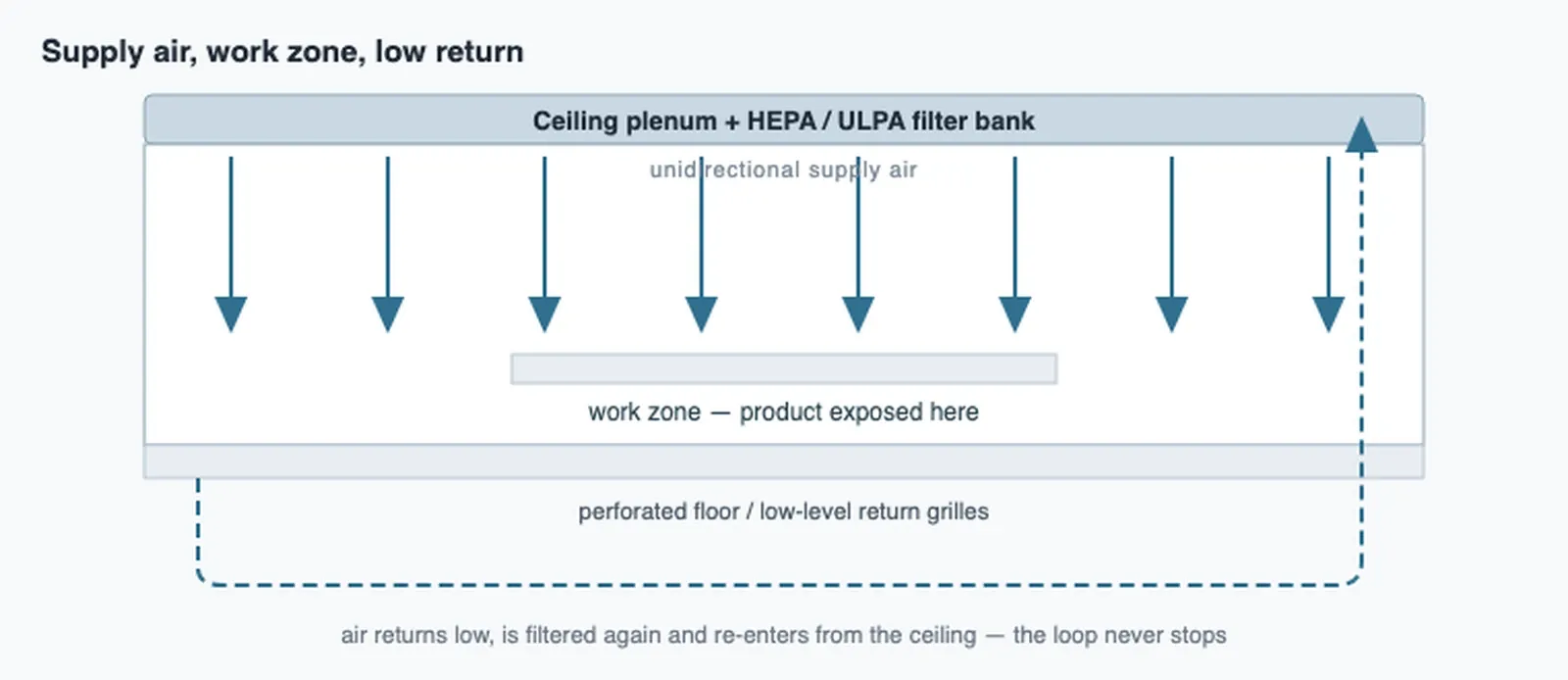
HEPA and ULPA filters do the heavy cleaning. Unidirectional flow sweeps particles, mixed flow dilutes them, and pressure (positive or negative) decides which way the air moves.
Monitoring, Cleaning & People Controls
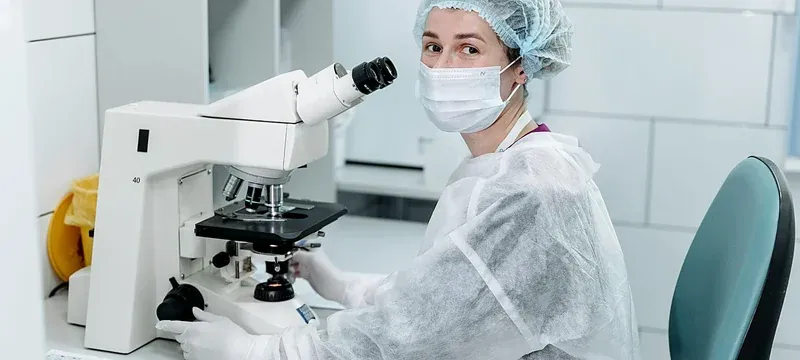
Environmental monitoring, a cleaning SOP and gowning rules are what keep a qualified room qualified day after day. Build these in from the start, not as an afterthought.
Frequently Asked Questions
What are cleanrooms used for?
They keep particles, microbes and surface contamination within defined limits so a sensitive product stays protected while exposed.
What is the most common cleanroom application?
Pharmaceutical and electronics manufacturing are among the most common, though the same logic applies across many sectors.
Does every industry use the same cleanroom class?
No. The class follows the process and its risk, not the industry name, so two rooms in one plant can differ.
Do I need to classify the whole facility or just the critical process?
You often only control the point of exposure with a local booth or isolator, with surrounding zones at a lower grade.
What is the difference between a cleanroom and a controlled environment?
All cleanrooms are controlled environments, but a controlled environment may manage temperature and humidity without a formal particle class.
Do cleanrooms always use positive pressure?
No. Positive pressure protects a product, while negative pressure contains hazardous biological or toxic materials.
References & Next Steps
For the full requirements, always check the current text of the standards rather than relying on summaries.
- ISO 14644-1 to -5 — Cleanrooms and associated controlled environments
- ISO 14698 — Biocontamination control
- EU GMP Annex 1 — Manufacture of sterile medicinal products
- USP General Chapters 797 and 800 — Sterile and hazardous compounding
- ISO 13485 — Medical device quality management
Not sure which cleanroom setup fits your process?
Tell Deiiang™ about your layout, target and compliance needs. We will help you define the class and control range that matches your real risk — no inflated spec, no guesswork.
Request a free assessment